

Warrior wasps are among the most feared insects in the world, largely due to their painful sting and intimidating presence. Known scientifically as Synoeca septentrionalis, these wasps are native to Central and South America. They have captured global attention not only for their striking appearance but also for their aggressive defense mechanisms and unique colony behaviors. In this guide, we’ll explore their sting, habitat, appearance, and the reasons why they’ve become famous through adventurers like Coyote Peterson.
What Is a Warrior Wasp?
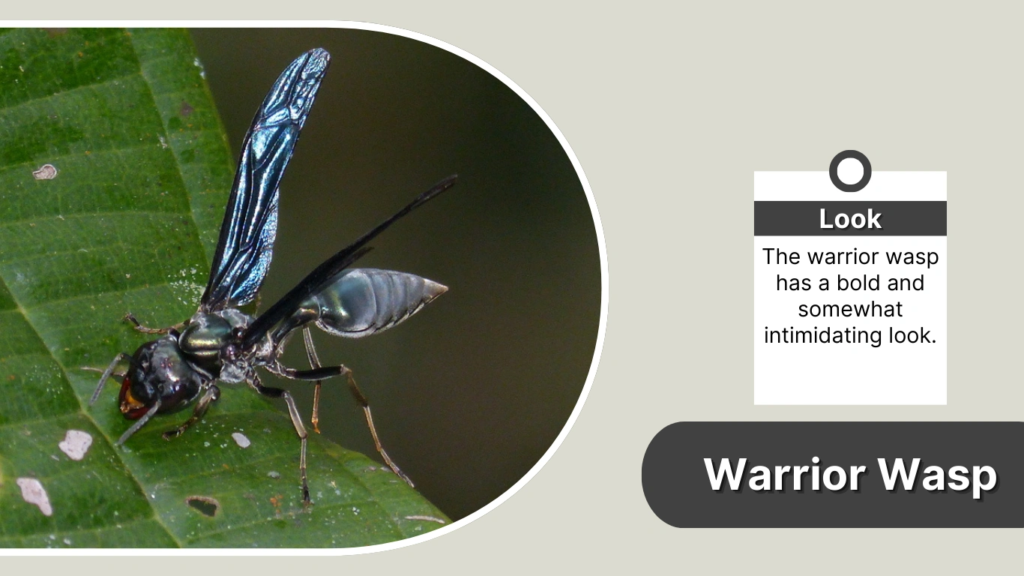
Warrior wasps are large, social insects that live in colonies similar to hornets and other paper wasps. They are most recognizable for their shiny, dark-colored bodies and their habit of producing a distinctive drumming sound to warn intruders. Unlike solitary wasps, they thrive in organized colonies led by a queen.
General Description
The warrior wasp has a bold and somewhat intimidating look. Adults measure between 1.5 and 2 inches long, making them much larger than common wasps. Their bodies are elongated, with narrow waists and powerful wings that allow fast flight.
Scientific Classification
Belonging to the family Vespidae, warrior wasps are related to hornets, yellowjackets, and paper wasps. Their scientific name, Synoeca septentrionalis, is tied to their aggressive reputation and widespread presence across parts of the Americas.
Unique Characteristics
One of the most fascinating traits is their “warrior-like” defense strategy. When disturbed, they produce a loud drumming sound by beating their wings against their nest, signaling the colony to prepare for attack. This organized warning behavior sets them apart from many other wasp species.
Warrior Wasp Appearance
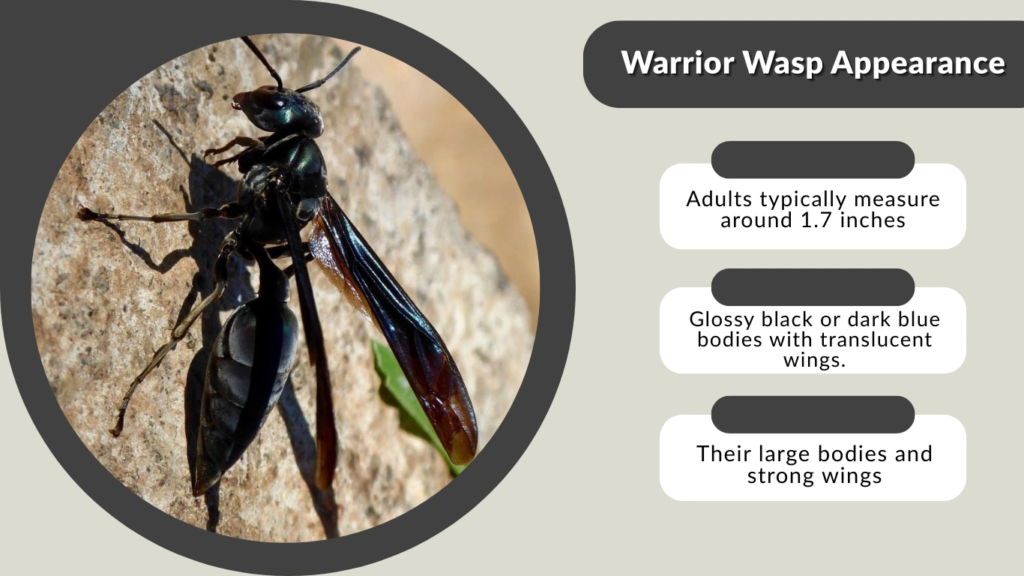
Warrior wasps are often described as both beautiful and frightening due to their size and coloration. Their large bodies and strong wings make them noticeable even from a distance.
Size and Physical Features
Adults typically measure around 1.7 inches, though some giant warrior wasps can grow larger. They have glossy black or dark blue bodies with translucent wings. Their stinger is long, sharp, and capable of delivering venom deep into the skin.
Queen Warrior Wasp
The queen is slightly larger than worker wasps and plays the central role in reproduction. While she looks similar to her colony members, her primary function is egg-laying, ensuring the survival and growth of the hive.
Pictures and Visual Identification
Images of warrior wasps often highlight their metallic sheen and fierce stinger. Photographs also reveal their cluster-forming behavior around nests, which can appear intimidating to anyone who gets too close.
Warrior Wasp Species and Variations

Although the term “warrior wasp” commonly refers to Synoeca septentrionalis, there are variations and color morphs that make them even more fascinating.
Black Warrior Wasp
The most common type, featuring a dark black body with shiny wings, is often mistaken for a hornet. These are the ones most widely documented in Costa Rica and other regions.
Blue Warrior Wasp
Some warrior wasps appear to have a bluish metallic sheen under sunlight. While not a separate species, this color variation makes them stand out visually.
Yellow Warrior Wasp
Reports of yellow warrior wasps often refer to misidentifications with other wasp species. However, some individuals may appear yellowish under certain lighting conditions, causing confusion.
Giant Warrior Wasp
The term “giant warrior wasp” is used to describe particularly large individuals within the species. They are especially intimidating and are often highlighted in documentaries or adventure shows.
Warrior Wasp Sting

The warrior wasp sting is infamous for being one of the most painful stings in the insect world. It ranks high on the Schmidt Sting Pain Index, described as excruciating but short-lived.
How Painful Is a Sting?
Entomologist Justin O. Schmidt, who created the Pain Index, described the warrior wasp sting as “torture—like being chained in the flow of an active volcano.” While hyperbolic, this statement emphasizes the intensity of the pain. Victims report burning, throbbing sensations lasting up to two hours.
Symptoms After Being Stung
Common reactions include severe pain, swelling, redness, and itching. In rare cases, individuals may experience allergic reactions that require medical treatment. Unlike some stinging insects, warrior wasps can sting multiple times.
Sting vs Bite – The Difference
Warrior wasps do not bite; their defense mechanism is purely through their sting. The sharp stinger injects venom that triggers intense pain but is not usually fatal to humans.
Warrior Wasp Sting Videos & Reports
The warrior wasp became widely known after YouTuber Coyote Peterson of Brave Wilderness filmed himself being stung as part of his “stings challenge” series. Videos show him writhing in pain but eventually recovering without long-term harm.
Coyote Peterson and Brave Wilderness Encounters

Much of the warrior wasp’s modern fame comes from media coverage and online personalities. Among them, Coyote Peterson has played the biggest role in bringing the insect into the public eye.
Coyote Peterson Stung by a Warrior Wasp
In one of his most-watched episodes, Coyote Peterson intentionally allowed a warrior wasp to sting him. His reaction demonstrated the sheer intensity of the pain, confirming its reputation on the sting pain index.
Brave Wilderness Warrior Wasp Episodes
The Brave Wilderness channel dedicated episodes to both documenting the insect’s biology and showcasing the sting challenge. These videos have garnered millions of views, turning the warrior wasp into an internet phenomenon.
Public Reactions to the Sting Challenges
Viewers were shocked at Peterson’s bravery but also fascinated by the insect itself. Many commented on the importance of showing the effects of such stings for educational purposes. However, experts often warn against attempting similar stunts.
Nest, Hive, and Colony Behavior
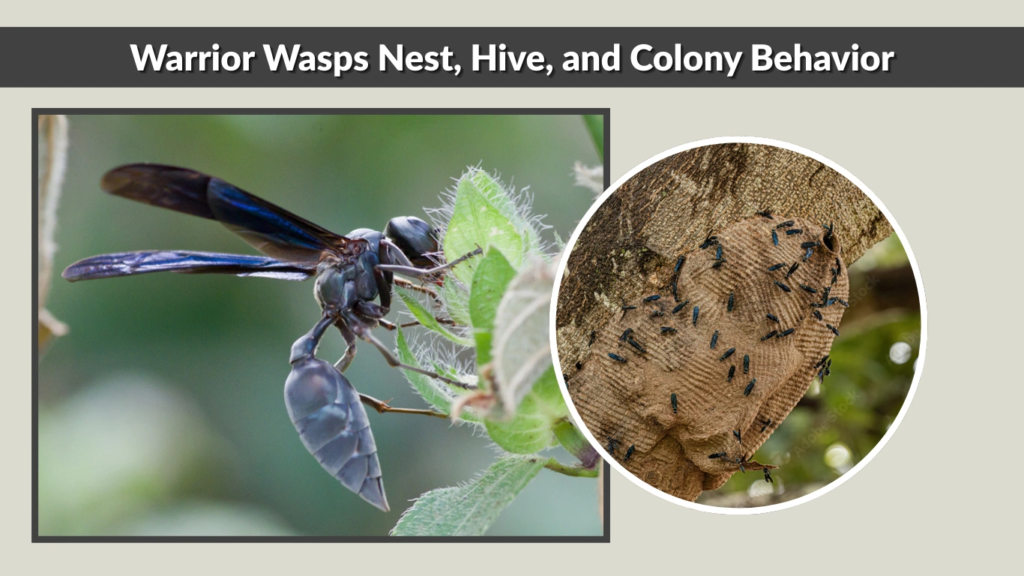
Warrior wasps are highly social and protective of their colonies. Their nest-building and defensive strategies reflect their warrior-like name.
Warrior Wasp Nesting Habits
They construct large paper-like nests, often attached to tree trunks. These nests can house hundreds of individuals, all working together to protect the queen and larvae.
How a Hive Functions
The colony is structured around a division of labor. Worker wasps gather food, defend the nest, and care for the young, while the queen focuses on reproduction. Cooperation is key to their survival.
Social Structure and Queen Role
The queen leads the colony, laying thousands of eggs during her lifetime. Worker wasps ensure her safety, often sacrificing themselves in defense if the nest is threatened.
Warrior Wasp Drumming and Communication

One of the most unique traits of warrior wasps is their ability to produce drumming sounds. This behavior is rarely seen in other wasp species and plays a crucial role in colony defense.
What Is Warrior Wasp Drumming?
Drumming occurs when the wasps beat their wings against the nest, producing a distinct sound. This collective action resembles a rhythmic vibration that resonates through the hive.
Drumming Sounds and Warning Signals
The sound acts as a colony-wide alarm system. When intruders approach, the drumming warns both nest members and potential threats. It signals readiness for a coordinated defense.
Purpose of the Drumming Behavior
Beyond warning, drumming helps synchronize the colony’s behavior. It can encourage defensive swarming and reinforce the unity of the hive when danger is imminent.
Habitat and Distribution

Warrior wasps thrive in warm, tropical climates, where their colonies can flourish year-round. Their range extends across Central and South America, with some sightings further north.
Where Do Warrior Wasps Live?
They typically inhabit rainforests and wooded areas, building nests on tree trunks. The natural environment provides both food and protection from predators.
Warrior Wasp in Costa Rica
Costa Rica is one of the most well-known locations for warrior wasps. Adventurers and scientists often encounter them in the country’s dense rainforests.
Warrior Wasp in Texas and Other Regions
Occasional reports suggest warrior wasps in Texas and nearby areas, though these are often debated or linked to misidentification with similar species. Their primary distribution remains Central America.
Warrior Wasp Range Across the Americas
Their range extends from Mexico down into parts of South America, especially in humid forested regions. Nests are often found close to human trails, making encounters more likely.
Danger and Human Interaction

Warrior wasps pose a significant threat if disturbed, though they are not typically aggressive unless provoked. Still, their sting can make any encounter memorable—and painful.
Can Warrior Wasps Kill You?
While the sting is extremely painful, it is not considered fatal for healthy adults. However, allergic reactions can make it dangerous, and multiple stings from an entire colony could lead to serious medical complications.
How Fast Can a Warrior Wasp Fly?
Warrior wasps are strong and swift fliers. They can pursue perceived threats over short distances, making escape difficult once they are provoked.
Defensive Behavior Against Threats
When their nest is disturbed, warrior wasps respond aggressively. Their coordinated drumming often leads to mass swarming, with dozens of wasps stinging repeatedly.
Prevention and Safety Tips
Avoiding encounters is the best strategy when dealing with warrior wasps. Simple safety measures can reduce risks, especially in areas where they are common.
How to Avoid Warrior Wasp Nests
Stay alert while hiking or exploring rainforests. Look for large, papery nests on trees and avoid getting too close. Making noise can sometimes trigger drumming, which should be taken as a warning to leave immediately.
What to Do If You’re Stung
Remain calm and move away from the nest to avoid additional stings. Apply ice to the affected area to reduce swelling and pain. Over-the-counter antihistamines may help ease itching and discomfort.
When to Seek Medical Help
Seek medical attention if multiple stings occur, if the victim has difficulty breathing, or if signs of an allergic reaction appear. Children and individuals with known insect sting allergies should be especially cautious.
FAQs
What does a warrior wasp look like?
A warrior wasp is a large, glossy black insect with translucent wings. Adults measure 1.5–2 inches long, making them significantly larger than common wasps. They also have a long, sharp stinger.
Where are warrior wasps found?
They are primarily found in Central and South America, with common sightings in Costa Rica, Nicaragua, and parts of Brazil. Their nests are usually attached to trees in forested areas.
How painful is a warrior wasp sting compared to other insects?
The sting ranks extremely high on the Schmidt Sting Pain Index, described as excruciating and burning. While not usually life-threatening, the pain can last up to two hours.
Can warrior wasps be found in the United States?
Reports suggest occasional sightings in southern regions like Texas, though their main distribution remains in Central and South America. Many U.S. cases involve misidentification with hornets or other large wasps.
What is the purpose of the warrior wasp’s drumming sound?
The drumming serves as a defensive warning signal to alert the colony of potential threats. It helps synchronize their collective response, preparing the wasps for a coordinated defense.
