

Texas is home to a wide variety of wasps—some social, others solitary, but all playing important roles in the ecosystem. From the slender paper wasps that build umbrella-shaped nests under your porch to the massive cicada killers that tunnel into your garden, each species has its own nesting habits, behavior patterns, and level of threat to humans.
In this guide, you’ll discover 13 types of wasps commonly found across Texas, how to recognize them, where they live, how dangerous they are, and what role they play in nature.
1. Paper Wasp

Paper wasps are one of the most frequently encountered wasps in Texas. Recognized by their narrow waists, long legs, and reddish-brown or black bodies with yellow stripes, these wasps are commonly seen around homes, gardens, and wooded areas. As native wasps in Texas, they play an important role in pest control and pollination.
Common Nesting Sites in Texas
Paper wasps often build their umbrella-shaped nests in sheltered areas such as under roof eaves, porch ceilings, inside sheds, or under wooden decks. The nests are made from chewed wood fibers mixed with saliva, forming a papery texture.
Natural Habitat Across Texas
They thrive in both urban and rural environments across Texas, including backyards, parks, forests, and fields. Warm temperatures and abundant insect prey make Texas an ideal region for these wasps.
Sting Risk and Aggressiveness
While not naturally aggressive, paper wasps will sting if their nest is disturbed. The sting is sharp and painful and may cause localized swelling or allergic reactions in some people. Caution should be taken near active nests.
Behavior and Role in Ecosystem
Paper wasps are beneficial predators that feed on caterpillars and other soft-bodied insects, helping to control garden pests. They also feed on nectar, making them minor but helpful pollinators. Generally calm when away from their nest, they tend to avoid human contact unless provoked.
2. Yellowjacket Wasp

Yellowjackets are aggressive and fast-flying wasps commonly found throughout Texas. They have a stocky body with bold black and yellow stripes, often mistaken for bees. Unlike other wasps, they are highly territorial and can sting multiple times.
Common Nesting Sites in Texas
Yellowjackets often nest underground in abandoned rodent burrows, wall voids, or inside structures. In urban areas, they may also nest in attics or crawl spaces.
Natural Habitat Across Texas
They are widespread across Texas, especially in areas with dense vegetation, open fields, and suburban neighborhoods. Their presence increases during late summer when food becomes scarce.
Sting Risk and Aggressiveness
Yellowjackets are very aggressive when disturbed. Their sting is painful and can trigger severe allergic reactions. Multiple stings are common since they don’t lose their stinger.
Behavior and Role in Ecosystem
They are scavengers and predators, feeding on sugary substances, meat, and other insects. Though often a nuisance at picnics or trash bins, they help control pest insect populations.
3. Cicada Killer Wasp

Cicada killer wasps are large, solitary wasps that look intimidating but are generally harmless to humans. They’re one of the largest wasps in Texas, with females reaching up to 2 inches in length. Their reddish-brown bodies with yellow bands make them easy to spot.
Common Nesting Sites in Texas
They dig burrows in sandy or loose soil, often in sunny areas like lawns, gardens, playgrounds, or along sidewalks and driveways.
Natural Habitat Across Texas
These wasps are found throughout Texas, especially in dry, open areas with well-drained soil. They prefer places where cicadas are abundant for reproduction.
Sting Risk and Aggressiveness
Despite their size, cicada killer wasps are not aggressive. Females rarely sting unless handled roughly, and males don’t sting at all. Their sting may cause mild pain or swelling.
Behavior and Role in Ecosystem
Females paralyze cicadas to feed their larvae, playing a natural role in controlling cicada populations. They’re solitary and do not defend nests like social wasps, making them less of a threat to people.
4. Mud Dauber
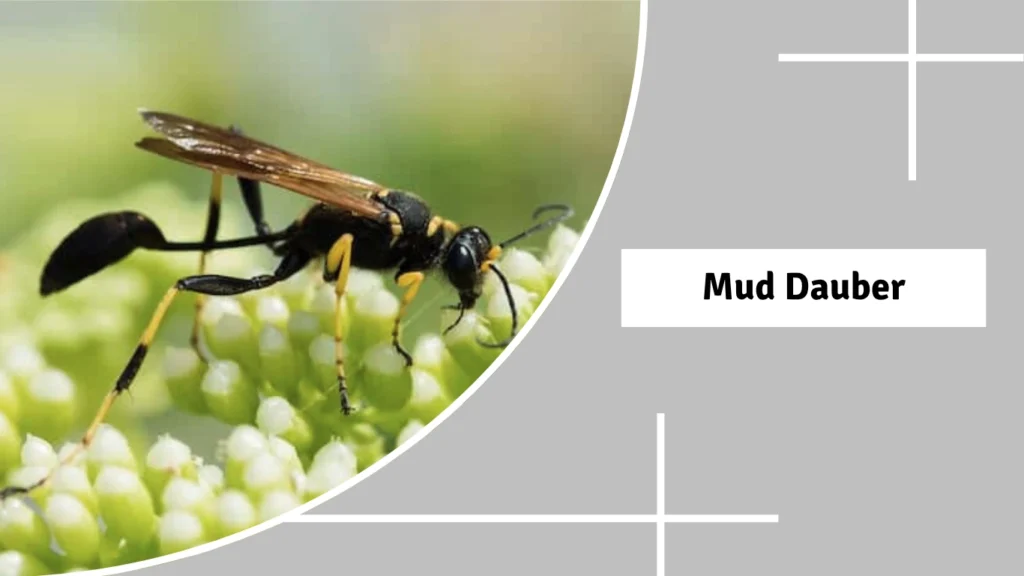
Mud daubers are solitary wasps in Texas known for their long, slender bodies and narrow “waists.” Typically black or metallic blue, some species have yellow markings. They’re harmless to humans and are often seen flying with mud pellets for nest building.
Common Nesting Sites in Texas
They construct tube-shaped mud nests on sheltered surfaces like walls, ceilings, under bridges, and inside barns or garages. These nests often contain multiple sealed chambers for their larvae.
Natural Habitat Across Texas
Mud daubers are found statewide, especially in warm, dry areas with access to mud and insects. They thrive near water sources and buildings.
Sting Risk and Aggressiveness
Mud daubers are non-aggressive and rarely sting, even when disturbed. Their sting is mild and usually not a concern unless provoked directly.
Behavior and Role in Ecosystem
They hunt spiders, including black widows, paralyze them, and store them in nests as food for their young. Mud daubers are excellent for natural pest control and are not defensive like other wasps.
5. Bald-Faced Hornet

Despite the name, bald-faced hornets are a type of yellowjacket wasp. They’re recognizable by their black bodies with white facial markings and are larger than most wasps. In Texas, they’re known for their aggressive nest defense.
Common Nesting Sites in Texas
They build large, football-shaped paper nests in trees, shrubs, or high under building eaves. These nests can house hundreds of workers.
Natural Habitat Across Texas
Bald-faced hornets live in wooded regions, suburban areas, and parks across Texas, especially where tall vegetation provides cover for nesting.
Sting Risk and Aggressiveness
These wasps are highly aggressive when defending their nest. Their sting is painful and delivers venom that can cause swelling, itching, or severe allergic reactions.
Behavior and Role in Ecosystem
Bald-faced hornets are predators of flies, caterpillars, and other insects. They also feed on nectar and sugary liquids. Their defensive nature makes them a threat near human activity, but they help control pest populations.
6. Red Paper Wasp

Red paper wasps are a striking species found across Texas, easily identified by their reddish-brown bodies and black wings. They are closely related to common paper wasps but are more colorful and slightly larger.
Common Nesting Sites in Texas
They build open, umbrella-shaped nests under eaves, in sheds, or on tree branches. Like other paper wasps, they use chewed plant fibers mixed with saliva.
Natural Habitat Across Texas
Red paper wasps thrive in warm climates and are widespread in urban, rural, and wooded areas throughout Texas.
Sting Risk and Aggressiveness
They can deliver a painful sting when threatened or if their nest is disturbed. While generally non-aggressive, they defend their nest vigorously.
Behavior and Role in Ecosystem
These wasps help control caterpillar populations and other garden pests. They’re also minor pollinators as they forage for nectar. Their presence is beneficial unless nests are near human activity.
7. Great Golden Digger Wasp

This large, solitary wasp has a black abdomen with golden-orange wings and a rusty-red thorax. Despite their intimidating size, they’re docile and helpful in pest control.
Common Nesting Sites in Texas
They dig burrows in loose, sandy soil, often in gardens, open fields, or near sidewalks. Nests contain individual chambers where paralyzed prey is stored.
Natural Habitat Across Texas
Found throughout Texas in dry, open areas, they prefer sunny environments with access to soil and insect prey.
Sting Risk and Aggressiveness
Great golden digger wasps are not aggressive and rarely sting. Males cannot sting, and females will only sting if roughly handled.
Behavior and Role in Ecosystem
Females paralyze insects like katydids or grasshoppers and place them in burrows as food for their larvae. They are solitary and avoid confrontation, making them beneficial and non-threatening to humans.
8. Four-Toothed Mason Wasp

This sleek black wasp with white markings on its abdomen is commonly seen across Texas. It resembles a bald-faced hornet in pattern but is smaller and solitary.
Common Nesting Sites in Texas
They use pre-existing cavities like hollow stems, cracks in wood, or holes in brick walls to build nests. They seal each chamber with mud.
Natural Habitat Across Texas
These wasps are widespread in Texas, often seen in gardens, wooded areas, and near homes with abundant flowers and shelter.
Sting Risk and Aggressiveness
Four-toothed mason wasps are non-aggressive and will not sting unless handled. Their sting is mild and rarely causes any serious issues.
Behavior and Role in Ecosystem
They hunt caterpillars and other soft-bodied insects to feed their larvae. Adults also feed on nectar. Their solitary nature and pest-control behavior make them beneficial for gardens and crops.
9. Blue Mud Dauber

The blue mud dauber is a solitary wasp easily recognized by its metallic blue body and slender shape. It’s one of the more visually striking wasps found in Texas and is known for its calm nature and spider-hunting skills.
Common Nesting Sites in Texas
They build nests from mud, often attaching them to walls, under bridges, inside sheds, or in attics. The nests are tubular and may appear in clusters.
Natural Habitat Across Texas
Blue mud daubers are widespread across Texas, especially near buildings, water sources, and gardens where spiders are abundant.
Sting Risk and Aggressiveness
They are very docile and rarely sting. Even when disturbed, they prefer to flee rather than fight. Their sting is mild and uncommon.
Behavior and Role in Ecosystem
Blue mud daubers specialize in hunting black widow spiders, paralyzing them and storing them in their mud nests for their young. This makes them valuable for natural pest control.
10. Potter Wasp

Potter wasps are small, solitary wasps known for building nests that resemble tiny clay pots. Their bodies are usually black with white, yellow, or orange markings. They’re common across many parts of Texas.
Common Nesting Sites in Texas
They construct their pot-like mud nests on twigs, walls, or sheltered surfaces like window sills and porch corners.
Natural Habitat Across Texas
Potter wasps are found throughout Texas, especially in gardens, shrublands, and places with mud and caterpillar populations.
Sting Risk and Aggressiveness
They are very passive and unlikely to sting unless handled roughly. Their sting is mild and not medically significant.
Behavior and Role in Ecosystem
Potter wasps hunt caterpillars, paralyze them, and place them inside their mud pots for larvae to feed on. They also sip nectar, helping with pollination. Their nesting and hunting habits make them highly beneficial insects.
11. Cow Killer Wasp (Velvet Ant)
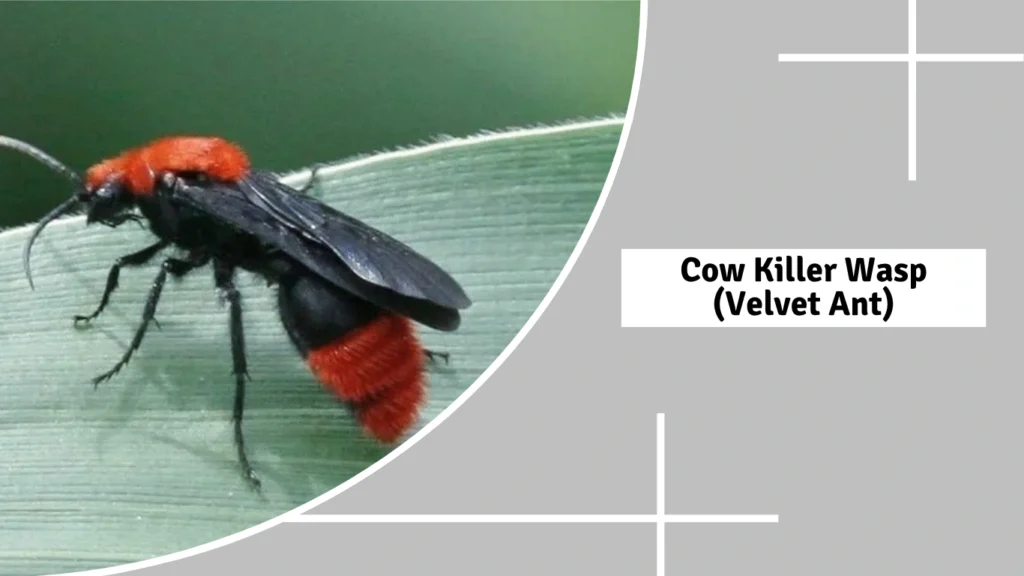
Despite the name, cow killer wasps are actually flightless female velvet ants. They are covered in bright red or orange velvet-like hairs and are known for their extremely painful sting. Males have wings and do not sting.
Common Nesting Sites in Texas
They don’t build their own nests but instead invade the underground nests of ground-nesting bees or wasps to lay their eggs inside.
Natural Habitat Across Texas
Cow killer wasps are commonly found in sandy areas, open fields, pastures, and along hiking trails across Texas. They prefer dry, sunny environments.
Sting Risk and Aggressiveness
Females have a powerful sting—often described as one of the most painful of any insect. However, they are not aggressive and only sting when provoked or stepped on.
Behavior and Role in Ecosystem
They are parasitic in nature, laying eggs in other insects’ nests. Their larvae feed on the host larvae. Despite their painful sting, they play a role in controlling solitary bee and wasp populations.
12. Ichneumon Wasp
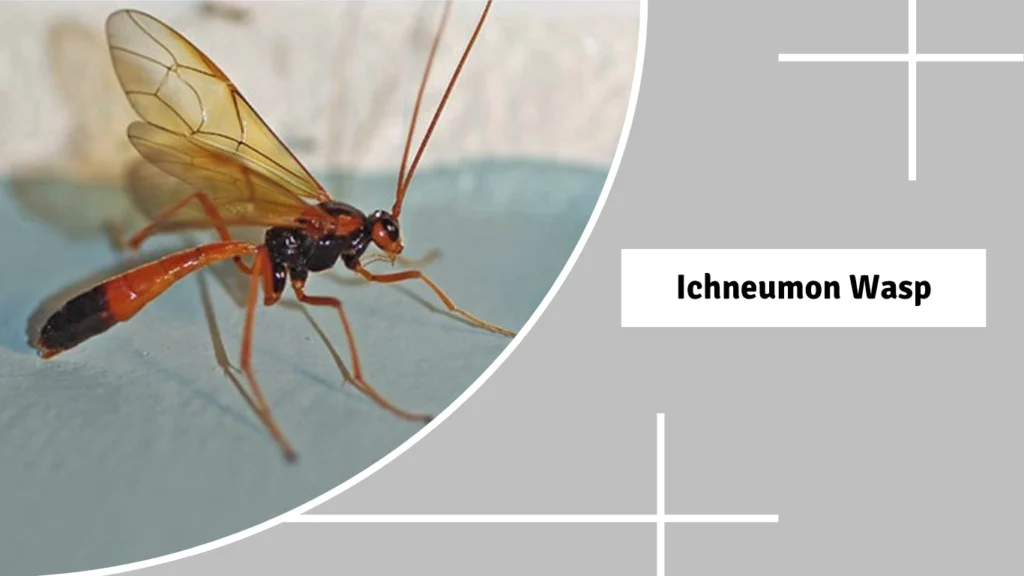
Ichneumon wasps are slender, long-bodied wasps with extremely long ovipositors in females. They vary in color but are often black, brown, or orange with transparent wings. They’re widespread in Texas and completely harmless to humans.
Common Nesting Sites in Texas
They don’t build traditional nests. Instead, females inject their eggs directly into wood, soil, or inside the bodies of insect hosts such as caterpillars or grubs.
Natural Habitat Across Texas
Found in forests, gardens, and meadows throughout Texas, especially where host insects like moths and beetles are present.
Sting Risk and Aggressiveness
Ichneumon wasps do not sting humans. Their long ovipositor may look like a stinger, but it’s used only for laying eggs—not defense.
Behavior and Role in Ecosystem
These wasps are parasitic and help control pest populations by laying eggs inside harmful insects. They’re completely harmless to humans and beneficial to agriculture and gardens.
13. Thread-Waisted Wasp

Thread-waisted wasps are named for their distinctively narrow “waist” connecting the thorax and abdomen. These solitary wasps have black or dark blue bodies, often with red or orange markings. They are commonly found across Texas.
Common Nesting Sites in Texas
They dig burrows in sandy or loose soil, often in gardens, flower beds, or open fields. Some also use pre-existing holes or crevices in wood or brick.
Natural Habitat Across Texas
Thread-waisted wasps are widespread in both urban and rural areas, especially in places with sandy soil and plenty of insect prey. They are frequently seen visiting flowers.
Sting Risk and Aggressiveness
These wasps are not aggressive and rarely sting humans. The sting is mild and used primarily for hunting, not defense.
Behavior and Role in Ecosystem
Thread-waisted wasps are skilled hunters of caterpillars and other soft-bodied insects. They paralyze their prey and place it in underground burrows for their larvae. They also pollinate flowers while feeding on nectar, making them beneficial in gardens.
