

Discovering tiny red bugs that bite can be an unsettling experience. These minute pests are often chiggers, red harvest mites, or biting midges, and their bites can cause severe itching, swelling, and irritation. They thrive in warm, humid areas such as grassy yards, gardens, or wooded trails. Identifying what they are, how they behave, and how to protect yourself can help you avoid painful and itchy encounters.
Identification

Common Types of Tiny Red Bugs That Bite
Chiggers (Trombiculid Mites):
The most common biting red bugs, chiggers are microscopic larvae found in tall grass, shrubs, and damp soil. They don’t drink blood but inject saliva into the skin, breaking it down and feeding on the liquefied tissue. This causes itchy, red welts that can last for days.
Red Harvest Mites:
Closely related to chiggers, these mites also appear bright red and are slightly larger. Their larvae feed on humans and animals, leaving behind small itchy spots. They are more active in late summer and early fall.
Biting Midges (No-See-Ums):
Tiny flying insects that are barely visible to the naked eye. They bite humans and animals, leaving painful red bumps similar to mosquito bites. They are most active near water or during humid weather.
Fleas or Mite-Like Parasites:
Some red-tinged flea species can also bite humans, especially in homes with pets. They jump rather than crawl and leave behind small, scattered bites on ankles or lower legs.
Physical Characteristics
Tiny red bugs that bite are extremely small, often 0.2 to 0.4 millimeters long. Most species have:
- A bright red or reddish-orange body.
- Oval shape with short legs.
- Fast movement, either crawling or flying.
- Visibility only when clustered together or on light surfaces.
They are most noticeable when they gather on skin, clothing, or grass. Chiggers and mites usually crawl rather than jump, while biting midges and fleas are capable of flight or short hops.
Where They Are Found
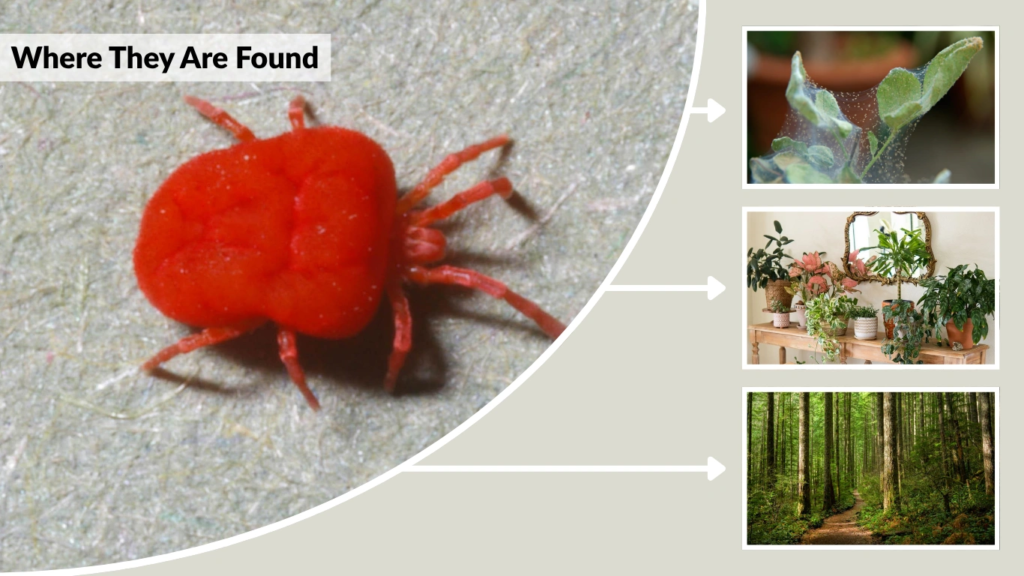
Outdoor Habitats
These tiny red pests thrive in grassy fields, parks, gardens, and wooded areas. Chiggers live on low plants and attach to any passing host, while biting midges breed in moist soil and near standing water. They are most active during warm months, especially in spring and summer when humidity levels are high.
People who spend time hiking, gardening, or sitting on the grass are more likely to encounter them. Chiggers prefer shaded, damp environments, while midges and fleas often appear in coastal or riverbank regions.
Indoor Infestations
While rare, red mites or fleas can be carried indoors by pets, potted plants, or clothing. Once inside, they may hide in carpets, bedding, or cracks near windows. Chiggers rarely survive indoors, but their bites can still occur after exposure outside.
Warm, moist indoor environments make it easier for fleas or mites to persist. Frequent cleaning and good ventilation can reduce their survival chances significantly.
Behavior and Biting Habits

How They Bite
Unlike mosquitoes or bed bugs that drink blood, chiggers use a different feeding method. They inject digestive enzymes into the skin, which dissolve tissue so they can consume it. The irritation comes from this reaction, not from the bug remaining in your skin.
Biting midges and fleas, however, pierce the skin to draw blood. Their bites can feel like pinpricks, followed by immediate itching or burning.
When and Where They Bite
These bugs tend to bite during early morning and late afternoon, when temperatures and humidity are ideal.
- Chiggers: Commonly bite around tight clothing areas—ankles, waist, armpits, or behind knees.
- Biting midges: Often target exposed skin like arms, neck, and legs.
- Fleas: Prefer the ankles and lower legs.
Most bites occur after outdoor activities such as gardening, picnicking, or walking through tall grass without protection.
Symptoms of Tiny Red Bug Bites
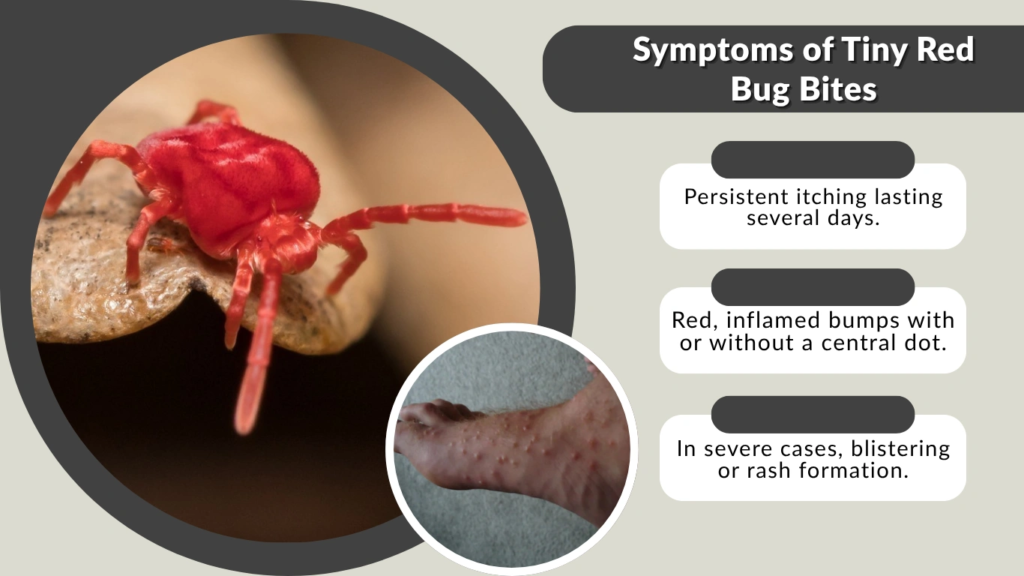
What the Bites Look Like
Tiny red bug bites are typically clusters of small red bumps or dots, sometimes forming a rash-like pattern. Each bite may have a central red spot or slightly raised blister. The area around the bite can become swollen, warm, and intensely itchy.
Common Reactions
- Persistent itching lasting several days.
- Red, inflamed bumps with or without a central dot.
- In severe cases, blistering or rash formation.
- Scratching may lead to skin infections or scarring.
Most bites are not dangerous but can be extremely uncomfortable. Individuals with sensitive skin or allergies may experience more pronounced swelling and irritation.
Treatment and Relief
Once bitten by tiny red bugs like chiggers or biting midges, prompt treatment helps relieve itching and prevent infection. The goal is to reduce inflammation and irritation while helping the skin heal naturally.
Home Remedies
Cold Compress: Applying a cool, damp cloth or ice pack to the affected area can reduce swelling and numb the itching sensation. Do this for 10–15 minutes several times a day.
Oatmeal Bath: Soaking in a lukewarm bath mixed with colloidal oatmeal soothes irritation and restores moisture to the skin. It’s particularly effective for widespread bites.
Calamine Lotion or Aloe Vera: Both calm inflamed skin and reduce redness. Aloe vera also has antibacterial properties that prevent infection.
Baking Soda Paste: Mix baking soda with a little water to create a paste and apply it to the bites for instant itch relief.
Hydrocortisone Cream: Over-the-counter creams help reduce swelling, redness, and itching when applied two to three times daily.
Medical Attention
Most tiny red bug bites heal within a few days, but you should consult a doctor if:
- The area becomes painful, swollen, or pus-filled.
- You develop a fever or body rash.
- The itching is severe and persistent beyond a week.
Doctors may prescribe antihistamines, corticosteroid creams, or antibiotics in cases of secondary infections or allergic reactions.
How to Get Rid of Tiny Red Bugs

Outdoor Control
Tiny red bugs like chiggers and harvest mites are mostly outdoor pests, so keeping your surroundings tidy is crucial.
- Trim grass and weeds regularly to remove their natural hiding spots.
- Avoid sitting directly on the ground in grassy areas.
- Apply pesticide sprays containing permethrin or pyrethrin around yards, patios, and fences.
- Use sulfur-based repellents in gardens—these are highly effective against chiggers and mites.
- Keep the yard dry, since high humidity attracts these pests.
Indoor Prevention
Although chiggers rarely survive indoors, mites or fleas can linger on fabrics, bedding, or pets.
- Wash bedding and clothes in hot water after outdoor activities.
- Vacuum carpets and upholstery frequently to remove hidden pests and eggs.
- Use diatomaceous earth along baseboards or window sills—it dehydrates and kills mites naturally.
- Seal any cracks or gaps around doors and windows where bugs may enter.
If the problem persists, professional pest control services can perform targeted treatments around your home and garden.
Prevention Tips
Preventing bites starts with good habits and protective measures outdoors.
- Wear long sleeves and pants when hiking or gardening.
- Apply insect repellent containing DEET, picaridin, or oil of lemon eucalyptus to skin and clothing.
- Shower immediately after outdoor exposure to remove any mites before they attach.
- Keep lawns and bushes trimmed short to reduce their habitat.
- For pet owners, use vet-approved flea and mite preventatives regularly.
Consistent prevention keeps both humans and animals safe from these irritating pests year-round.
FAQs
What are the tiny red bugs that bite humans?
They are most often chiggers or harvest mites, which bite during their larval stage. Some flying insects like biting midges may also appear red. All of them can cause itchy red bumps or welts that last for several days.
How can I identify a chigger bite?
Chigger bites usually appear as clusters of small, red, itchy bumps around the waist, ankles, or behind the knees. They can resemble mosquito bites but tend to be more intense and longer-lasting.
Do tiny red bugs live in beds?
Chiggers and harvest mites rarely survive indoors, but flea-like mites may infest bedding or carpets if pets bring them in. Washing sheets and vacuuming thoroughly helps eliminate them.
How do I treat tiny red bug bites naturally?
Use calamine lotion, aloe vera gel, or oatmeal baths to relieve itching. Avoid scratching, as this may lead to infection. Hydrocortisone cream can also help soothe inflammation.
How can I prevent tiny red bug bites outdoors?
Wear protective clothing, use insect repellent, and avoid tall grass or brushy areas. Keeping your yard trimmed and applying sulfur or permethrin repellents are effective long-term preventive measures.
