

A sting from a paper wasp can be an alarming and painful experience. These insects are known for their aggressive defense of their nests and the sharp, burning sensation their venom causes. While most stings are not life-threatening, they can lead to swelling, discomfort, and, in some cases, serious allergic reactions. Acting quickly and correctly after a sting can make a big difference in how fast you recover and whether complications arise. In this guide, we’ll walk you through the immediate steps to take, how to manage pain and swelling, when to seek medical attention, and how to prevent future encounters.
Understanding Paper Wasp Stings

Paper wasps are slender-bodied wasps with long legs and narrow waists, often seen building umbrella-shaped nests in sheltered spots. Their stings are meant to defend their colony, delivering venom that causes pain, redness, and swelling. While one sting may be manageable for most people, multiple stings or allergic reactions can be dangerous. Knowing how their sting works helps you respond effectively.
Identifying a Paper Wasp
- Appearance: Slim, elongated body, often brown with yellow or reddish markings
- Nests: Open, umbrella-shaped, with visible cells
- Behavior: Less aggressive than hornets but will sting to protect their nest
Why Paper Wasp Stings Hurt
Paper wasp venom contains a mix of toxins that affect nerve endings and cause immediate burning pain. The venom also triggers the body’s immune response, leading to swelling, redness, and itching.
Difference Between Paper Wasp and Bee Stings
Unlike honeybees, paper wasps can sting multiple times because they don’t lose their stinger after stinging. This means one wasp can deliver several stings in quick succession if it feels threatened.
Immediate Steps After a Paper Wasp Sting

Quick action limits venom effects, reduces pain and swelling, and helps you spot any dangerous reactions early. Follow these steps in order and move to the next one as soon as the previous is done.
Step 1: Leave the Area
Move calmly away from where you were stung—especially if you see a nest or multiple wasps. Avoid swatting; quick, jerky movements can trigger more stings. Put at least 15–20 meters between you and the nest.
Step 2: Remove Tight Items Near the Sting
Take off rings, watches, bracelets, or snug clothing around the site before swelling starts. This prevents circulation problems as the area puffs up.
Step 3: Check for a Stinger (and Debris)
Paper wasps usually do not leave a stinger behind, but look closely. If you see a black dot or embedded piece, gently scrape it off with the edge of a card or your fingernail—don’t pinch with tweezers, which can squeeze more venom in.
Step 4: Wash the Area Thoroughly
Clean the sting site with soap and cool water for 30–60 seconds. This lowers infection risk and removes surface venom. Pat dry; don’t rub, which can worsen irritation.
Step 5: Apply a Cold Compress
Wrap ice in a cloth and place it on the sting for 10 minutes, then off for 10 minutes. Repeat for the first hour as needed. Cold reduces pain and slows swelling.
Step 6: Elevate if on a Limb
If the sting is on a hand, arm, foot, or leg, keep it raised above heart level for 20–30 minutes. Elevation helps fluid drain and limits puffiness.
Step 7: Control Pain and Itch
Use over-the-counter pain relievers and antihistamines as directed on the label. A thin layer of 1% hydrocortisone or calamine can ease itch; a baking-soda–and-water paste may offer short-term relief. Avoid scratching to prevent infection.
Step 8: Watch for Red Flags
For the next 30–60 minutes, monitor for hives beyond the sting, swelling of lips/tongue, hoarseness, wheezing, dizziness, vomiting, or fainting. If any appear, use an epinephrine auto-injector if prescribed and seek emergency care immediately.
Step 9: Seek Medical Advice When Needed
Contact a clinician if pain or swelling is severe, you received many stings, the sting is on the face/neck/mouth, symptoms worsen after 24 hours, or you notice signs of infection such as spreading redness, warmth, pus, or fever.
Managing Pain and Swelling at Home
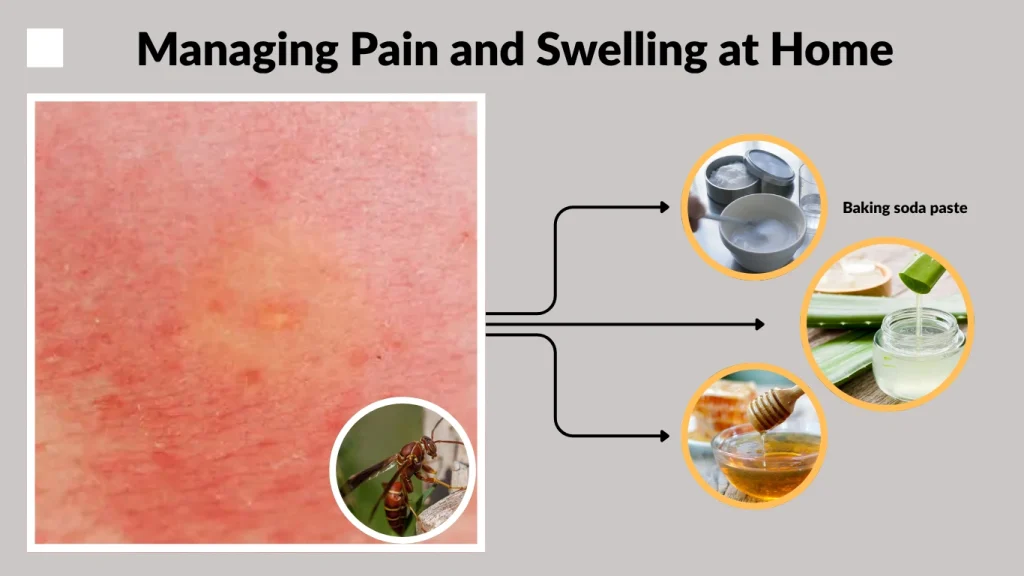
After taking immediate first aid steps, you can continue treating the sting site at home to reduce discomfort and speed recovery. These methods are usually effective for mild to moderate reactions that don’t require medical intervention.
Over-the-Counter Pain Relief
Non-prescription pain relievers like ibuprofen or acetaminophen can help manage the throbbing pain that sometimes lingers after a paper wasp sting. Follow the dosing instructions on the packaging and avoid exceeding the recommended amount.
Anti-Itch and Anti-Inflammatory Creams
A thin layer of 1% hydrocortisone cream or calamine lotion can help calm itching and redness. Apply to clean, dry skin up to three times daily. For extra relief, you can store these creams in the fridge to provide a cooling effect when applied.
Natural Home Remedies
Some people find relief using simple kitchen or garden remedies:
- Baking soda paste: Mix baking soda with a few drops of water and apply for 10–15 minutes to neutralize some venom effects.
- Aloe vera gel: Fresh aloe from the plant or store-bought pure gel can soothe skin and reduce inflammation.
- Honey: Has natural antibacterial properties and can help with mild itching (avoid if allergic).
Stay Hydrated and Rest
Your body will heal faster if you stay hydrated and avoid strenuous activities that might increase blood flow to the sting site, which could worsen swelling.
Watch for Allergic Reactions (Anaphylaxis)
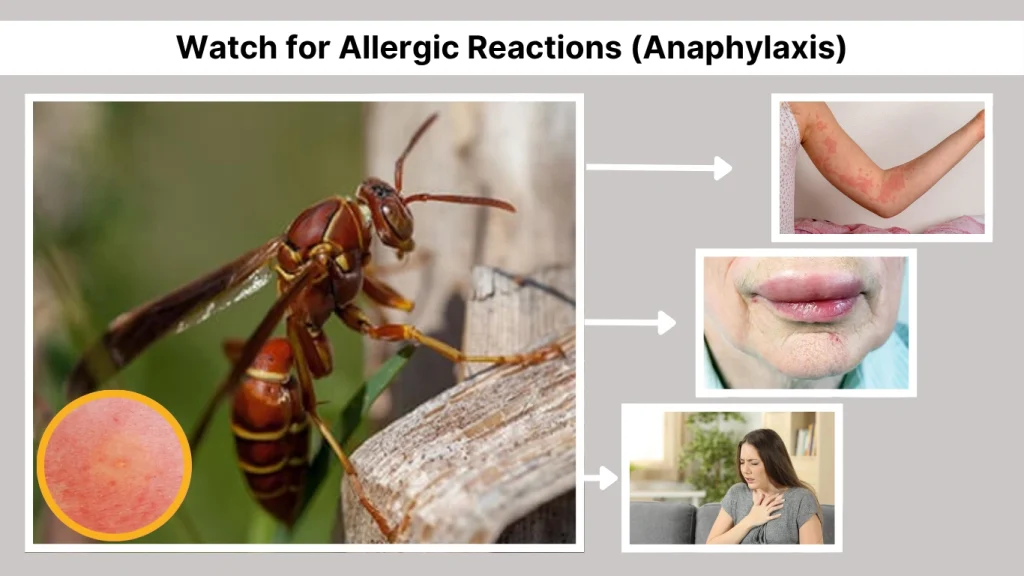
While most paper wasp stings cause only local pain and swelling, some people may develop a severe allergic reaction called anaphylaxis. This reaction can be life-threatening and requires immediate medical attention. Knowing the warning signs is critical.
Common Allergic Symptoms
- Hives or Widespread Rash: Itchy, red, raised bumps spreading beyond the sting site.
- Swelling of Lips, Tongue, or Throat: Can lead to difficulty swallowing or speaking.
- Breathing Problems: Wheezing, shortness of breath, or tightness in the chest.
- Dizziness or Lightheadedness: May be a sign of a drop in blood pressure.
- Nausea, Vomiting, or Diarrhea: Sometimes accompanies other symptoms.
What to Do in Case of Severe Reaction
- Call Emergency Services Immediately: Dial your local emergency number (such as 999, 911, or 112).
- Use an Epinephrine Auto-Injector if Available: If you have a prescribed EpiPen or similar device, use it as directed right away.
- Lie Down with Legs Elevated: Helps maintain blood flow to vital organs unless breathing is easier sitting up.
- Do Not Wait for Symptoms to Improve on Their Own: Anaphylaxis can progress quickly and may require more than one dose of epinephrine before help arrives.
When to Seek Medical Help
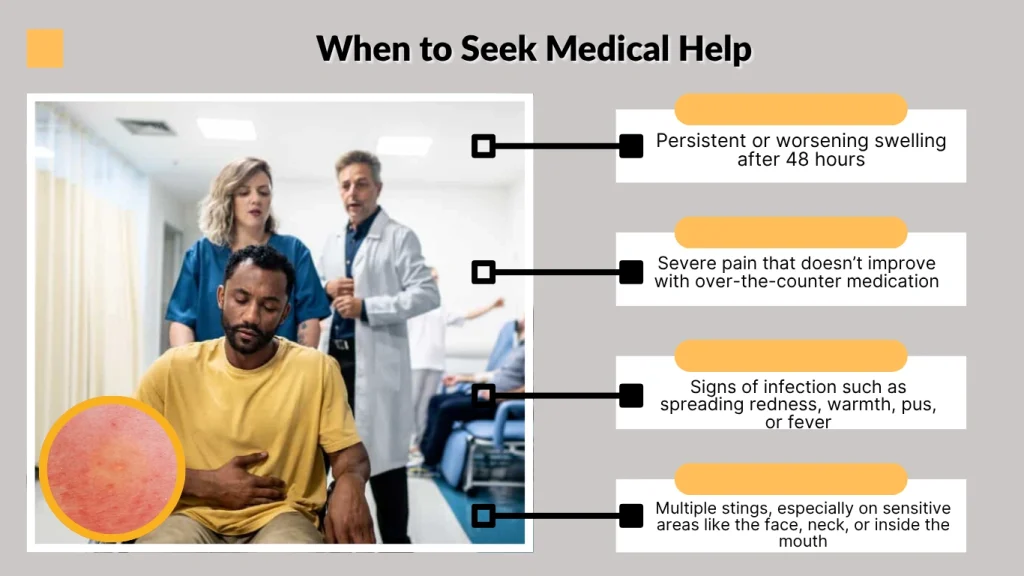
Not every paper wasp sting needs a hospital visit, but some situations require medical attention even if symptoms aren’t life-threatening. Knowing when to seek help can prevent complications.
Situations That Need a Doctor’s Evaluation
- Persistent or worsening swelling after 48 hours
- Severe pain that doesn’t improve with over-the-counter medication
- Signs of infection such as spreading redness, warmth, pus, or fever
- Multiple stings, especially on sensitive areas like the face, neck, or inside the mouth
- Stings in people with known insect venom allergies, even if initial reaction seems mild
Special Considerations for Children and Elderly
Children and older adults can react more strongly to paper wasp stings due to smaller body size or weakened immune systems. Their symptoms may escalate faster, so extra caution is needed.
Why They’re at Higher Risk
- Children may not communicate discomfort clearly, delaying treatment
- Older adults may have underlying conditions that worsen reactions
- Both groups may be more prone to infections at the sting site
Recommended Actions
- Monitor closely for at least two hours after the sting
- Seek medical advice promptly for any unusual swelling, rash, or breathing changes
- Keep antihistamines on hand if approved by a doctor for rapid relief
How to Prevent Future Paper Wasp Stings
Avoiding stings altogether is the best approach. Understanding wasp behavior and making small changes in your outdoor habits can significantly reduce the risk.
Avoiding Nest Areas
- Learn to recognize paper wasp nests: umbrella-shaped with exposed hexagonal cells
- Keep a safe distance; don’t attempt removal unless trained—call pest control
Wearing Protective Clothing
- Use long sleeves, gloves, and closed-toe shoes during gardening or yard work
- Light, neutral colors are less attractive to wasps compared to bright colors or floral patterns
Avoiding Attractants
- Keep food and drinks covered when outside
- Dispose of trash promptly and use sealed bins
- Avoid wearing strong perfumes or scented lotions outdoors
FAQs
How long does swelling from a paper wasp sting last?
Mild swelling typically lasts 1–3 days, but in some cases, it can persist for up to a week. Using ice packs and anti-inflammatory medication can help speed recovery.
Can you be stung more than once by the same wasp?
Yes. Unlike honeybees, paper wasps do not lose their stinger, allowing them to sting multiple times in a single encounter.
Are paper wasp stings more dangerous than bee stings
For most people, the level of danger is similar, though paper wasps can deliver multiple stings and tend to inject more venom per sting, which can make them more painful.
Do paper wasps die after stinging?
No. Paper wasps survive after stinging, which means they can sting again if provoked.
Should you squeeze the sting site to remove venom?
No. Squeezing can push venom deeper into the tissue, increasing pain and swelling. Instead, clean the site and use recommended treatments.
