
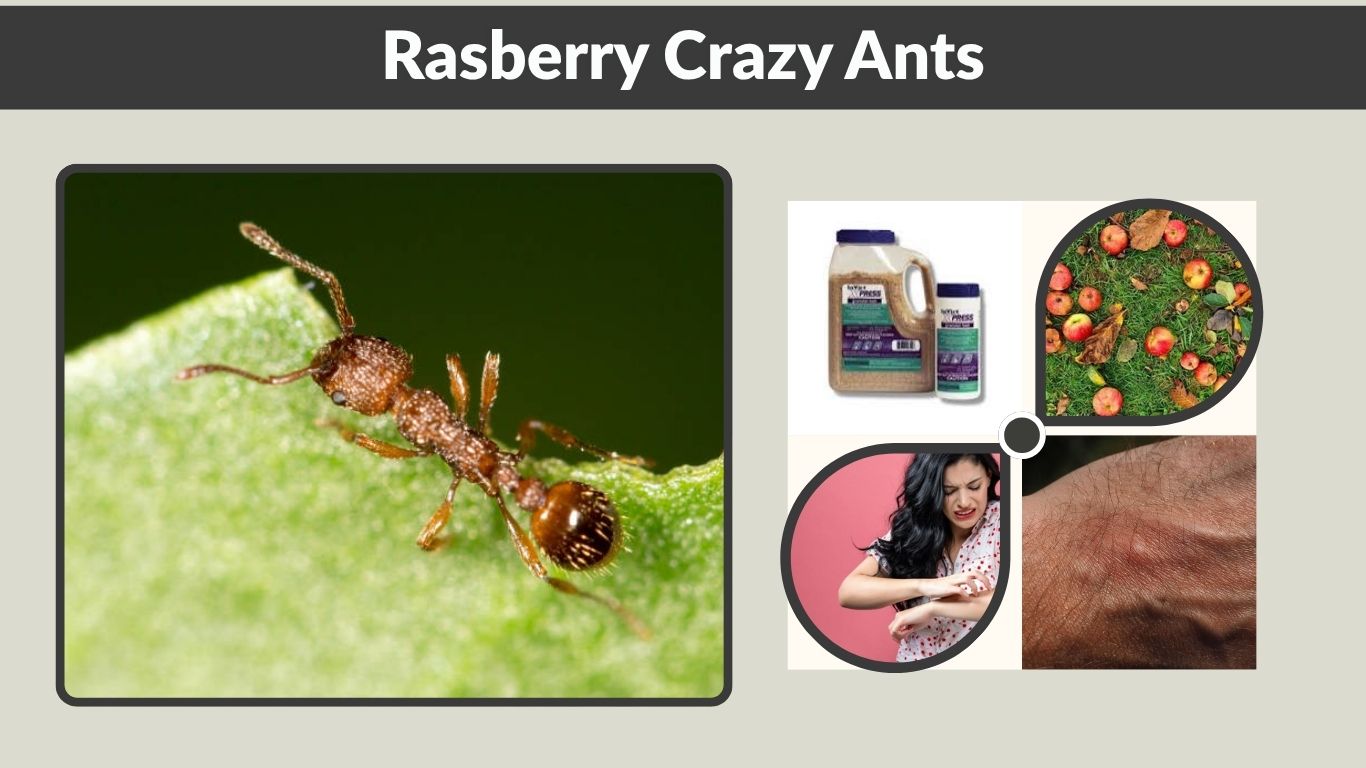
Rasberry crazy ants are invasive ants known for their fast, erratic movement, huge colony numbers, and frustrating habit of invading homes, yards, vehicles, and electrical equipment. Although the name “Rasberry crazy ant” is still widely searched, this species is now more commonly called the tawny crazy ant. Its scientific name is Nylanderia fulva, and it has become a serious nuisance pest in parts of the southern United States.
What Are Rasberry Crazy Ants?
Rasberry crazy ants are small, reddish-brown invasive ants that became widely known in Texas after pest professional Tom Rasberry noticed their spread near Houston. The name “crazy ant” comes from the way they move. Instead of marching in neat, predictable lines, they run quickly in scattered and irregular patterns.
Today, the accepted common name is usually tawny crazy ant, but many homeowners, pest control companies, and online searches still use “Rasberry crazy ant.” Both names commonly refer to the same invasive ant, Nylanderia fulva.
These ants are not just a normal household nuisance. In heavy infestations, they can cover outdoor surfaces, invade buildings, get into cars, damage electrical equipment, and make yards difficult to enjoy. They can also displace other ant species, including fire ants in some areas.
Rasberry Crazy Ant Scientific Name
The scientific name of the Rasberry crazy ant is Nylanderia fulva. Earlier reports sometimes used different names or compared it with related species, which created confusion. That is one reason people still see both “Rasberry crazy ant” and “tawny crazy ant” in search results.
This naming issue matters because correct identification affects control. A treatment plan for fire ants, Argentine ants, odorous house ants, or black crazy ants may not work well for Rasberry crazy ants. If you are dealing with a large infestation, a pest professional or local extension office can help confirm the species.
Rasberry Crazy Ant Characteristics
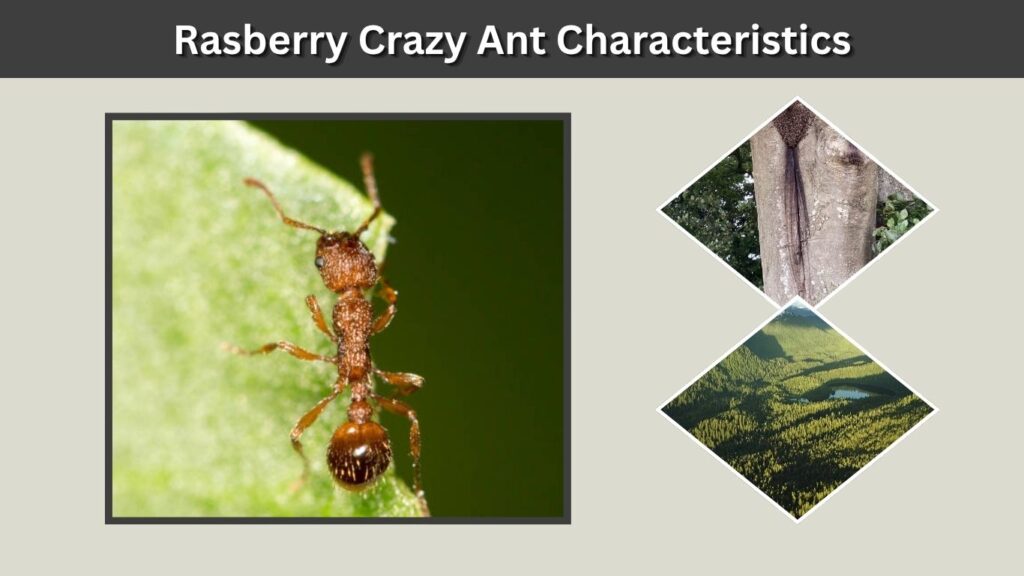
Rasberry crazy ants are small, quick, and difficult to track. They do not usually build obvious mounds like fire ants. Instead, they nest in hidden, protected areas and forage across wide spaces.
Common Identification Signs
Look for these features:
- Tawny, reddish-brown, or light brown color
- Fast, erratic, “crazy” movement
- Long legs and antennae
- Small workers of similar size
- Large numbers of ants on outdoor surfaces
- Trails around foundations, mulch, trees, and structures
- Activity around electrical boxes, cars, and equipment
- No obvious fire-ant-style mound
Because they move so quickly and appear in huge numbers, homeowners often notice the behavior before they notice the body details.
Where Do Rasberry Crazy Ants Live?
Rasberry crazy ants are strongly associated with warm, humid climates. In the United States, they are most often discussed in relation to Texas and other Gulf Coast states. Texas A&M reports that this invasive ant was first found around Houston, Texas, in 2002 and has spread largely with human assistance.
Common Outdoor Habitats
They may nest in:
- Mulch beds
- Leaf litter
- Soil near foundations
- Potted plants
- Compost areas
- Rotten wood
- Under rocks, boards, and debris
- Around irrigation systems
- Tree bases and landscape borders
Common Indoor or Structural Areas
They may also enter:
- Wall voids
- Garages
- Kitchens
- Bathrooms
- Sheds
- Vehicles
- Electrical boxes
- Air-conditioning units
- Pumps and outdoor equipment
Their flexible nesting habits make them harder to eliminate. You may kill the ants you see, but hidden colonies can continue producing workers.
Rasberry Crazy Ants in Texas
Texas is one of the most important states in the Rasberry crazy ant story. The ant became publicly known after it was reported near Houston in Harris County in 2002. From there, infestations spread through human movement of soil, nursery stock, mulch, equipment, and other materials.
In Texas, Rasberry crazy ants are especially problematic because they can form dense populations around neighborhoods, wooded lots, farms, and commercial properties. In some areas, they have displaced fire ants, but that does not mean they are easier to live with. Instead of visible fire ant mounds, property owners may deal with sheets of fast-moving ants across patios, lawns, and structures.
Are Rasberry Crazy Ants in Florida and Georgia?
Rasberry crazy ants, now more commonly called tawny crazy ants, have been reported across parts of the Gulf Coast and southeastern United States. UF/IFAS identifies tawny crazy ant as Nylanderia fulva and provides specific guidance for Florida management. Texas A&M also lists spread into several Gulf Coast states. Because other small ants look similar, local identification is important before treatment.
In places such as Florida, Georgia, Alabama, Mississippi, and Louisiana, homeowners may confuse Rasberry crazy ants with fire ants, Argentine ants, ghost ants, or other nuisance ants. A careful inspection helps avoid wasted treatment.
Do Rasberry Crazy Ants Bite?

Yes, Rasberry crazy ants can bite, but they do not sting like fire ants. Their bite is usually mild and not medically serious for most people. The bigger issue is their large population size and the discomfort of having thousands of ants crawling across outdoor or indoor spaces.
People with sensitive skin may experience irritation. Pets and children may also be bothered if ants get into feeding areas, bedding, or play spaces. If a bite causes unusual swelling, infection, or an allergic reaction, medical advice is recommended.
Rasberry Crazy Ants vs Fire Ants
Rasberry crazy ants and fire ants are both invasive pests, but they behave very differently. Fire ants are more dangerous because they sting. Rasberry crazy ants are usually more of a nuisance because they can appear in overwhelming numbers and invade equipment.
| Feature | Rasberry Crazy Ants | Fire Ants |
|---|---|---|
| Scientific Name | Nylanderia fulva | Solenopsis invicta |
| Common Color | Tawny to reddish-brown | Reddish-brown to dark red |
| Movement | Fast and erratic | More direct and aggressive |
| Sting | No sting | Painful sting |
| Bite | Mild bite possible | Bite and sting |
| Nest | Hidden, scattered nests | Visible soil mounds |
| Main Problem | Huge numbers and electronics | Painful stings and mounds |
One reason Rasberry crazy ants are successful is that they can compete with fire ants. Research has shown that tawny crazy ants can use formic acid behavior in interactions with fire ants, helping them survive conflicts with another aggressive invasive species.
Why Are Rasberry Crazy Ants a Problem?
Rasberry crazy ants are a problem because they spread quickly, form large colonies, and invade places where people live and work. They are not limited to lawns. They may enter homes, sheds, electrical systems, cars, and outdoor machinery.
Major Problems They Cause
Rasberry crazy ants may:
- Invade homes and kitchens
- Crawl into electrical equipment
- Damage wiring or cause short circuits
- Swarm pet food and trash areas
- Make patios and yards unpleasant
- Displace native ants and insects
- Protect honeydew-producing plant pests
- Spread through landscaping materials
Their huge numbers make them especially difficult to tolerate. Even if they are not medically dangerous, they can make daily outdoor activities uncomfortable.
Rasberry Crazy Ants and Electronics
One of the most searched topics is “Rasberry crazy ants electronics.” These ants are well known for entering electrical boxes, outlets, computers, pumps, air-conditioning units, and vehicles. They may be attracted to warm, protected spaces, and once inside, large numbers of ants can cause equipment failure.
When ants are crushed or shocked inside electrical components, they may release chemical signals that attract more ants. This can lead to a buildup of dead and living ants inside the device, increasing the risk of short circuits or malfunction.
What to Do Around Electrical Equipment
If ants are inside electrical areas:
- Do not spray liquid insecticide into wiring or panels
- Turn off power if there is a safety risk
- Keep vegetation and debris away from equipment
- Use outdoor baiting around the infestation zone
- Seal gaps where possible
- Contact a pest professional for heavy activity
- Call an electrician if equipment is damaged
Electrical infestations should be handled carefully because improper treatment can create fire, shock, or equipment-damage risks.
What Do Rasberry Crazy Ants Eat?
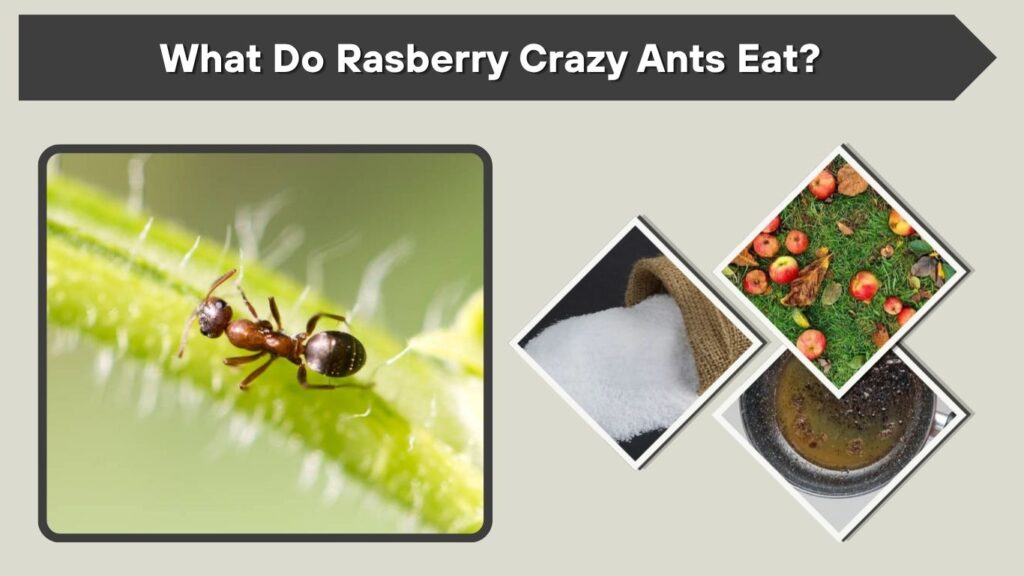
Rasberry crazy ants are opportunistic feeders. They eat many different foods, which helps them survive around homes, gardens, farms, and commercial areas.
Common Food Sources
They may feed on:
- Sugary spills
- Fruit and fallen produce
- Grease and food scraps
- Dead insects
- Small live insects
- Pet food
- Trash residues
- Honeydew from aphids, scale insects, and mealybugs
Honeydew is especially important. Rasberry crazy ants may protect sap-feeding insects because those insects produce sugary honeydew. This can increase plant pest problems in landscapes and gardens.
Rasberry Crazy Ant Queen and Colony Behavior
Rasberry crazy ant colonies can be difficult to control because they may contain multiple queens and many connected nesting sites. Instead of one central mound, the colony may spread through mulch, soil, debris, plants, and structural gaps.
Workers can forage far from the nest. This means the ants you see in the kitchen, garage, or car may not be nesting exactly where you find them. Killing visible workers may provide temporary relief, but hidden queens and brood can keep the infestation alive.
This is why baiting and follow-up treatment are usually more effective than simply spraying trails.
How to Get Rid of Rasberry Crazy Ants
Getting rid of Rasberry crazy ants requires an integrated approach. UF/IFAS notes that tawny crazy ants cannot be controlled by spraying alone. A successful plan usually combines inspection, sanitation, habitat reduction, exclusion, baiting, and professional treatment when infestations are large.
Step-by-Step Control Plan
Start with these actions:
- Confirm the ant species
- Remove food scraps and sugary spills
- Store pet food and pantry goods securely
- Fix leaks and reduce moisture
- Clean around trash cans and outdoor feeding areas
- Remove leaf litter, mulch buildup, logs, and debris
- Trim branches and vegetation touching buildings
- Seal cracks, gaps, and utility entry points
- Use labeled ant baits near active trails
- Avoid spraying directly over bait
Baits can be useful because workers carry the active ingredient back toward the colony. However, Rasberry crazy ants may be picky, and their food preferences can change. Some baits may work better at certain times than others.
Rasberry Crazy Ant Treatment Options
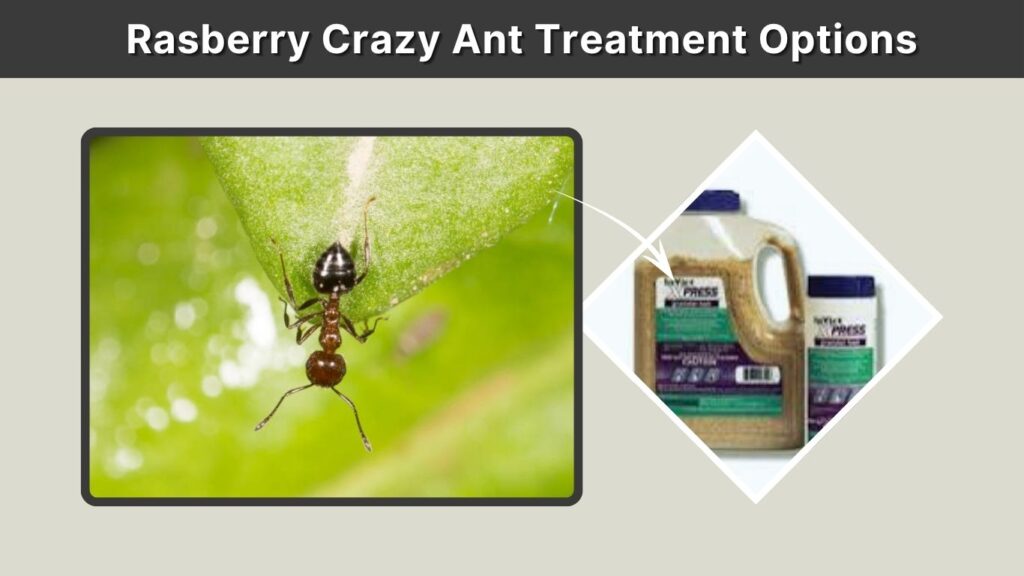
People often search for products to kill Rasberry crazy ants, including professional baits and sprays. Product choice depends on the property, infestation size, label restrictions, and whether the ants are indoors, outdoors, or in equipment.
For small infestations, baiting and habitat cleanup may reduce activity. For large outdoor infestations, a licensed pest control professional is often the better option. These ants can spread across multiple yards or wooded areas, making one-time homeowner treatment less effective.
Does Boric Acid Kill Rasberry Crazy Ants?
Boric acid can kill ants when used correctly in bait, but it is not always the best standalone solution for Rasberry crazy ants. If the concentration is too strong, ants may avoid it or die before sharing it with the colony. If it is too weak, it may not reduce the infestation.
Use only labeled products and follow directions carefully. Homemade mixtures can be inconsistent and may create risks for children, pets, and non-target insects.
Rasberry Crazy Ant Predators and Biological Control
Natural predators such as spiders, beetles, birds, lizards, and other insects may eat some Rasberry crazy ants. However, predators rarely control large infestations around homes.
Researchers have also studied biological control. One known microsporidian parasite, Myrmecomorba nylanderiae, has been investigated because it affects tawny crazy ants. USDA and university researchers have explored this area because long-term control may require tools beyond standard insecticides.
For homeowners, biological control is not a do-it-yourself treatment. Do not move infected ants or attempt to spread pathogens. Use approved pest management methods and follow local guidance.
How Long Do Rasberry Crazy Ants Live?
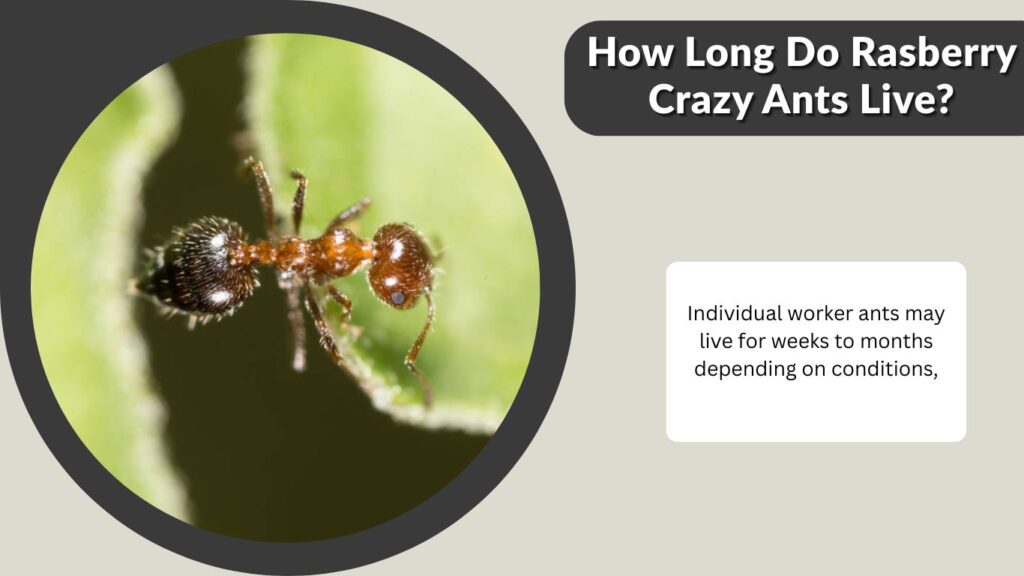
Individual worker ants may live for weeks to months depending on conditions, while queens can live longer and continue producing new workers. The exact lifespan varies by environment, food, temperature, colony health, and treatment pressure.
For property owners, colony persistence matters more than individual lifespan. Even if many workers die, the infestation can continue if queens, brood, and hidden nests survive.
How to Prevent Rasberry Crazy Ants
Prevention is easier than control. These ants often spread through human movement of infested materials.
Prevention Tips
To reduce the risk:
- Inspect potted plants before moving them
- Avoid transporting infested mulch, soil, or compost
- Clean equipment, trailers, and tools
- Keep firewood and debris away from buildings
- Check vehicles parked near infestations
- Seal gaps around doors, pipes, and utility lines
- Report unusual ant activity in high-risk areas
Early action is important. Once Rasberry crazy ants become established, they can be very difficult to eliminate.
FAQs
What are Rasberry crazy ants?
Rasberry crazy ants are invasive ants now commonly called tawny crazy ants. Their scientific name is Nylanderia fulva. They are small, tawny to reddish-brown ants known for fast, erratic movement, huge colony numbers, and infestations around homes, yards, vehicles, and electronics.
Why are they called Rasberry crazy ants?
They are called Rasberry crazy ants because pest professional Tom Rasberry helped document their spread near Houston, Texas. The official common name is now usually tawny crazy ant, but many people still use the older name Rasberry crazy ant in searches and pest reports.
Do Rasberry crazy ants bite?
Yes, Rasberry crazy ants can bite, but they do not sting like fire ants. Their bite is usually mild. The bigger concern is not the bite but the large number of ants, their ability to invade homes and electrical equipment, and their difficulty to control.
How do you get rid of Rasberry crazy ants?
Use an integrated plan: identify the species, remove food and moisture, clean up mulch and debris, seal entry points, and use labeled ant baits near active trails. Spraying visible workers alone usually fails. Large infestations often need professional pest control.
Are Rasberry crazy ants worse than fire ants?
They are not worse in terms of painful stings because they do not sting. However, they can be worse as a nuisance because they form huge populations, invade electronics, enter cars and homes, and spread through properties without obvious mounds.
