
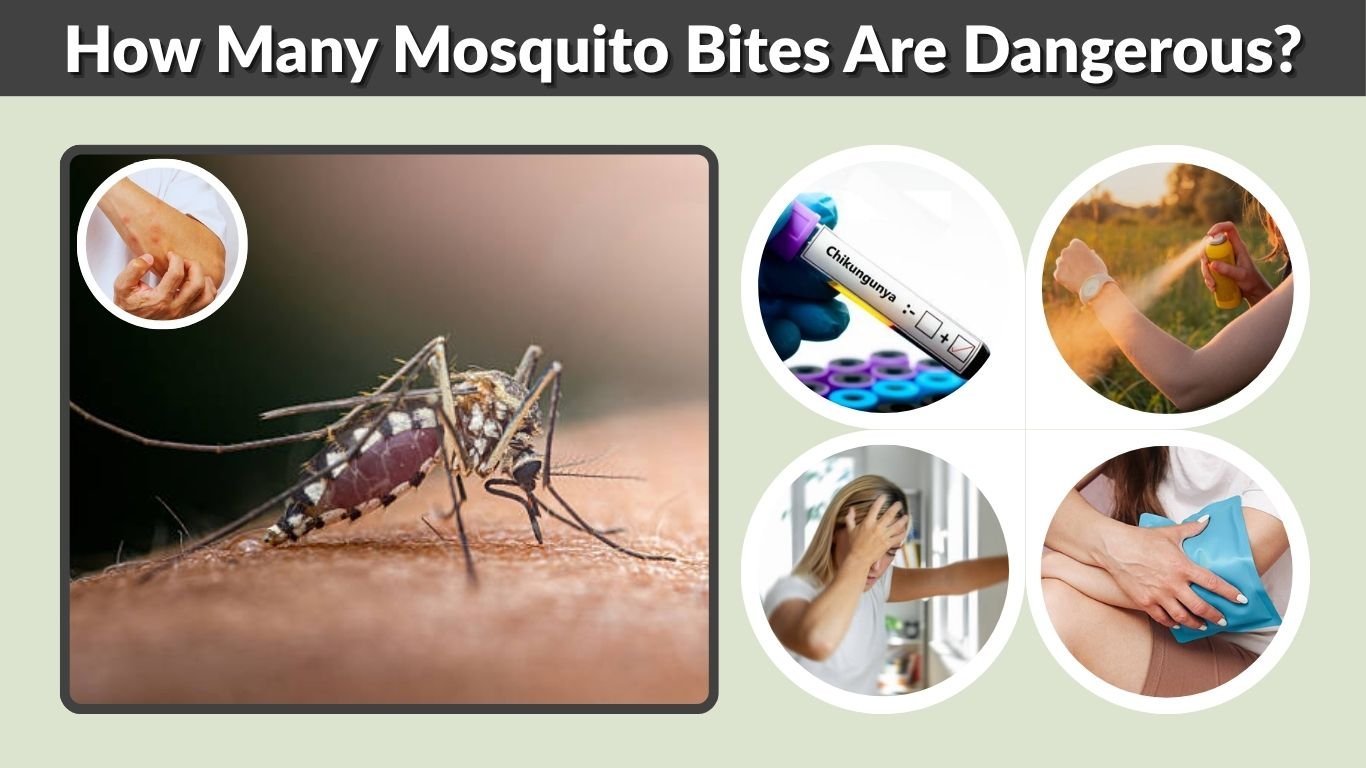
Mosquito bites are common, especially during warm and humid weather. Most cause mild itching, redness, and swelling that disappear within a few days. However, getting bitten repeatedly can raise concerns about allergic reactions, infections, and mosquito-borne diseases. So, how many mosquito bites are dangerous? The answer depends on your immune system, overall health, and whether the mosquitoes carry harmful pathogens. Understanding the risks of single and multiple mosquito bites can help you recognize warning signs and know when medical attention is necessary.
How Many Mosquito Bites Are Dangerous?
There is no specific number of mosquito bites considered dangerous for everyone. Some people experience only mild discomfort after dozens of bites, while others develop serious complications from a single bite. The risk depends more on allergic sensitivity, mosquito-borne infections, and individual health conditions than the total number of bites.
Can One Mosquito Bite Be Dangerous?
Yes, a single mosquito bite can be dangerous if the mosquito carries a disease-causing virus or parasite.
Infected mosquitoes can transmit dengue, malaria, West Nile virus, and other illnesses. Rarely, even one bite may trigger a severe allergic reaction.
However, most individual mosquito bites do not cause serious health problems.
Are 5 to 10 Mosquito Bites Dangerous?
For most healthy adults, five to ten mosquito bites generally cause itching, redness, and temporary swelling rather than serious illness.
However, several bites can trigger larger local reactions in sensitive individuals. The risk of encountering an infected mosquito also increases with repeated exposure in disease-affected areas.
The number of bites alone cannot determine whether someone is safe.
What Happens If You Get 20 or More Mosquito Bites?
Twenty or more mosquito bites can produce widespread itching, swelling, and skin irritation.
Scratching several bites may damage the skin and increase the chance of bacterial infections. Sensitive individuals may experience significant discomfort or large inflammatory reactions.
Even dozens of bites do not automatically indicate a medical emergency. Symptoms and possible exposure to mosquito-borne diseases are more important.
What Makes Mosquito Bites Dangerous?
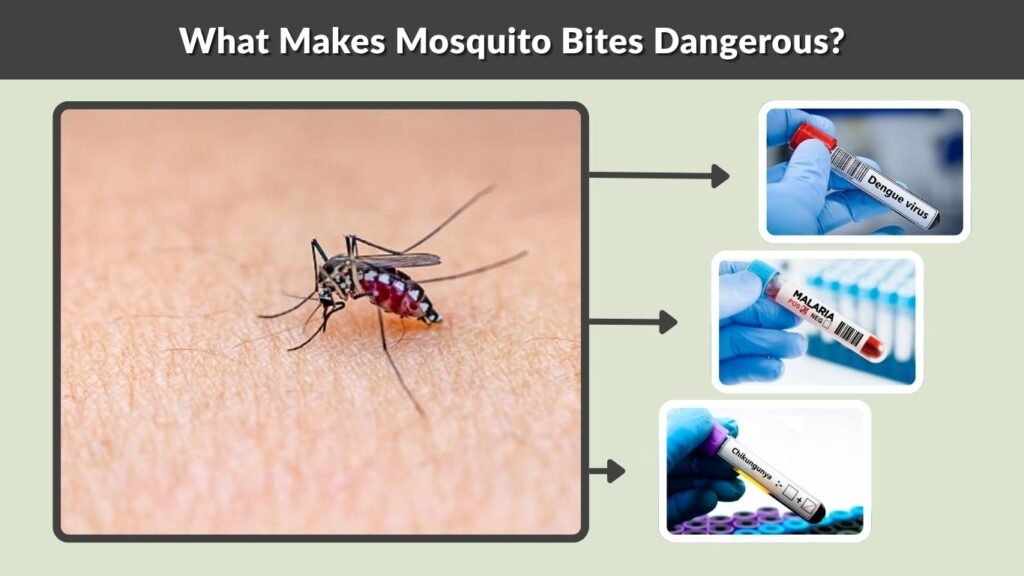
Mosquito bites become dangerous primarily because of disease transmission, allergic reactions, and secondary infections. Female mosquitoes inject saliva into the skin while feeding, triggering an immune response. Although this usually produces harmless itchy bumps, certain complications require medical attention.
Mosquito-Borne Diseases
Some mosquitoes carry pathogens capable of causing serious illnesses.
- Dengue fever: Can cause high fever, severe body pain, rash, and potentially dangerous bleeding or shock.
- Malaria: A parasitic infection that may cause fever, chills, anemia, and severe complications.
- West Nile virus: Usually causes no symptoms but occasionally affects the nervous system.
- Chikungunya: Often produces fever and significant joint pain.
- Zika virus: Usually causes mild illness but can seriously affect pregnancy.
One infected mosquito bite may be enough to transmit an infection.
Severe Allergic Reactions
Some people experience an exaggerated inflammatory reaction known as Skeeter syndrome.
This condition can cause extensive swelling, redness, warmth, itching, and occasionally fever.
A life-threatening allergic reaction called anaphylaxis is extremely rare after mosquito bites, but it can occur. Difficulty breathing, throat swelling, or fainting requires emergency treatment.
Secondary Skin Infections
Constant scratching can break the protective skin barrier, allowing bacteria to enter.
Infected bites may become increasingly painful, warm, swollen, or filled with pus. Spreading redness and fever may indicate an infection requiring medical treatment.
Can Too Many Mosquito Bites Cause Blood Loss?
Mosquitoes remove extremely small amounts of blood during feeding. Ordinary clusters of bites do not cause medically significant blood loss in healthy adults.
Severe blood loss from mosquito feeding would require extraordinary exposure and is not a typical concern. Infants and medically vulnerable individuals deserve additional protection.
Warning Signs of Dangerous Mosquito Bites
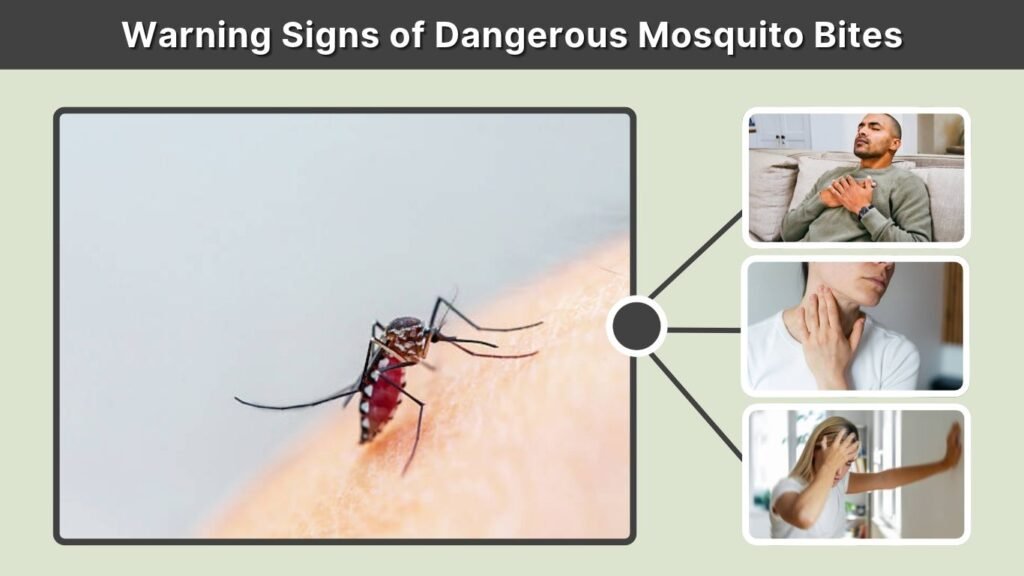
Most mosquito bites improve naturally without medical treatment. However, symptoms that extend beyond ordinary itching and mild swelling may indicate an allergic reaction, skin infection, or mosquito-borne illness. Recognizing serious symptoms early is important, especially after spending time in areas where dengue or malaria occurs.
Symptoms That Require Emergency Medical Attention
Seek emergency medical care if you experience:
- Difficulty breathing or swallowing.
- Swelling of the tongue, throat, or face.
- Severe dizziness, collapse, or fainting.
- Confusion, seizures, or significant neurological symptoms.
- Severe abdominal pain or persistent vomiting during suspected dengue.
- Unusual bleeding, including bleeding gums or blood in vomit.
These symptoms may indicate a serious allergic reaction or other medical emergency.
Symptoms That Require a Doctor’s Evaluation
Contact a healthcare professional if you develop fever, chills, headache, body aches, or unusual fatigue after possible mosquito exposure.
You should also seek evaluation for spreading redness, increasing pain, pus, or swelling that continues worsening.
Symptoms of mosquito-borne diseases may develop days or weeks after the original bite rather than immediately.
What Should You Do After Multiple Mosquito Bites?
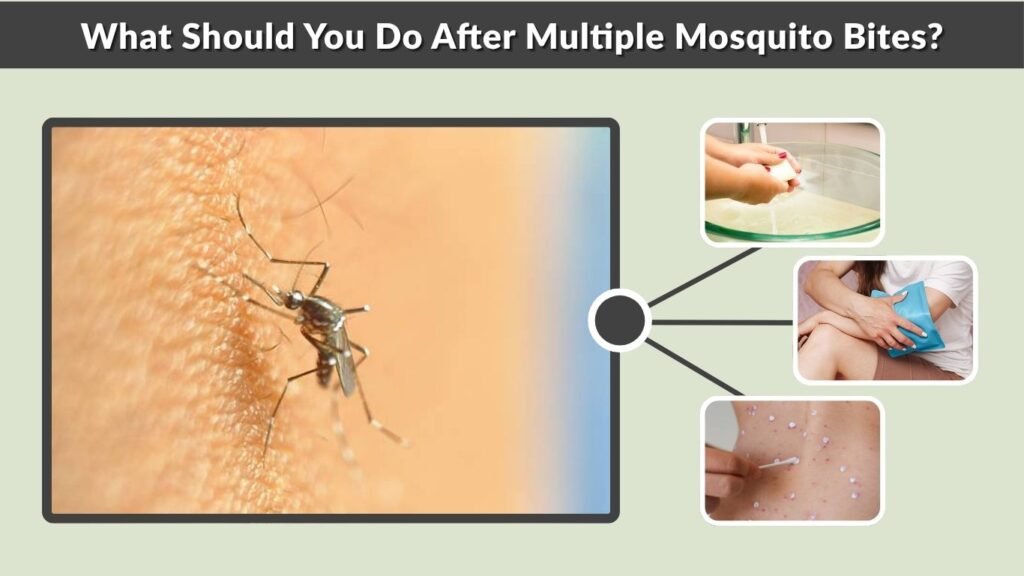
Receiving several mosquito bites can be uncomfortable, but most mild reactions can be managed at home. The main goals are reducing inflammation, controlling itching, preventing skin infections, and monitoring for unusual symptoms.
Immediate Treatment for Multiple Bites
Follow these simple steps:
- Wash the affected skin: Use mild soap and water to clean the bites.
- Apply a cold compress: Hold a cool, damp cloth against swollen areas for approximately 10 minutes.
- Avoid scratching: Scratching increases irritation and infection risk.
- Use anti-itch products: Calamine lotion or suitable hydrocortisone cream may provide relief.
- Consider an antihistamine: An age-appropriate oral antihistamine may reduce itching.
- Monitor your symptoms: Watch for fever, worsening swelling, or signs of infection.
Seek medical advice before using medications on infants or treating severe reactions.
What If You Suspect Dengue?
If fever, headache, rash, or significant body aches develop after mosquito exposure in a dengue-risk area, contact a healthcare professional.
Until dengue is ruled out, avoid aspirin and ibuprofen because they may increase bleeding risk. Paracetamol (acetaminophen) is generally preferred for fever when used appropriately.
Seek emergency care for dengue warning signs, even if the fever has started improving.
How to Prevent Dangerous Mosquito Bites
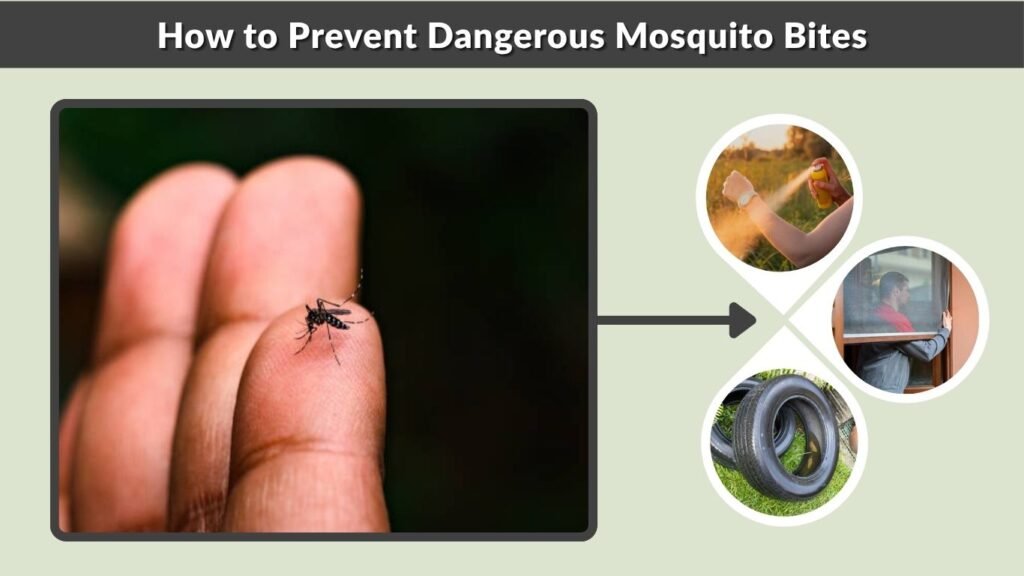
Preventing mosquito bites reduces both skin irritation and exposure to mosquito-borne diseases. Protection is particularly important in tropical regions and areas experiencing mosquito outbreaks. Because mosquitoes may bite during the day or night, prevention should not be limited to evening hours.
Effective Mosquito Bite Prevention Methods
- Use an appropriate, registered mosquito repellent containing DEET, picaridin, or another proven ingredient.
- Wear loose-fitting, long-sleeved clothing and long pants.
- Install or repair window screens.
- Sleep under mosquito nets where necessary.
- Empty standing water from containers, buckets, and flowerpots.
- Use permethrin-treated clothing when appropriate, but never apply permethrin directly to your skin.
Who Needs Extra Protection?
Children, pregnant individuals, older adults, and people with certain medical conditions may face greater risks from particular mosquito-borne infections.
Young children can also develop pronounced swelling after bites.
For babies, prioritize mosquito netting and protective clothing. Always follow age restrictions on repellents, especially products containing oil of lemon eucalyptus or PMD.
FAQs
1. Can 10 mosquito bites make you sick?
Ten mosquito bites usually cause temporary itching and swelling rather than serious illness. However, even one infected mosquito can transmit a disease. If you develop fever, headache, unusual fatigue, or worsening symptoms, seek medical advice regardless of the number of bites.
2. Can you die from too many mosquito bites?
Death directly from the physical effects of numerous mosquito bites is extremely uncommon. The more significant risks are potentially fatal mosquito-borne diseases or exceptionally rare severe allergic reactions. These complications can occur even when relatively few bites are involved.
3. How many mosquito bites are dangerous for a child?
There is no established dangerous bite count for children. Some children develop extensive swelling after only one or two bites, while others tolerate several bites with mild discomfort. Seek medical evaluation for fever, rapidly worsening swelling, or other concerning symptoms.
4. Is it dangerous to have mosquito bites all over your body?
Numerous mosquito bites across the body can cause intense itching, skin irritation, and sleep disruption. Scratching may lead to infection. Although widespread bites are not automatically dangerous, extensive swelling, fever, or signs of an allergic reaction warrant medical attention.
5. How long after a mosquito bite can you get sick?
Illness may begin several days or weeks after an infected mosquito bite. Dengue symptoms commonly develop within two weeks, while malaria usually takes about 7–30 days, sometimes longer. Seek medical advice for unexplained fever after possible exposure.
