
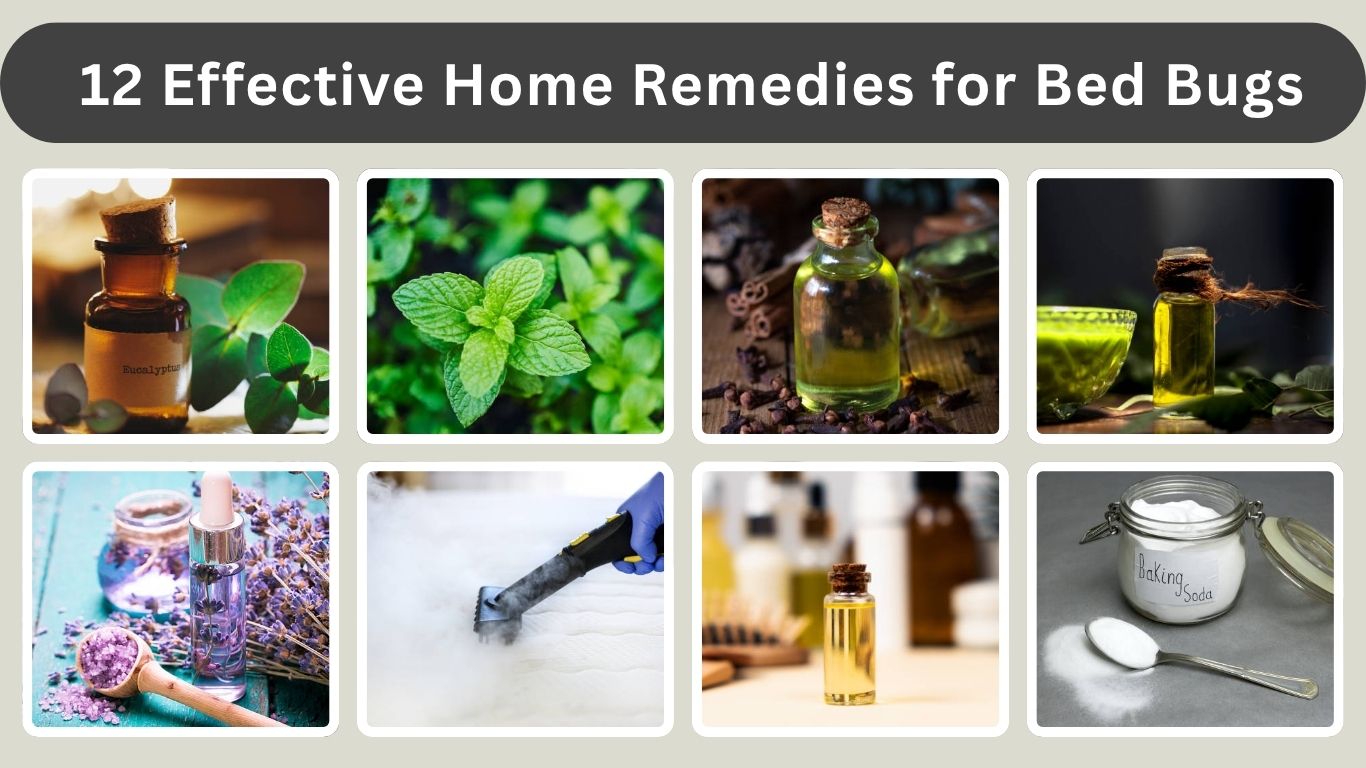
Bed bugs are stubborn pests that can quickly turn your home into an uncomfortable space. These tiny insects hide in mattresses, furniture, and cracks, feeding on human blood and multiplying rapidly if left untreated. While professional treatments are often effective, many people prefer starting with simple and affordable home remedies. From heat-based solutions to natural oils, there are several methods that can help control and reduce infestations. Understanding which remedies actually work can save time, effort, and frustration while helping you regain a clean, comfortable, and bug-free living environment.
1. Heat Treatment
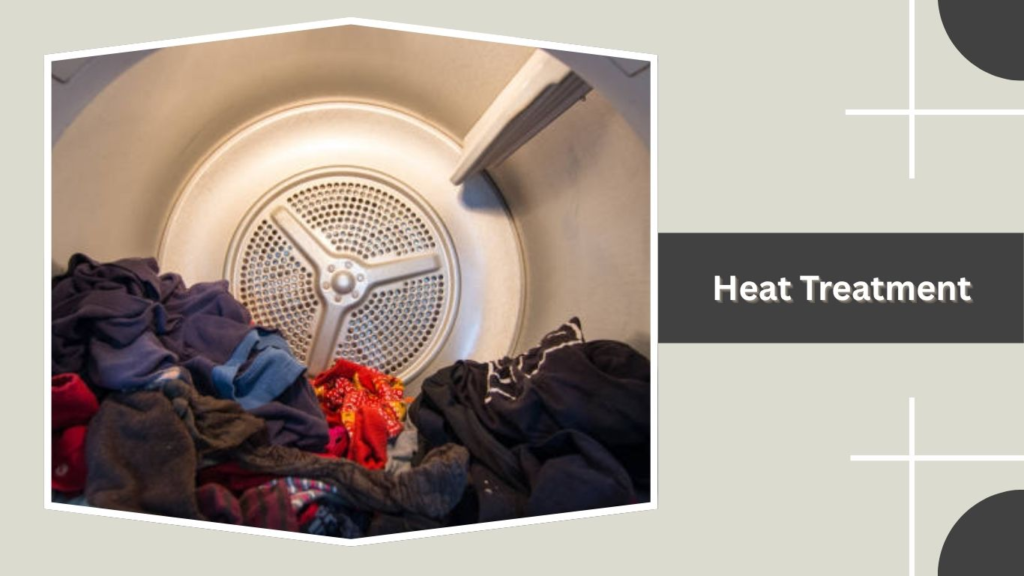
Heat treatment is one of the most effective and widely recommended home remedies for eliminating bed bugs. These pests are highly sensitive to temperature and cannot survive extreme heat. By exposing infested items and areas to high temperatures, you can kill not only adult bed bugs but also their eggs, which are often harder to remove. This method is chemical-free, making it a safer option for households with children or pets. It is especially useful for treating bedding, clothing, and small household items that can tolerate heat without damage.
How Heat Treatment Works
- Bed bugs die at temperatures above 45–50°C (113–122°F)
- Washing infested fabrics in hot water kills bugs and eggs
- High heat in dryers ensures complete elimination
- Steam can penetrate cracks, mattresses, and furniture
- Consistent heat exposure prevents reinfestation
Step-by-Step Application
To use heat treatment at home, start by gathering all potentially infested items such as bed sheets, pillowcases, curtains, and clothing. Wash them in hot water and dry them on the highest heat setting for at least 30 minutes. For items that cannot be washed, consider placing them in a dryer or exposing them to direct sunlight for several hours. You can also use a steam cleaner to treat mattresses, bed frames, and cracks where bed bugs may hide. Make sure to move slowly with the steamer so the heat penetrates deeply. Repeating this process over several days improves effectiveness.
Safety and Effectiveness
Heat treatment is highly effective when done correctly, as it targets all life stages of bed bugs. However, it requires careful handling to avoid damaging heat-sensitive items. Always check fabric labels before applying high heat and use protective gloves when handling hot materials. While this method can significantly reduce or eliminate infestations, severe cases may still require professional pest control. Consistency and thoroughness are key to achieving the best results.
2. Baking Soda
Baking soda is a popular home remedy often used in attempts to control bed bugs due to its drying properties. It is believed to absorb moisture from the bugs’ bodies, potentially leading to dehydration. This method is inexpensive, easy to apply, and commonly available in most households. While it may not be as powerful as professional treatments, some people use it as part of a broader approach to managing minor infestations. It is best used in combination with other methods for improved effectiveness.
How Baking Soda Works
- Absorbs moisture from bed bugs’ bodies
- May damage the outer protective layer of the bugs
- Creates an unfavorable environment for survival
- Easy to apply in cracks and hidden areas
- Works best when reapplied regularly
Step-by-Step Application
To use baking soda, begin by identifying areas where bed bugs are most active, such as mattress seams, bed frames, carpets, and cracks in furniture. Lightly sprinkle a thin layer of baking soda over these areas, making sure to cover hiding spots. Leave it undisturbed for several hours or overnight to allow it to take effect. Afterward, vacuum the treated areas thoroughly to remove both the powder and any dead bugs. Dispose of the vacuum contents immediately in a sealed bag. Repeat this process daily or every few days for better results.
Safety and Effectiveness
Baking soda is generally safe to use around the home and does not pose serious risks to humans or pets when applied properly. However, its effectiveness against bed bugs is limited compared to proven methods like heat or professional treatments. It may help reduce the number of bugs temporarily but is unlikely to eliminate a full infestation on its own. For best results, combine baking soda with other remedies and maintain consistent cleaning and monitoring.
3. Diatomaceous Earth

Diatomaceous earth is one of the most effective natural remedies for controlling bed bugs at home. It is a fine powder made from fossilized algae and works by physically damaging the outer layer of bed bugs, causing them to dehydrate and die. Unlike chemical treatments, it is non-toxic when used correctly, making it a safer option for households. This method is especially useful for treating hidden areas where bed bugs tend to live, such as cracks, crevices, and mattress seams.
How Diatomaceous Earth Works
- Damages the protective outer layer of bed bugs
- Causes dehydration leading to death
- Works on both adult bugs and nymphs
- Remains effective as long as it stays dry
- Ideal for hard-to-reach hiding spots
Step-by-Step Application
Start by cleaning and drying the affected areas thoroughly, as moisture can reduce effectiveness. Lightly apply a thin layer of diatomaceous earth around bed frames, mattress edges, baseboards, cracks, and other suspected hiding spots. Avoid applying thick layers, as bed bugs may avoid them. Leave the powder undisturbed for several days to allow it to work. After that, vacuum the area carefully and reapply if needed. Consistent application over time increases the chances of eliminating the infestation.
Safety and Effectiveness
Diatomaceous earth is generally safe for home use, but it should be handled carefully to avoid inhaling the fine dust. Always use food-grade diatomaceous earth and consider wearing a mask during application. It is highly effective when used properly, especially as part of a combined approach with other remedies. However, it may take several days or weeks to see noticeable results, so patience and consistency are important for success.
4. Tea Tree Oil

Tea tree oil is a natural essential oil known for its strong antimicrobial and insect-repelling properties. It is often used as a home remedy to help manage bed bugs due to its potent smell and ability to disrupt their environment. While it may not completely eliminate a severe infestation on its own, it can help reduce bed bug activity and act as a deterrent. This method is especially useful for light infestations and as a preventive measure when combined with other treatments.
How Tea Tree Oil Works
- Strong scent repels bed bugs
- Contains compounds that may harm insects
- Disrupts bed bug movement and activity
- Works as a natural and chemical-free option
- Can be applied to multiple surfaces safely
Step-by-Step Application
To use tea tree oil, mix about 10–15 drops of the oil with a cup of water in a spray bottle. Shake well before each use to ensure proper mixing. Lightly spray the solution on mattresses, bed frames, furniture, and cracks where bed bugs may hide. Focus on seams, corners, and edges where they are most likely to be found. Allow the sprayed areas to dry naturally. Repeat this process daily or every few days for better results, especially during active infestations.
Safety and Effectiveness
Tea tree oil is generally safe when diluted properly, but direct contact with skin or pets should be avoided in high concentrations. Its effectiveness varies, as it mainly works as a repellent rather than a complete solution. For best results, it should be used alongside other proven methods like heat treatment or diatomaceous earth. Consistent use can help reduce bed bug presence and prevent further spread, but severe infestations may still require professional treatment.
5. Lavender Oil

Lavender oil is a natural essential oil commonly used for its pleasant fragrance and calming properties, but it also has mild insect-repelling effects. Many people use it as a home remedy to help manage bed bugs because its strong scent can disrupt their activity. While it may not completely eliminate a heavy infestation, it can help reduce their presence and prevent them from spreading. Lavender oil is best used as part of a combined approach along with more effective treatments.
How Lavender Oil Works
- Strong scent helps repel bed bugs
- Interferes with their movement and hiding behavior
- Creates an unfavorable environment for infestation
- Can be used on fabrics and surfaces
- Works best when applied regularly
Step-by-Step Application
To apply lavender oil, mix 10–15 drops with water in a spray bottle and shake well. Lightly spray the solution on mattresses, bed frames, bedding, and nearby furniture. Focus on seams, cracks, and corners where bed bugs are likely to hide. You can also add a few drops to laundry when washing infested items. Allow surfaces to dry naturally after spraying. Repeat the process every day or every few days to maintain effectiveness and reduce bed bug activity over time.
Safety and Effectiveness
Lavender oil is generally safe for household use when diluted, and it leaves a pleasant smell compared to stronger remedies. However, its effectiveness is limited, as it mainly works as a repellent rather than killing bed bugs completely. It is most useful for mild infestations or prevention. For better results, combine it with other proven methods like heat treatment or diatomaceous earth. Regular use and consistency are important to see noticeable improvement.
6. Neem Oil

Neem oil is a natural insect control remedy derived from the neem tree and is widely known for its effectiveness against various household pests, including bed bugs. It contains active compounds that can disrupt the life cycle of insects, making it harder for them to grow and reproduce. Neem oil is often used as a safer, plant-based alternative to chemical pesticides. While it may not provide instant results, consistent use can help reduce bed bug populations and prevent further spread when combined with other treatments.
How Neem Oil Works
- Interferes with bed bug growth and reproduction
- Acts as a natural insect repellent
- Disrupts feeding behavior of bed bugs
- Contains compounds toxic to insects over time
- Works best with repeated application
Step-by-Step Application
To use neem oil, mix 10–15 drops with water in a spray bottle and shake thoroughly before use. Lightly spray the solution on mattresses, bed frames, cracks, and furniture where bed bugs are likely to hide. Focus on seams, edges, and hidden areas for better coverage. Allow the treated surfaces to dry naturally. For fabrics, you can add a small amount of neem oil to laundry during washing. Repeat the application every few days to maintain effectiveness and gradually reduce the infestation.
Safety and Effectiveness
Neem oil is generally safe for household use when diluted properly, but it has a strong smell that some people may find unpleasant. Avoid direct contact with skin and keep it away from pets in concentrated form. Its effectiveness is moderate, as it works slowly by disrupting the bed bug life cycle rather than killing them instantly. For best results, combine neem oil with other methods like heat treatment or diatomaceous earth and maintain consistent use.
7. Rubbing Alcohol
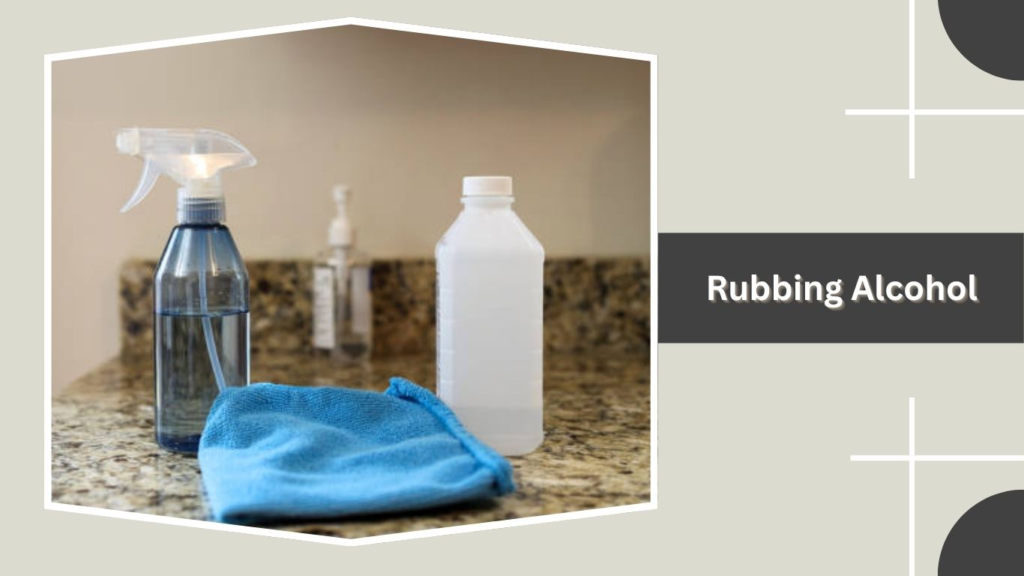
Rubbing alcohol is a commonly used home remedy for bed bugs due to its ability to kill them on contact. It works quickly by dissolving the outer shell of the insects, leading to dehydration and death. Many people use it as a spot treatment for visible bed bugs and their hiding places. While it can provide immediate results, it does not affect eggs and may not eliminate an entire infestation on its own. It is best used as a short-term solution alongside other methods.
How Rubbing Alcohol Works
- Kills bed bugs on direct contact
- Breaks down the protective outer layer
- Causes rapid dehydration
- Evaporates quickly after application
- Effective for visible bugs and exposed areas
Step-by-Step Application
Pour rubbing alcohol (at least 70%) into a spray bottle. Lightly spray it directly onto bed bugs, mattress seams, bed frames, cracks, and other hiding spots. Be careful not to soak surfaces excessively, especially fabrics. Allow the area to dry completely after application. Repeat the process daily or whenever bugs are spotted. For better results, combine this method with cleaning, vacuuming, and other treatments to target hidden bugs and eggs.
Safety and Effectiveness
Rubbing alcohol is effective for killing bed bugs on contact, but it comes with safety concerns. It is highly flammable, so it should never be used near open flames or heat sources. Ensure proper ventilation when using it indoors. While it can reduce the number of visible bugs quickly, it does not penetrate deeply into hiding spots or kill eggs effectively. For long-term control, it should be used together with other proven remedies and consistent cleaning practices.
8. Vinegar Spray
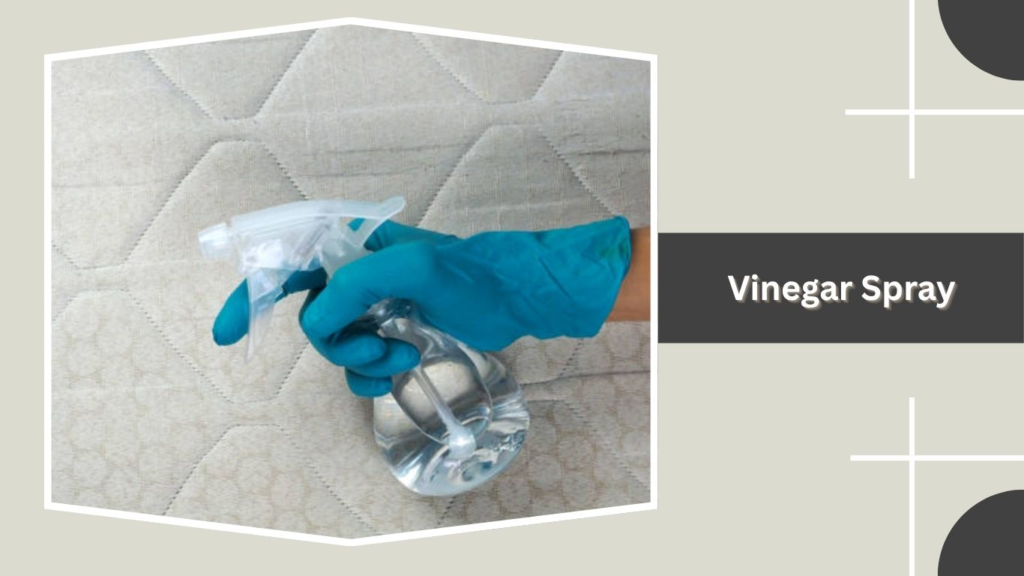
Vinegar spray is a simple and affordable home remedy often used to deal with bed bugs. Its strong acidic nature can kill bed bugs on contact and disrupt their movement. Many homeowners prefer vinegar because it is easily available and does not contain harmful chemicals. However, like many natural remedies, it works best for minor infestations and as a supplementary treatment rather than a complete solution.
How Vinegar Spray Works
- Acidity can kill bed bugs on direct contact
- Strong smell helps repel bed bugs
- Disrupts their movement and hiding patterns
- Easy to apply on various surfaces
- Works best with repeated use
Step-by-Step Application
Fill a spray bottle with white vinegar and apply it directly to areas where bed bugs are present, such as mattress seams, bed frames, cracks, and furniture edges. Spray lightly but thoroughly, ensuring the liquid reaches hiding spots. Allow the treated areas to dry naturally. Repeat this process daily or whenever you notice signs of bed bugs. For better results, combine vinegar spray with cleaning, vacuuming, and other control methods.
Safety and Effectiveness
Vinegar is generally safe for household use and does not pose major health risks when used properly. However, its effectiveness is limited because it only kills bed bugs on contact and does not affect eggs hidden deep in cracks. The strong smell may also be unpleasant for some people. For best results, use vinegar as part of a combined approach with other proven remedies like heat treatment or diatomaceous earth.
9. Steam Cleaning
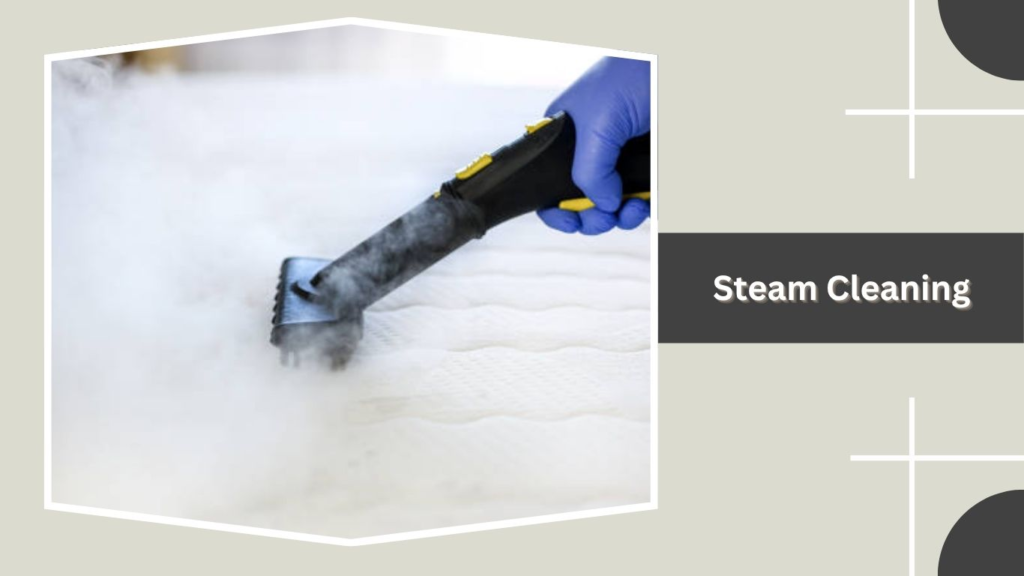
Steam cleaning is a highly effective home remedy for eliminating bed bugs using high-temperature steam. This method works by exposing bed bugs and their eggs to intense heat, which kills them instantly. Steam can penetrate deep into fabrics, mattresses, and cracks where bed bugs often hide, making it a powerful option for treating hard-to-reach areas. It is a chemical-free solution, making it safe for households when used properly. Steam cleaning is especially useful as part of a thorough and repeated treatment plan.
How Steam Cleaning Works
- High-temperature steam kills bed bugs instantly
- Penetrates deep into fabrics and hidden spaces
- Effective against both adult bugs and eggs
- Reaches cracks, seams, and furniture joints
- Works without the use of chemicals
Step-by-Step Application
Use a steam cleaner that can produce high heat (at least 70–80°C). Slowly move the steamer over mattresses, bed frames, upholstery, carpets, and cracks where bed bugs may hide. Focus on seams, edges, and corners for better coverage. Move the steamer slowly to allow the heat to penetrate deeply. Avoid over-wetting surfaces to prevent damage. Allow treated areas to dry completely after steaming. Repeat the process regularly to ensure all bed bugs and eggs are eliminated.
Safety and Effectiveness
Steam cleaning is one of the most effective natural methods for killing bed bugs, especially when done thoroughly. However, it requires careful handling to avoid burns or damage to delicate materials. Always follow the manufacturer’s instructions and use protective gear if needed. While steam can eliminate bed bugs on contact, repeated treatments may be necessary for complete control. Combining steam cleaning with other methods improves overall effectiveness.
10. Clove Oil

Clove oil is a natural essential oil known for its strong scent and insecticidal properties. It is often used as a home remedy to help manage bed bugs because it can repel and sometimes kill them on contact. The active compounds in clove oil may disrupt the nervous system of insects, making it a useful addition to a broader pest control strategy. While it may not completely eliminate a heavy infestation, it can help reduce bed bug activity and prevent them from spreading when used consistently.
How Clove Oil Works
- Strong aroma helps repel bed bugs
- Contains compounds that can affect insects
- May kill bed bugs on direct contact
- Disrupts their movement and hiding behavior
- Works best when applied regularly
Step-by-Step Application
Mix 10–15 drops of clove oil with water in a spray bottle and shake well before use. Lightly spray the solution on mattresses, bed frames, cracks, and furniture where bed bugs may hide. Focus on seams, edges, and hidden corners for better coverage. Allow the treated areas to dry naturally. Repeat the application daily or every few days to maintain its effect and gradually reduce bed bug presence.
Safety and Effectiveness
Clove oil is generally safe when diluted, but it should be used carefully as it can be strong and may cause irritation if applied directly to skin. Its effectiveness is moderate, as it mainly works as a repellent and contact killer rather than a complete solution. For best results, it should be combined with other proven methods like heat treatment or steam cleaning. Consistent use improves its overall effectiveness.
11. Mint Leaves
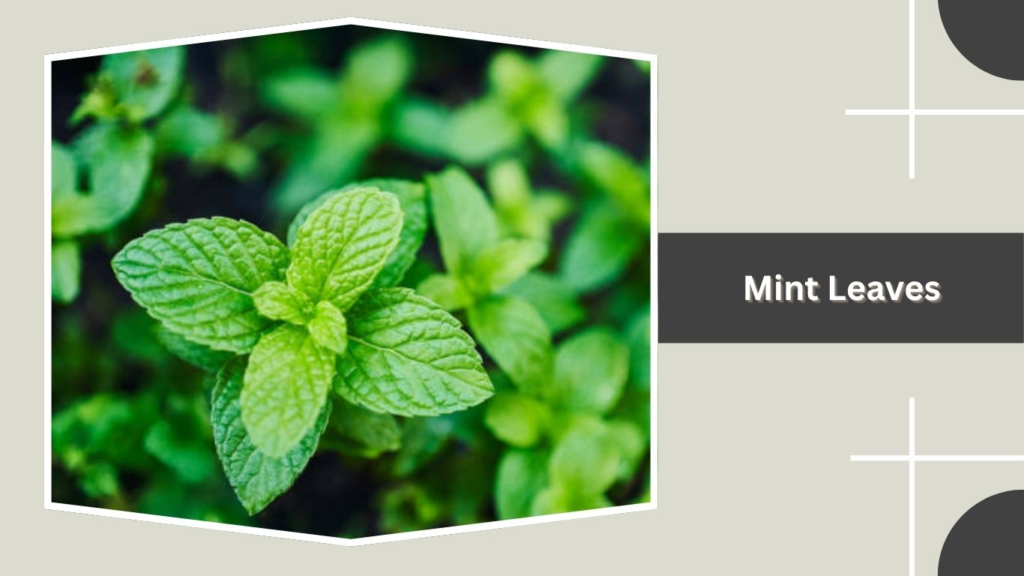
Mint leaves are a natural and easy-to-use home remedy that can help repel bed bugs due to their strong and refreshing scent. Bed bugs are sensitive to certain smells, and mint is believed to create an environment they tend to avoid. While mint leaves may not kill bed bugs directly, they can help reduce their activity and prevent them from spreading to new areas. This method is best used as a preventive measure or in combination with more effective treatments.
How Mint Leaves Work
- Strong scent repels bed bugs
- Creates an unfavorable environment for infestation
- Helps reduce movement and activity
- Natural and chemical-free solution
- Works best when used fresh and regularly replaced
Step-by-Step Application
Place fresh mint leaves around areas where bed bugs are likely to hide, such as under mattresses, near bed frames, inside drawers, and along cracks. You can also crush the leaves slightly to release more scent. Replace the leaves every few days to maintain their effectiveness. For better coverage, you may also use mint oil mixed with water as a spray for mattresses and furniture. Repeat regularly to help keep bed bugs away.
Safety and Effectiveness
Mint leaves are safe to use around the home and pose no risk to humans or pets when handled properly. However, their effectiveness is limited because they mainly act as a repellent rather than killing bed bugs. They are best suited for prevention or minor infestations. For stronger results, combine mint leaves with proven methods like heat treatment or steam cleaning. Consistency is important to maintain any noticeable effect.
12. Eucalyptus Oil
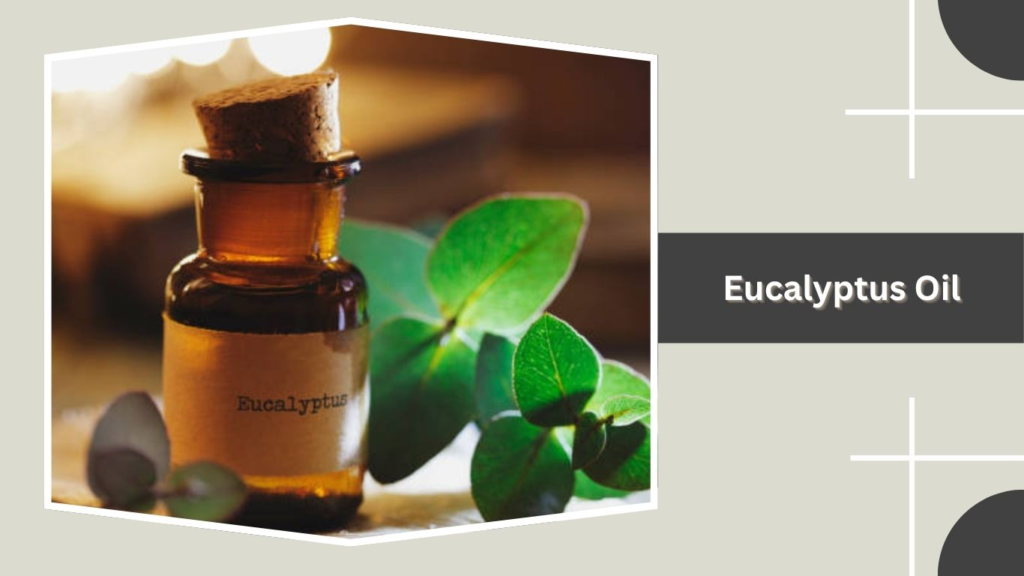
Eucalyptus oil is a natural essential oil known for its strong, refreshing scent and potential insect-repelling properties. It is often used as a home remedy to help manage bed bugs by creating an environment they find unpleasant. While it may not completely eliminate an infestation, it can help reduce bed bug activity and discourage them from spreading. This method is best used alongside other proven treatments for better overall results.
How Eucalyptus Oil Works
- Strong scent helps repel bed bugs
- Disrupts their movement and hiding behavior
- Creates an unfavorable environment
- Can be applied to multiple surfaces
- Works best with regular application
Step-by-Step Application
Mix 10–15 drops of eucalyptus oil with water in a spray bottle and shake well before use. Lightly spray the solution on mattresses, bed frames, furniture, and cracks where bed bugs may hide. Focus on seams, corners, and edges for better coverage. Allow the treated areas to dry naturally. Repeat the process daily or every few days to maintain its effect and help reduce bed bug presence over time.
Safety and Effectiveness
Eucalyptus oil is generally safe when diluted properly, but it should be used with caution around pets and should not be applied directly to skin in concentrated form. Its effectiveness is moderate, as it mainly works as a repellent rather than killing bed bugs completely. For best results, combine eucalyptus oil with other methods like heat treatment or steam cleaning and maintain consistent use.
FAQs
Do home remedies really work for bed bugs?
Home remedies can help reduce bed bug activity, especially in mild infestations. Methods like heat treatment and steam cleaning are more effective than natural repellents. However, most remedies work best when combined, and severe infestations often require professional pest control for complete elimination.
What is the fastest way to kill bed bugs at home?
Heat-based methods like washing, drying, and steam cleaning are the fastest ways to kill bed bugs. High temperatures can eliminate both adult bugs and eggs quickly. Contact solutions like rubbing alcohol may kill visible bugs instantly but do not address hidden infestations.
Can bed bugs go away on their own?
Bed bugs do not go away on their own. They continue to reproduce and spread if left untreated. Without proper action, the infestation can become worse over time. Consistent treatment and cleaning are necessary to fully eliminate them from your home.
How often should I apply home remedies for bed bugs?
Most home remedies need to be applied regularly, often daily or every few days, depending on the severity of the infestation. Consistency is important because bed bugs hide well and reproduce quickly. Repeated treatments help target newly hatched bugs and reduce their population over time.
When should I call a professional for bed bugs?
You should consider professional help if the infestation is large, keeps returning, or does not improve after consistent home treatment. Professionals have stronger tools and methods that can eliminate bed bugs more effectively and prevent future infestations.
