
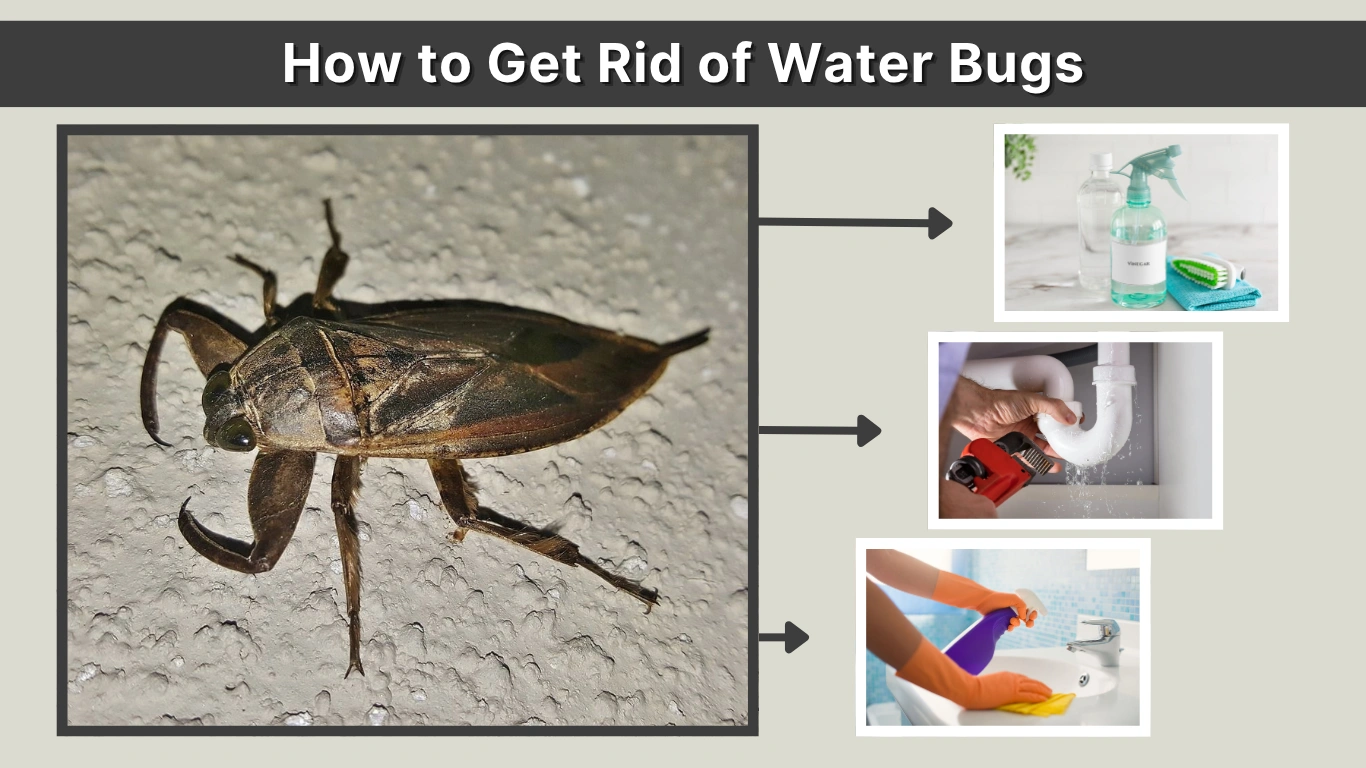
Water bugs can be an unpleasant surprise in homes, bathrooms, or pools. These pests, often mistaken for cockroaches, thrive in damp environments. Whether you’re dealing with water bugs in your house, drains, or swimming pool, this guide explains how to eliminate them effectively using both professional and natural methods.
Understanding Water Bugs
What Are Water Bugs?
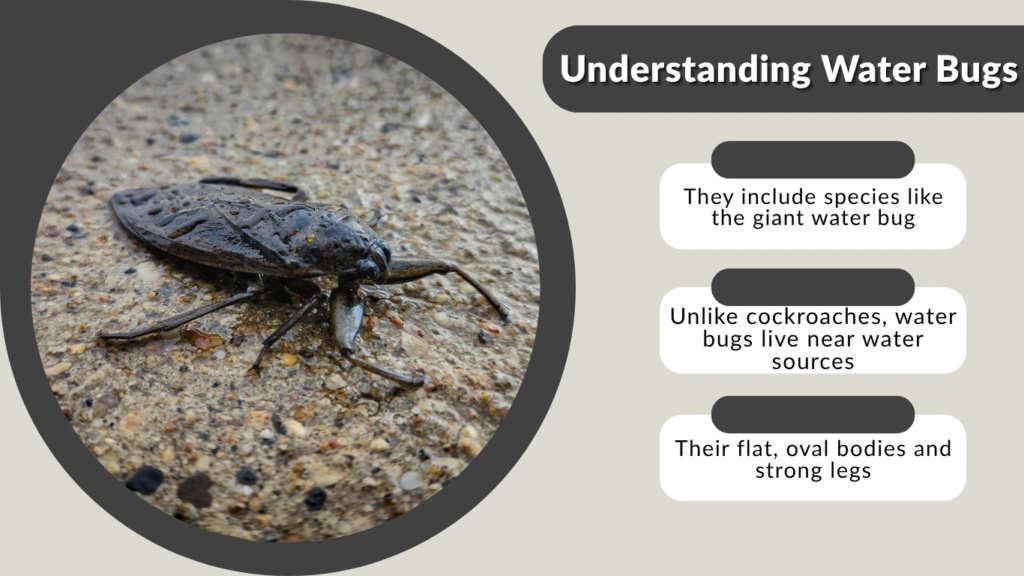
Water bugs are aquatic insects that belong to the order Hemiptera. They include species like the giant water bug, water boatman, and backswimmer. Unlike cockroaches, water bugs live near water sources and can bite if disturbed. Their flat, oval bodies and strong legs make them excellent swimmers, often seen in pools, ponds, and bathrooms.
Why They Invade Homes
Water bugs invade homes seeking moisture and shelter. Leaky pipes, wet basements, or standing water around your house attract them easily. They’re especially active during warm, humid months, when they enter homes through drains, open windows, or foundation cracks in search of food and safety.
Identification
Physical Appearance
Water bugs are larger than cockroaches, typically between one and two inches long. They have smooth, dark-brown or black bodies, prominent legs, and visible wings. In contrast, cockroaches have longer antennae and move quickly across dry surfaces. Recognizing the difference helps apply the correct pest control method.
Signs of Infestation
If you notice insects emerging from drains or flying toward light sources at night, you might have a water bug problem. Other signs include an unpleasant, musty odor and droppings near wet areas. In severe cases, you may see dead bugs floating in sinks, tubs, or pools.
How to Get Rid of Water Bugs in the House
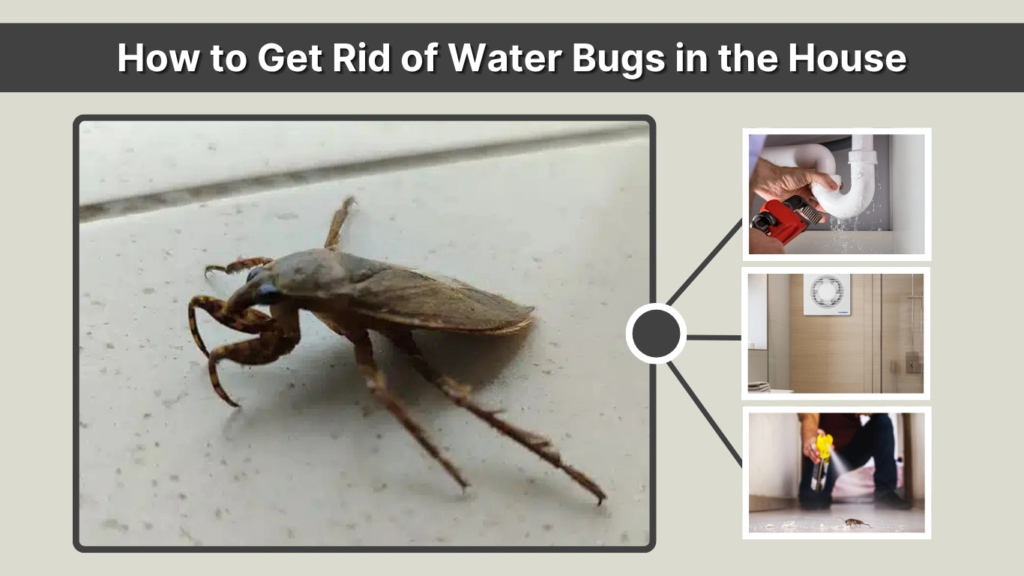
The first step is to eliminate sources of moisture. Repair leaking pipes, unclog drains, and ensure proper ventilation in bathrooms and basements. Clean all surfaces thoroughly, removing crumbs and organic residue.
Use insecticidal sprays labeled for water bugs, or place sticky traps near drains and corners. For a more natural solution, wipe areas with vinegar or diluted bleach to disinfect and repel bugs.
Seal any cracks in walls or around windows to prevent reinfestation.
How to Get Rid of Water Bugs in the Pool
Water bugs in pools, like water boatmen and backswimmers, often appear due to algae growth and stagnant water. Start by cleaning the pool thoroughly — skim debris, vacuum the bottom, and scrub the walls.
Maintain proper chlorine levels and pH balance, as bugs thrive in neglected pools. If they persist, use a pool-safe insecticide or algaecide. Keeping your pool covered when not in use prevents reentry and stops egg-laying in the water.
Natural and Home Remedies
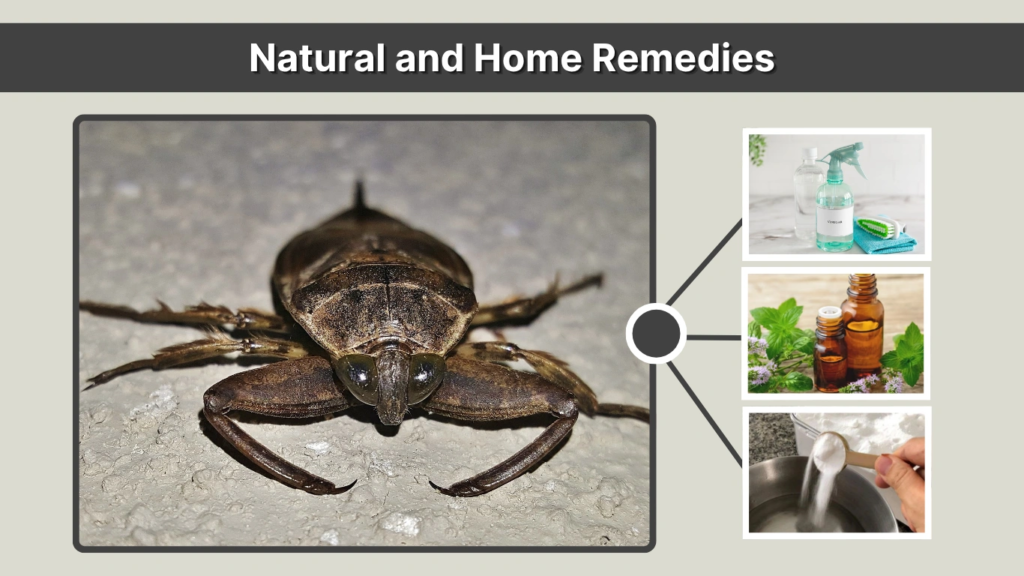
If you prefer chemical-free control, try simple home remedies. Mix equal parts vinegar and water in a spray bottle and apply it to damp areas or entry points. Soapy water also kills water bugs instantly by suffocating them.
Essential oils like peppermint or eucalyptus can be sprayed around windows, drains, and baseboards to repel insects naturally. Baking soda and borax mixtures can also help, but always keep them away from pets and children.
Outdoor and Yard Control
Water bugs often start outside before invading your home. Begin by inspecting your yard for puddles, leaky hoses, or clogged gutters. These areas create ideal breeding grounds. Empty birdbaths and buckets regularly, and store watering cans upside down to prevent water accumulation.
Trim overgrown vegetation, as it provides shelter and moisture. Apply eco-friendly outdoor insecticides or diatomaceous earth around foundations and entry points to block their access indoors.
Professional and Long-Term Solutions
When home treatments aren’t enough, professional pest control is your best option. Experts can identify the species and apply targeted insecticides that eliminate bugs at every stage of life.
For long-term prevention, consider installing dehumidifiers in damp rooms, sealing entry cracks, and improving ventilation. Routine maintenance—like cleaning drains and checking for leaks—ensures the problem doesn’t return.
Comparison: Water Bugs vs. Cockroaches

| Feature | Water Bug | Cockroach |
| Habitat | Moist, aquatic areas | Dry indoor spaces |
| Size | 1–2 inches (larger) | 1–1.5 inches (smaller) |
| Behavior | Solitary, bites if provoked | Hides, reproduces rapidly |
| Preferred Area | Bathrooms, pools, drains | Kitchens, basements |
| Control Method | Remove moisture, pool cleaning | Sanitation, bait traps |
Understanding this distinction helps ensure you use the right elimination method and avoid wasting time on ineffective roach treatments for a water bug issue.
FAQs
What kills water bugs instantly?
A mix of dish soap and water suffocates water bugs on contact. You can also use commercial sprays containing pyrethrins for faster results. Ensure proper ventilation while spraying and keep pets and children away until treated surfaces are dry.
Why do I have water bugs in my bathroom?
Bathrooms are naturally humid and often have leaks or standing water, making them perfect breeding spots. Cleaning drains with vinegar or bleach weekly, fixing pipe leaks, and improving airflow can drastically reduce their presence.
How do I get rid of water bugs naturally?
Natural repellents like vinegar, peppermint oil, or eucalyptus spray discourage water bugs without chemicals. Combine these with consistent cleaning, moisture control, and sealed entryways for long-term results. Regularly inspect basements, drains, and windowsills.
Can water bugs live in swimming pools?
Yes. Species such as water boatmen and backswimmers thrive in stagnant, algae-filled pools. Maintaining chlorine balance, skimming daily, and covering your pool when unused prevents infestations and discourages egg laying.
Are water bugs and cockroaches the same?
No. Water bugs are aquatic insects that live near water and can bite, while cockroaches are land insects attracted to food waste. Identifying which pest you’re dealing with ensures the correct cleaning and extermination strategy.
