
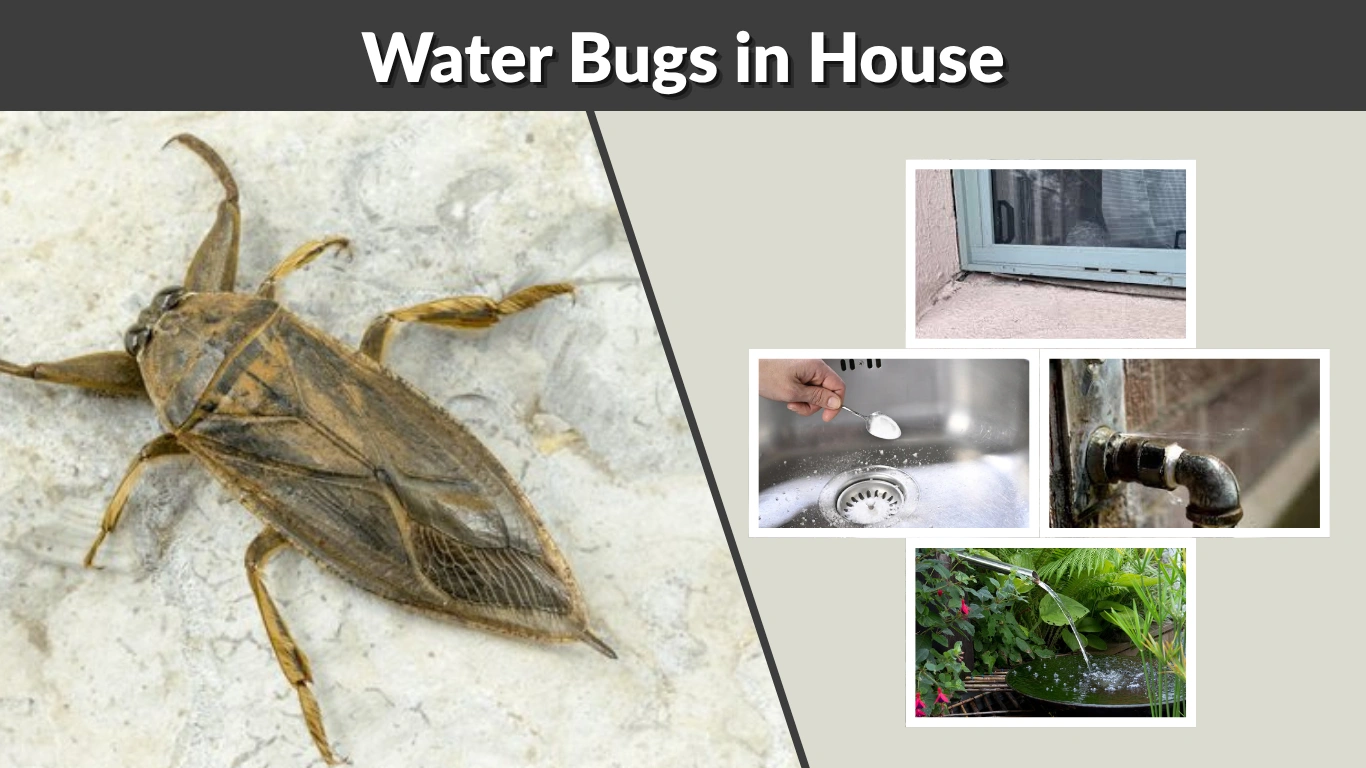
Finding water bugs in your house can be unsettling, especially when they look like oversized cockroaches scurrying across floors or walls. These pests, often referred to as house water bugs, thrive in warm, humid conditions and can enter homes through small gaps, drains, or plumbing. Understanding what attracts them, how they get in, and how to stop them is key to maintaining a clean, pest-free home.
Identification
What Are House Water Bugs?
The term “house water bug” is often used loosely to describe large, dark insects found in damp indoor areas. However, true water bugs belong to the family Belostomatidae and live in outdoor water sources like ponds and streams. Most of the bugs found inside homes are American or Oriental cockroaches, which are commonly mistaken for water bugs due to their appearance and love of moisture.
Common indoor “water bugs” include:
- American cockroach: Large reddish-brown species, often called “palmetto bugs.”
- Oriental cockroach: Shiny, black, and slower-moving; prefers basements and drains.
- True water bug (giant water bug): Occasionally enters homes by accident but cannot survive long outside of water.
Physical Characteristics
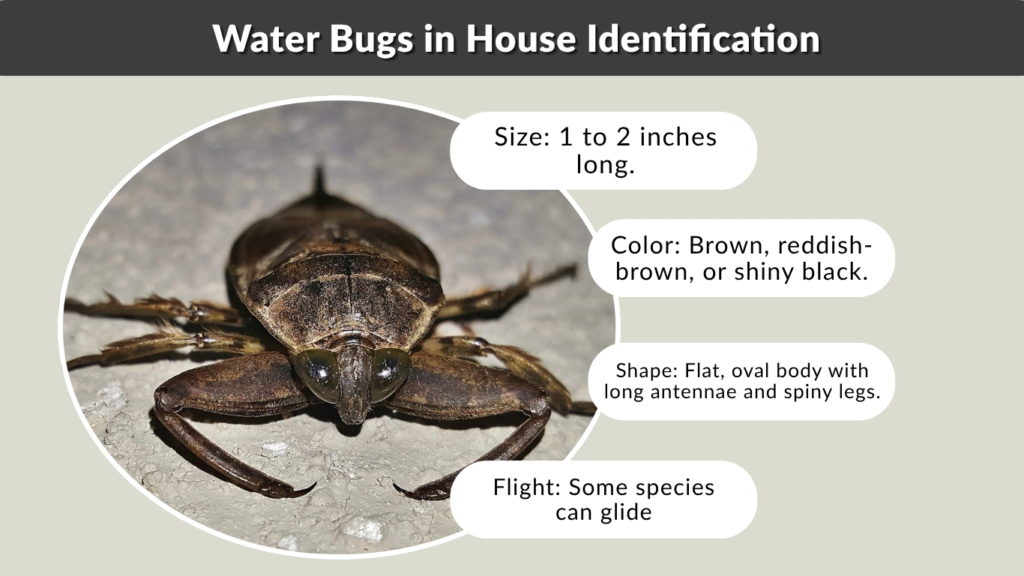
House water bugs are typically:
- Size: 1 to 2 inches long.
- Color: Brown, reddish-brown, or shiny black.
- Shape: Flat, oval body with long antennae and spiny legs.
- Flight: Some species can glide or fly toward lights at night.
- Movement: Fast runners that scatter when exposed to light.
Although they look similar, water bugs are larger, broader, and have short, strong beaks for biting, while roaches are slimmer and have long antennae designed for navigation.
Where Do Water Bugs in Houses Come From?
Common Entry Points
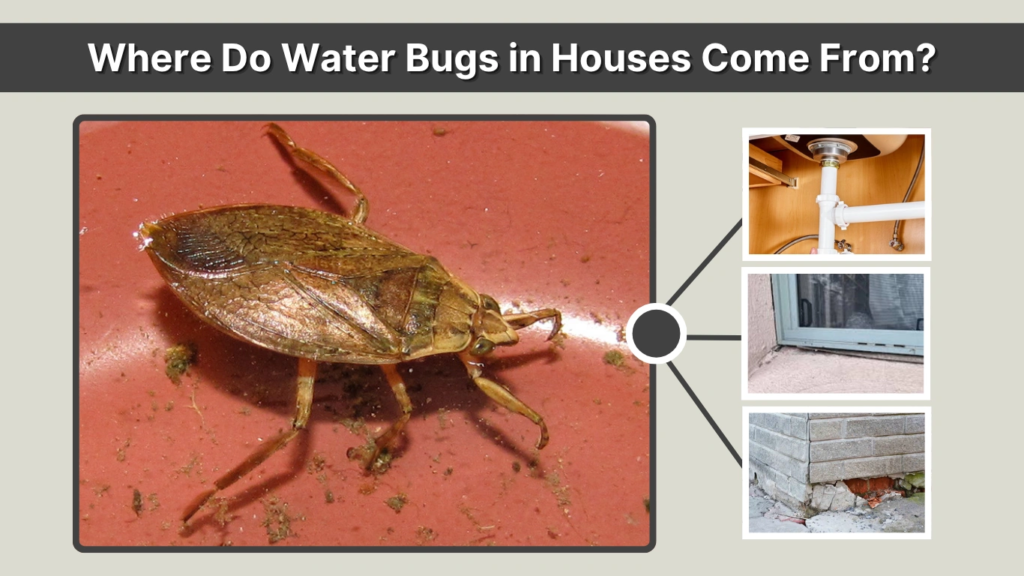
Water bugs can easily sneak indoors through tiny gaps and cracks. Common access points include:
- Drains and pipes: Especially in kitchens, bathrooms, and laundry rooms.
- Gaps under doors and windows: Poorly sealed openings invite them in.
- Foundation cracks: Moisture near the base of homes attracts them.
- Utility openings: Plumbing, vents, and cable lines provide easy access.
Once inside, they’re drawn to dark, humid spaces and water sources such as sinks, bathtubs, or leaky pipes.
Environmental Factors
Water bugs are highly influenced by temperature and humidity. They’re most likely to appear when:
- Outdoor temperatures rise during summer or early fall.
- Heavy rains or flooding push them indoors in search of dry shelter.
- Indoor humidity is high, such as in basements or bathrooms.
They’re also attracted to light, which explains why you might find one flying toward lamps or porch lights at night.
What Causes Water Bugs in the House?
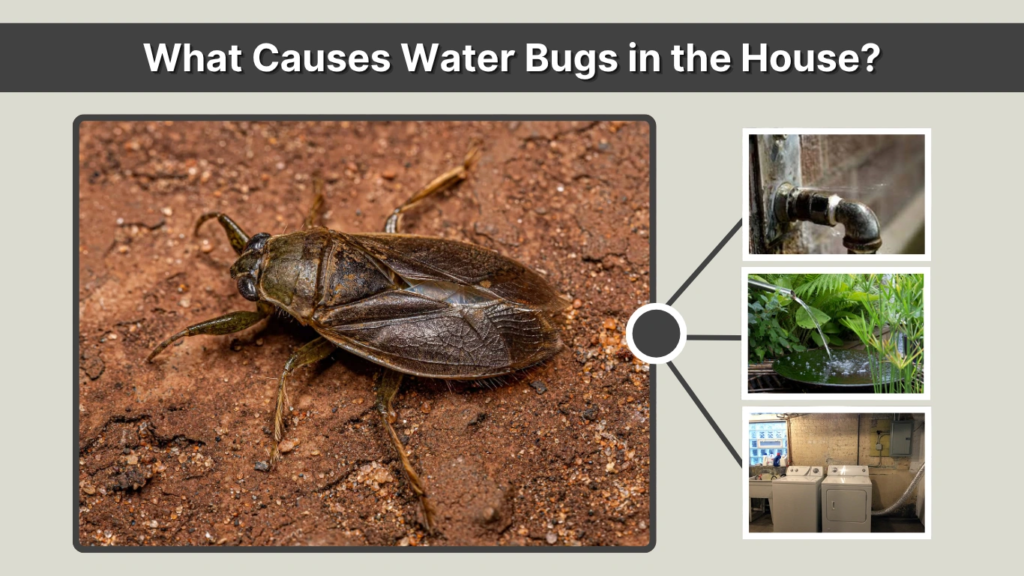
Even clean homes can experience water bug problems because these insects are primarily attracted to moisture rather than dirt. Still, clutter and food residue can make matters worse. Common causes include:
- Leaky pipes or plumbing fixtures.
- Standing water in sinks, bathtubs, or pet bowls.
- Poor ventilation in basements, bathrooms, or laundry rooms.
- Crumbs, spills, or unsealed food in kitchens and pantries.
- Clogged drains filled with organic residue.
If multiple bugs appear suddenly, it usually signals that they’ve found a moisture source or entry path nearby—such as a damp crawl space or broken pipe.
Are House Water Bugs Dangerous?
House water bugs are not typically dangerous, but they can still pose minor health concerns.
- Allergens: Their droppings and shed skin can trigger allergies or asthma.
- Bacteria spread: Like cockroaches, they can carry bacteria from drains or sewers to kitchen surfaces.
- Bites: True giant water bugs can bite if handled, but this is extremely rare indoors.
- Contamination: Their presence around food or dishes can make your kitchen unsanitary.
While they don’t transmit diseases like mosquitoes or ticks, their ability to spread germs makes prompt removal essential.
How to Get Rid of Water Bugs in the House
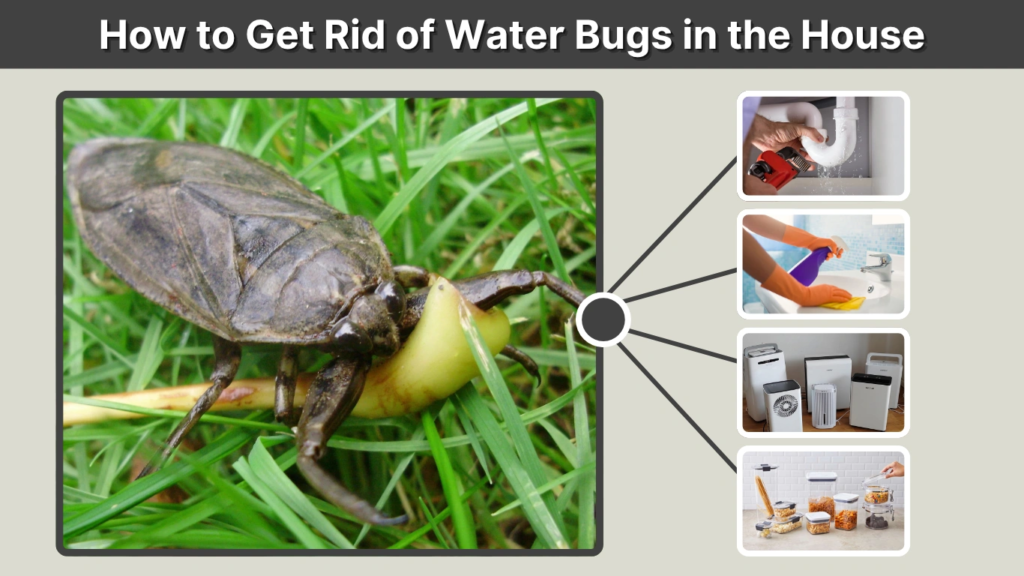
Removing water bugs requires a combination of cleaning, sealing, and targeted pest control. Since moisture attracts these insects, reducing humidity and eliminating food sources are the most effective strategies.
Step 1: Eliminate Moisture Sources
- Fix leaks: Repair dripping faucets, leaky pipes, and condensation issues under sinks.
- Dry wet areas: Wipe down showers, sinks, and countertops after use.
- Use dehumidifiers: Reduce moisture in basements, bathrooms, and laundry rooms.
- Improve airflow: Ventilate moist areas with exhaust fans or open windows to discourage bugs.
Step 2: Remove Food and Shelter
- Seal food tightly: Store pantry items in airtight containers.
- Clean regularly: Wipe kitchen counters and sweep crumbs daily.
- Empty garbage frequently: Keep lids sealed and take trash out nightly.
- Declutter storage spaces: Avoid leaving cardboard boxes or piles of papers where bugs can hide.
Step 3: Block Entry Points
- Seal cracks and gaps around windows, doors, and baseboards using caulk.
- Install mesh drain covers to prevent bugs from crawling up through pipes.
- Repair screen doors and vents to keep flying water bugs out.
- Use weatherstripping under doors to eliminate entry from outside.
Step 4: Apply Natural or Chemical Treatments
- Boric Acid: Lightly dust around plumbing areas, under sinks, and along baseboards to kill roach-type water bugs.
- Diatomaceous Earth: A natural powder that dehydrates insects; sprinkle in corners, behind appliances, and under cabinets.
- Insecticidal Gel Baits: Attracts and kills roaches where they hide.
- Vinegar Spray: A simple mix of vinegar and water helps deter them from returning.
If you continue to see water bugs despite cleaning and sealing, consider calling a professional pest control service to inspect hidden nesting or drainage areas.
How to Prevent Water Bugs from Returning
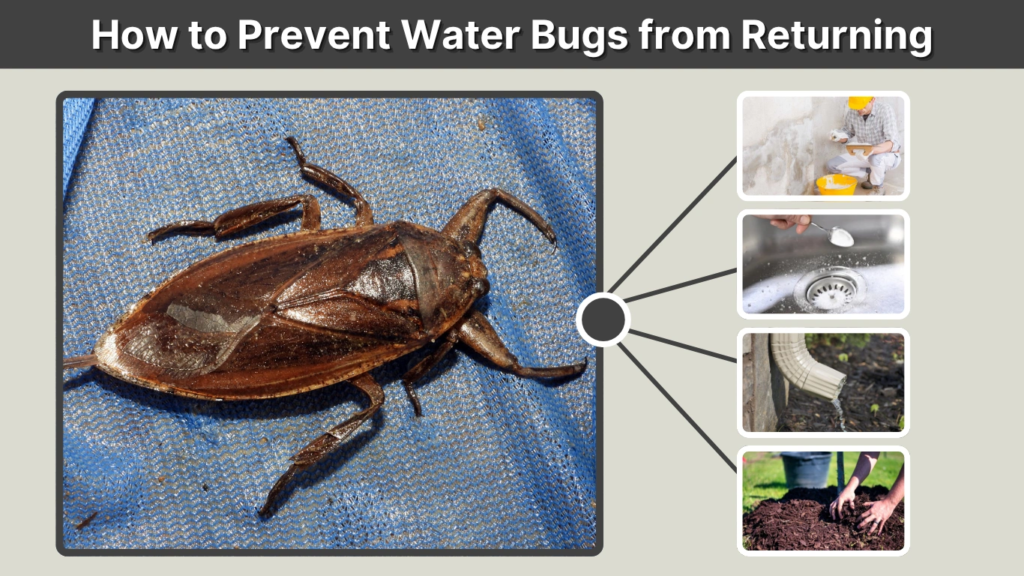
Once you eliminate the current infestation, ongoing prevention is essential to keeping them out for good.
- Keep your home dry: Check for leaks and reduce humidity in damp rooms.
- Clean drains weekly: Pour boiling water or vinegar and baking soda to clear buildup.
- Remove outdoor attractants: Keep gutters clear and ensure water flows away from your foundation.
- Maintain landscaping: Trim vegetation near walls and keep mulch or debris away from the house perimeter.
- Limit outdoor lights: Bright lights attract flying water bugs at night. Switch to yellow “bug-safe” bulbs.
Scheduling routine home inspections every few months can also catch problems before they grow into infestations.
FAQs
What causes water bugs to enter houses?
Water bugs are attracted to moisture, warmth, and food. Leaky pipes, standing water, and poor ventilation are common reasons they enter homes, especially during warm or rainy weather.
Are water bugs and cockroaches the same?
No. True water bugs live in outdoor ponds and streams, while most indoor “water bugs” are actually cockroaches such as the American or Oriental species.
Can water bugs bite humans?
True aquatic water bugs (giant water bugs) can bite if handled, but they rarely enter homes. Indoor roach-type water bugs do not bite.
How can I get rid of water bugs naturally?
Try boric acid, diatomaceous earth, vinegar spray, or citrus oil. Keep drains clean, fix leaks, and dry moist areas to make your home less appealing to them.
Why do I keep seeing water bugs in my house?
If water bugs keep appearing, there may be an unresolved moisture source or hidden cracks where they’re entering. Check plumbing, drains, and foundations for leaks or gaps, and continue with regular cleaning and sealing.
