

Stink bugs are becoming increasingly common across Texas, appearing in gardens, homes, and even cities like Austin and Houston. Known for their shield-shaped bodies and unpleasant odor, these insects vary in color and size depending on the species and region. While mostly harmless to humans, they can damage crops and emit a strong smell when disturbed. This guide explores their types, identification, and control methods across Texas.
Types of Stink Bugs Found in Texas
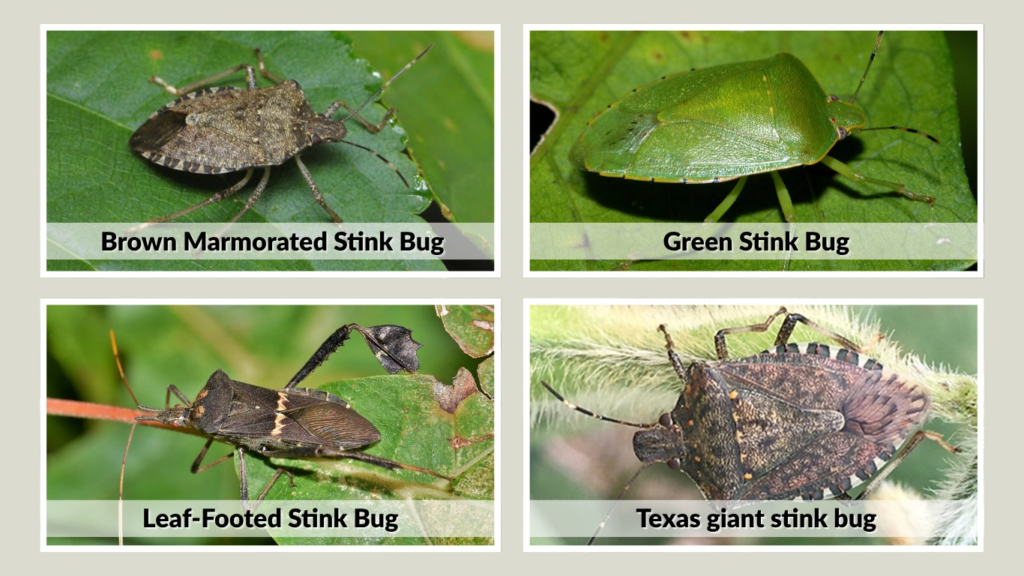
Common Texas Stink Bugs
Texas hosts several types of stink bugs, including the brown marmorated stink bug, green stink bug, and leaf-footed stink bug. The brown marmorated variety is a recent invader, recognized by its mottled brown color and light bands on its antennae. The green stink bug, common in summer, damages tomatoes and beans. Leaf-footed stink bugs, easily spotted by their flat hind legs, are often mistaken for kissing bugs.
Rare or Large Species
Some regions of Texas also report sightings of the giant strong-nosed stink bug and the Texas giant stink bug, both notable for their size and dark color. The black stink bug with yellow legs is another native species, seen mainly in Central and East Texas. Though large and intimidating, these bugs pose little threat to humans but can be destructive to crops.
Regional Variations
Stink bug populations vary across the state. North and Central Texas often see brown and green stink bugs during warm months, while South Texas tends to have red and black varieties. In East Texas, farmers frequently encounter rough and grey stink bugs near forests and fields. Urban sightings in Austin and Houston rise in fall as bugs seek warmth indoors.
Identification and Appearance
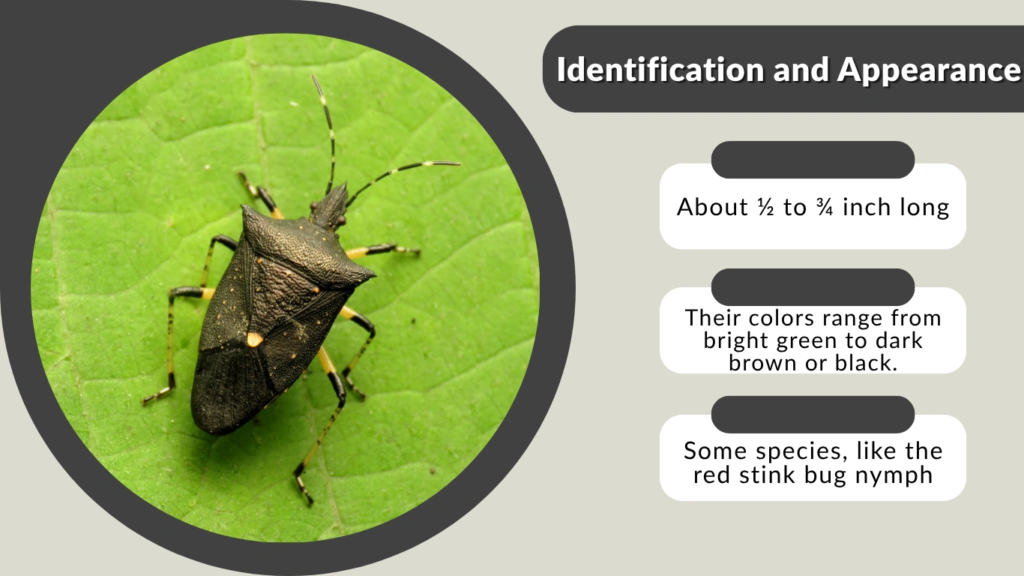
Color and Shape Variations
Stink bugs are typically shield-shaped and measure about ½ to ¾ inch long. Their colors range from bright green to dark brown or black. Nymphs, or immature stink bugs, often appear black with white or brown spots. Some species, like the red stink bug nymph, display striking red and black patterns before reaching adulthood.
Scientific Details
The Texas green stink bug belongs to the Chinavia hilaris species, while the brown marmorated stink bug is Halyomorpha halys, an invasive type originally from Asia. Stink bugs are sometimes confused with beetles or leaf-footed bugs, but their distinct odor and flat, triangular body help differentiate them.
Behavior and Habitat
Where They Live
Stink bugs thrive in gardens, farms, and residential areas. They are particularly attracted to tomato plants, bean crops, and fruit trees. During cooler months, they seek warmth inside houses, hiding in cracks, windowsills, or attics. In rural areas, they are commonly found near bean fields and tall weeds.
Feeding Habits
Stink bugs feed on plant sap by piercing fruits and vegetables with their needle-like mouths. This leaves behind dark spots and deformed produce, especially on tomatoes. The green and brown stink bugs are the most destructive to crops, while predatory stink bugs, though rare, help control other pest populations.
Stink Bug vs. Kissing Bug in Texas

| Feature | Stink Bug | Kissing Bug |
| Odor | Emits strong, unpleasant smell | No odor |
| Bite | Does not bite humans | Can bite and transmit disease |
| Shape | Broad, shield-shaped body | Narrow, long-nosed body |
| Behavior | Garden pest, feeds on plants | Feeds on blood, especially at night |
| Risk | Harmless but smelly | Potentially dangerous to humans |
Many Texans confuse stink bugs with kissing bugs. The latter are medically significant because they can transmit Chagas disease, while stink bugs are simply nuisance pests. A quick identification tip: stink bugs have a more rounded, shield-like body and emit an odor when handled.
Dangers and Reactions

Are Texas Stink Bugs Dangerous?
Stink bugs in Texas are generally not dangerous to humans or pets. They do not sting or bite but release a strong odor as a defense mechanism when crushed or threatened. This smell, caused by chemicals from their glands, can linger and cause mild irritation to some people or pets if exposure is close.
Stink Bug Smell and Spray Reaction
When threatened, stink bugs spray a foul-smelling liquid that can irritate the skin, eyes, or even the nose. Some people report a burning sensation when the spray contacts sensitive areas, like the face. The smell is strong enough to repel predators, and washing with soap and water helps remove the odor quickly.
Bites and Myths
A common myth among Texans is that stink bugs bite humans, but they lack the mouthparts to pierce skin. Their sharp beak is designed for feeding on plants, not animals. However, their appearance often leads people to mistake them for kissing bugs, which do bite and can transmit diseases.
Controlling and Preventing Stink Bugs

Natural and Home Remedies
One of the simplest home remedies for stink bugs in Texas is a soapy water trap. Fill a shallow bowl with dish soap and water—bugs that fall in will drown. Neem oil, peppermint spray, and diatomaceous earth also work as natural deterrents. Keep lights dim at night, as stink bugs are drawn to bright light sources.
Garden Management
To protect crops like tomatoes and beans, inspect plants regularly for clusters of eggs or nymphs. Remove them by hand or spray leaves with a mild soap solution. Companion planting with marigolds or garlic can repel stink bugs naturally. Cleaning up fallen fruit and weeds reduces hiding spots near gardens.
Professional Pest Control Options
If infestations grow severe—especially indoors during fall—consider hiring a licensed pest control service. Professionals can apply safe, long-lasting insecticides around door frames, attics, and vents to block entry. Sealing cracks, repairing screens, and vacuuming dead bugs helps maintain a stink-bug-free home year-round.
FAQs
What attracts stink bugs in Texas homes?
Stink bugs are drawn to warmth and light, especially in cooler months. They enter homes through cracks, vents, and window gaps while seeking shelter. Leaving outdoor lights on at night or storing fruits indoors can attract them. Sealing openings and turning off unnecessary lights helps prevent entry.
Are stink bugs in Texas harmful to pets or humans?
No, stink bugs aren’t harmful. They don’t bite, sting, or spread disease. However, their defensive odor can irritate the eyes, nose, or throat if released nearby. Pets may experience mild stomach upset if they eat one, but it’s not considered dangerous or toxic.
How can I identify the brown marmorated stink bug in Texas?
This species is mottled brown with light-colored bands on its antennae and legs. Its shield-shaped body has a marbled pattern, and the edges feature alternating dark and light markings. It’s slightly larger than native species and often appears indoors during fall and winter.
Do stink bugs damage tomato plants in Texas gardens?
Yes, stink bugs feed by piercing tomato skins and sucking out the juice. This causes discoloration, small sunken spots, and distorted fruit growth. Regular inspection, removing weeds, and using fine mesh covers can protect crops from heavy infestations during the growing season.
What’s the best way to get rid of stink bugs in Texas naturally?
Use a soapy water trap, apply neem oil, and seal entry points around your home. Vacuuming visible bugs and using garlic or peppermint sprays also helps repel them. Avoid crushing stink bugs, as this releases a strong odor—dispose of them outdoors or drown them instead.
