

Stink bugs are a major problem for tomato growers, feeding on ripe and unripe fruits across home gardens and farms. These shield-shaped pests use their sharp mouthparts to pierce tomatoes and suck out juices, leaving behind pale spots and deformed fruit. Common in warm regions, they thrive in late summer when tomatoes are at peak ripeness. This guide explains how to identify stink bugs, recognize the damage they cause, and manage them naturally.
Identifying Stink Bugs on Tomato Plants
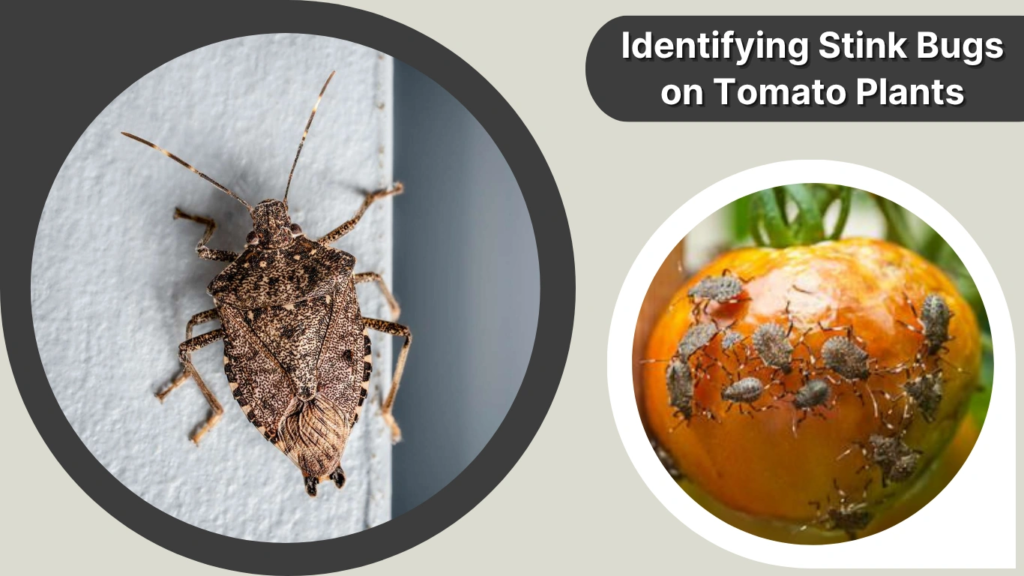
Common Stink Bug Species on Tomatoes
The green stink bug (Chinavia hilaris) is one of the most widespread species on tomato plants. It’s bright green with a shield-like body and is particularly active from June through September. The brown marmorated stink bug (Halyomorpha halys), an invasive species from Asia, has a mottled brown shell and light bands on its antennae. Another common impostor is the leaf-footed bug, often mistaken for a stink bug because of its similar shape and foul odor.
In addition to adults, tomato plants often harbor nymphs—the immature stage of stink bugs—which are smaller, rounder, and often black, green, or white-spotted. These nymphs can be found clustering on the underside of leaves or near ripening fruit.
How to Recognize Stink Bug Presence
Early detection is key to preventing damage. Look for:
- Clusters of white or cream-colored eggs on the underside of leaves.
- Nymphs feeding in groups, especially near developing fruits.
- Small brown or yellow puncture marks where the bugs have fed.
- A distinct, pungent odor released when the bugs are disturbed.
Checking tomato plants early in the morning or late in the evening often reveals the most activity since stink bugs prefer cooler parts of the day.
Stink Bug Damage on Tomatoes

Visible Signs of Damage
Stink bug feeding causes a distinctive type of injury called “cloudy spot damage.” When the bug pierces the tomato’s skin to feed, it injects digestive enzymes that damage the fruit tissue. This leads to:
- White, yellow, or greenish spots on the surface.
- Sunken or hardened areas under the skin.
- Discoloration and blotching, making tomatoes less appealing.
- Deformed fruit, especially when feeding occurs early in development.
Though these marks don’t make the tomatoes poisonous, they significantly reduce market and visual quality. Over time, the damaged areas can invite fungal growth and premature rotting.
Impact on Plant Health
While stink bugs mainly target the fruit, heavy infestations can stress the entire tomato plant. Repeated feeding drains nutrients, stunts growth, and may lead to leaf curling or yellowing. Plants grown in crowded or weedy areas are especially vulnerable since those spots provide ideal hiding places for adult stink bugs.
Do Stink Bugs Eat Tomato Plants?

Yes, but not in the traditional chewing way. Stink bugs use piercing-sucking mouthparts to feed on the juice of tomatoes and occasionally stems or leaves. Both adult and nymph stink bugs feed in this manner, preferring soft, ripening fruit. Their feeding not only ruins the appearance of the tomato but also introduces enzymes that cause tissue breakdown and uneven ripening.
Unlike caterpillars or beetles, stink bugs don’t leave holes or bite marks. Instead, their damage appears as small, hard spots just beneath the skin. Over time, these spots darken, making the fruit unsuitable for sale but still safe to eat if trimmed properly.
How to Get Rid of Stink Bugs on Tomato Plants
Natural Remedies and Organic Control
Organic gardeners can manage stink bugs effectively using simple, non-toxic methods. Neem oil sprays are one of the most reliable options — the oil disrupts the insects’ hormone system, preventing growth and reproduction. Mix neem oil with water and spray directly on leaves and fruit once every 7–10 days.
Soapy water traps also work well. Fill a bucket or bowl with warm water and a few drops of dish soap; when stink bugs fall in, they drown instantly. Handpicking adults and nymphs early in the morning and dropping them into soapy water is a safe and effective way to reduce populations.
Another natural deterrent is garlic or mint spray, which repels stink bugs without harming beneficial insects. Combine crushed garlic or mint leaves with water, strain, and apply to plants weekly.
Preventing and Managing Stink Bug Infestations
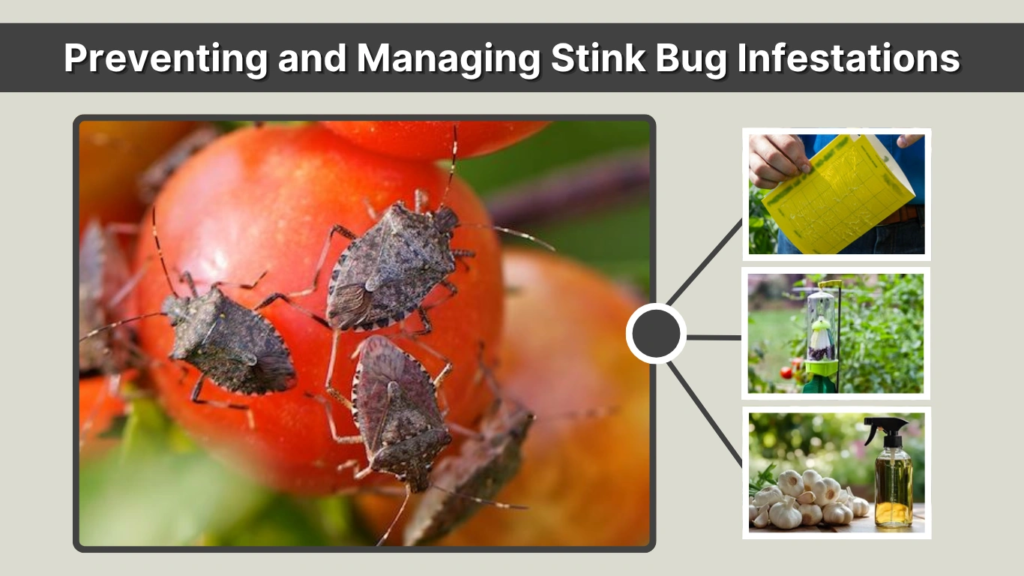
Preventive Garden Practices
The most effective way to stop stink bugs from taking over your tomato plants is through preventive maintenance. Remove weeds, tall grass, and old plant debris that provide shelter. Practice crop rotation—avoid planting tomatoes in the same spot every year to prevent overwintering populations. Install floating row covers during early growth stages to block stink bugs from landing on plants. Encouraging beneficial predators, like parasitic wasps and assassin bugs, naturally reduces stink bug numbers.
Another key step is timing. Monitor tomato plants early in the morning, when stink bugs are less active. If you spot eggs on leaves, scrape them off into soapy water before they hatch. Maintaining proper spacing between plants improves airflow and makes it harder for stink bugs to hide.
Chemical and Professional Control
Safe Insecticide Options
When organic methods aren’t enough, use pyrethrin-based insecticides or spinosad sprays labeled safe for edible crops. Apply these in the early evening when pollinators are inactive. Always follow the manufacturer’s safety instructions and avoid spraying directly on ripe fruits that will be harvested soon.
For larger infestations, consider systemic insecticides designed for agricultural use, but ensure they are approved for tomato plants. Avoid broad-spectrum chemicals, which can harm bees and beneficial insects that help manage stink bug populations.
When to Seek Professional Help
If stink bugs continue returning despite control efforts, or if your tomato garden is part of a large farm or greenhouse, it’s time to call a licensed pest control expert. Professionals can inspect the environment, identify entry points, and use safe, targeted treatments to eliminate the infestation. They may also recommend long-term preventive strategies specific to your region’s conditions.
Are Tomatoes with Stink Bug Damage Safe to Eat?
Tomatoes affected by stink bugs are generally safe to eat if the damage is minor. Stink bugs do not inject toxins or harmful chemicals. However, damaged areas may become discolored or tough, and bacteria can enter through puncture wounds, leading to quicker spoilage. Simply cut away affected spots and use the remaining parts for cooking or sauces.
Avoid eating tomatoes that appear moldy, watery, or have a fermented smell, as those signs indicate deeper contamination. Washing tomatoes thoroughly before eating helps remove any residue or bug secretions.
FAQs
What does stink bug damage look like on tomatoes?
Stink bug damage appears as small, cloudy white or yellow spots on the skin. Underneath, the flesh feels hard and discolored. Over time, these punctures darken and the fruit may develop sunken areas or uneven ripening. The outer surface often looks blotchy, making the tomato less appealing but still edible.
Do stink bugs eat tomato leaves or just the fruit?
Stink bugs primarily feed on the fruit but may also pierce young stems or leaves when food is scarce. Their piercing mouthparts allow them to suck out plant juices, leaving behind tiny scars. While leaf damage is rare, continuous feeding weakens the plant and affects fruit yield.
What kills stink bugs on tomato plants naturally?
Natural methods like neem oil spray, soapy water traps, and hand removal are highly effective. You can also plant mint, garlic, or basil nearby to repel them. Encourage beneficial insects such as ladybugs and parasitic wasps that feed on stink bug eggs and nymphs, helping maintain a natural balance.
Can you eat tomatoes that have stink bug damage?
Yes, tomatoes with minor stink bug damage are safe once the blemished areas are cut away. The bugs don’t release harmful toxins, but the affected areas may be tough or flavorless. Rinse the fruit well before eating or cooking, and discard any tomatoes that show signs of rot or mold.
How can I prevent stink bugs from returning to my tomato garden?
Keep your garden clean by removing weeds and debris where stink bugs hide. Use floating row covers, apply neem oil regularly, and avoid leaving ripe tomatoes on the vine too long. Seal nearby cracks or outdoor structures where bugs may overwinter. A consistent routine is the best long-term prevention.
