

Bed bug infestations can spread rapidly, causing discomfort, stress, and sleepless nights. Effective bed bug treatment requires a combination of professional intervention and at-home care. From heat treatment to chemical sprays and natural remedies, understanding each method helps ensure that the infestation is eliminated completely and safely. This guide explains how different treatments work, their costs, and how to manage bites for lasting protection.
Understanding Bed Bug Infestations
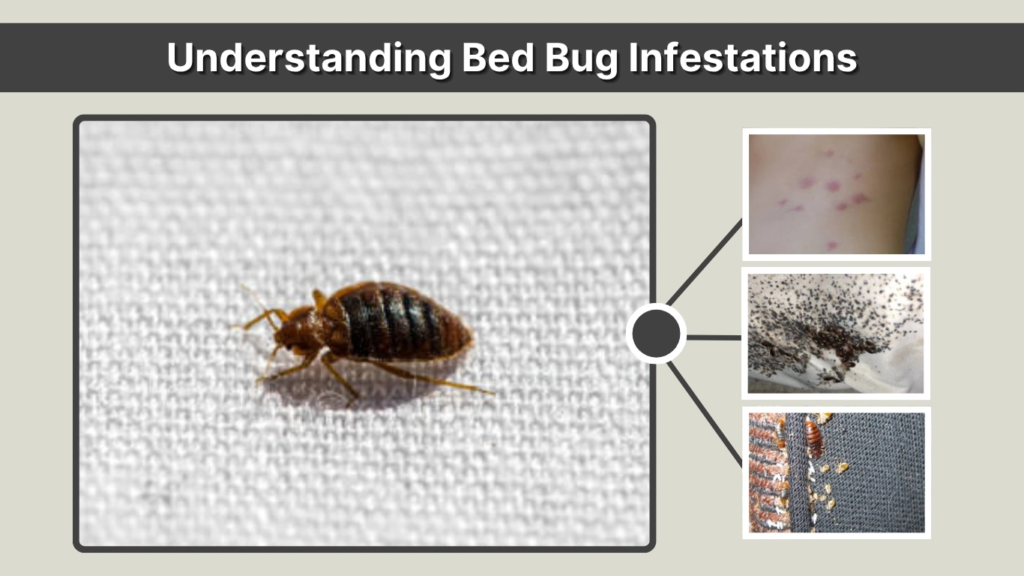
Bed bugs are small, reddish-brown insects that feed on human blood, typically at night. They hide in cracks, furniture seams, and bedding during the day, making them difficult to detect. An infestation often begins with just a few bugs but can multiply quickly if untreated.
Common signs include:
- Small, itchy bites in clusters or straight lines on the skin
- Tiny black stains on mattresses and furniture (dried fecal matter)
- Shed skins or eggshells near sleeping areas
- A faint musty odor in heavily infested rooms
Acting quickly is critical because bed bugs reproduce rapidly—females can lay hundreds of eggs in their lifetime. Early detection and professional treatment prevent larger infestations and reduce long-term costs.
Types of Bed Bug Treatments
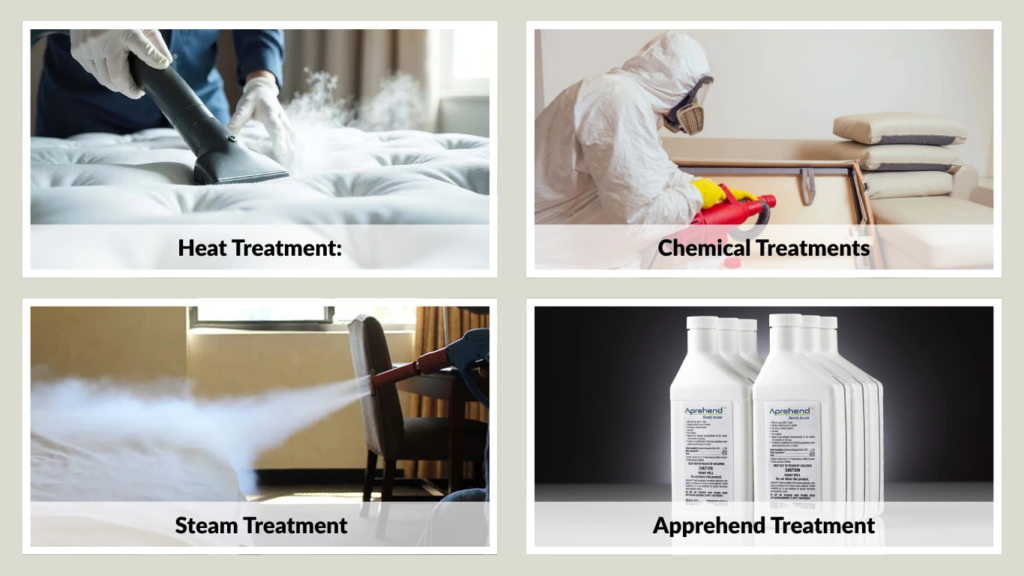
There are two main categories of bed bug treatments: professional treatments and DIY or home treatments. Each has its own advantages, depending on the size of the infestation and your budget.
Professional Bed Bug Treatments
Professionals use specialized equipment and chemicals to eliminate bed bugs at all life stages. Common professional methods include:
- Heat Treatment: Raises room temperature to lethal levels (around 118–135°F or 48–57°C) to kill bed bugs and eggs in one session.
- Chemical Treatments: Licensed experts apply insecticides such as pyrethroids or desiccants, often over multiple visits.
- Steam Treatment: Directs high-temperature steam into mattresses, furniture, and carpets to destroy eggs and bugs instantly.
- Apprehend Treatment: A biological fungal spray that infects and kills bed bugs naturally over time.
DIY and Home Treatments
For minor infestations, homeowners can use DIY options such as:
- Over-the-counter bed bug sprays and powders
- Regular vacuuming and laundering
- Diatomaceous earth and natural oils as repellents
- Mattress encasements and interceptors
While these methods can help, they rarely eliminate large infestations entirely without professional help.
Bed Bug Heat Treatment
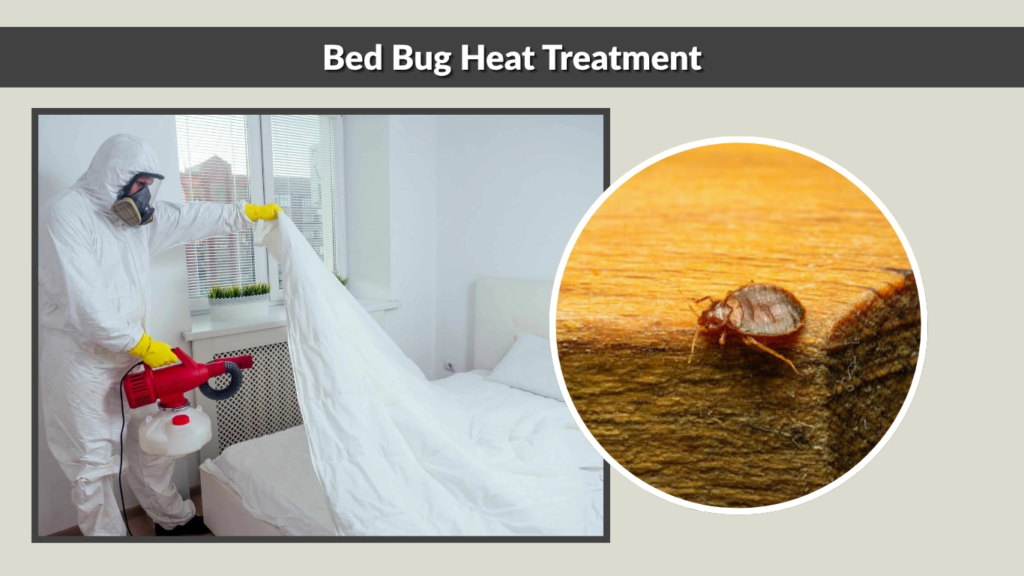
Heat treatment is one of the most effective professional methods for complete elimination. It works by heating infested rooms to temperatures that kill both bed bugs and their eggs instantly.
Process Overview:
- Pest control experts seal and heat the affected area using specialized equipment.
- The temperature is maintained above 118°F (48°C) for at least 90 minutes.
- Fans and heaters ensure even heat distribution in all crevices and fabrics.
Benefits:
- Destroys all life stages in one treatment
- Chemical-free and safe for humans and pets
- No residue left behind
Drawbacks:
- High cost compared to other methods
- Requires professional supervision to avoid property damage
Heat treatment is ideal for severe infestations and large spaces because it penetrates deeply into furniture, mattresses, and walls.
Bed Bug Chemical Treatment
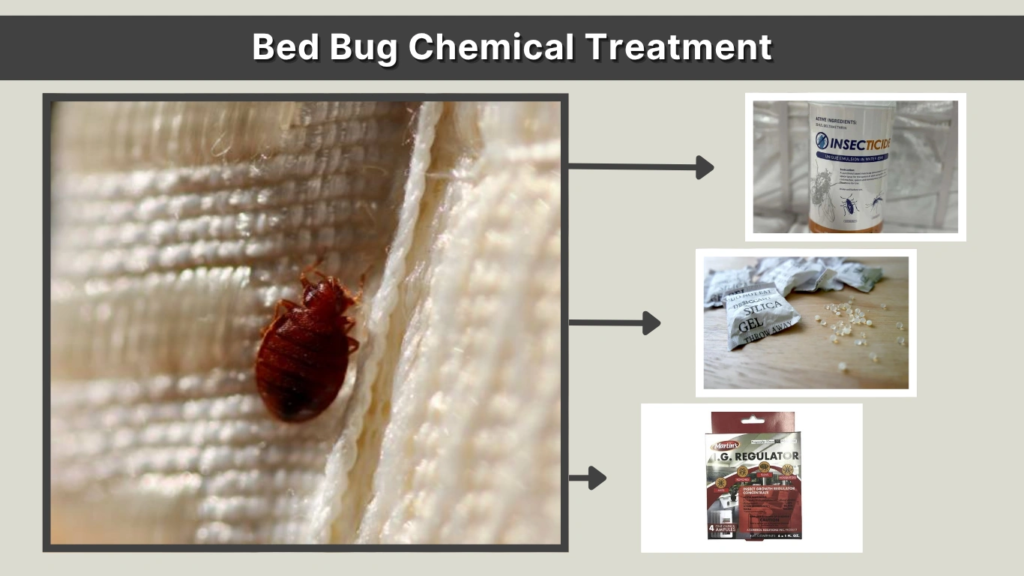
Chemical treatments use insecticides that either kill bed bugs on contact or prevent them from reproducing. These treatments are often combined with inspection and follow-up visits.
Common Chemicals Used:
- Pyrethroids: Fast-acting, widely used chemicals for surface treatment.
- Desiccants: Such as silica gel or diatomaceous earth, which dehydrate and kill bugs over time.
- Insect Growth Regulators (IGRs): Disrupt reproduction cycles, preventing new infestations.
Advantages:
- Cost-effective compared to heat treatments
- Works for moderate infestations
- Long-lasting protection if applied properly
Limitations:
- Some bed bugs have developed resistance to certain chemicals
- May require multiple treatments
- Must be handled carefully to ensure safety
Professional pest control companies often combine chemical and heat treatments for maximum effectiveness, especially in persistent infestations.
Bed Bug Treatment at Home
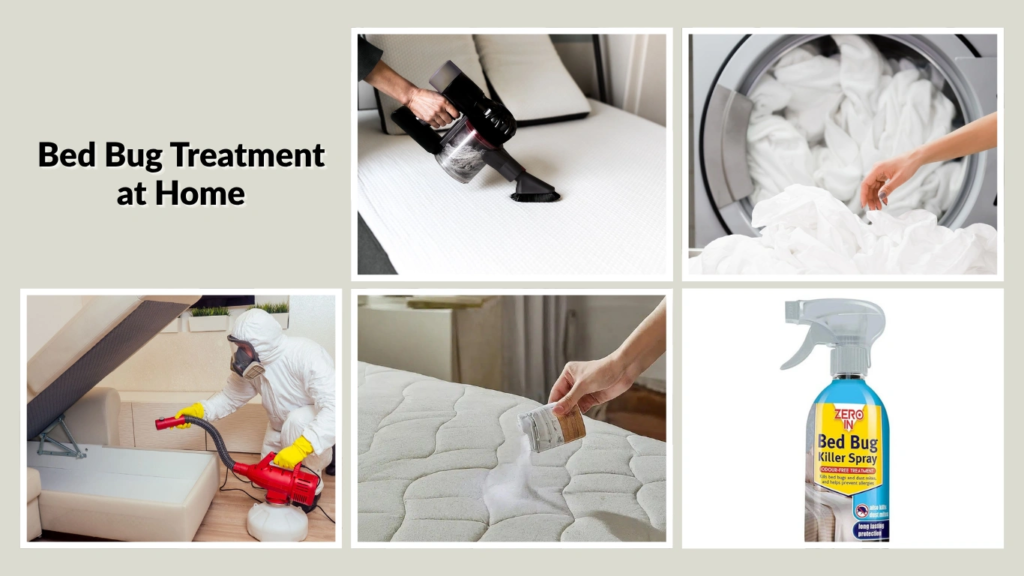
For smaller infestations, you can start with a structured home treatment plan before calling professionals. Here’s how to manage it step-by-step:
- Declutter and Clean: Remove unnecessary items that could harbor bugs.
- Vacuum Thoroughly: Focus on seams, cracks, and under furniture. Dispose of the vacuum bag immediately.
- Wash and Dry Bedding: Use hot water above 120°F (49°C) and high dryer heat for 30–45 minutes.
- Use Diatomaceous Earth: Sprinkle it lightly around baseboards, bed frames, and carpets.
- Apply Bed Bug Sprays: Over-the-counter products can help, but reapply regularly.
- Steam Clean: Use a handheld steamer for mattresses and upholstery.
While these steps can control an infestation, professional follow-up ensures complete eradication. Bed bugs are resilient, and missing even a few eggs can lead to a recurrence.
Bed Bug Bite Treatment
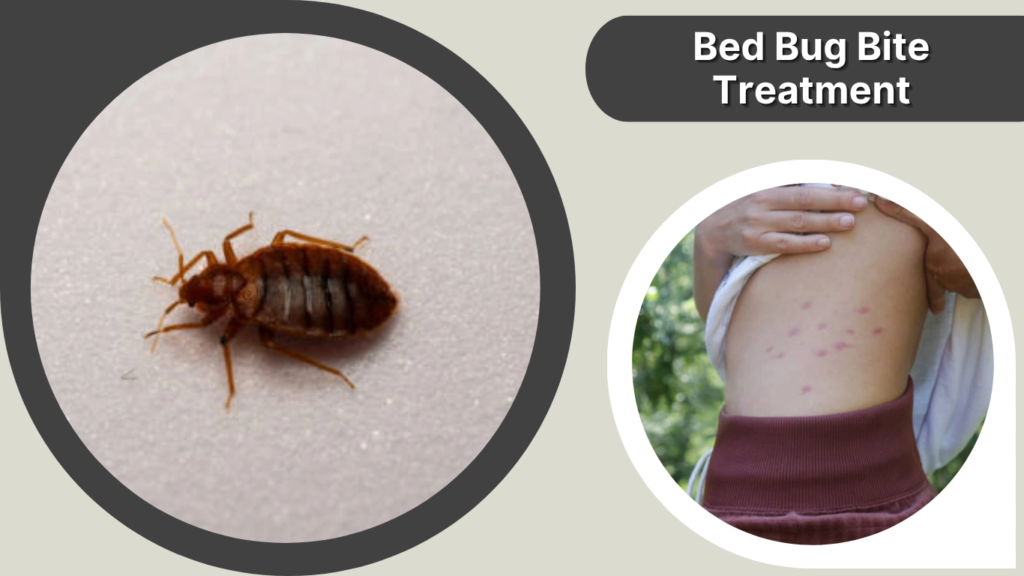
Bed bug bites are not dangerous but can cause significant irritation and allergic reactions. Treating them promptly helps reduce swelling, itching, and secondary infections.
Medical and Over-the-Counter Remedies
- Hydrocortisone Cream: Reduces inflammation and itching.
- Antihistamines: Relieve allergic reactions and redness.
- Calamine Lotion: Soothes skin irritation and prevents scratching.
- Antibiotic Ointments: Used if bites become infected from scratching.
If bites cause severe swelling or allergic responses, consult a dermatologist or physician immediately.
Home Remedies for Bed Bug Bites
For mild reactions, natural treatments can provide relief:
- Apply aloe vera gel to soothe irritation.
- Use oatmeal paste or cold compresses to reduce swelling.
- Avoid scratching the affected area to prevent infection.
Bed bug bites usually heal within one to two weeks, but treating both the skin and the infestation is essential to prevent recurrence.
Professional Bed Bug Treatment Process
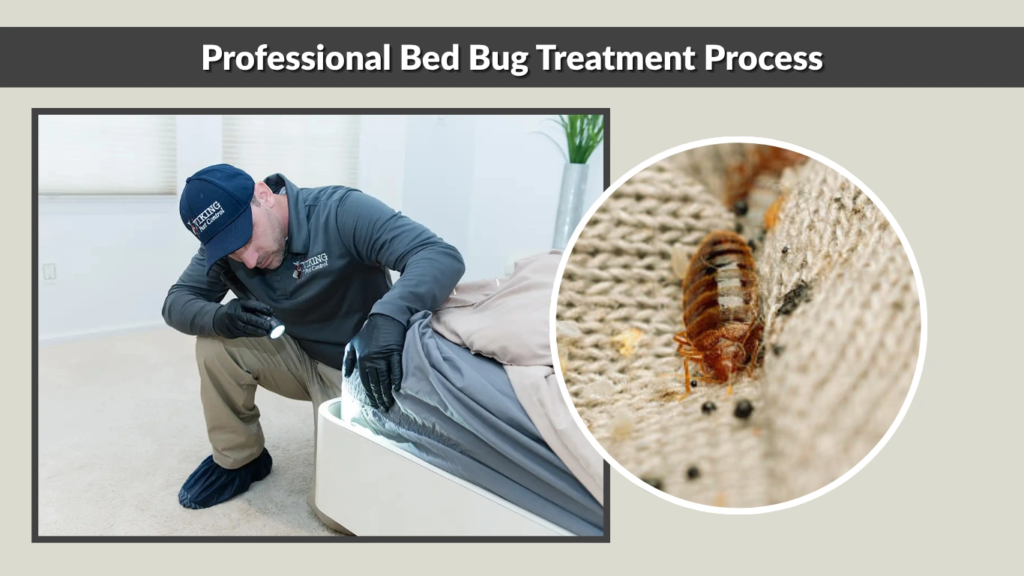
Professional pest control follows a strategic, multi-step approach to ensure total elimination:
- Inspection: Experts use detection tools and visual checks to identify infestation sites.
- Preparation: Homeowners follow a checklist, removing linens, vacuuming, and sealing personal items.
- Treatment Application: Depending on the method—heat, steam, or chemical—professionals treat all affected areas.
- Follow-Up Visits: Typically 10–14 days later, to ensure all eggs and nymphs are eradicated.
- Post-Treatment Monitoring: Bed bug interceptors and traps are used to detect any remaining activity.
Professional treatments guarantee results, often with warranties that cover additional visits if the infestation persists.
Cost of Bed Bug Treatment
The cost of bed bug treatment varies depending on the method, infestation size, and property type. On average, professional bed bug extermination costs between $300 and $1,500, but larger or severe infestations can exceed $2,000.
Heat Treatment Cost
Heat treatment is one of the most effective but also most expensive options.
- Per Room: $400–$800
- Full Home: $1,500–$4,000
The higher price comes from specialized heating equipment, temperature monitoring, and labor costs.
Chemical Treatment Cost
Chemical treatments typically cost $200–$600 per room or around $1,000 for a full home. Since these often require two or more visits, the total expense depends on the infestation’s persistence and the treatment frequency.
Steam and Vacuum Treatments
Steam-only treatments range from $250 to $700, depending on the size of the area. They are eco-friendly and ideal for smaller infestations or sensitive environments such as nurseries or hospitals.
Orkin and Other Pest Control Services
Companies like Orkin or Terminix provide customized packages with inspection, follow-ups, and guarantees.
- Orkin’s bed bug treatment generally costs $1,000–$3,000, depending on the region and property size.
- Financing options and installment plans are available, making treatments more affordable for homeowners.
Factors Affecting Bed Bug Treatment Cost
Several factors influence the total cost of bed bug treatment. Understanding these helps you budget effectively and choose the most suitable method.
- Infestation Severity: Larger infestations require more time, resources, and follow-up visits.
- Home Size: Bigger properties increase the overall treatment cost due to extended coverage.
- Treatment Method: Heat treatment costs more than chemical or DIY methods but delivers immediate results.
- Accessibility: Hard-to-reach hiding spots like wall voids, electrical outlets, or floor cracks may require specialized equipment.
- Location: Costs vary by city; urban areas like NYC often have higher service charges.
- Follow-Up Visits: Professional exterminators may schedule second or third visits to ensure full elimination, adding to the final bill.
Considering these variables, a consultation and inspection quote are essential before selecting a service.
After Treatment: What to Expect
When to Return Home
After professional bed bug treatment, it’s safe to re-enter your home once the chemicals have dried or the temperature has stabilized. For chemical treatments, wait at least 4–6 hours before returning. For heat treatments, re-entry is typically allowed after 2–3 hours once cooling is complete.
Washing and Cleaning
After treatment:
- Wash all bedding, clothing, and linens in hot water.
- Vacuum floors, carpets, and upholstery to remove any residue or dead bugs.
- Dispose of vacuum bags outside immediately after use.
Monitoring and Reinspection
Professionals often recommend placing bed bug interceptors under bed legs to detect surviving insects. If any are found within two weeks, a follow-up treatment is required. Consistent inspection prevents re-infestation and ensures that no hidden eggs hatch later.
Bed Bug Treatment for Pets and Vehicles
Bed bugs can hide in pet bedding, car seats, and luggage but do not live on animals.
For Pets
- Wash your pet’s bedding in hot water.
- Vacuum around crates, rugs, and feeding areas.
- Use pet-safe sprays designed specifically for bed bugs.
Never apply chemical insecticides directly to pets—consult a veterinarian for safe alternatives.
For Vehicles
- Vacuum car interiors thoroughly.
- Use portable heat treatment or steam cleaning on seats and carpets.
- Seal the vehicle for several hours in high heat (above 120°F) to ensure all stages are killed.
These targeted treatments help prevent bugs from transferring back into your home after elimination.
Comparing Bed Bug Treatment Options
Below is a quick overview comparing common treatment methods in terms of cost, safety, and effectiveness:
| Treatment Type | Effectiveness | Duration | Safety | Cost Range |
| Heat Treatment | 100% (kills all stages) | 1 day | Very Safe | $$$–$$$$ |
| Chemical Treatment | High (multiple visits) | 1–2 weeks | Moderate | $$–$$$ |
| Steam Treatment | Very Effective | 1–2 sessions | Safe | $$ |
| DIY/Home Methods | Moderate | Varies | Safe | $–$$ |
Heat treatment is the most effective but also the most expensive. For minor infestations, chemical or steam methods can achieve similar results at a lower cost.
Preventing Bed Bug Reinfestation
Prevention is as crucial as treatment. Once your home is pest-free, regular cleaning and monitoring help ensure bed bugs don’t return.
Key Prevention Steps
- Inspect regularly: Check mattress seams, sofa joints, and luggage after travel.
- Use protective covers: Encase mattresses and box springs to prevent future infestations.
- Declutter: Keep rooms clean and clutter-free to remove hiding spots.
- Seal Cracks: Caulk wall crevices, outlet covers, and furniture joints.
- Be Travel Smart: When returning from hotels, wash all clothes in hot water before unpacking.
Maintaining these habits significantly reduces the chances of re-infestation.
FAQs
How much does professional bed bug treatment cost?
The average cost ranges from $300 to $1,500 depending on home size and infestation severity. Heat treatments are more expensive but provide immediate results, while chemical options require multiple visits but cost less initially.
What is the best and most effective treatment for bed bugs?
Heat treatment is considered the most effective because it kills bed bugs and eggs in one session without using chemicals. However, a combination of heat, steam, and chemical treatment ensures long-term protection.
Can heat treatment damage furniture or walls?
No, professional heat treatments are carefully monitored to maintain safe temperatures. Trained technicians ensure that heat levels kill bugs without harming furniture, electronics, or wall materials.
When can I put clothes back after bed bug treatment?
After the treated area is safe to enter and dry, typically within 4–6 hours, you can place cleaned and heat-dried clothes back in closets or drawers. Always wash and dry clothes on high heat before returning them.
Is financing available for bed bug treatment?
Yes, many pest control companies, including Orkin, offer payment plans or financing options. This allows homeowners to start treatment immediately and spread the cost over several months without delay.
