

Bed bug eggs are one of the most critical signs of an early infestation. These tiny, pearl-white eggs are often hidden in seams, folds, or cracks near sleeping areas. Understanding what bed bug eggs look like and how to eliminate them effectively helps stop a small problem from turning into a full-blown infestation. This guide explains everything you need to know—from identifying bed bug eggs to killing them permanently.
What Do Bed Bug Eggs Look Like?

Bed bug eggs are small, oval-shaped, and resemble tiny grains of rice. They measure around 1 millimeter in length, making them barely visible to the naked eye. Freshly laid eggs appear pearly white or translucent, while older ones may look slightly yellowish. If you spot clusters of white specks in hidden areas like mattress seams or behind furniture, they are likely bed bug eggs.
You might also notice a sticky coating on the eggs. This adhesive allows them to cling to surfaces such as fabric or wood, making removal more challenging. When they hatch, the eggs leave behind translucent shells, which often indicate an active or recent infestation.
Bed Bug Egg Size, Shape, and Color
Bed bug eggs are oval and elongated, about the size of a pinhead. Newly laid eggs are soft, but as they mature, they become firmer. The color typically starts as pearly white, turning cream or light tan before hatching. You can often identify them under good lighting or with a magnifying glass.
If you find small white dots attached to bedding, upholstery, or cracks in furniture, don’t confuse them with dust or lint. Unlike dust, bed bug eggs maintain a consistent size and shine slightly when exposed to light.
Common Places Where Bed Bugs Lay Eggs

Bed bugs prefer to hide close to where humans sleep or rest, ensuring easy access to a food source. Here are the most common locations where they lay eggs:
- Mattresses and Box Springs: Especially in the seams, edges, and under mattress tags.
- Headboards and Bed Frames: Small cracks or joints offer secure hiding spots.
- Couches and Sofas: Inside cushions, under fabric seams, or in crevices.
- Clothing and Luggage: Eggs can cling to fabric folds or zippers.
- Baseboards and Walls: Gaps or screw holes provide sheltered egg-laying areas.
A single female bed bug can lay 200–500 eggs during her lifetime, which is why spotting and removing eggs early is essential.
Bed Bug Eggs on Different Surfaces
On Sheets and Bedding
When eggs are found on sheets, they typically appear as tiny white dots or dried specks. If the infestation is advanced, you may also see stains or shed skins. Washing bedding in hot water (above 120°F or 49°C) can kill both bed bugs and their eggs effectively.
On Mattresses
Bed bug eggs on mattresses often cluster near seams, tags, or buttons. You might find them along with small dark fecal stains or blood spots. Use a flashlight to inspect these areas closely, as eggs blend easily with light-colored fabric.
On Clothing and Furniture
Eggs may attach to the inner seams of clothing, curtains, or fabric upholstery. They are difficult to remove because of their sticky nature. Steam cleaning and thorough washing on high heat are the best methods for eradicating them from fabrics.
How Long Do Bed Bug Eggs Take to Hatch?

Under ideal conditions, bed bug eggs hatch within 6 to 10 days. However, temperature and humidity significantly influence this period. Warm and humid environments speed up hatching, while cooler temperatures can delay it. Once hatched, the nymphs (young bed bugs) immediately begin searching for blood meals to grow into adults.
If eggs remain unhatched for more than two weeks, they may be nonviable or dried out, especially if exposed to sunlight or treated surfaces. However, since not all eggs hatch simultaneously, repeated cleaning and treatment are necessary.
Life Cycle: From Egg to Adult Bed Bug

Understanding the bed bug life cycle helps explain how infestations spread rapidly. It includes the following stages:
- Egg Stage: Tiny, white, and sticky. They hatch in about a week.
- Nymph Stage: Nymphs resemble smaller versions of adult bed bugs but are lighter in color. They require a blood meal before each of their five molts.
- Adult Stage: Fully grown bed bugs are reddish-brown, about 5–7 mm long, and capable of laying new eggs.
A single pair of adult bed bugs can create a thriving colony in just a few weeks, emphasizing the importance of early detection.
How to Identify Bed Bug Egg Shells
After hatching, the bed bug eggs leave behind translucent, paper-like shells. These shells are often found grouped together and stuck to surfaces near feeding areas. You’ll usually find them alongside fecal stains or small reddish marks. The presence of many egg shells is a strong indication of a long-term infestation rather than a recent one.
Old or dried egg shells may look dusty or brittle. They are not harmful themselves but show that bed bugs have been reproducing in that area for some time. Vacuuming and steam cleaning are effective for removing them completely.
What Kills Bed Bug Eggs Instantly

Bed bug eggs are highly resistant to many household cleaners, but certain methods can destroy them quickly:
- Heat Treatment: Exposing eggs to temperatures above 118°F (48°C) for at least 90 minutes kills all stages of bed bugs. Professional heat treatments are often the most reliable solution.
- Steam Cleaning: Directing hot steam on mattresses, furniture, and cracks penetrates deep enough to destroy hidden eggs.
- Chemical Sprays: Use EPA-approved products containing pyrethroids, desiccants, or insect growth regulators (IGRs) for long-lasting effects.
- Alcohol or Bleach: While alcohol and bleach can kill live bed bugs on contact, they are less effective on eggs unless applied directly and thoroughly.
How to Kill Bed Bug Eggs Naturally
For those who prefer non-chemical methods, there are several safe and effective natural approaches to kill bed bug eggs. While these may take more time and effort, they are ideal for households with children or pets.
- Steam Cleaning: Using a high-temperature steamer on mattresses, carpets, and upholstery kills eggs on contact. The steam penetrates fabric and crevices where eggs are hidden.
- Vacuuming: Regular vacuuming helps remove both eggs and live bugs. Focus on seams, edges, and cracks, then seal and discard the vacuum bag outside your home.
- Washing and Drying: Wash infested clothing and bedding in hot water (above 120°F or 49°C) and dry on high heat for at least 30 minutes.
- Diatomaceous Earth: This natural powder dehydrates insects upon contact. Sprinkle it lightly along baseboards, mattress edges, and under furniture.
- Essential Oils: Some oils like tea tree, lavender, and peppermint have insecticidal properties. Mixing them with water and spraying on affected areas can repel bed bugs, although they work best as preventive rather than curative solutions.
Preventing Bed Bug Reinfestation
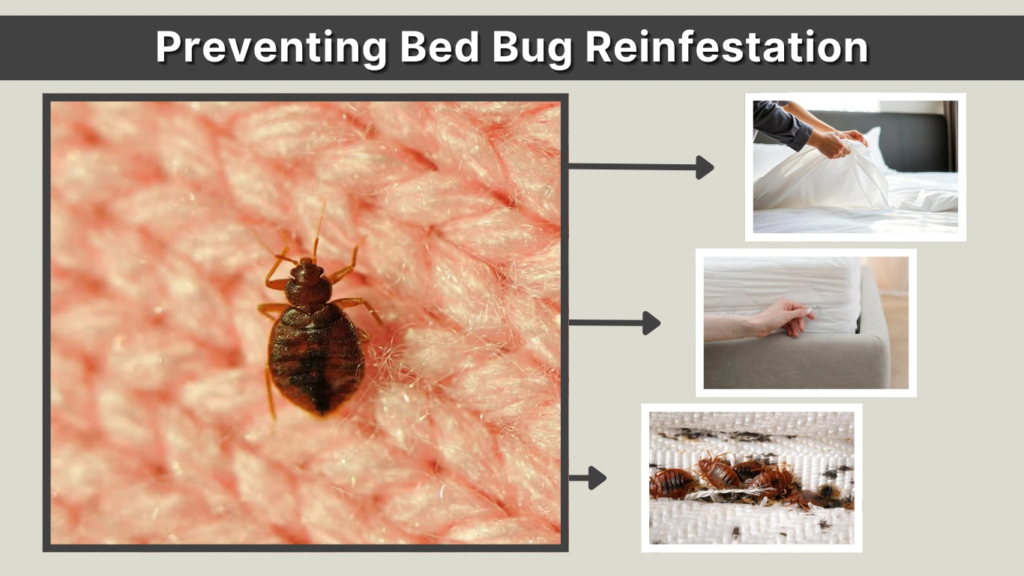
Eliminating bed bug eggs is only part of the process—prevention ensures they don’t return. Regular cleaning, inspection, and protective measures are essential to maintaining a bed-bug-free environment.
- Inspect Frequently: Examine bedding, seams, and furniture weekly, especially after travel or guests.
- Use Mattress Covers: Encasements designed for bed bugs trap remaining insects inside and prevent new ones from hiding in seams.
- Seal Cracks and Crevices: Bed bugs hide in the smallest gaps. Caulking cracks in walls or furniture removes breeding spaces.
- Minimize Clutter: Piles of clothes or unused items provide hiding spots. Keep rooms tidy to reduce infestation risks.
- Be Cautious When Traveling: Inspect hotel beds, luggage racks, and clothing before returning home. Washing travel clothes immediately in hot water helps prevent bringing eggs inside.
Professional pest control services also offer follow-up treatments to ensure no hidden eggs remain. Many infestations return because unhatched eggs survive the first round of cleaning or pesticide exposure.
Visual Identification of Bed Bug Eggs

Since bed bug eggs are small and difficult to see, visual comparison plays a key role in identifying them accurately. Photos or magnified views reveal their shiny, rice-like texture and subtle color variations.
How to Differentiate Bed Bug Eggs from Other Debris
- Color: True bed bug eggs are pearl-white or translucent. Dust or lint is duller.
- Shape: Eggs are oval with one end slightly pointed, unlike round particles.
- Cluster Pattern: Bed bugs lay eggs in groups, often lined up neatly or slightly overlapping.
- Location: Eggs are typically found near resting areas, not random floor spots.
Examining these details helps confirm an infestation and guides the proper course of treatment.
What Kills Bed Bugs and Their Eggs Permanently
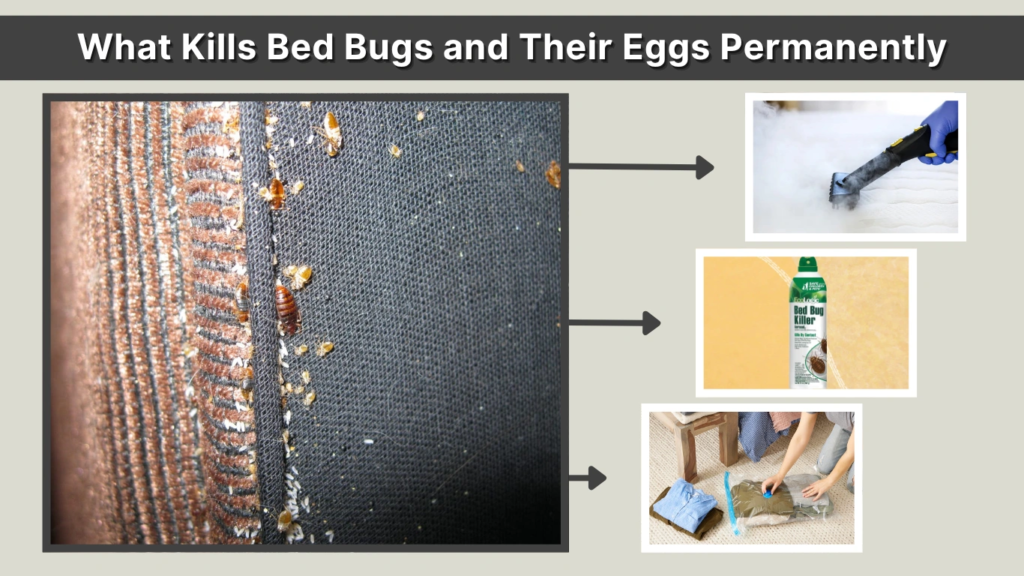
Eradicating both bed bugs and their eggs requires a combination of mechanical, chemical, and thermal methods. The most effective long-term strategies include:
- Professional Heat Treatment: Experts use controlled heat chambers or whole-room heaters to raise temperatures to lethal levels for bed bugs and their eggs.
- Residual Insecticides: Sprays containing pyrethrins, pyrethroids, or neonicotinoids target eggs and larvae while preventing re-infestation.
- Desiccant Dusts: Products like silica gel or diatomaceous earth work by drying out eggs and insects over time.
- Vacuum and Seal: Regular vacuuming combined with sealing infested items in plastic bags helps isolate and eliminate hidden eggs.
- Integrated Pest Management (IPM): This professional approach combines multiple methods—inspection, monitoring, heat, and chemicals—for complete eradication.
These steps are especially vital because bed bug eggs have natural resistance to many contact sprays. Without integrated treatment, even a few surviving eggs can restart an infestation.
Do Bed Bugs Lay Eggs in Hair or Skin?
A common myth is that bed bugs can lay eggs inside human skin or hair. Fortunately, this is not true. Bed bugs do not burrow or reproduce on living hosts. They prefer to hide in dark, stable environments close to humans—like furniture seams, mattress folds, or under wallpaper.
While they may crawl into hair temporarily while feeding, they cannot survive there for long. If you notice bites on your scalp or neck, they were likely caused by bed bugs feeding and then retreating to nearby hiding spots.
How Long Can Bed Bug Eggs Survive?
Bed bug eggs can survive for up to 30 days without hatching, depending on temperature and humidity. In cooler conditions, development slows down, allowing eggs to remain dormant for several weeks. However, without proper treatment, even unhatched eggs will eventually hatch once conditions improve.
Because of this delayed hatching, multiple treatments are often necessary. Professional exterminators typically recommend a second or third visit after 10–14 days to eliminate newly hatched bugs before they lay more eggs.
Are Bed Bug Eggs Visible to the Naked Eye?
Yes, bed bug eggs are visible, though they are very small. At about 1 millimeter long, they look like shiny grains of salt or rice. You might miss them at first glance, especially on light-colored surfaces. Using a magnifying glass or LED flashlight helps spot them more easily.
If you see clusters of these tiny white dots in bedding, behind headboards, or along wall edges, it’s a strong indicator of an infestation. You may also find empty eggshells nearby, confirming that some have already hatched.
FAQs
How long can bed bug eggs survive without hatching?
Bed bug eggs can last around 30 days before hatching, depending on temperature and humidity. Cooler conditions delay development, while warmth accelerates it. Even if eggs remain dormant, they can still hatch later, which is why follow-up treatments are vital to ensure complete eradication.
Can bed bugs lay eggs in your skin or hair?
No, bed bugs cannot lay eggs in your skin or hair. They only feed on blood for a few minutes, then hide in nearby cracks or fabrics. Unlike lice or fleas, bed bugs prefer dry, dark spaces and never attach themselves permanently to human hosts.
Does alcohol or bleach kill bed bug eggs effectively?
Alcohol and bleach can kill bed bug eggs on contact, but they must be applied directly and thoroughly. Alcohol evaporates quickly, reducing effectiveness. Bleach can damage fabrics and surfaces. For reliable results, combine these with steam cleaning or professional-grade insecticides.
What temperature kills bed bugs and their eggs?
Temperatures above 118°F (48°C) for 90 minutes or more kill both bed bugs and their eggs. Steam cleaning, hot washing, and professional heat treatments maintain these lethal temperatures effectively and safely throughout infested materials.
Are bed bug eggs visible to the naked eye?
Yes, though small, bed bug eggs are visible. They appear as pearl-white, oval specks around 1 mm long. They’re easiest to spot on dark fabrics or wood surfaces. Regular inspection of mattress seams and furniture joints helps identify them early before an infestation spreads.
