

When a yellow wasp stings, the pain is often sharp and immediate—but what comes next can vary greatly. While many people experience only minor swelling and redness, others may face intense allergic reactions that require urgent medical care. Whether you were stung during a picnic or while gardening, knowing how to recognize symptoms and respond quickly can make a big difference. In this article, we’ll walk you through what a yellow wasp sting feels like, how to treat it at home, and when it’s time to call a doctor.
What Happens When a Yellow Wasp Stings You
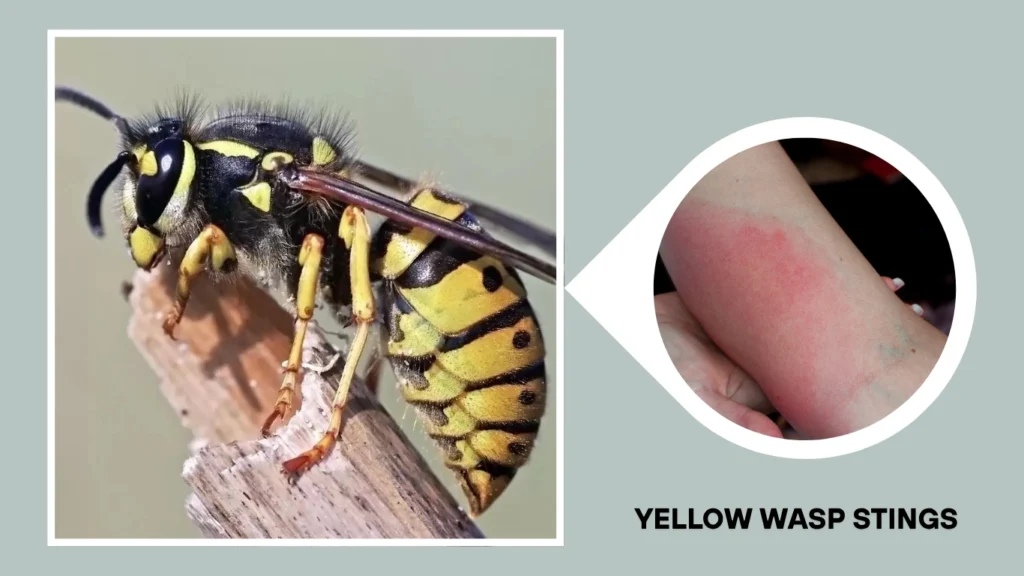
When a yellow wasp stings, it injects venom into your skin through a smooth, retractable stinger. This venom contains proteins that affect your blood cells and immune system, causing pain, inflammation, and sometimes an allergic reaction. Unlike bees, which leave their stinger behind, wasps can sting repeatedly, making encounters particularly painful. The body’s natural response is to release histamines, which create the redness, swelling, and itching around the sting site. The intensity of this reaction depends on your body’s sensitivity to the venom.
Common Symptoms of a Yellow Wasp Sting

Most yellow wasp stings trigger mild to moderate symptoms. The first sensation is usually a sharp, burning pain at the sting site, followed by redness and swelling. These effects often peak within the first hour and may last a few days.
Some people experience:
- Itching or tenderness in the affected area
- Warmth or a firm bump around the sting
- A red halo surrounding a white or raised center
In moderate cases, the swelling can expand several inches from the sting location. These reactions are uncomfortable but generally not dangerous if they remain localized.
Severe Allergic Reactions (Anaphylaxis)
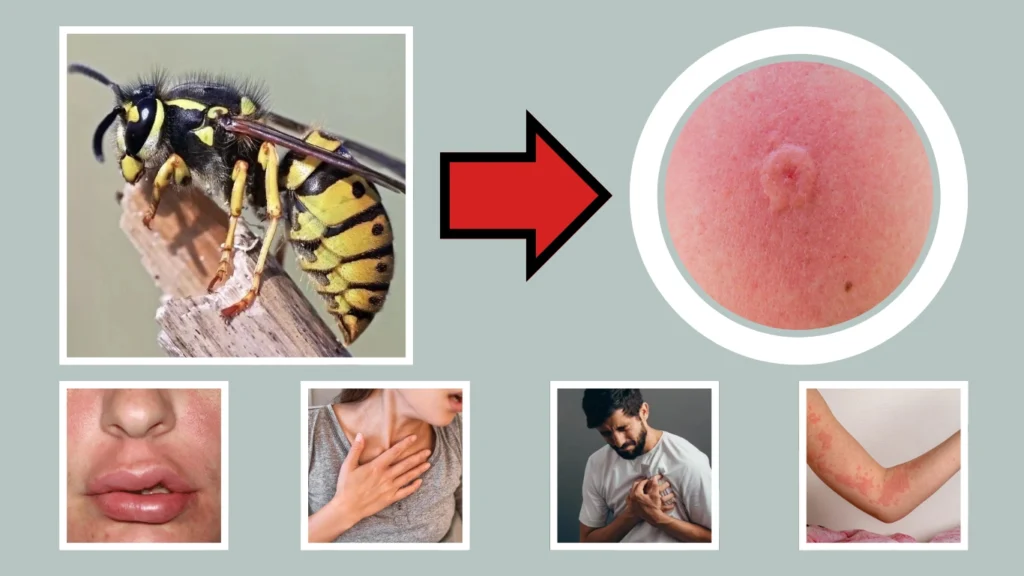
For some individuals, especially those allergic to wasp venom, the sting can trigger a life-threatening reaction called anaphylaxis. This can occur within minutes of being stung and needs immediate emergency care.
Signs include:
- Swelling of the face, lips, or throat
- Difficulty breathing or wheezing
- Rapid heartbeat or lightheadedness
- Skin rash or hives spreading beyond the sting site
People with a known wasp allergy should always carry an epinephrine auto-injector (EpiPen). Even a single sting can be fatal without prompt treatment.
Immediate First Aid Treatment

If you’re stung by a yellow wasp, quick action can help reduce pain and prevent complications. Start by moving away from the area to avoid more stings—wasps may become more aggressive if their nest is nearby.
Here’s what to do:
- Clean the sting site with soap and water to prevent infection.
- Apply a cold compress or ice pack wrapped in a cloth for 10–15 minutes to reduce swelling and numb the pain.
- Take over-the-counter medications like ibuprofen for pain or an antihistamine like diphenhydramine (Benadryl) to relieve itching.
- Avoid scratching the sting, as it can worsen inflammation or cause infection.
These steps usually provide relief within hours. Monitor the site closely for signs of a spreading reaction.
Home Remedies for Relief
In addition to basic first aid, several natural remedies may help soothe the sting:
- Baking soda paste (mix with water) can help neutralize the venom and ease discomfort.
- Aloe vera gel, known for its anti-inflammatory properties, can cool the skin and reduce redness.
- Apple cider vinegar or lemon juice may help neutralize the sting’s alkalinity, although their effectiveness varies.
- Oatmeal paste or baths may reduce itching and skin irritation if the reaction lingers.
These remedies work best for mild to moderate stings. If swelling or pain worsens after 24 hours, consult a healthcare provider.
When to Seek Medical Attention
While most yellow wasp stings are manageable at home, there are situations where professional medical help is necessary.
You should see a doctor immediately if:
- Swelling spreads rapidly, especially to your face, neck, or other body parts
- You develop a fever, chills, or pus, which may indicate infection
- Pain intensifies instead of improving after 24–48 hours
- You experience difficulty swallowing, chest tightness, or confusion
- You have a known wasp allergy and were stung, even if no symptoms appear right away
If you’ve ever had a severe reaction, your doctor may recommend carrying an EpiPen and possibly undergoing allergy testing or desensitization therapy.
Treatment for Severe Reactions
In the case of anaphylaxis or other strong allergic responses, emergency treatment is critical and typically includes:
- Epinephrine injection (EpiPen) – to quickly reverse the reaction
- Oxygen support and IV fluids – to stabilize breathing and blood pressure
- Antihistamines and corticosteroids – to reduce inflammation and prevent delayed symptoms
- Observation in the hospital – sometimes for several hours, in case of biphasic (delayed) reactions
After recovery, patients are usually referred to an allergist. Long-term management may involve venom immunotherapy, which helps reduce sensitivity to future stings.
Preventing Yellow Wasp Stings
Avoiding a sting starts with being aware of your surroundings and reducing behaviors that attract wasps. These insects are drawn to sweet foods, strong scents, and bright colors—especially during late summer.
To reduce your risk:
- Keep food and drinks covered during outdoor meals
- Wear light-colored clothing and avoid floral patterns
- Avoid perfumes, colognes, and scented lotions when spending time outside
- Seal garbage cans tightly and clean up spills immediately
- Be cautious near bushes, attics, sheds, and eaves, where wasps often build nests
If you spot a nest, don’t attempt to remove it yourself—call a professional pest control service.
Long-Term Effects and Recovery
For most people, recovery from a yellow wasp sting is quick, with symptoms fading within a few hours to a few days. Mild swelling or redness may last longer, especially if scratched or irritated.
However, some people may experience:
- Post-sting itchiness or peeling for several days
- Temporary skin discoloration or a small scar at the sting site
- Increased anxiety or fear around insects, especially in children
- Sensitivity to future stings, which could cause stronger reactions
If you’ve had a serious reaction once, future stings may be more dangerous—so early medical consultation and preparedness are key for your safety.
FAQs
How long does a yellow wasp sting hurt?
The sharp pain usually lasts for a few minutes to a couple of hours. Swelling and tenderness can linger for 1 to 3 days, depending on how your body reacts and whether any treatment is applied.
Are yellow wasp stings more dangerous than bee stings?
Yes, in some ways. Yellow wasps can sting multiple times without dying, injecting venom each time. Their stings are often more painful and can trigger more intense allergic reactions than a single bee sting.
What should I do if I’m stung multiple times?
Multiple stings increase the amount of venom in your body and raise the risk of a systemic reaction. Clean each sting site, apply ice, and monitor for signs of anaphylaxis. Seek medical attention if you feel dizzy, short of breath, or develop widespread hives.
Can a person develop an allergy after several stings?
Yes. Even if you’ve never had a reaction before, it’s possible to develop an allergy over time. If you notice increased severity with each sting, consult an allergist.
Can pets have allergic reactions to yellow wasp stings?
Absolutely. Dogs and cats may experience swelling, pawing at the sting site, vomiting, or difficulty breathing. If your pet is stung and shows concerning symptoms, contact your veterinarian immediately.
