

Paper wasps are commonly seen hovering around gardens, eaves, and wooden structures, but their presence often raises concern: are they truly dangerous? With their slender bodies and umbrella-shaped nests, these insects might appear calm, yet they’re capable of delivering a painful sting when provoked. While they’re not typically aggressive, paper wasps will defend their nest if they sense a threat.
For individuals allergic to wasp venom, even a single sting can be serious. In this article, we’ll break down the real risks associated with paper wasps, how to identify danger signs, and what to do if you encounter one or get stung.
Understanding Paper Wasps

What Are Paper Wasps?
Paper wasps belong to the Polistes genus and are named for the papery nests they build using chewed wood fibers. They have slender bodies, narrow waists, and long legs that hang below them in flight. Their coloration typically includes shades of brown, black, and yellow—sometimes resembling more aggressive wasps like yellowjackets.
Where Are They Commonly Found?
You’ll often find paper wasps in North America, especially during the warmer months. They favor sheltered spots like the underside of roof eaves, porch ceilings, garden furniture, and even tree branches. Their nests are often small and open-celled, usually hanging from a single stalk.
Are Paper Wasps Dangerous to Humans?
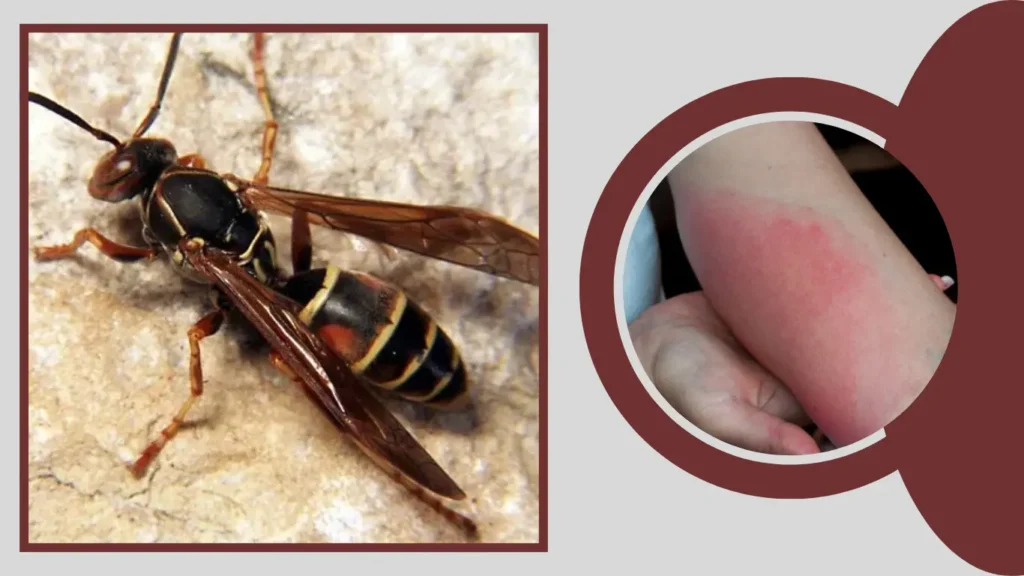
Do Paper Wasps Sting?
Yes, paper wasps can sting, and their stings are painful. However, they generally don’t sting unless provoked or if they feel their nest is threatened. Unlike honey bees, paper wasps can sting multiple times without dying.
Pain and Reaction Severity
For most people, a paper wasp sting causes immediate sharp pain, followed by swelling and redness. The pain typically subsides within a few hours, though sensitivity can vary. In some cases, stings lead to more serious allergic reactions.
Medical Concerns and Reactions
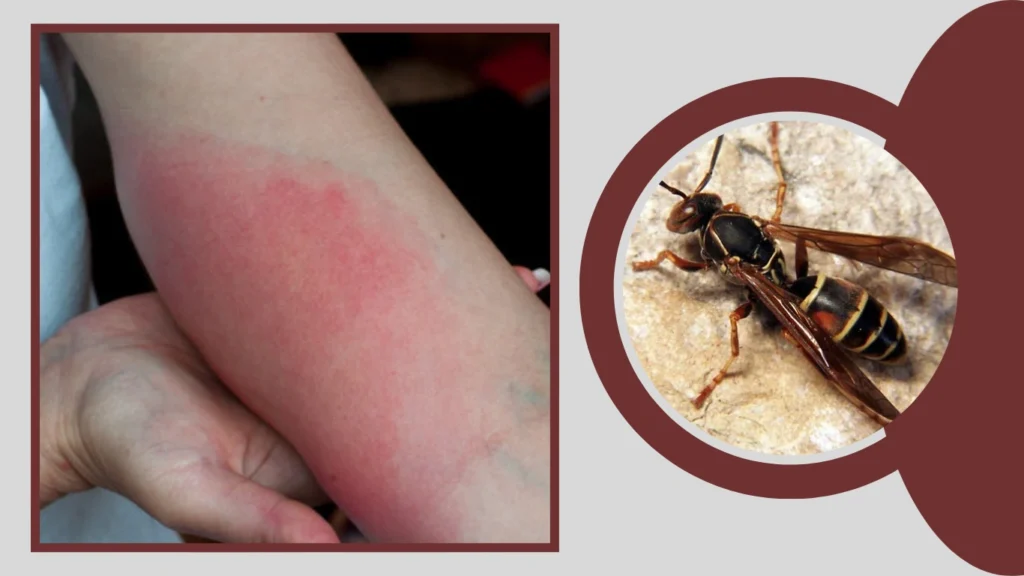
Mild Reactions
Most people will experience:
- Redness
- Swelling at the sting site
- Itching or tenderness
These symptoms typically go away on their own with basic first aid, like washing the area and applying ice.
Moderate to Severe Reactions
In some individuals, the body reacts more intensely, with symptoms such as:
- Large swelling extending beyond the sting site
- Nausea or headache
- General weakness
Allergic Reactions and Anaphylaxis
People with wasp venom allergies may suffer anaphylactic reactions, which include:
- Swelling of the face or throat
- Difficulty breathing
- Rapid heartbeat
- Dizziness or fainting
This is a medical emergency and requires immediate attention, often involving an epinephrine injection (EpiPen) and hospital care.
Are Paper Wasps Aggressive by Nature?
Do They Attack Without Warning?
Paper wasps are not naturally aggressive. They prefer to go about their business—hunting small insects and tending to their nests—without conflict. However, their behavior changes drastically if they perceive a threat. If you get too close to their nest or make sudden movements near it, they may respond with a sting to defend their colony.
How They Compare to Other Wasps
Compared to yellowjackets and hornets, paper wasps are generally less hostile. Yellowjackets are known for their unpredictable aggression, especially in late summer. Hornets, on the other hand, are larger and can be more territorial. In contrast, paper wasps usually give a warning by flying close to you or bumping into you before stinging.
Dangers to Children and Pets
Why Kids Are at Higher Risk
Children are naturally curious and often unaware of the dangers that wasp nests pose. A child playing near a nest or trying to swat at a wasp might trigger a defensive attack. Since a child’s body is smaller, even one or two stings can cause more severe swelling or reactions than in adults.
What About Household Pets?
Dogs and cats may paw at nests or chase flying wasps out of curiosity. A sting to a pet’s nose, mouth, or throat can lead to painful swelling and difficulty breathing. Some pets may also suffer allergic reactions. While rare, it’s important to monitor pets after a sting and seek veterinary care if symptoms escalate.
Prevention and Safety Tips
Avoiding Wasp Encounters
Being mindful of your surroundings can go a long way. Avoid wearing floral patterns or scented lotions outdoors, especially in summer. Move slowly if a wasp is nearby, and never swat aggressively—they interpret fast movement as a threat.
What to Do If You Spot a Nest
If you see a paper wasp nest near your home, avoid disturbing it. Do not attempt to remove it yourself unless you have the right gear and experience. The safest approach is to call a professional pest control service to assess and remove the nest safely, especially if it’s located in a high-traffic area.
FAQs
Do paper wasps sting unprovoked?
Not usually. Paper wasps sting only when they feel threatened, especially if their nest is disturbed. They may buzz close or bump into you as a warning before stinging.
Can paper wasp stings be fatal?
Yes, but only in rare cases involving allergic reactions. For most people, stings are painful but not life-threatening. Anaphylaxis, however, requires immediate medical attention.
How long do paper wasps live?
Workers live 15–38 days. Males die shortly after mating, while queens can live up to a year, surviving through winter to start a new colony.
Are paper wasps beneficial?
Yes. Paper wasps feed on caterpillars and other pests, making them helpful in gardens. Still, their nests near homes can pose a stinging risk.
Can you prevent them from nesting near your home?
Yes. Seal entry points, use natural repellents in spring, and remove small nests early. Decoy nests can also deter new colonies from forming nearby.
