

Bees come in all shapes and sizes, and not all are the familiar honeybee or bumblebee. Many small bees—ranging from sweat bees to dwarf honeybees—play vital roles in pollination, nesting in soil, stems, or tiny cavities. Some are metallic green, others black or yellow, and a few mimic wasps. Despite their size, these lesser-known species are powerful contributors to ecosystems, supporting crops, wildflowers, and biodiversity while often going unnoticed.
1. Sweat Bee (Halictidae Family)

Sweat Bees are small bees widely recognized for their metallic colors and role as vital pollinators. Despite their size, they are abundant across gardens and fields, often mistaken for flies.
Identification
- Tiny body, usually 3–10 mm long.
- Shiny green, black, or yellow appearance.
- Slim build with short antennae and transparent wings.
Habitat
They prefer loose soil, rotting wood, or hollow stems for nesting. Colonies are typically ground-dwelling, making them one of the most common tiny small bees.
Diet
Sweat Bees feed on nectar and pollen, while some species are attracted to human sweat for its salt.
Behavior and Impact
They are mostly gentle insects, though a small sweat bee may sting if trapped against skin. Their ecological role in pollination makes them valuable in both agriculture and natural habitats.
2. Small Carpenter Bee (Ceratina Species)

Small Carpenter Bees are small black bees that bore into stems and soft wood to create nests. Unlike larger carpenter bees, they cause minimal structural damage and are solitary pollinators.
Identification
- Usually 4–8 mm long.
- Dark, shiny, almost metallic black body.
- Slender build with clear wings.
Habitat
They nest in dead twigs, plant stems, or soft, decaying wood. These small carpenter bees are often found in gardens, orchards, and hedgerows.
Diet
Adults feed on nectar and pollen, while females collect pollen to provision nests for their larvae.
Behavior and Impact
They are solitary, non-aggressive, and rarely sting. As effective pollinators, they benefit wildflowers and crops, making them an important species despite their size.
3. Mining Bee (Andrena Species)

Mining Bees are small bees that live in the ground, creating tunnels and chambers for nesting. They are solitary but often nest in large groups, forming small “bee neighborhoods.”
Identification
- Size ranges from 8–15 mm.
- Hairy body, usually brown, black, or reddish.
- Wings transparent with slight brownish tint.
Habitat
They prefer sandy or loose soil, often nesting in lawns, gardens, and open fields. Seen as small ground bees, they emerge in spring in noticeable numbers.
Diet
They feed on nectar and pollen, with some species specializing in certain flowers.
Behavior and Impact
Mining Bees are gentle and rarely sting. Their underground burrows may look like ant hills but are harmless. They are highly valuable early-season pollinators for fruit trees and crops.
4. Yellow-faced Bee (Hylaeus Species)
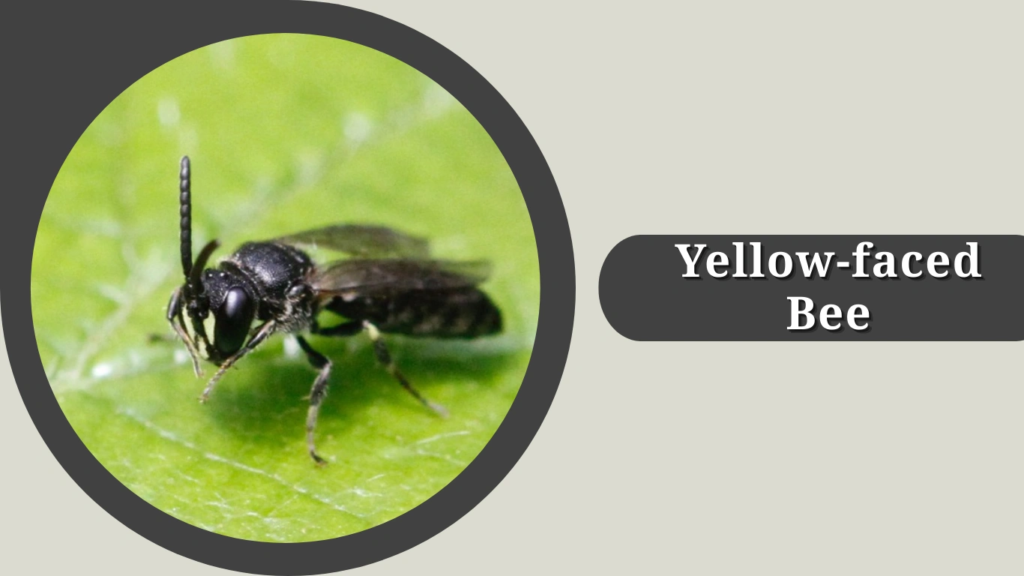
Yellow-faced Bees are delicate small black and yellow bees that resemble tiny wasps due to their slender bodies and distinct facial markings. Unlike many bees, they do not carry pollen on their legs but transport it internally in a special crop. This unique adaptation makes them different from most common pollinators.
Identification
- Small size, usually 5–8 mm long.
- Shiny black body with distinctive yellow facial markings.
- Slender, wasp-like appearance with transparent wings.
- Lack the hairy legs typical of many bees.
Habitat
These bees are found in gardens, forests, and coastal areas. They often use hollow stems, small twigs, or pre-existing cavities as nests. Some species line their nests with a cellophane-like secretion to protect larvae.
Diet
Adults feed on nectar and pollen. Pollen is stored and transported internally rather than externally, which is rare among bees.
Behavior and Impact
Yellow-faced Bees are solitary and non-aggressive. Their wasp-like look helps deter predators. Despite their small size, they are efficient pollinators, especially for native plants. Their presence supports biodiversity, though they often go unnoticed because of their discreet size and quiet habits.
5. Small Bumblebee (Dwarf Bombus Species)

Small Bumblebees are miniature versions of the familiar bumblebee, often mistaken for honeybees because of their fuzzy appearance and black-and-yellow patterns. They are vital pollinators in cooler climates where other bees are less active.
Identification
- Small and fuzzy, usually 7–12 mm long.
- Rounded body with dense hairs in black and yellow bands.
- Short wings compared to their body size.
- Large, rounded head with short antennae.
Habitat
They inhabit meadows, gardens, and farmlands, nesting in abandoned rodent burrows, grass tussocks, or hidden cavities. Colonies are much smaller than those of honeybees, often only a few dozen individuals.
Diet
Adults feed on nectar and collect pollen to provision the colony. Their fuzzy bodies trap pollen efficiently, making them highly effective pollinators.
Behavior and Impact
Small Bumblebees are social but form very small colonies. They are generally gentle but may sting if the nest is disturbed. Their ability to buzz-pollinate (vibrating flowers to release pollen) makes them essential for crops like tomatoes and berries. Despite being small bumble bees, their contribution to ecosystems is disproportionately large.
6. Dwarf Honeybee (Apis florea)

The Dwarf Honeybee is one of the smallest true honeybees, often called the small honey bee. Native to South and Southeast Asia, these bees are well known for their exposed, single-comb nests built in shrubs or tree branches. Despite their tiny size, they produce honey from small bees that is valued in traditional medicine.
Identification
- Very small, typically 7–10 mm long.
- Slender, dark body with pale yellow abdominal bands.
- Transparent wings proportionally larger than the body.
- Nests are small, exposed, and crescent-shaped.
Habitat
They thrive in tropical and subtropical regions, preferring forests, orchards, and gardens. Unlike larger honeybees, they avoid man-made hives and build nests in open spaces.
Diet
Dwarf Honeybees feed on nectar and pollen, storing small amounts of honey in their tiny combs. Colonies are smaller than those of the common honeybee, with only a few thousand individuals.
Behavior and Impact
These bees are gentle and rarely sting unless provoked. They play an important role in pollination of local crops and wildflowers. Their small hives and modest honey production make them less suited for large-scale beekeeping, but their ecological role is crucial.
7. Leafcutter Bee (Megachile Species)

Leafcutter Bees are solitary pollinators recognized for cutting neat, round pieces of leaves to build nests. They are sometimes mistaken for a small bee-like insect due to their modest size and unusual behavior.
Identification
- Small to medium, 7–12 mm long.
- Stout black or dark brown body with pale hairs.
- Females carry pollen on the underside of the abdomen instead of the legs.
- Distinctive habit of cutting circular leaf pieces.
Habitat
They nest in soil, hollow twigs, or small wooden cavities, sometimes using cracks in walls or bee hotels. Each female builds and provisions her own nest without forming colonies.
Diet
Adults feed on nectar, while pollen is collected for larvae. Flowers with open petals are their preference, making them excellent pollinators for garden plants.
Behavior and Impact
Leafcutter Bees are gentle and rarely sting. Their leaf-cutting may cause minor cosmetic damage to plants, but it does not harm them. They are efficient pollinators for alfalfa, vegetables, and ornamentals, making them valuable in agriculture despite their solitary lifestyle.
8. Cuckoo Bee (Nomada Species)
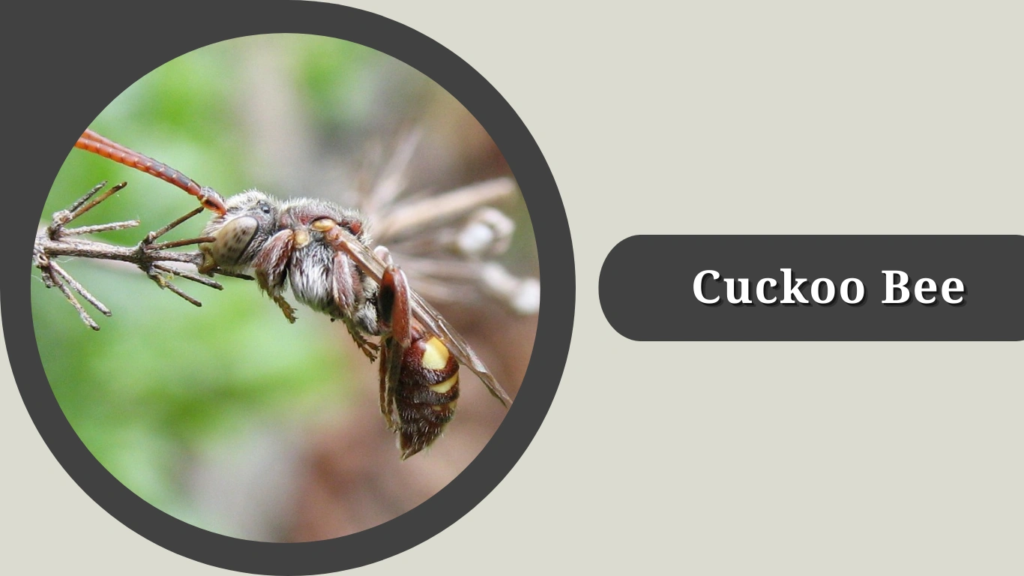
Cuckoo Bees are parasitic small bee-like insects that sting but rarely build their own nests. Instead, they lay eggs in the nests of other solitary bees, much like cuckoo birds do with other birds’ nests. Their larvae then consume the host’s pollen provisions.
Identification
- Small to medium, usually 6–12 mm long.
- Slim, wasp-like body with black and yellow bee patterns.
- Smooth, less hairy body compared to pollen-collecting bees.
- Transparent wings with dark venation.
Habitat
They are found in gardens, meadows, and woodlands, often near the nesting sites of their host bees. They do not construct their own burrows but rely on others.
Diet
Adults feed on nectar but do not collect pollen. Larvae feed on the pollen stores left by host bees, sometimes consuming the host larvae as well.
Behavior and Impact
Cuckoo Bees are solitary and generally non-aggressive, though some species can sting if handled. While they reduce populations of host bees, they also play a role in natural balance, preventing any one species from dominating ecosystems.
9. Masked Bee (Hylaeus in Colletidae Family)
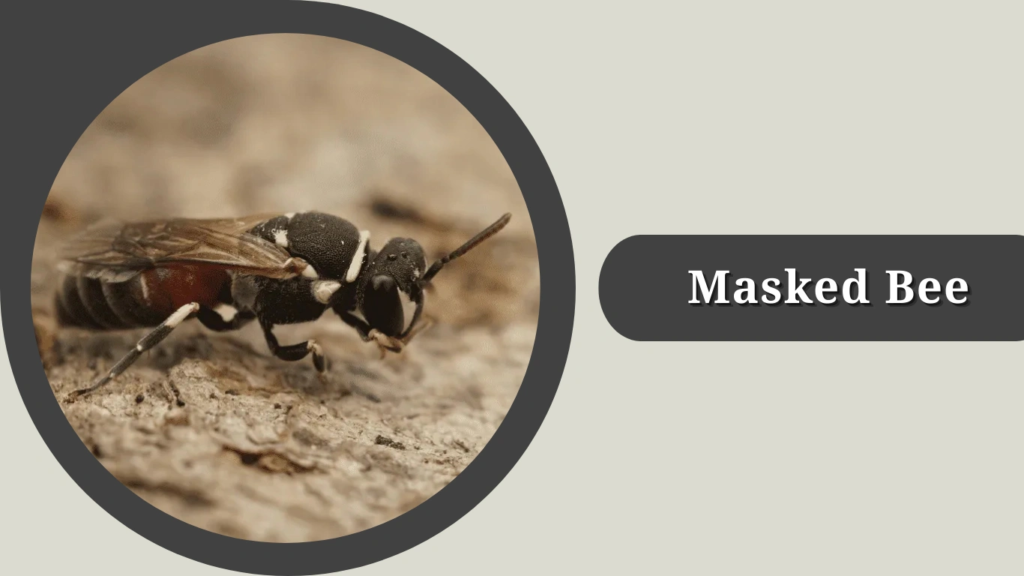
Masked Bees are very small black bees with pale facial markings. They are often overlooked because of their tiny size and wasp-like appearance. Unlike many bees, they carry pollen internally, not on their legs or body hairs.
Identification
- Tiny, usually 3–8 mm long.
- Shiny black body with smooth surface.
- Distinctive pale or white face patches (hence “masked”).
- Transparent, delicate wings.
Habitat
They live in forests, grasslands, and urban gardens. Nests are built in hollow stems, twigs, or pre-existing cavities, often lined with a cellophane-like secretion.
Diet
Adults feed on nectar and pollen, which they carry back to larvae inside their crop. Larvae consume stored nectar and pollen once deposited in the nest.
Behavior and Impact
Masked Bees are gentle and almost never sting. They are solitary and non-aggressive, making them difficult to notice. Despite being small black bees, they are important pollinators for native plants, supporting biodiversity in many ecosystems.
10. Dwarf Resin Bee (Heriades Species)
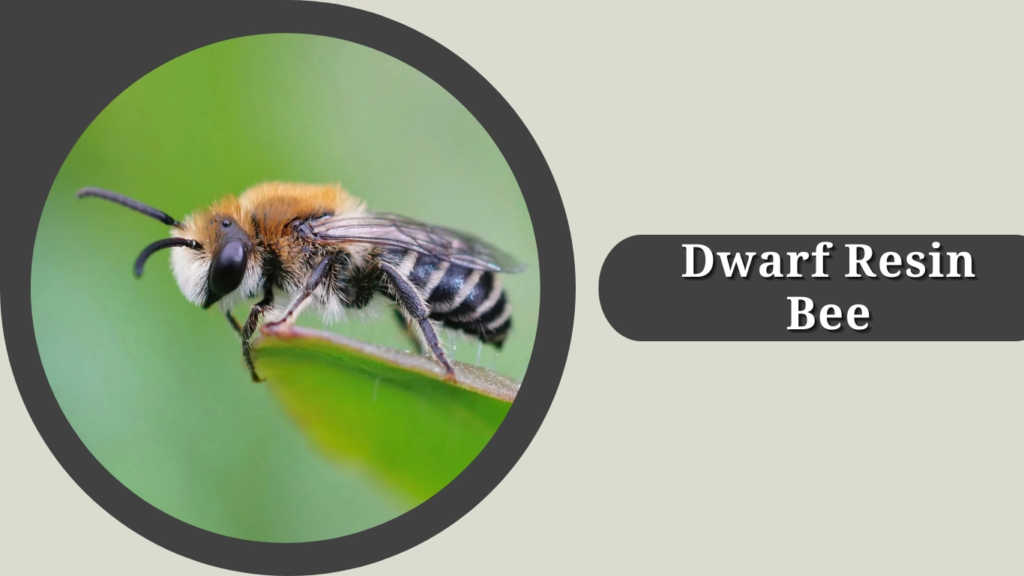
Dwarf Resin Bees are small bee species known for their nesting behavior, where they use resin, plant gum, or other sticky materials to seal their brood cells. They are solitary, inconspicuous bees often mistaken for tiny flies.
Identification
- Very small, typically 4–8 mm long.
- Slender, dark brown to black body with faint pale hairs.
- Short antennae and narrow, transparent wings.
- Females have strong mandibles for collecting resin.
Habitat
They nest in hollow stems, old beetle burrows, or man-made bee hotels. Each female independently constructs her own brood cells, sealing them with resin for protection.
Diet
Adults feed on nectar, while females collect pollen to provision each brood cell. Resin is used to line and close nests, keeping out fungi, parasites, and moisture.
Behavior and Impact
Dwarf Resin Bees are solitary and non-aggressive, rarely stinging. Their small size makes them easy to overlook, yet they are effective pollinators for wildflowers and garden plants. These small bee species are especially valuable in supporting native ecosystems and maintaining plant diversity.
FAQs
What are the smallest bees?
The smallest bees belong to the Sweat Bee family (Halictidae), with some species measuring only 3–4 mm long.
Do small bees sting?
Yes, many small bees can sting, such as Sweat Bees or ground-nesting bees, but their stings are usually mild compared to larger bees.
Are small bees good pollinators?
Absolutely. Small bees like Sweat Bees, Carpenter Bees, and Masked Bees are excellent pollinators for wildflowers, fruits, and vegetables.
Where do small bees build nests?
Small bees nest in soil, hollow plant stems, rotting wood, or tiny cavities. Some, like Dwarf Resin Bees, use resin to seal their nests.
How can I attract small bees to my garden?
Plant diverse flowers, avoid pesticides, and provide nesting spots like bee hotels or undisturbed soil to encourage small bee populations.
