

The Median Wasp (Dolichovespula media) is a social wasp species that has gained attention across Europe and Asia for its distinct appearance and unique behavior. Unlike the more commonly encountered wasps, the Median Wasp is relatively new to scientific recognition, first described in the 19th century and later confirmed as a distinct species. Over time, it has expanded its range, adapting well to both natural habitats and human settlements.
Although less aggressive than the Common Wasp (Vespula vulgaris), the Median Wasp can still sting when threatened. For this reason, it occupies an interesting position in human perception: both respected for its ecological value and feared for its painful sting.
Size and Physical Description
General Body Size
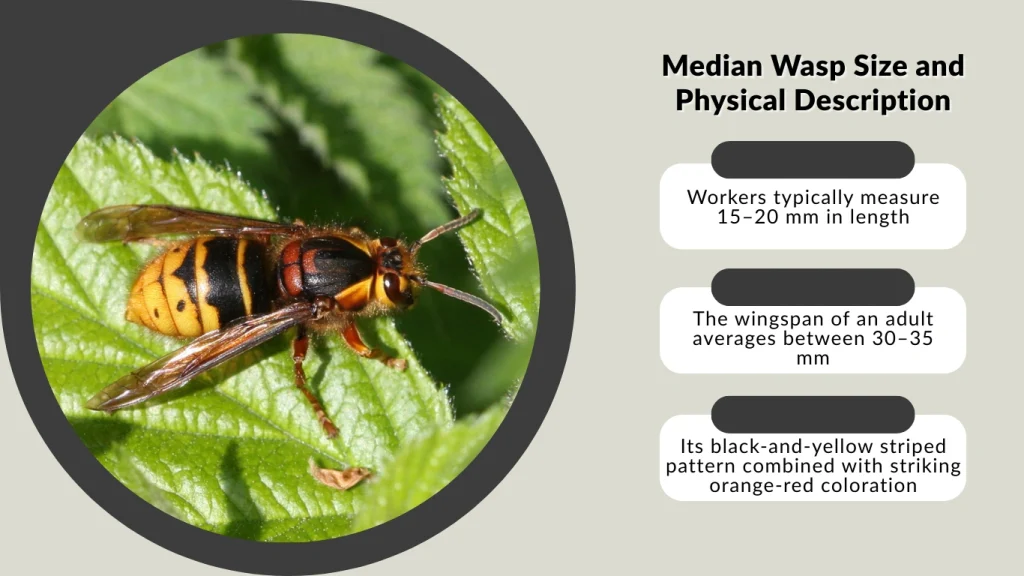
The Median Wasp is moderately sized compared to other wasp species. Workers typically measure 15–20 mm in length, while queens are slightly larger, often reaching 25 mm. Drones (males) are similar in size to workers but can be identified by their longer antennae and slimmer bodies. The wingspan of an adult averages between 30–35 mm, allowing for fast and agile flight.
Color and Markings
This species is instantly recognizable due to its black-and-yellow striped pattern combined with striking orange-red coloration on parts of the thorax and abdomen. This reddish tint sets it apart from the Common Wasp, which usually has a brighter yellow-and-black contrast. The head is rounded, with large compound eyes and strong mandibles suited for chewing wood pulp and capturing prey.
Habitat and Distribution
Geographic Range
Originally described in Europe, the Median Wasp is now found across much of central and northern Europe, Asia, and parts of Russia. Its expansion northward over the past century demonstrates its adaptability to different climates, including temperate and cooler regions.
Preferred Environments
The species thrives in woodlands, gardens, hedgerows, and suburban areas. It shows remarkable flexibility in choosing nesting locations, from quiet rural landscapes to bustling urban settlements. Human-altered environments such as parks and roof spaces also provide suitable conditions, explaining its steady increase in sightings.
Nesting Habits
Nest Locations
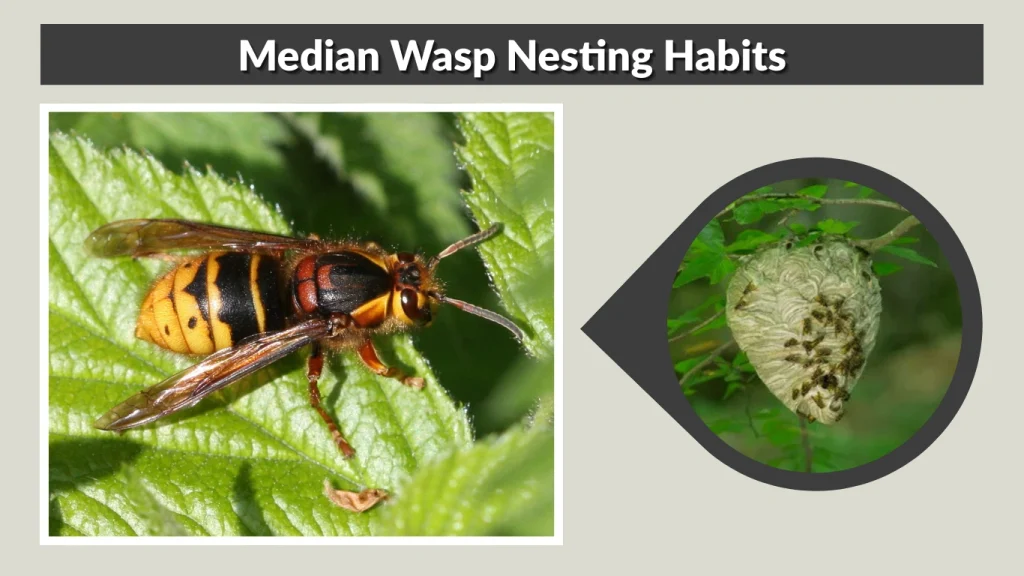
Unlike hornets that prefer tree cavities or wasps that build underground nests, Median Wasps often construct their homes above ground. Nests are commonly found in trees, bushes, roof spaces, and even man-made structures like sheds. They are most noticeable in gardens during summer months when colonies reach their peak.
Nest Structure
Median Wasp nests are round and paper-like, crafted from chewed wood fibers mixed with saliva. This creates a durable, papery material that forms the outer shell. Inside, hexagonal brood cells are arranged in layers, providing space for eggs, larvae, and pupae. The nest typically hangs suspended from branches or beams, making it visible but often out of reach.
Seasonal Nesting Cycle
Their nesting cycle follows the typical annual rhythm of social wasps:
- Founding Phase – In spring, a queen emerges from hibernation and starts a small nest.
- Expansion Phase – Early summer sees rapid worker production and nest growth.
- Peak Phase – By late summer, colonies can house several hundred individuals.
- Decline Phase – In autumn, new queens and males are produced, and the colony eventually dies out.
Diet and Feeding Behavior
Adult Diet
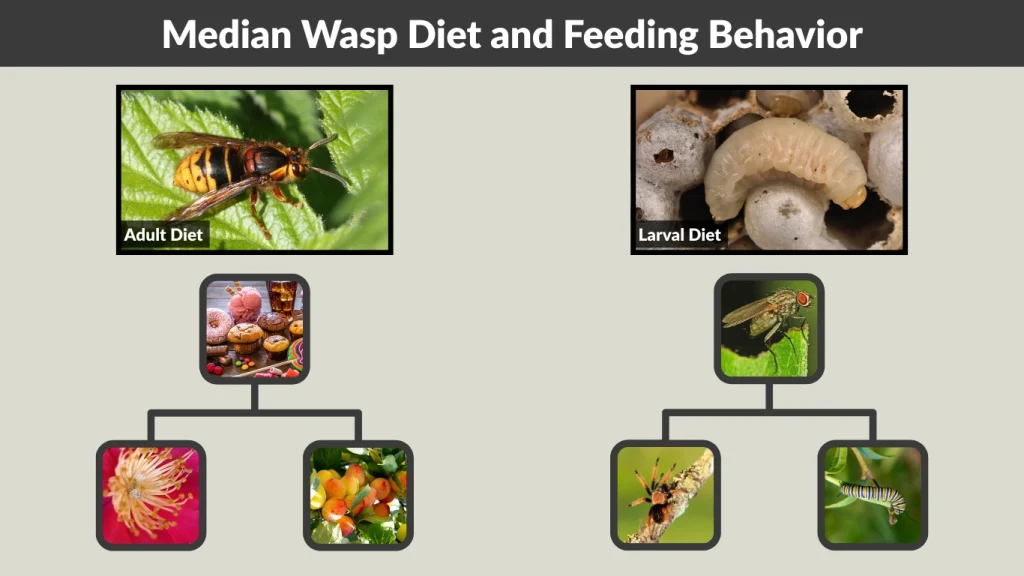
Adult Median Wasps are mainly drawn to sweet food sources. They feed on nectar, ripe fruit juices, and honeydew produced by aphids. In human environments, they can be attracted to sugary drinks and food scraps, especially during summer gatherings.
Larval Diet
Larvae require protein-rich meals for development. Workers hunt for prey, usually insects like flies, caterpillars, and spiders. These are chewed into a pulp before being fed to the larvae inside the nest.
Ecological Role
The Median Wasp plays an important ecological role in both pollination and pest control. While adults collect nectar and contribute to pollinating flowers, their hunting behavior helps reduce populations of harmful insects in gardens and farmlands.
(List format – Common prey species include: flies, caterpillars, aphids, spiders.)
Behavior and Activity

Social Structure
Median Wasps live in colonies with a clear division of labor. The queen lays eggs, while workers handle food collection, nest building, and colony defense. Males, produced later in the season, exist primarily to mate with new queens before winter. This organized social structure ensures the colony functions efficiently throughout the active season.
Daily Activity
The species is diurnal, meaning it is active during the day. Foraging activity peaks during warm daylight hours, with workers frequently observed flying between flowers and prey sources. Weather plays a role—sunny, calm days see greater activity compared to cooler, rainy periods.
Temperament
One notable feature of the Median Wasp is its less aggressive temperament compared to Common Wasps. While it will defend its nest if disturbed, it does not typically pursue humans or attack unprovoked. This makes it less of a nuisance in outdoor environments, though caution is still necessary around active colonies.
Sting and Human Interaction
Sting Characteristics
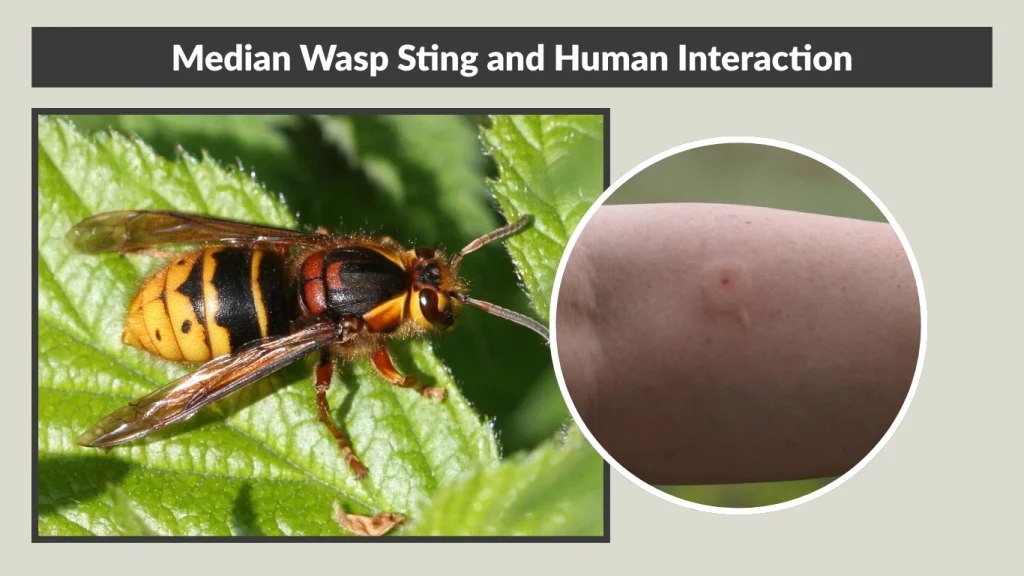
The sting of a Median Wasp is painful but not usually more severe than that of other wasps. Its smooth stinger allows it to sting multiple times if threatened. Unlike bees, the stinger does not detach, meaning a single wasp can deliver repeated stings during defense.
Reactions in Humans
Reactions to stings vary. Most individuals experience pain, redness, swelling, and itching around the sting site. These symptoms usually fade within a few hours to a day. However, people with venom allergies may suffer severe reactions, including difficulty breathing and dizziness.
(List format – Common sting symptoms: Pain, Swelling, Redness, Allergic reaction in sensitive individuals.)
Safety Measures
To minimize risk, avoid approaching or disturbing nests. In gardens, extra caution should be taken when trimming bushes or working near roof spaces where colonies may be hidden. Protective clothing is advised for professionals or beekeepers who regularly encounter wasps.
Comparison With Other Wasps
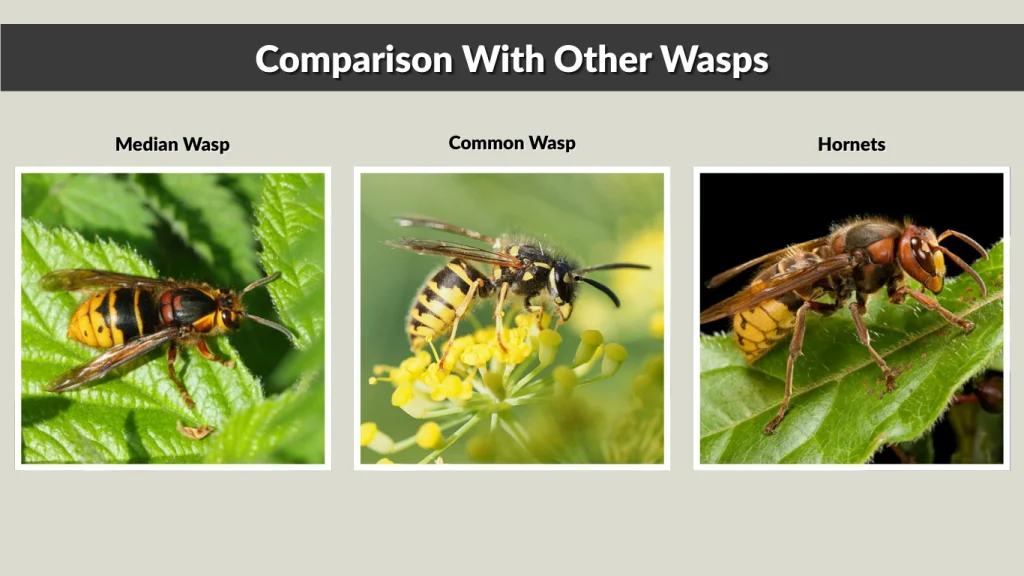
Median Wasp vs Common Wasp
The Median Wasp is often confused with the Common Wasp (Vespula vulgaris), but there are noticeable differences. The Median Wasp displays reddish-orange markings on its thorax and abdomen, unlike the bright yellow-and-black of the Common Wasp. Behaviorally, the Median Wasp is less aggressive, stinging primarily in defense of its nest, while Common Wasps are more prone to harass humans in search of food.
Median Wasp vs Hornets
When compared to hornets such as the European Hornet (Vespa crabro), Median Wasps are much smaller in size. Hornets can be intimidating due to their large bulk and louder flight, while Median Wasps are lighter and less noticeable. Additionally, hornets tend to be more territorial and defensive, whereas Median Wasps usually avoid conflict unless provoked.
Importance in Ecosystem
Pest Control
Median Wasps contribute significantly to natural pest regulation. By hunting flies, caterpillars, and aphids, they keep populations of harmful insects in check. This behavior makes them valuable allies in both agriculture and home gardening.
Pollination Role
Although not as efficient as bees, Median Wasps play a part in pollination. While foraging for nectar, they transfer pollen from one flower to another. This incidental role supports biodiversity and the reproduction of wild plants and garden flowers alike.
Biodiversity Value
The presence of Median Wasps is a sign of a balanced ecosystem. Their colonies interact with a range of insect species, both as predators and competitors. By fulfilling multiple ecological roles, they enhance biodiversity and strengthen the resilience of natural habitats.
Control and Management
When They Become a Problem
Median Wasps are generally not considered serious pests, but they can become a nuisance when colonies are established close to homes, schools, or playgrounds. Their attraction to sweet foods also brings them into conflict with people during summer picnics or barbecues.
Safe Removal of Nests
Attempting to remove a wasp nest without proper equipment is dangerous. If a colony poses a risk, professional pest control services should be contacted. Experts wear protective clothing and use specialized sprays to neutralize nests safely.
Preventive Actions
To reduce encounters:
- Seal entry points around roofs, sheds, and wall cavities.
- Maintain gardens by trimming bushes and shrubs regularly.
- Cover food and drinks outdoors to avoid attracting wasps.
These steps limit nesting opportunities and reduce the chance of colonies establishing in residential areas.
Cultural and Scientific Notes
Role in Entomology
The Median Wasp was first formally described in the 19th century. Since then, it has been the subject of various studies on colony structure, nest-building, and social behavior. Entomologists value it as an example of a less aggressive wasp species, helping to contrast wasp temperaments across different genera.
Public Perception
In many regions, Median Wasps are less feared than Common Wasps because they are not as aggressive. However, their striking appearance and potential to sting still make people wary. Growing awareness of their pest control benefits is slowly improving public perception, with more people recognizing that these wasps play a useful role in nature.
Final Thoughts
The Median Wasp is an underrated member of the wasp family. With its distinctive markings, moderate size, and balanced behavior, it stands apart from more notorious relatives. While it is capable of stinging, it is less likely to cause problems unless its nest is disturbed. Beyond its sting, this wasp plays a vital role in ecosystems by pollinating flowers and controlling insect pests.
For homeowners and gardeners, learning to identify and respect the Median Wasp can prevent unnecessary conflict. Instead of being feared, it deserves acknowledgment as a helpful and fascinating insect that quietly contributes to ecological balance.
FAQs
How big is a Median Wasp?
Workers typically measure 15–20 mm in length, while queens reach up to 25 mm. Males are about the same size as workers but appear slimmer. Their wingspan averages around 30–35 mm, making them slightly smaller than hornets but larger than most common flies.
Are Median Wasps aggressive?
No, Median Wasps are generally less aggressive than Common Wasps. They will sting if their nest is threatened, but they do not typically harass people at outdoor events. Their calmer temperament makes them easier to live alongside compared to more hostile wasp species.
Where do Median Wasps build their nests?
Median Wasps usually build their nests above ground in bushes, trees, roof spaces, and sheds. Their round, paper-like nests are often suspended from branches or hidden in shaded corners. Unlike some wasps, they rarely build underground nests.
What do Median Wasps eat?
Adult Median Wasps feed on sugary substances such as nectar, fruit juice, and honeydew. Larvae are fed a protein-rich diet of chewed insects, including flies, caterpillars, and spiders. This dual diet helps balance pollination with natural pest control.
How can you deal with a Median Wasp nest safely?
It is best to leave nests alone if they are not in a dangerous location. If removal is necessary, always contact a professional pest control service. To prevent future colonies, seal cracks in buildings, keep outdoor food covered, and trim garden vegetation where nests may form.
