
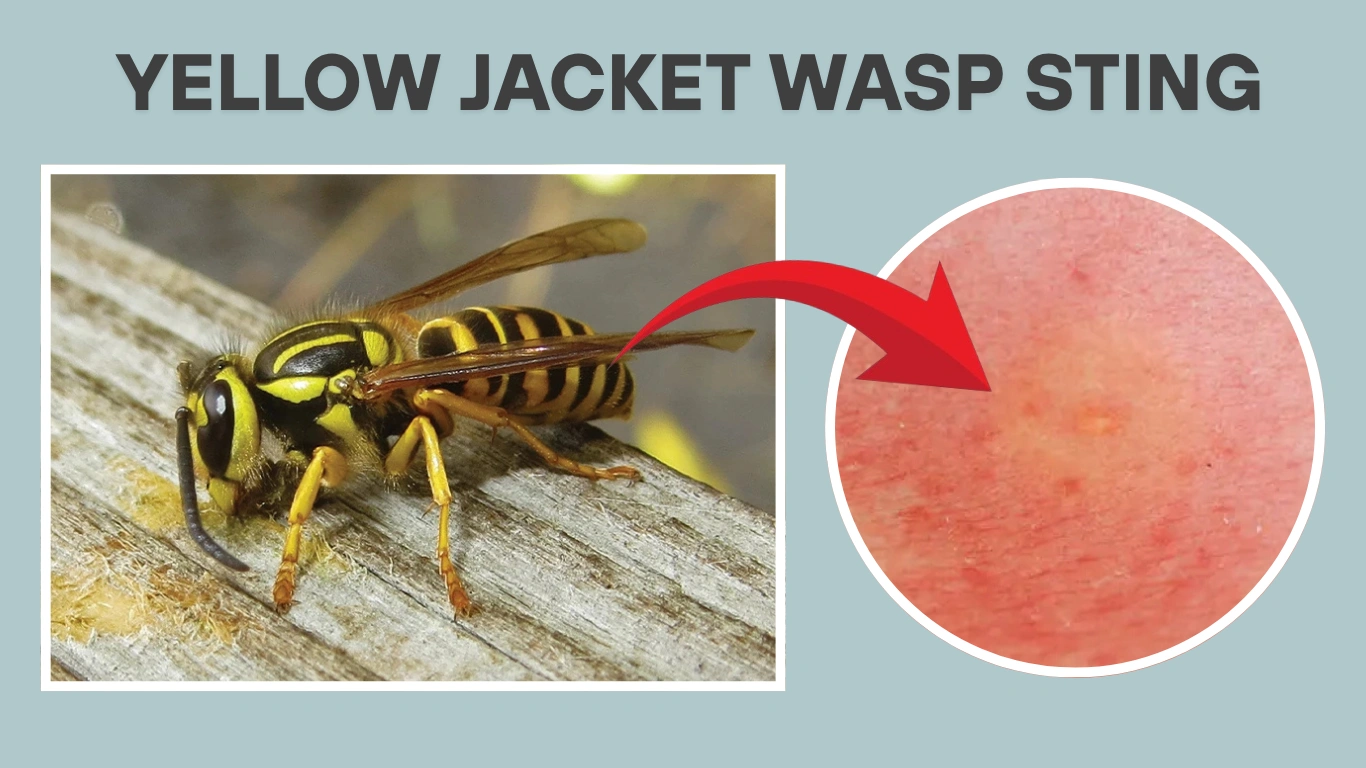
Yellow jacket wasps are aggressive stingers often mistaken for bees or common wasps. Their painful stings can cause anything from mild irritation to serious allergic reactions. Whether you’ve been stung or want to avoid one, it’s important to understand how to identify them, recognize sting symptoms, and treat them effectively. In this guide, I’ll break down everything you need to know about yellow jacket wasp stings using real facts and helpful comparisons.
What Is a Yellow Jacket Wasp?

Yellow jackets are a type of wasp known for their bold yellow and black markings and aggressive behavior. Unlike bees, they can sting multiple times without losing their stinger. These wasps are commonly found around human activity during late summer and early fall, especially near food sources like sugary drinks or meat. Their stings are often more painful and frequent than those of bees or hornets, making them a common nuisance and medical concern.
Identification and Features
- Bright yellow and black banded abdomen
- Smooth, slender body (unlike fuzzy bees)
- Size ranges from 10–16 mm (larger for queens)
- Rapid, darting flight patterns
- Often seen hovering near trash bins or picnic areas
Yellow Jacket Wasp Sting Explained

Yellow jackets are not only capable of stinging—they’re known for doing it aggressively. Unlike honeybees, which sting once and die, yellow jackets can sting multiple times without harming themselves. Their venom is designed to cause intense pain, making encounters with them particularly unpleasant. Understanding their sting behavior and how it compares to other stinging insects is essential for safety and treatment.
Do Yellow Jackets Sting?
Yes, yellow jackets sting — and they do so repeatedly. Here’s why:
- Defensive Behavior: They sting to defend their nest or food source.
- Aggressive Nature: They’re more aggressive than most wasps or bees.
- Multiple Stings: One yellow jacket can sting you several times in one encounter.
Even queen yellow jackets and worker wasps are capable of stinging, and their stingers remain intact after use.
What Does a Yellow Jacket Sting Look and Feel Like?
- Immediate sharp pain, often described as a burning or stabbing sensation
- Redness and swelling around the sting site
- Raised bump or welt that may itch or throb
- Sometimes a visible white dot at the center (where the sting occurred)
You may see small welts develop within minutes. Images of yellow jacket stings often show redness spreading outward in a circular pattern — especially in multiple stings.
Symptoms of a Yellow Jacket Sting

The symptoms of a yellow jacket sting can vary depending on the person’s sensitivity and the number of stings received. For most people, the reaction is localized and mild, but for others—especially those allergic to wasp venom—it can be severe and even life-threatening.
Common Reactions
Most people experience typical symptoms within minutes after being stung:
- Immediate sharp pain or burning sensation
- Redness and swelling around the sting site
- Warmth and tenderness in the affected area
- Itching that can last for several hours
- A small raised welt or bump that may harden
These reactions are your body’s natural immune response to the venom injected by the yellow jacket’s stinger.
Severe Reactions and Allergies
In some cases, a yellow jacket sting can trigger more serious symptoms:
- Hives or widespread rash
- Swelling of the face, lips, or throat
- Difficulty breathing or wheezing
- Rapid heartbeat
- Dizziness or fainting
These signs may indicate anaphylaxis, a dangerous allergic reaction that requires emergency treatment. Individuals who have had a serious reaction to a sting in the past should carry an epinephrine auto-injector (like an EpiPen).
If you’ve been stung multiple times or the sting occurs near the neck or mouth, seek medical help immediately—even without allergic symptoms.
How to Treat a Yellow Jacket Wasp Sting

Treating a yellow jacket wasp sting promptly can reduce pain, prevent infection, and minimize allergic reactions. Whether you’ve been stung once or multiple times, knowing the correct first aid steps is essential. Here’s a detailed guide to handle the situation safely.
Step-by-Step First Aid Treatment
- Move to a Safe Area
Get away from the nest or swarm immediately. Yellow jackets can sting multiple times and may chase perceived threats. - Clean the Sting Site
Wash the area thoroughly with soap and water to remove venom and reduce infection risk. - Apply a Cold Compress
Use a cold pack or ice wrapped in cloth to reduce swelling and numb the pain. Apply for 10–15 minutes at a time. - Take Over-the-Counter Medications
- Antihistamines (like Benadryl) help reduce itching and swelling
- Pain relievers (such as ibuprofen or acetaminophen) ease pain
- Hydrocortisone cream or calamine lotion soothes itching
- Antihistamines (like Benadryl) help reduce itching and swelling
- Keep the Area Elevated
If the sting is on an arm or leg, keep it raised to help reduce swelling. - Avoid Scratching
Scratching can break the skin and increase the risk of infection.
When to Seek Medical Help
Seek immediate medical attention if you experience signs of an allergic reaction such as hives, swelling of the lips or tongue, or difficulty breathing. Being stung multiple times is especially dangerous for children or the elderly and should not be ignored. Additionally, if the sting occurs near sensitive areas like the throat, eyes, or mouth, it may obstruct breathing or cause rapid swelling—prompt treatment is crucial. Redness and swelling that worsen after 48 hours may indicate infection. Also, if you’ve had a severe reaction to a sting in the past, don’t delay seeking help.
Compare with Other Wasps
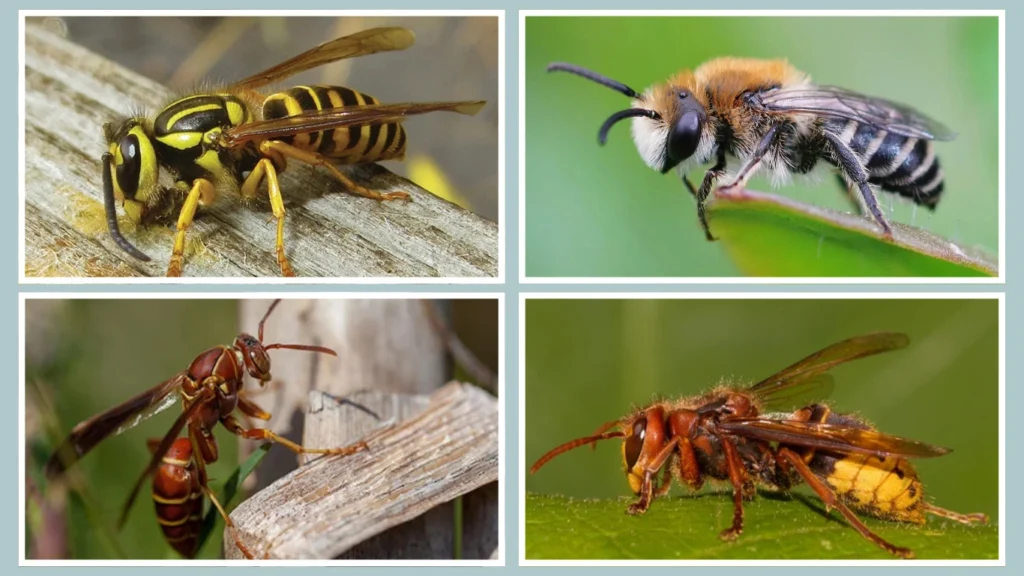
Comparison table highlighting the key differences between Yellow Jackets, Bees, Paper Wasps, and Hornets, based on appearance, behavior, and sting features:
| Feature | Yellow Jacket | Bee | Paper Wasp | Hornet |
| Type | Wasp | Insect (not a wasp) | Wasp | Wasp |
| Color | Bright yellow & black | Fuzzy yellow & black | Brown with yellow or reddish markings | Black & white or black & yellow |
| Body Texture | Smooth, shiny | Fuzzy/hairy | Slender, smooth | Large, robust, smooth |
| Sting Ability | Can sting multiple times | Stings once, then dies | Can sting multiple times | Can sting multiple times |
| Aggressiveness | Highly aggressive | Usually docile | Mildly aggressive | Very aggressive near nests |
| Nest Location | Underground or wall cavities | Trees, hives, or sheltered places | Hanging open nests under eaves | Trees, high places, or buildings |
| Stinger | Smooth, does not detach | Barbed, detaches after sting | Smooth, reusable | Smooth, reusable |
| Pain Level of Sting | Sharp, burning, intense pain | Mild to moderate pain | Mild to moderate pain | Intense, sharper than yellow jacket |
| Main Season of Activity | Late summer to fall | Spring to summer | Spring to early fall | Summer to early fall |
FAQs
1. Can yellow jackets sting more than once?
Yes, unlike bees, yellow jackets can sting multiple times. Their stingers don’t detach, allowing them to attack repeatedly—especially if they feel threatened.
2. How do I know if a sting is from a yellow jacket or another insect?
Yellow jacket stings usually cause sharp pain, immediate swelling, and are often followed by aggressive buzzing. If you saw a smooth, yellow-and-black wasp with a narrow waist, it was likely a yellow jacket.
3. What should I do if I get stung multiple times?
Move away from the area, clean the sting sites, apply cold compresses, and monitor for allergic reactions. If you feel dizzy, develop hives, or have trouble breathing, seek emergency care immediately.
4. Are yellow jacket stings more dangerous than bee stings?
Yes, because yellow jackets are more aggressive and can sting repeatedly. Their venom can also trigger stronger allergic reactions in some people compared to bee stings.
5. Can natural remedies help relieve yellow jacket stings?
Yes, home treatments like a baking soda paste or apple cider vinegar can reduce swelling and itching. However, these should be used alongside proper first aid and not in place of medical attention if symptoms worsen.
