

Finding a wasp nest inside your house can be both alarming and dangerous. Unlike a stray wasp that wandered in through an open window, a nest means you’re dealing with an entire colony that will fiercely protect their home. A sting indoors is not only painful but also risky, especially if someone in the household is allergic. Knowing what to do next is crucial. This guide will walk you through identifying indoor nests, immediate safety steps, safe removal methods, and how to prevent wasps from nesting inside again.
Understanding the Problem
What Does a Wasp Nest Look Like?
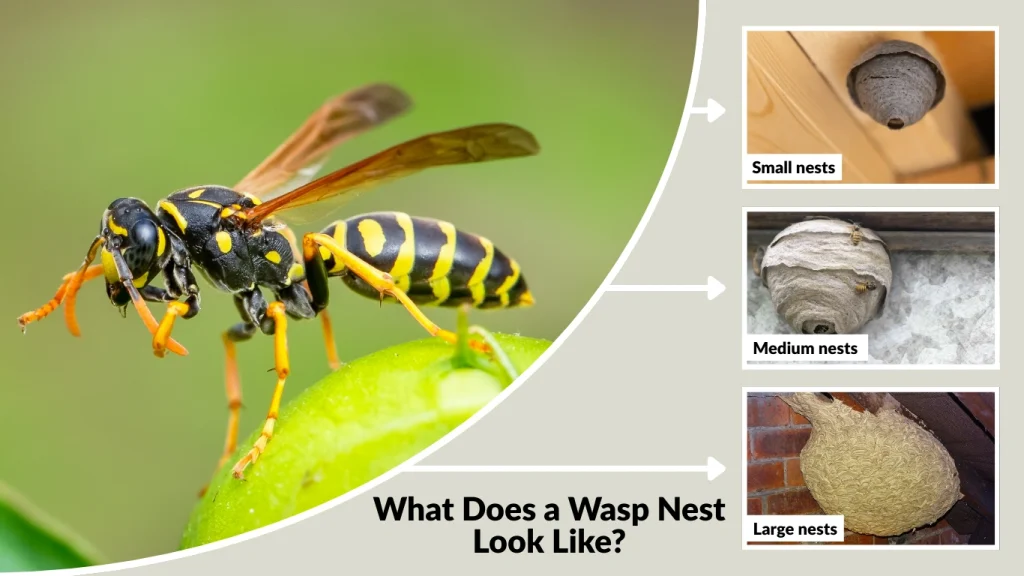
A wasp nest has a very distinct appearance. Most species build their nests from chewed wood mixed with saliva, which gives the structure a papery look. They are usually grey or brownish in color and can vary in size:
- Small nests (size of a golf or tennis ball) usually appear early in the season.
- Medium nests (soccer ball size) form by midsummer.
- Large nests (football size or bigger) indicate a well-established colony by late summer.
Indoors, you might spot nests in attics, wall cavities, roof eaves, chimneys, or even unused corners of basements. They are often hidden, so you may hear buzzing before you see them.
Why Wasps Build Nests Indoors
Wasps seek safe, warm, and undisturbed spaces to build their colonies. Homes provide perfect shelter, and if they find an entry point, they’ll quickly set up. Common reasons include:
- Protection from wind, rain, and predators.
- Easy access to nearby food, especially if trash bins or pet food are left open.
- Darkness and insulation in attics and walls that mimic natural tree cavities.
Immediate Steps to Take

Stay Calm and Avoid Disturbance
Your first reaction might be panic, but the worst thing you can do is attack the nest immediately. Wasps are highly defensive and will sting repeatedly if threatened. Sudden vibrations—like slamming doors or hitting the wall near a nest—can provoke them.
Keep Distance from the Nest
As soon as you notice a nest, restrict access to that part of the house. Keep children and pets away. If the nest is in a room you frequently use, try to close it off temporarily until you decide on the next step.
Temporary Safety Measures
- Seal food and drinks – Sweet smells attract wasps.
- Turn off bright lights at night – Indoor lighting draws them into living areas.
- Avoid loud noises near the nest – Vacuum cleaners or music vibrations can agitate them.
Assessing the Situation
Size and Location of the Nest
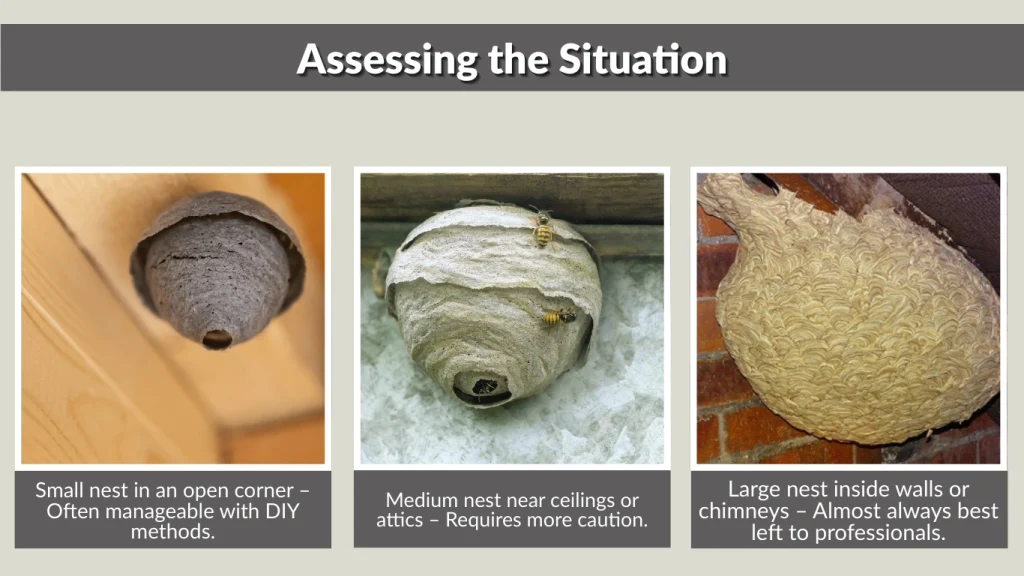
The best response depends largely on how big the nest is and where it’s located:
- Small nest in an open corner – Often manageable with DIY methods.
- Medium nest near ceilings or attics – Requires more caution.
- Large nest inside walls or chimneys – Almost always best left to professionals.
Type of Wasp You’re Dealing With
Different wasps behave differently indoors:
- Yellowjackets – Aggressive, often nest inside walls and crawlspaces.
- Paper wasps – Build umbrella-shaped, exposed nests, less aggressive unless threatened.
- Hornets – Larger and more aggressive, with dome-shaped nests, usually high up.
Identifying the type helps you anticipate behavior and decide on removal strategies.
Should You Remove the Nest Yourself?
When DIY Removal is Safe
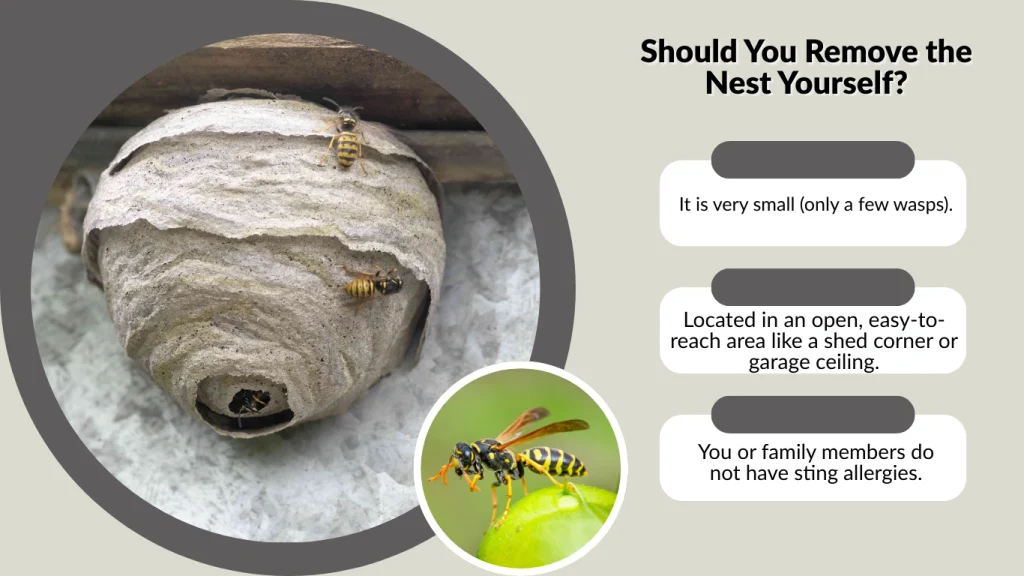
You might consider tackling the nest on your own if:
- It is very small (only a few wasps).
- Located in an open, easy-to-reach area like a shed corner or garage ceiling.
- You or family members do not have sting allergies.
When to Call Professionals
In most cases, calling pest control is the safest move. You should not attempt DIY if:
- The nest is large or mature, containing hundreds of wasps.
- It’s inside walls, ceilings, or attics where spray could spread indoors.
- Someone in your home is allergic to stings.
- The nest shows constant wasp traffic, meaning it’s active and well-established.
DIY Removal Methods
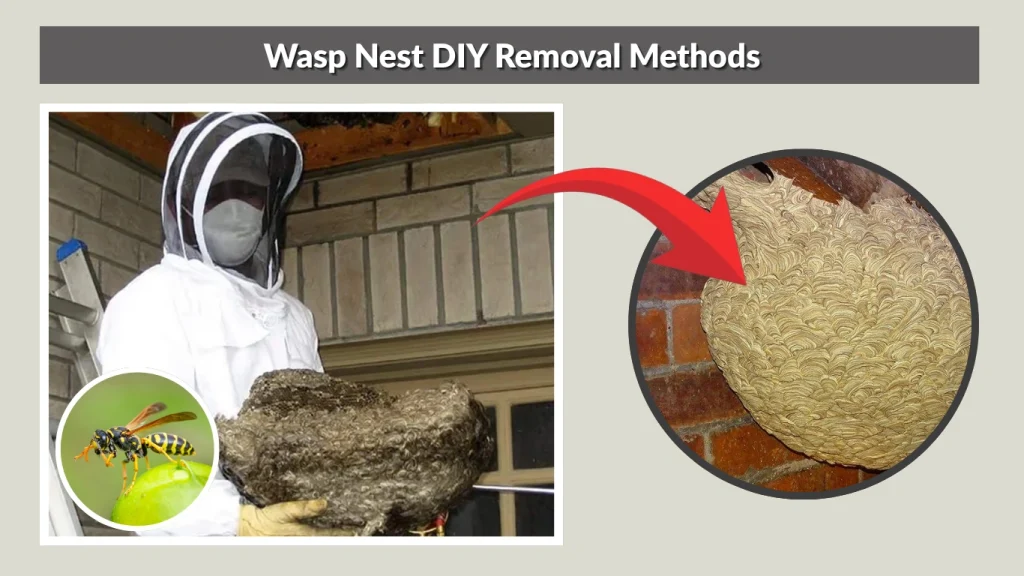
If you decide DIY is manageable, timing, preparation, and safety matter most.
Protective Clothing and Safety Gear
Before attempting anything, wear protective clothing:
- Thick long sleeves and pants.
- Sturdy gloves.
- Safety goggles.
- A scarf or net to cover your face.
Best Time for Removal
Wasps are less active in the evening or very early morning when temperatures are cooler. At this time, most wasps, including the queen, will be inside the nest, making your action more effective.
Step-by-Step Safe Removal
- Wear full protective gear.
- Use a wasp insecticide spray designed for indoor use. Spray from a safe distance and avoid standing directly under the nest.
- Wait 24 hours. Do not touch the nest immediately after spraying. Give time for the colony to die.
- Remove the nest carefully with a stick or scraper. Place it in a thick plastic bag, seal tightly, and dispose of it outside.
- Clean the area to remove pheromone traces that could attract new wasps.
Natural Alternatives (For Small Nests)
If you prefer avoiding chemicals and the nest is still small:
- Soap and Water Spray – Mix two tablespoons of dish soap with water in a spray bottle. The soap clogs their breathing pores.
- Peppermint Oil Solution – A natural repellent. Mix with water and spray around the nest entrance.
- Vinegar Spray – Works as both deterrent and mild killer for smaller colonies.
Professional Pest Control
What Professionals Do
Pest control experts are trained to deal with wasp nests safely. They use commercial-grade insecticides that are stronger and more targeted than anything available over the counter. Unlike DIY sprays, these treatments penetrate deep into the nest, killing larvae and the queen so the colony cannot rebuild.
Professionals also have equipment to reach difficult spots—whether that’s a tall ceiling, a chimney, or inside walls. They can identify hidden nests and make sure your home is fully clear of wasp colonies.
Costs and Benefits
The cost of professional removal usually depends on nest size and location. On average:
- Small nests may cost around $100–$150.
- Larger, hidden nests may go up to $300 or more.
The real benefit is safety. With experts, you avoid the risk of stings, allergic reactions, or wasps escaping deeper into your house. Many companies also provide a warranty, ensuring wasps won’t return within a set period.
Dangers of Leaving a Nest Indoors
Health Risks
The biggest risk of ignoring a wasp nest is stings. A single sting is painful, but multiple stings can be dangerous. For those with allergies, even one sting can trigger anaphylaxis, a life-threatening reaction that requires immediate medical care.
Structural Risks
Nests built in walls or ceilings can weaken insulation and drywall. Over time, moisture from the nest or droppings from wasps can cause damage. Once the colony dies, other pests like ants or beetles may invade the empty nest, creating a new problem.
Preventing Wasps from Nesting Indoors

Regular Home Inspections
Check your home in spring and early summer, when wasps begin building. Look in attics, garages, and under roof eaves. Early detection of a golf-ball-sized nest makes removal much easier and safer.
Seal Entry Points
Wasps often enter through cracks, vents, or gaps in windows. Seal these areas with caulk or mesh screens. Chimneys should have a cover, and attic vents should be screened.
Reduce Attractants
Wasps are drawn to food sources. To make your home less inviting:
- Keep trash bins sealed with tight lids.
- Don’t leave sugary drinks or fruit exposed.
- Store pet food properly.
Myths and Mistakes to Avoid
Homeowners often make dangerous mistakes when dealing with wasp nests. Here are a few to avoid:
- Pouring gasoline or kerosene: Not only is this extremely dangerous and a fire hazard, but fumes can also damage your house and make the air toxic.
- Knocking down a live nest with a stick: This almost always leads to multiple stings and an angry swarm.
- Thinking wasps are harmless indoors: While some wasps may appear calm, a colony will defend their nest aggressively if threatened.
Long-Term Wasp Management
Natural Predators and Eco-Friendly Approaches
Encouraging natural predators can reduce wasp activity near your home. Birds such as sparrows and starlings feed on wasps, as do spiders and some predatory insects. Planting trees or shrubs that attract these predators may help balance the ecosystem.
Repellents for Indoor Use
Certain scents naturally repel wasps. Spraying peppermint oil diluted in water near windows, doors, and attic corners discourages nesting. Placing potted plants like eucalyptus, citronella, or mint around entryways can also reduce wasp visits.
FAQs
What happens if I leave a wasp nest inside my house?
If ignored, the nest will grow larger, housing hundreds of wasps by late summer. This increases the risk of stings and makes removal much more difficult.
Can wasps damage my house structure?
Yes. Nests inside walls or ceilings can trap moisture and weaken drywall or insulation. When abandoned, the empty nest may also attract other insects.
How long do wasps stay in their nest?
Most wasp colonies last one season, from spring until fall. However, if the queen survives nearby, she may return in the next season and rebuild inside your home.
Is it safe to use DIY sprays inside my house?
It depends on the nest’s location. Spraying indoors can release chemicals into the air, which may be unsafe in enclosed spaces. Professional help is safer for large or hidden nests.
Will wasps return after removing a nest?
They might, especially if entry points remain open or pheromones linger. Thorough cleaning and sealing cracks are essential to prevent future infestations.
