
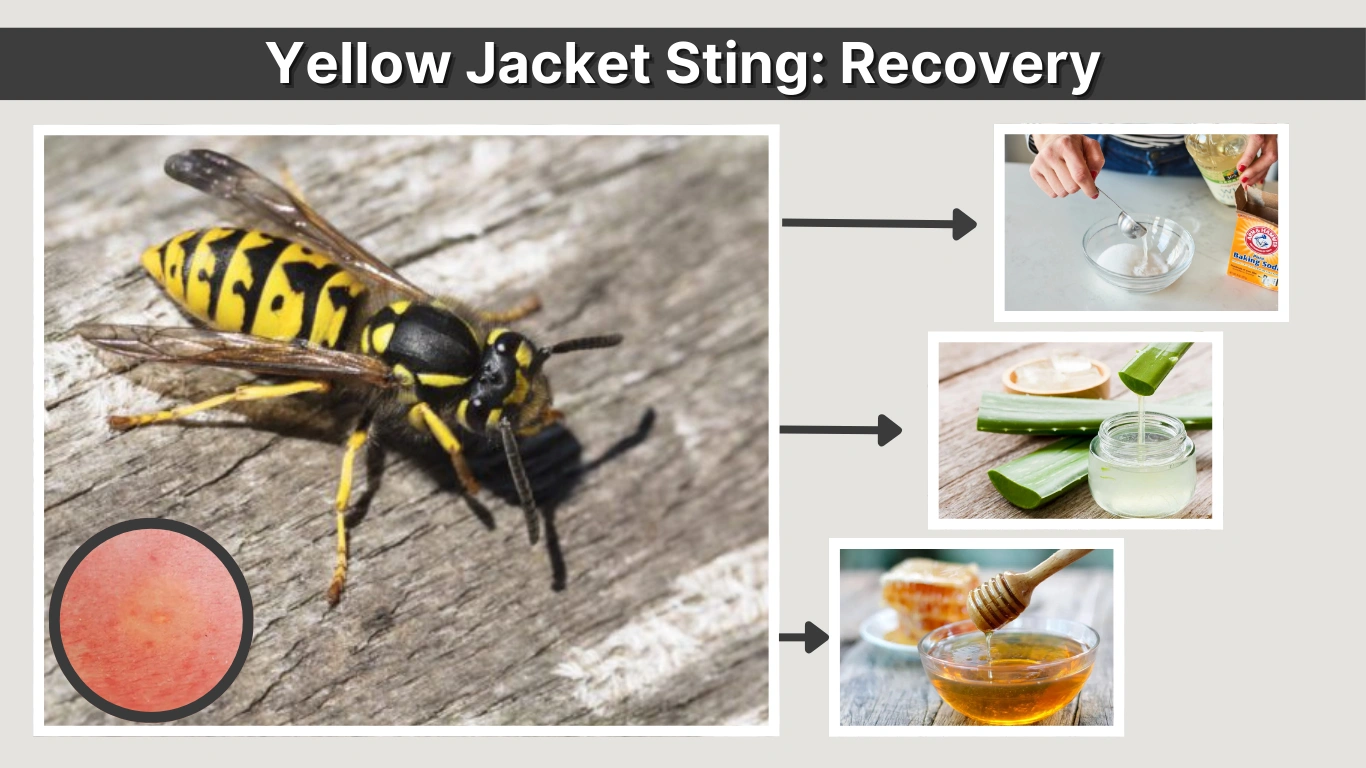
Yellow jackets are among the most aggressive stinging insects, and their stings can be extremely painful. Unlike honeybees, which leave their stinger behind, yellow jackets can sting multiple times, injecting venom with each attack. This venom causes localized pain, swelling, redness, and sometimes severe allergic reactions. Knowing how to respond quickly and effectively can make a big difference in your recovery and help prevent complications.
Understanding Yellow Jacket Stings

A yellow jacket sting happens when the insect injects venom through its stinger into the skin. This venom contains proteins that affect skin cells and the immune system, leading to immediate pain and inflammation. Most people experience only temporary discomfort, but in some cases, the reaction can be much more serious.
What Happens During a Sting
When stung, your body reacts to the venom almost instantly. Nerves near the sting site send pain signals to the brain, while the immune system responds by increasing blood flow and releasing chemicals that cause redness, swelling, and itching.
Common Symptoms
- Mild reactions: Pain, redness, swelling, itching, and warmth around the sting area.
- Moderate reactions: Larger swelling that may spread beyond the sting site, lasting up to several days.
- Severe allergic reactions: Hives, difficulty breathing, dizziness, or swelling of the face and throat — this is a medical emergency.
Immediate First Aid Steps
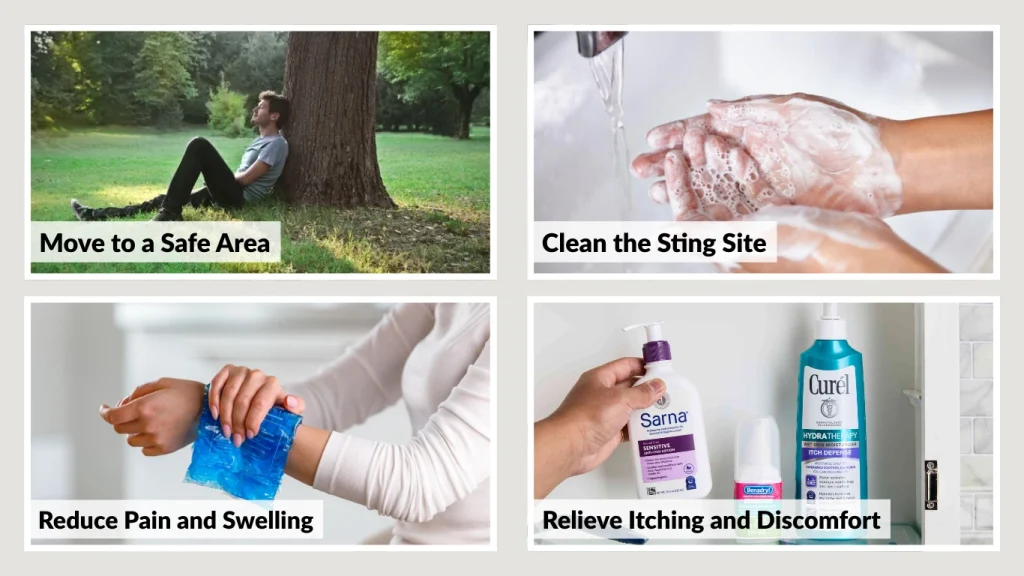
Acting quickly after a yellow jacket sting can reduce pain and prevent symptoms from worsening.
Move to a Safe Area
Yellow jackets can sting multiple times and often attack in groups. As soon as you’re stung, leave the area immediately to avoid further stings, especially if a nest is nearby.
Clean the Sting Site
Wash the area thoroughly with soap and cool water. This helps remove venom residue, lowers the risk of infection, and soothes irritation. Avoid using hot water, which can increase swelling.
Reduce Pain and Swelling
Apply a cold pack or ice wrapped in a cloth to the sting site for 10–15 minutes at a time. Cold constricts blood vessels, reducing swelling and numbing pain. If the sting is on an arm or leg, elevating it can further help reduce swelling.
Relieve Itching and Discomfort
Over-the-counter hydrocortisone cream can help reduce itching and inflammation. Oral antihistamines such as diphenhydramine (Benadryl) can also be effective, especially if swelling or itching spreads.
Watching for Allergic Reactions

While most yellow jacket stings heal with basic first aid, some can trigger allergic responses. It’s important to monitor symptoms closely for the first few hours after a sting.
Signs of Mild Allergic Reaction
These include hives or swelling away from the sting site, mild nausea, or general discomfort. These symptoms usually respond well to antihistamines, but you should still keep watch in case they worsen.
Signs of Severe Allergic Reaction (Anaphylaxis)
Anaphylaxis is a life-threatening emergency. Symptoms may include:
- Difficulty breathing or swallowing.
- Swelling of the face, lips, or throat.
- Dizziness, lightheadedness, or loss of consciousness.
If these occur, call emergency services immediately and use an epinephrine auto-injector if available.
Medical Treatment Options
For most people, over-the-counter medicines are enough to treat a yellow jacket sting. However, more serious reactions may require professional medical care.
Over-the-Counter Treatments
Pain relievers like ibuprofen or acetaminophen can reduce discomfort. Antihistamines help control swelling and itching, while topical creams provide localized relief.
Prescription Medications
For more severe swelling or pain, a doctor may prescribe stronger antihistamines or corticosteroid tablets to reduce inflammation.
Emergency Interventions
People with known allergies should always carry an epinephrine auto-injector and use it at the first sign of a severe reaction. Even if symptoms improve after using epinephrine, medical attention is still necessary.
Home Remedies for Yellow Jacket Stings

While medical treatments work well, several home remedies can also help ease pain, swelling, and itching from a yellow jacket sting. These are most useful for mild to moderate reactions.
Baking Soda Paste
Mix baking soda with a small amount of water to create a thick paste. Apply it directly to the sting site for 10–15 minutes. Baking soda helps neutralize the acidity in the venom and can reduce pain and itching.
Aloe Vera Gel
Fresh aloe vera gel has anti-inflammatory and soothing properties. Apply a thin layer to the sting site and reapply every few hours to keep the area cool and hydrated.
Honey
Honey contains natural antibacterial and anti-inflammatory compounds. Apply a drop to the sting area, cover with a bandage, and leave for 30–60 minutes.
Vinegar
Dabbing apple cider vinegar or white vinegar on the sting can help break down venom proteins and reduce irritation. Use a cotton ball for easy application.
When to See a Doctor
In most cases, a yellow jacket sting will heal within a few days with home care. However, you should seek medical attention immediately if:
- Swelling continues to increase after 24–48 hours.
- You experience multiple stings, especially around the head, neck, or chest.
- You notice signs of infection such as pus, severe redness, or warmth spreading from the site.
- You develop symptoms of an allergic reaction, including hives, difficulty breathing, or dizziness.
Preventing Future Stings
The best way to treat a sting is to avoid one in the first place. By making small changes to your habits and environment, you can reduce the risk of encountering yellow jackets.
Avoid Nest Areas
Stay away from known nesting sites, especially during late summer when colonies are largest and most aggressive.
Wear Protective Clothing
If working in gardens, fields, or wooded areas, wear long sleeves, pants, and closed-toe shoes to reduce exposed skin.
Manage Outdoor Food and Drinks
Yellow jackets are attracted to sugary foods and drinks. Keep beverages covered, clean up spills promptly, and use sealed containers for outdoor trash.
FAQs
How long does swelling last after a yellow jacket sting?
Swelling typically peaks within 24 hours and gradually decreases over 2–3 days. For some people, especially those with mild allergic responses, swelling may last up to a week. Applying ice packs and taking antihistamines can help speed recovery and make the discomfort more manageable.
Can a yellow jacket sting more than once?
Yes, unlike bees, yellow jackets can sting multiple times without losing their stinger. They are capable of delivering venom with each sting, making them especially dangerous if they attack in numbers. This is why quick retreat and protective clothing are essential during removal attempts.
What’s the fastest way to stop the pain?
Applying a cold compress immediately after cleaning the sting site is the quickest way to numb pain and reduce swelling. Pairing this with an over-the-counter pain reliever like ibuprofen and a topical antihistamine cream can help control both pain and itching within minutes.
Is vinegar or baking soda better for a sting?
Both can help, but vinegar may be more effective in breaking down the venom’s proteins, while baking soda works well for reducing itching and swelling. You can try either method, depending on what’s available, and reapply every few hours as needed for relief.
Should you squeeze the sting site?
No, squeezing the sting site can spread venom deeper into surrounding tissue, worsening swelling and irritation. Instead, focus on cleaning the area gently with soap and water, then apply ice or a cold pack to minimize the effects.
