
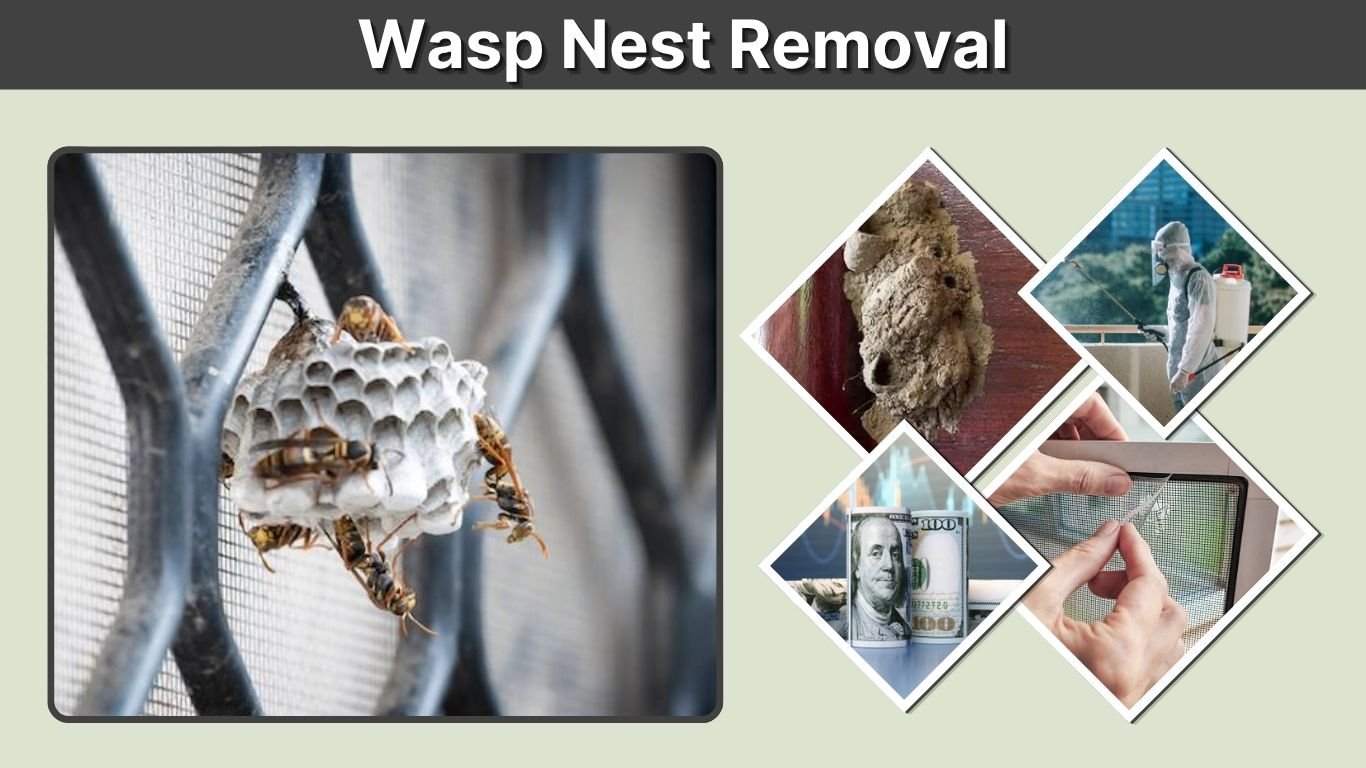
Discovering a wasp nest around your home can be concerning, especially when it is close to doors, windows, gardens, or outdoor seating areas. Proper wasp nest removal helps protect your family and pets from painful stings while preventing unwanted encounters. However, removing an active nest without taking safety precautions can be dangerous. Different wasp species build different types of nests, and each situation requires careful handling. This guide explains how to identify wasp nests, understand safe removal methods, choose the right time, estimate costs, and prevent future infestations.
How to Identify a Wasp Nest Before Removal
Before attempting wasp nest removal, you should understand what type of nest you have found. Wasps build nests in different shapes, sizes, and locations depending on their species. Some construct exposed paper nests, while others live underground or inside building cavities. Proper identification helps determine whether professional treatment is necessary and reduces the risk of disturbing aggressive colonies.
Paper Wasp Nests
Paper wasps construct umbrella-shaped nests with visible hexagonal cells. These nests commonly appear under roof eaves, porch ceilings, and tree branches. Although paper wasps are often less aggressive than yellowjackets, they may sting when their nests are threatened.
Yellowjacket Nests
Yellowjackets frequently establish colonies underground, inside walls, or within sheltered spaces. Their nests can contain hundreds or thousands of workers. Because they defend their colonies aggressively, professional removal is strongly recommended.
Mud Dauber Nests
Mud daubers build small, tube-shaped nests from mud. These nests usually appear on walls, garages, and sheltered structures. Mud daubers are solitary wasps and rarely sting unless directly handled or threatened.
Bald-Faced Hornet Nests
Bald-faced hornets create large, enclosed paper nests that often hang from trees or buildings. Their colonies can become highly defensive when disturbed, making professional treatment the safest option.
How to Remove a Wasp Nest Safely
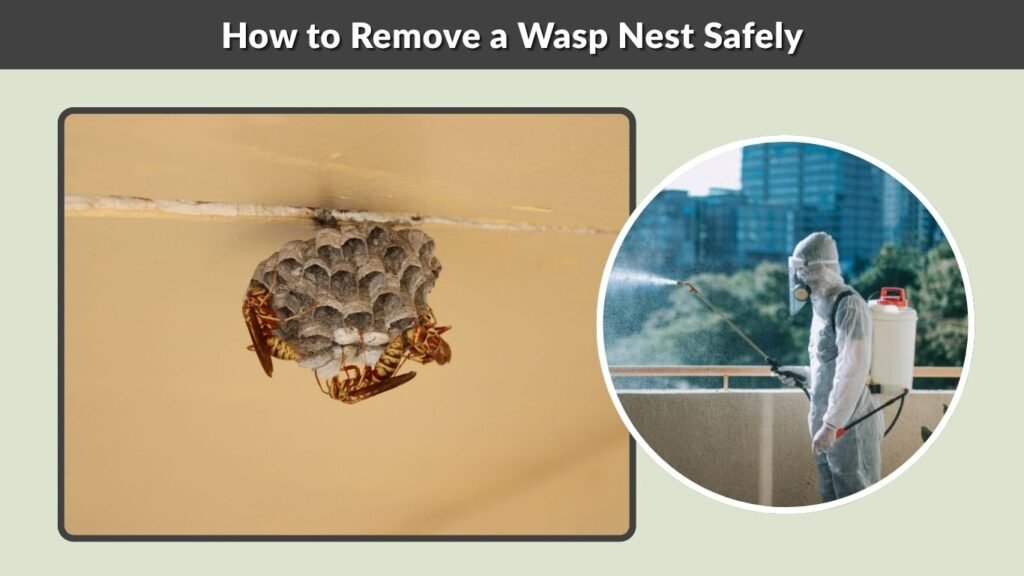
Removing a wasp nest requires careful planning and an understanding of the risks involved. The safest approach depends on whether the nest is active, its size, and its location. While abandoned nests may be removed with basic precautions, active colonies should generally be handled by trained pest control specialists.
Steps for Safe Wasp Nest Removal
- Identify the species: Determine whether the nest belongs to paper wasps, yellowjackets, mud daubers, or hornets.
- Check nest activity: Observe from a safe distance to identify wasps entering or leaving.
- Keep the area clear: Move children and pets away from the nest.
- Avoid disturbing the colony: Never shake, strike, burn, or spray an active nest with water.
- Contact a professional: Hire a qualified pest control specialist for active, hidden, or difficult-to-reach nests.
- Remove abandoned nests: Once confirmed inactive, accessible empty nests can be carefully detached and disposed of.
Can You Remove an Empty Wasp Nest Yourself?
Yes, an abandoned nest can often be removed without professional assistance. Wear gloves and protective clothing, carefully detach the structure, and dispose of it in a sealed bag.
However, if you notice any wasp activity, stop immediately and seek professional advice.
Different Types of Wasp Nest Removal
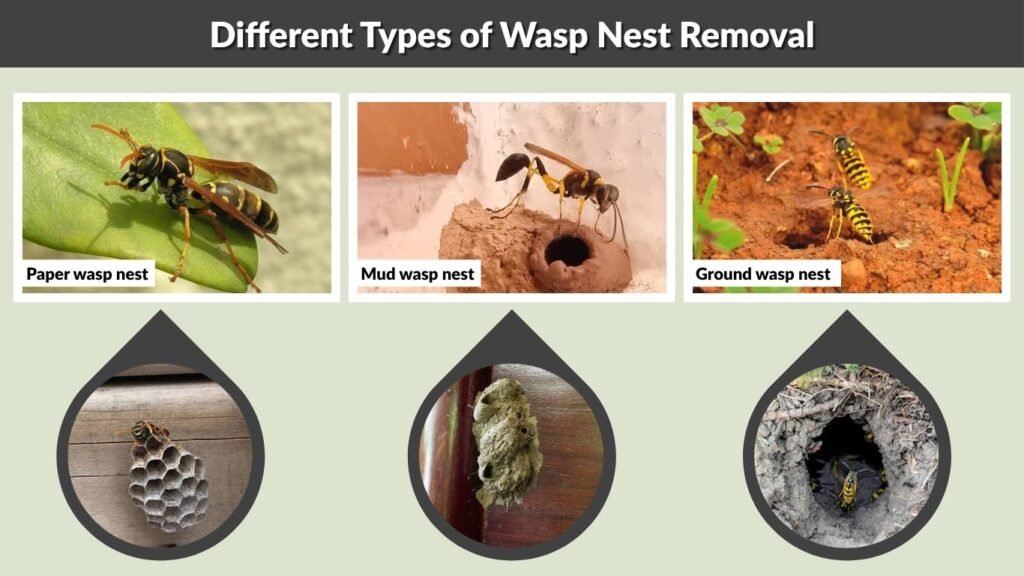
Not every wasp nest can be removed using the same approach. Nest structure, colony behavior, and accessibility influence the appropriate treatment. Small mud nests are generally easier to manage after abandonment, while underground yellowjacket colonies and nests inside walls can present serious challenges. Understanding these differences helps homeowners avoid unnecessary risks.
Common Removal Situations
- Paper wasp nest removal: Small, abandoned paper nests can usually be detached from accessible surfaces after confirming inactivity.
- Mud wasp nest removal: Empty mud dauber nests can often be scraped from walls or ceilings and the remaining mud cleaned away.
- Ground wasp nest removal: Underground yellowjacket nests should be treated by professionals because disturbing the entrance can trigger defensive swarming.
- Wasp nest removal from trees: Large or elevated nests require professional equipment and careful handling.
- Wasp nest removal from walls: Concealed colonies need specialized treatment. Sealing active entrances can drive wasps into indoor spaces.
What About Large Wasp Nests?
Large nests can contain substantial colonies, increasing the likelihood of multiple stings during disturbance.
Never attempt to knock down an active large nest or reach it using an unstable ladder. Professional removal is the safest choice.
When Is the Best Time to Remove a Wasp Nest?
The best time for wasp nest removal depends on seasonal activity and local weather conditions. Most social wasp colonies begin developing in spring and grow throughout summer. By late summer or early fall, colonies may contain many workers. Early detection allows nests to be assessed before they become larger and more difficult to manage.
Wasp Nest Removal in Spring
Spring is an important time to inspect roofs, sheds, fences, and sheltered outdoor structures. Newly established colonies are generally smaller than mature summer colonies.
However, even small active nests can contain defensive wasps. Professional treatment remains advisable when removal is necessary.
Is Winter Safe for Wasp Nest Removal?
In colder regions, many social wasp colonies die during winter, leaving empty nests behind. These abandoned structures can usually be removed once inactivity is confirmed.
In warmer climates, some colonies may remain active throughout winter, so seasonal timing alone does not guarantee safety.
How Much Does Wasp Nest Removal Cost?
Professional wasp nest removal costs depend on the colony’s size, nesting location, species, and treatment difficulty. In the United States, many standard removal services may cost approximately 300–700, although actual prices vary considerably. Simple accessible treatments may cost less, while complicated infestations inside buildings or hard-to-reach areas can be more expensive.
Factors That Affect Removal Costs
- Nest size: Larger colonies may require additional treatment.
- Nest location: Underground nests, roof spaces, and wall cavities can increase costs.
- Wasp species: Aggressive or difficult-to-control colonies may require specialized services.
- Accessibility: Elevated or concealed nests may need extra equipment.
- Emergency service: After-hours treatment may involve additional charges.
Is Professional Removal Worth the Cost?
Professional removal offers a safer approach for active colonies. Pest control specialists can identify the species, select suitable treatments, and evaluate the nesting area.
Hiring an experienced professional also reduces the risk of accidental disturbance and repeated unsuccessful removal attempts.
How to Prevent Wasps From Building Nests
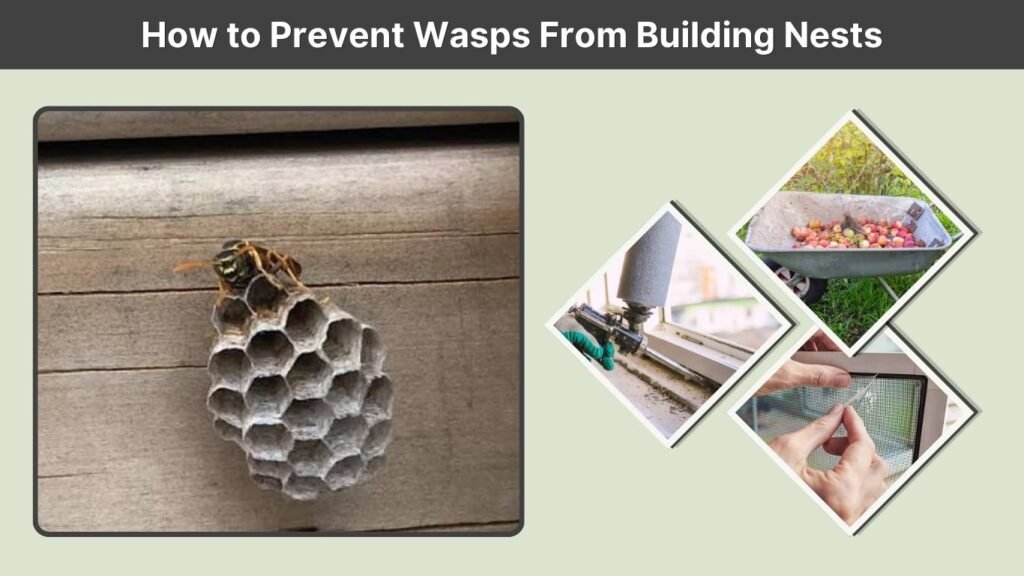
Preventing wasp nests is easier than dealing with an established colony. Wasps are attracted to sheltered nesting locations and accessible food sources. Regular inspection and maintenance can reduce opportunities for nesting around your property. Although complete prevention is impossible, a few simple changes can make homes and outdoor spaces less attractive to wasps.
Effective Wasp Nest Prevention Tips
- Inspect roof eaves, garages, sheds, and porches regularly.
- Seal exterior cracks and gaps after confirming they contain no active nests.
- Keep garbage containers tightly closed.
- Remove fallen fruit and uncovered food.
- Repair damaged window screens and exterior vents.
- Check outdoor furniture and storage areas for early nest construction.
FAQs
1. Can I remove a wasp nest myself?
You can usually remove a small, abandoned wasp nest if it is easily accessible and confirmed inactive. However, removing an active nest can provoke defensive behavior and painful stings. Professional treatment is recommended for active colonies, particularly when nests are large or difficult to access.
2. Is it safe to remove a wasp nest at night?
Wasps are often less active at night, but they can still sting when disturbed. Poor visibility also makes removal more dangerous. For active colonies, professional treatment is generally safer than attempting removal yourself, regardless of the time of day.
3. Will wasps return after nest removal?
Most social wasps do not reuse old nests, but new colonies may establish themselves nearby if suitable conditions remain. Removing an abandoned nest does not permanently prevent future nesting. Regular inspections, sealing unused entry points, and managing outdoor food sources can help reduce the likelihood.
4. What happens if I leave a wasp nest alone?
A nest located away from frequently used areas may not require removal. Wasps help control other insects and contribute to local ecosystems. However, nests close to entrances, playgrounds, or outdoor seating areas should be assessed because accidental disturbances increase sting risks.
5. Does removing a wasp nest prevent future infestations?
Removing a nest eliminates that particular nesting structure but does not stop new wasps from establishing colonies elsewhere. Prevention requires regular property maintenance, inspection of sheltered areas, and reducing food sources. Addressing potential nesting locations can help minimize future wasp activity around your home.
