
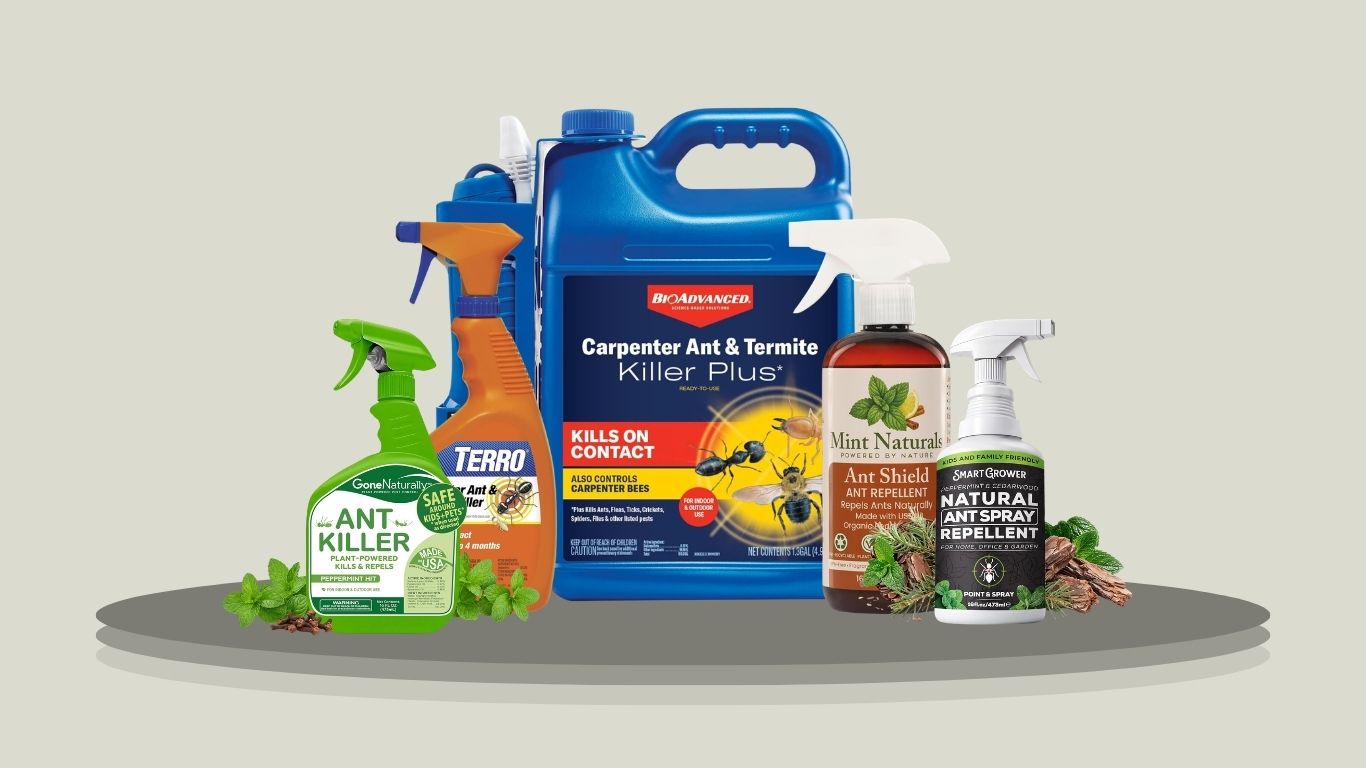
Carpenter ants can damage wooden structures over time, especially when they establish nests inside walls, decks, foundations, or moisture-damaged wood. A reliable carpenter ant spray can help control visible ants, treat common entry points, and reduce activity around problem areas. In this guide, we review 10 of the best carpenter ant sprays for indoor and outdoor use. The list includes ready-to-use insecticides, perimeter treatments, and plant-based options suited for different household needs and infestation levels.
1. Spectracide Terminate Termite & Carpenter Ant Killer AccuShot
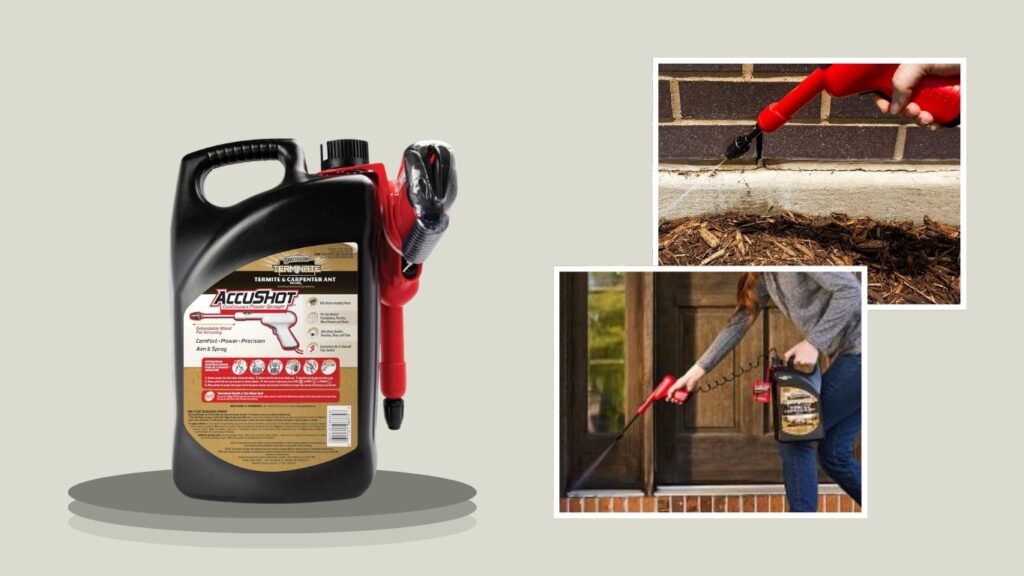
Spectracide Terminate Termite & Carpenter Ant Killer AccuShot is designed for homeowners who need a convenient way to treat carpenter ants around foundations, cracks, wooden structures, and other active areas. Its ready-to-use formula removes the need for mixing, while the AccuShot applicator helps direct treatment exactly where pest activity is noticed. This makes it especially practical for spot treatments and hard-to-reach areas around the home.
Key Features
- Ready-to-use carpenter ant and termite treatment
- AccuShot applicator for targeted spraying
- Suitable for cracks, crevices, and entry points
- No concentrate mixing required
- Useful around foundations and structural areas
- Designed for direct treatment of active pest zones
Why It’s Best For Targeted Carpenter Ant Control
One of the strongest advantages of this Spectracide treatment is its targeted application system. Carpenter ants often travel through narrow cracks, foundation gaps, wall edges, and openings around doors or windows. The AccuShot design makes it easier to direct the liquid into these specific areas without unnecessarily spraying large surfaces.
This approach is particularly useful when ant trails or entry points can be clearly identified. It also gives homeowners greater control over where the treatment is applied.
Performance & Application Durability
The ready-to-use formula is convenient for quick spot treatments and can help control carpenter ants that come into contact with treated areas. Because no measuring or dilution is necessary, application is straightforward.
For lasting results, treated areas should be monitored regularly. Outdoor exposure, moisture, and weather conditions can influence how long treatments remain effective. Carpenter ants may also nest inside inaccessible wood or wall cavities, so surface treatment may need to be combined with moisture control and additional pest-management methods.
Pros, Cons & Overall Verdict
Pros
- Precise AccuShot application
- Ready-to-use formula
- Convenient for cracks and entry points
- Good for targeted treatments
- No mixing required
Cons
- Hidden nests may be difficult to reach
- Outdoor treatments may need reapplication
- Careful application is necessary
Overall Verdict: Spectracide Terminate AccuShot is a practical choice for homeowners who want a convenient, targeted carpenter ant spray. Its precision applicator and ready-to-use formula make it especially suitable for treating accessible trails, structural gaps, and common entry points.
2. Harris Carpenter Ant & Termite Control Treatment
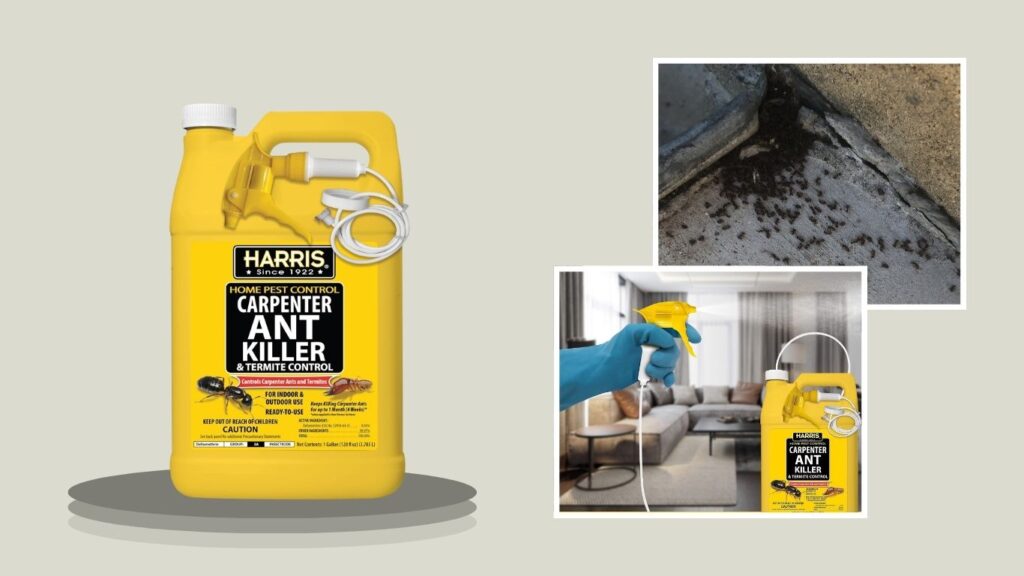
Harris Carpenter Ant & Termite Control Treatment is a ready-to-use spray designed for homeowners who want direct control of carpenter ants around structural areas. It can be applied near cracks, crevices, wooden surfaces, foundations, and other places where ants are active. The straightforward spray format makes it useful for targeted treatments without the need to mix concentrates or prepare additional equipment.
Key Features
- Ready-to-use carpenter ant and termite treatment
- Suitable for cracks, gaps, and structural areas
- No mixing or dilution required
- Useful for targeted indoor and outdoor applications
- Helps control visible carpenter ant activity
- Convenient spray format for routine pest management
Why It’s Best For Structural Treatment
Carpenter ants commonly travel along wooden structures, wall edges, foundations, and moisture-prone areas. Harris provides a convenient way to treat these accessible locations directly.
It is especially useful when you can identify where ants are entering or traveling. Applying the treatment strategically can help reduce unnecessary spraying while concentrating the product where pest activity is highest.
Performance & Durability
The ready-to-use formula makes application simple and allows fast treatment of active problem areas. It can help control exposed carpenter ants and create treated surfaces along their travel routes.
Long-term performance depends on the location of the nest and environmental conditions. Because carpenter ants may nest deep inside wood or wall cavities, additional baiting or professional inspection may be necessary for severe infestations.
Pros, Cons & Overall Verdict
Pros
- Easy ready-to-use application
- No mixing required
- Suitable for structural areas
- Useful for targeted treatments
Cons
- Hidden colonies may remain untreated
- Repeat applications may be needed
- Severe infestations can require additional methods
Overall Verdict: Harris Carpenter Ant & Termite Control is a practical choice for homeowners who want a simple spray for targeted structural treatment and visible carpenter ant activity.
3. T1100 Carpenter Ant & Termite Killer Ready-to-Use Spray
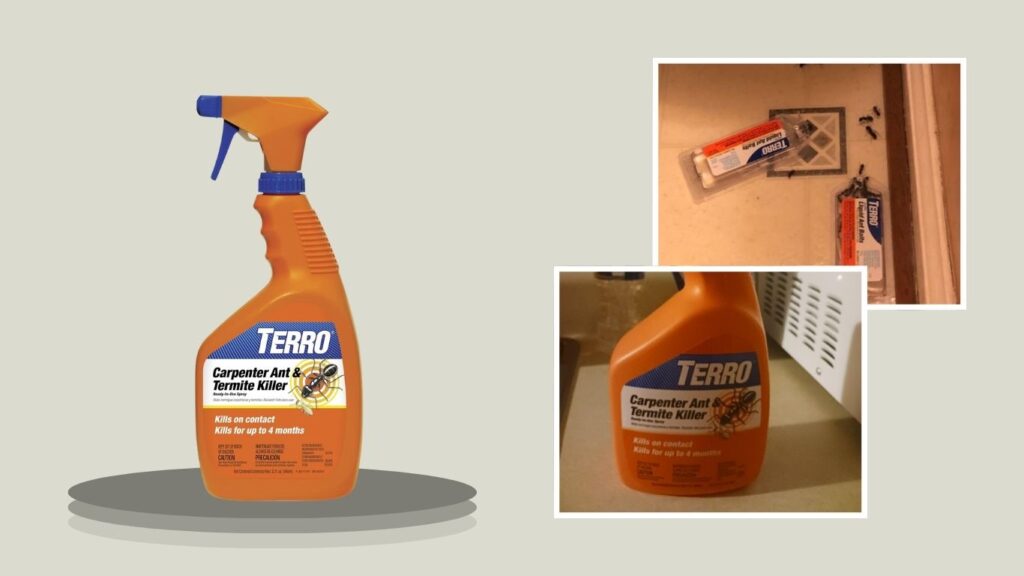
T1100 Carpenter Ant & Termite Killer is designed for convenient spot treatment around areas where carpenter ants are active. Its ready-to-use formulation eliminates the need for measuring or mixing, making it a straightforward option for household pest control. It can be applied around cracks, wall edges, structural gaps, and other accessible locations where carpenter ants travel or enter the home.
Key Features
- Ready-to-use insect-control formula
- Designed for carpenter ants and termites
- Suitable for spot treatments
- No concentrate mixing required
- Useful around cracks and entry points
- Convenient for routine household applications
Why It’s Best For Quick Spot Treatment
The T1100 is particularly useful when ant activity is concentrated in a few identifiable locations. Instead of treating broad areas, homeowners can focus on specific pathways, entry points, or structural gaps.
This targeted approach helps make treatment more efficient and is suitable for users who want a simple spray-based solution without complicated preparation.
Performance & Durability
As a direct treatment, T1100 can help control visible carpenter ants quickly when applied to active areas. It can also be used along frequently traveled pathways to support continued control.
However, carpenter ants often establish satellite nests inside walls or wood. Surface spraying may therefore need to be combined with inspection, moisture correction, and baiting for more complete results.
Pros, Cons & Overall Verdict
Pros
- Ready to use
- Simple spot application
- No dilution needed
- Useful around known ant trails
Cons
- May not reach hidden nests
- Repeat monitoring is important
- Additional treatment may be needed
Overall Verdict: T1100 is a convenient option for users who want a straightforward carpenter ant spray for accessible infestation areas and recurring ant trails.
4. BioAdvanced Carpenter Ant & Termite Killer for Outdoor Use
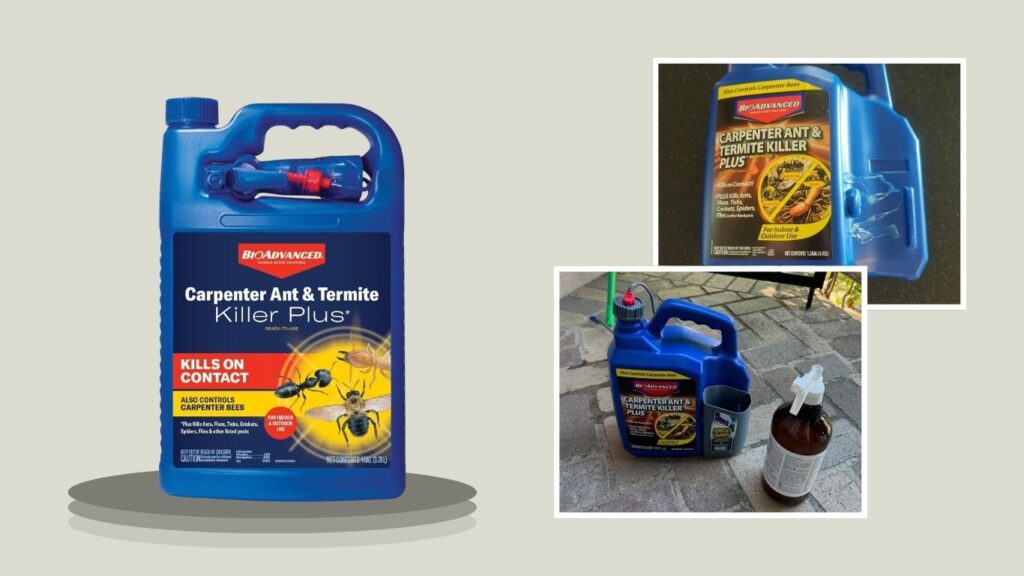
BioAdvanced Carpenter Ant & Termite Killer is designed for homeowners who want to target carpenter ants around outdoor areas before they move deeper into the home. It can be useful around foundations, decks, siding, patios, and other exterior locations where carpenter ants travel. Its outdoor-focused application makes it a strong companion to indoor treatments when controlling ants around the property perimeter.
Key Features
- Designed for outdoor carpenter ant control
- Suitable for foundations and structural exteriors
- Useful around decks, patios, and entry points
- Targets active ant travel areas
- Can complement indoor ant treatments
- Practical for perimeter pest-management routines
Why It’s Best For Outdoor Perimeter Control
Carpenter ants frequently forage outdoors before entering structures through cracks and utility openings. Treating exterior travel routes can help reduce activity before ants reach indoor spaces.
BioAdvanced is especially useful around foundations and outdoor wooden structures where carpenter ants may be searching for nesting locations or food. Combining perimeter treatment with sealing gaps can strengthen overall protection.
Performance & Durability
Outdoor insecticides need to handle exposure to changing environmental conditions. Strategic application around sheltered travel routes and entry points can help maximize treatment effectiveness.
Weather, rain, irrigation, and surface conditions may influence longevity, so treated areas should be inspected periodically. Following label directions for reapplication is important for maintaining consistent control.
Pros, Cons & Overall Verdict
Pros
- Designed for outdoor use
- Useful for perimeter treatment
- Good for foundations and entry areas
- Complements indoor pest control
Cons
- Weather can affect treatment longevity
- Indoor nests need separate attention
- Reapplication may be necessary
Overall Verdict: BioAdvanced Carpenter Ant & Termite Killer is a solid option for homeowners who want to strengthen exterior defenses and reduce carpenter ant activity around the property perimeter.
5. GoneNaturally Carpenter Ant Killer Peppermint Spray
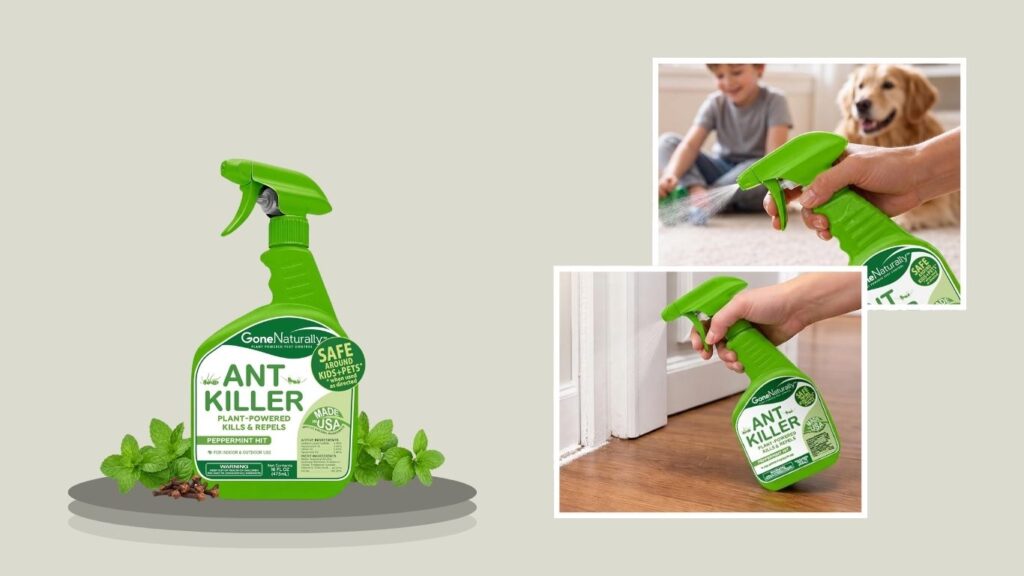
GoneNaturally Carpenter Ant Killer Peppermint Spray is aimed at users who prefer a peppermint-based approach to household ant control. The ready-to-use formula can be applied around common carpenter ant pathways, entry points, baseboards, and other accessible areas. Its simple spray format makes it convenient for spot treatments and routine pest-management applications around the home.
Key Features
- Peppermint-based ant-control formula
- Ready-to-use spray
- Suitable for targeted household treatment
- Useful around cracks and entry points
- Convenient for indoor problem areas
- No mixing or dilution required
Why It’s Best For Peppermint-Based Control
This spray is a useful option for households interested in plant-derived or peppermint-based pest-control products. It can be applied to areas where carpenter ants are repeatedly seen, including wall edges, doorways, window areas, and baseboards.
The ready-to-use bottle also makes it simple to keep on hand for spot treatment whenever new ant activity appears.
Performance & Durability
Peppermint-based sprays are generally best suited for direct treatment and deterrence around accessible areas. Repeated application may be needed if ant pressure remains high or treated surfaces are cleaned.
For established carpenter ant colonies hidden within structural wood, a spray alone may not provide complete control. Combining targeted spraying with baiting, sealing gaps, and correcting moisture problems can produce a more comprehensive approach.
Pros, Cons & Overall Verdict
Pros
- Peppermint-based formula
- Ready-to-use design
- Simple spot treatment
- Useful around household entry points
Cons
- May require frequent reapplication
- Hidden colonies may need additional control
- Best results depend on accurate placement
Overall Verdict: GoneNaturally Peppermint Spray is a convenient option for users seeking a peppermint-based carpenter ant treatment for visible activity and common household entry areas.
6. BioAdvanced Carpenter Ant & Termite Killer Ready-to-Use
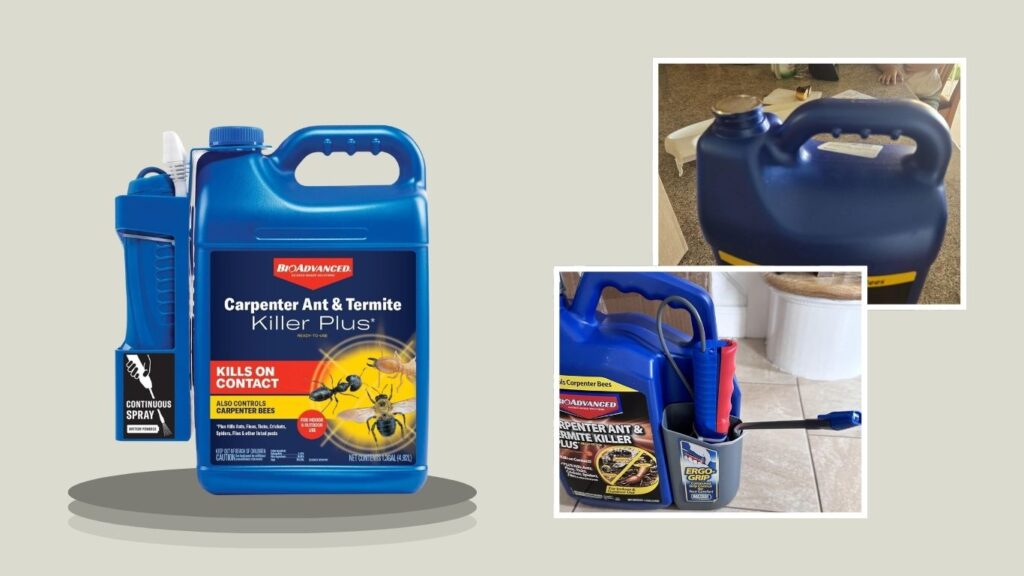
BioAdvanced Carpenter Ant & Termite Killer Ready-to-Use offers a straightforward spray solution for treating carpenter ants around accessible household and structural areas. The pre-mixed formulation saves preparation time and is suitable for users who want a simple method for dealing with visible carpenter ants, travel routes, cracks, and entry points without handling concentrated insecticides.
Key Features
- Pre-mixed ready-to-use formula
- Designed for carpenter ants and termites
- Suitable for targeted spot applications
- No measuring or dilution required
- Useful around cracks and structural openings
- Convenient for home pest-control routines
Why It’s Best For Ready-to-Use Convenience
The biggest advantage is simplicity. Because the product arrives ready for application, users can treat problem areas without preparing a concentrate.
This is especially helpful for occasional carpenter ant activity around foundations, wall edges, door frames, or other accessible areas. Its straightforward format makes it easy to incorporate into regular home-maintenance routines.
Performance & Durability
BioAdvanced provides direct treatment for visible carpenter ants and can be applied to frequently used travel areas. Strategic placement is important because carpenter ants may follow hidden pathways through structural spaces.
Outdoor conditions and cleaning may reduce residual performance over time. Monitoring treated areas helps determine whether activity is declining or whether further applications are necessary.
Pros, Cons & Overall Verdict
Pros
- Convenient pre-mixed formula
- Easy targeted application
- No preparation required
- Useful around structural entry points
Cons
- Hidden nests may require another approach
- Outdoor exposure can reduce longevity
- Continued monitoring is recommended
Overall Verdict: BioAdvanced Ready-to-Use Carpenter Ant & Termite Killer is a practical choice for homeowners who value simple application and want a direct treatment for accessible carpenter ant activity.
7. Ortho Home Defense Indoor Insect Barrier Spray
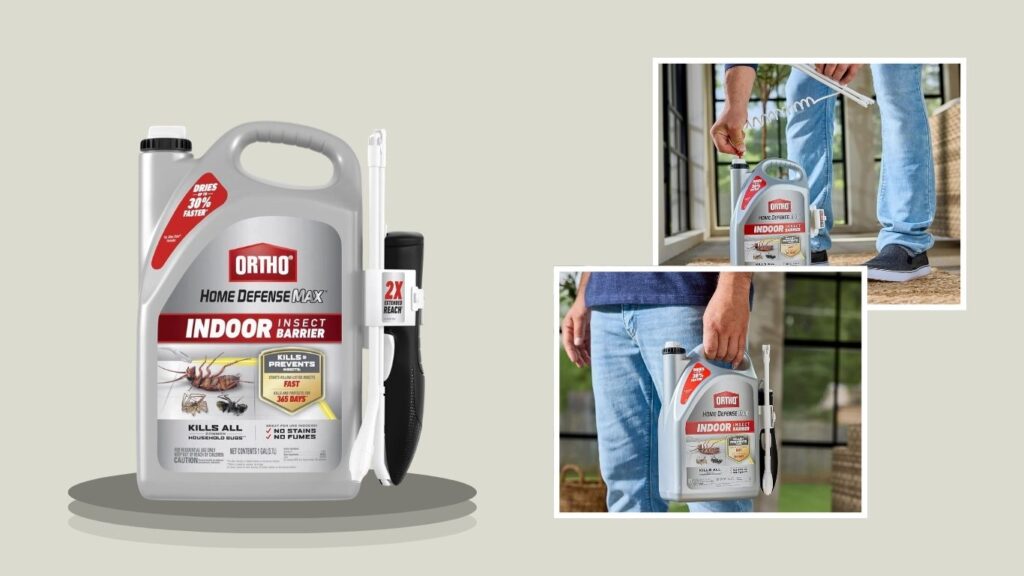
Ortho Home Defense Indoor Insect Barrier Spray is designed for homeowners who want to treat common pest entry points and indoor travel routes. Its ready-to-use format makes it convenient for applying around baseboards, doors, windows, corners, and other areas where carpenter ants may enter or move through the home. It works well as part of a broader prevention strategy focused on reducing recurring indoor ant activity.
Key Features
- Ready-to-use indoor insect spray
- Suitable for baseboards and entry points
- Useful around doors and windows
- No concentrate mixing required
- Designed for targeted household treatment
- Convenient for routine pest-control applications
Why It’s Best For Indoor Barrier Treatment
This product is particularly useful when carpenter ants repeatedly enter through identifiable gaps or follow predictable indoor routes. Applying treatment along those locations can help create a more organized barrier-based approach.
It can be especially practical around wall edges, door frames, window areas, and utility openings. When paired with sealing cracks and reducing moisture, an indoor barrier treatment can support longer-term carpenter ant management.
Performance & Durability
Performance depends on where and how the spray is applied. Treating clean, accessible surfaces along established ant routes may provide more consistent results than spraying random areas.
Indoor treatments are generally less exposed to rain and weather, which can help them remain in place longer than some outdoor applications. However, treated areas should still be monitored and reapplied only according to label directions.
Pros, Cons & Overall Verdict
Pros
- Easy indoor application
- Useful around entry points
- Ready-to-use formula
- Good for barrier-style treatment
Cons
- May not reach hidden nests
- Surface cleaning can affect treated areas
- Colony control may require additional methods
Overall Verdict: Ortho Home Defense Indoor Insect Barrier Spray is a practical choice for homeowners who want to treat indoor carpenter ant pathways and reinforce common entry points.
8. Natural Peppermint Ant Repellent Spray
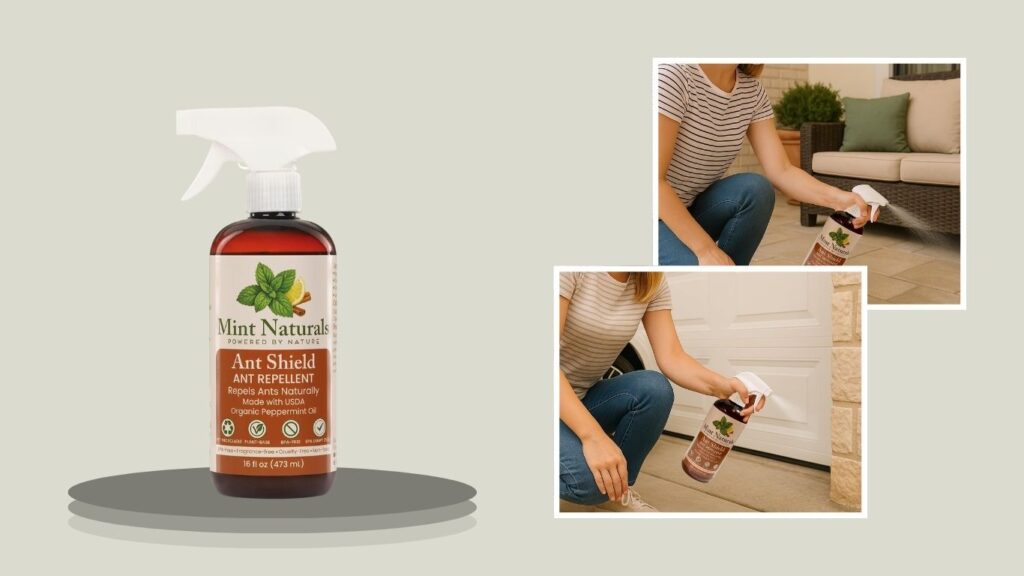
This Natural Peppermint Ant Repellent Spray is intended for users who prefer a plant-based or peppermint-focused approach to ant management. The ready-to-use format allows it to be applied around cracks, doorways, windows, baseboards, and other locations where ants are commonly noticed. It is especially suited to spot treatment and deterrence rather than complicated whole-property applications.
Key Features
- Peppermint-based ant repellent formula
- Ready-to-use spray bottle
- Suitable for indoor and targeted applications
- Useful around cracks and entry areas
- No mixing or dilution needed
- Convenient for routine spot treatment
Why It’s Best For Peppermint-Based Deterrence
The main appeal of this product is its simple plant-based approach. Homeowners can apply it around frequently used ant pathways without preparing concentrates or installing bait stations.
It may be especially useful for people who want to discourage carpenter ants from specific indoor locations such as windows, doors, baseboards, and utility openings. Regular inspection can help identify where treatment should be concentrated.
Performance & Durability
Peppermint-based sprays are generally best used for direct treatment and short-term deterrence around accessible surfaces. Performance may vary depending on infestation severity, surface type, and how often treated areas are cleaned.
Because carpenter ants can nest inside structural wood, repellents alone may not eliminate an established colony. Combining spraying with inspection and moisture control can produce a more complete approach.
Pros, Cons & Overall Verdict
Pros
- Peppermint-based formula
- Easy to apply
- Useful for spot treatment
- No preparation required
Cons
- May need repeated application
- Not ideal as the only solution for large colonies
- Results can vary by treatment area
Overall Verdict: This Natural Peppermint Ant Repellent Spray is best suited to homeowners looking for an easy plant-based option for discouraging carpenter ants around common indoor entry points.
9. EcoVenger Ant Killer & Deterrent Peppermint Spray
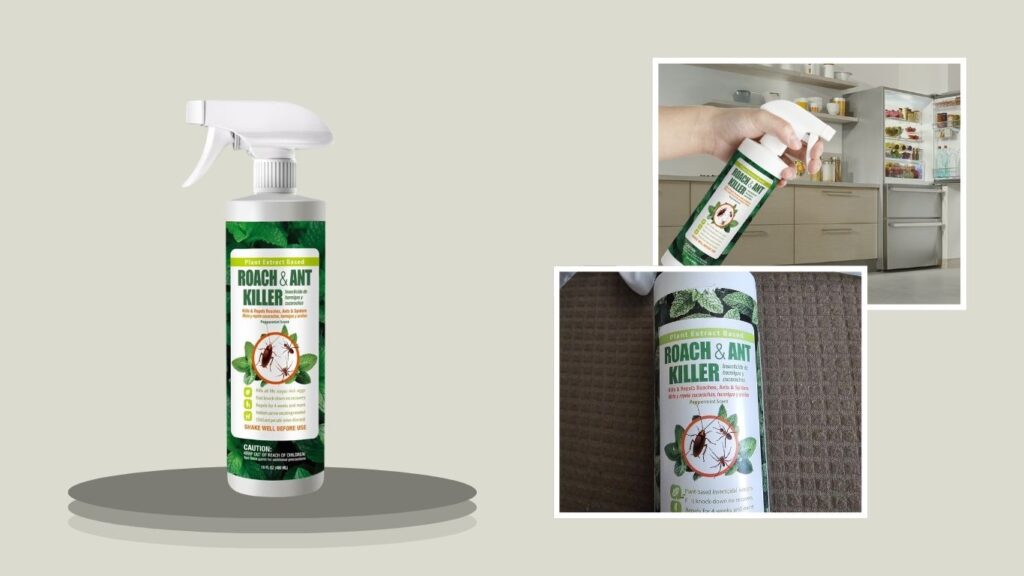
EcoVenger Ant Killer & Deterrent Peppermint Spray combines direct pest treatment with a plant-based approach aimed at household ant management. It can be applied around active ant routes, cracks, baseboards, doors, and other accessible locations. The ready-to-use design makes it convenient for users who want a simple spray that can be incorporated into regular indoor pest-control routines.
Key Features
- Plant-based ant-control spray
- Peppermint-focused formulation
- Ready-to-use application
- Suitable for direct spot treatment
- Useful around cracks and travel routes
- Designed for household pest management
Why It’s Best For Plant-Based Direct Treatment
EcoVenger is a useful option for households that want a botanical-style spray while still targeting active ants directly. Its convenient bottle makes it easy to focus applications around specific locations rather than covering large areas unnecessarily.
It can work particularly well around wall edges, doorways, window frames, and other places where carpenter ants repeatedly appear.
Performance & Durability
Direct application can help address visible carpenter ants, while treatment of commonly traveled surfaces may help discourage continued activity.
As with most surface sprays, results depend on correct placement and infestation size. If carpenter ants are nesting inside walls or damaged wood, additional baiting or professional treatment may still be needed.
Pros, Cons & Overall Verdict
Pros
- Plant-based formula
- Ready-to-use design
- Suitable for direct treatment
- Useful around household entry points
Cons
- Repeat applications may be necessary
- Hidden colonies can remain untreated
- Severe infestations may need additional control
Overall Verdict: EcoVenger is a good fit for users who want a plant-based carpenter ant spray for visible activity and targeted treatment around common household pathways.
10. Natural Ant Spray for Indoor & Outdoor Use
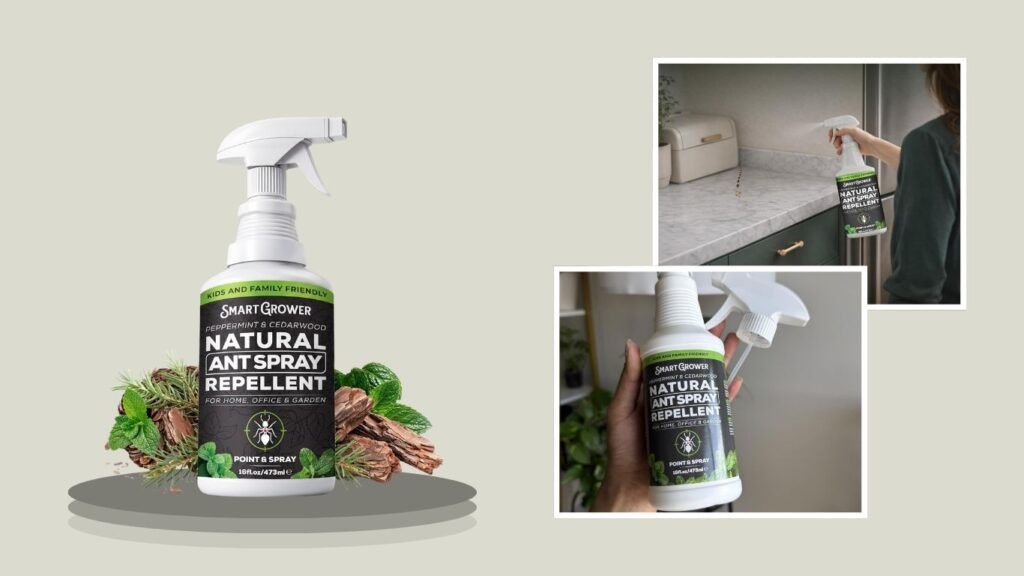
This Natural Ant Spray is designed for flexible use around both indoor and outdoor problem areas. Its ready-to-use format makes it easy to treat ant trails, entry points, patios, doorways, baseboards, and other locations where carpenter ants may be active. For homeowners who prefer one spray that can cover several types of treatment zones, its indoor-outdoor versatility is a notable advantage.
Key Features
- Suitable for indoor and outdoor applications
- Ready-to-use spray format
- Designed for targeted ant treatment
- Useful around doors, windows, and foundations
- No concentrate mixing required
- Convenient for multiple household areas
Why It’s Best For Flexible Indoor and Outdoor Use
The main advantage of this spray is versatility. Instead of using separate products for indoor and exterior treatment, homeowners can address several carpenter ant pathways with one ready-to-use option.
It can be applied near interior entry points as well as exterior areas where ants approach the structure. This makes it convenient for homes where carpenter ant activity occurs on both sides of the building.
Performance & Durability
Performance depends on application location and environmental exposure. Indoor treatments may remain undisturbed longer, while outdoor areas exposed to rain, sunlight, or irrigation may need closer monitoring.
For established carpenter ant infestations, surface treatment should be combined with inspecting damaged wood, reducing excess moisture, and locating potential nesting areas.
Pros, Cons & Overall Verdict
Pros
- Indoor and outdoor versatility
- Easy ready-to-use application
- Good for targeted treatment
- No mixing required
Cons
- Outdoor exposure may reduce longevity
- May not reach concealed colonies
- Reapplication can be necessary
Overall Verdict: This Natural Ant Spray is a versatile option for homeowners who want one straightforward product for treating carpenter ant activity around both interior and exterior areas.
FAQs
1. What spray works best for carpenter ants?
The most suitable spray depends on where the infestation is located. Ready-to-use insecticides are useful for direct treatment and structural entry points, while plant-based sprays may appeal to users who prefer botanical formulations. Severe infestations often require more than surface spraying alone.
2. Where should I spray for carpenter ants?
Focus on areas where ants are actively traveling, such as cracks, baseboards, door frames, window edges, foundation gaps, and other entry points. Always follow the product label for approved treatment locations and application instructions.
3. Can carpenter ant spray eliminate the entire colony?
Sprays can control exposed ants and treat accessible areas, but they may not reach colonies hidden inside walls, roofs, or damaged wood. Baits, moisture correction, structural repairs, or professional treatment may be needed for complete colony control.
4. How often should carpenter ant spray be reapplied?
Reapplication frequency varies by product, treatment location, surface type, and environmental exposure. Outdoor treatments may be affected by weather more quickly than indoor applications. Always follow the manufacturer’s label rather than applying more frequently than recommended.
5. Are natural sprays effective against carpenter ants?
Natural or plant-based sprays can be useful for direct contact treatment and deterrence around accessible areas. However, they may require repeated applications, and established colonies hidden within structural wood may need additional control methods.
