

The Asian Paper Wasp (Polistes chinensis) is a species of social wasp widely distributed across Asia. Known for its distinctive nests and behavior, it plays a significant role in ecosystems as a natural predator of pests, but it can also pose challenges to humans. In this article, we will explore the identification, nesting habits, behavior, and interactions of the Asian Paper Wasp, offering insights into its role in the environment and how to safely manage encounters with this species.
Identification of the Asian Paper Wasp

Physical Appearance
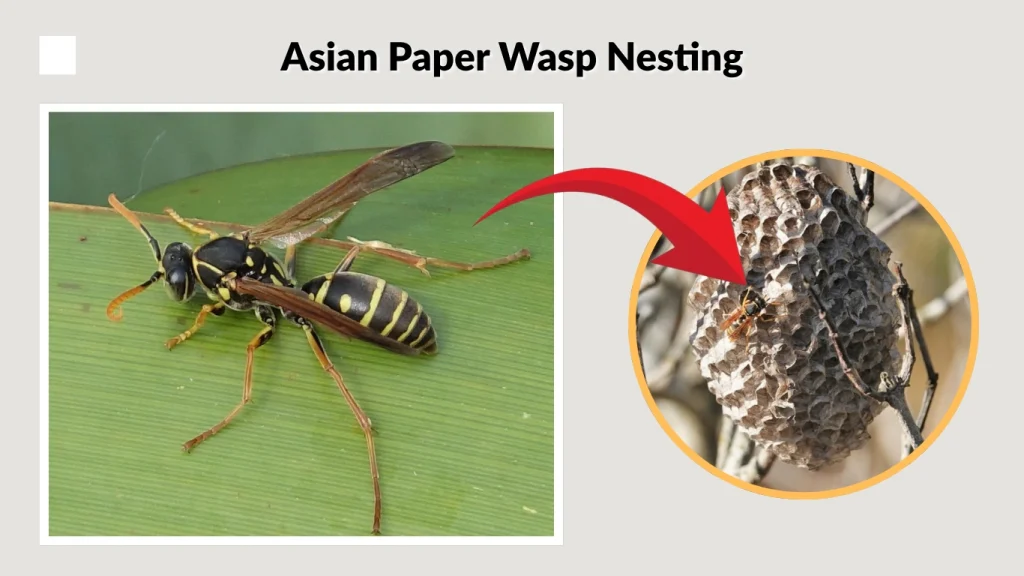
The Asian Paper Wasp is a medium-sized wasp, measuring around 16 to 20 millimeters in length. It has a slim, elongated body that is characterized by the following features:
- Color: The Asian Paper Wasp’s body is predominantly yellow and black, with distinctive dark markings across the thorax and abdomen.
- Waist: The species has a narrow, distinct “wasp waist” that is typical of most wasps, which separates the thorax and abdomen.
- Wings: Its wings are large and transparent, often reflecting a subtle iridescent sheen when caught in the light.
- Antennae: The wasp has long antennae that are segmented and noticeable in its profile.
Nesting Characteristics
Asian Paper Wasps are easily identified by their distinctive nests. These nests are constructed from papery material made from chewed wood fibers, which the wasps mix with saliva to create the papery substance. The nests typically have the following characteristics:
- Shape: The nests are umbrella-shaped, hanging upside down from trees, eaves, or other sheltered locations. They usually have a single layer of hexagonal cells arranged in a circular pattern.
- Size: The size of the nest can vary, but they typically range from 10 to 30 cm in diameter. Larger colonies can produce nests that are several times larger, depending on the number of individuals in the colony.
- Location: These nests are often found in sheltered, elevated areas like the undersides of tree branches, overhangs, fences, and occasionally within buildings.
Behavior of the Asian Paper Wasp

Social Structure
Asian Paper Wasps are social insects that live in colonies, with each colony consisting of several types of wasps:
- Queen: The queen is the reproductive female responsible for laying eggs. She is the founding member of the colony and will continue to lay eggs throughout the colony’s life cycle.
- Workers: Worker wasps are sterile females responsible for building the nest, foraging for food, and caring for the larvae. They also defend the nest from potential threats.
- Drones: Drones are males that are produced later in the colony’s life cycle. Their sole purpose is to mate with the queen.
Feeding Habits
The diet of the Asian Paper Wasp primarily consists of:
- Nectar: The wasps forage for nectar from flowers, which provides energy for the adults.
- Insects: They are also predatory and feed on various insect species, including caterpillars, aphids, and spiders. They capture and paralyze prey, which is brought back to the nest to feed the larvae.
- Scavenging: In addition to their primary food sources, Asian Paper Wasps may scavenge food from human sources, such as sugary liquids, fruits, or waste.
Aggression and Defense
Asian Paper Wasps are generally non-aggressive but can become territorial and defensive, especially when their nests are threatened. They will often sting in defense if the nest is disturbed, and their sting is quite painful. However, they typically avoid human interaction unless provoked. They will aggressively defend their nest against perceived threats, including other animals and humans who venture too close.
Nesting and Reproduction
Nest Construction
The construction of the nest is a communal effort by the worker wasps. The queen starts the colony by laying eggs in the early spring, and as the worker population increases, they help with the construction and maintenance of the nest. The papery nest is made by chewing wood fibers from trees, fences, or wooden structures, which the wasps then mix with saliva to create the nest’s structure.
Life Cycle

The life cycle of the Asian Paper Wasp consists of the following stages:
- Egg: The queen lays fertilized eggs in the nest, where they hatch into larvae.
- Larvae: The larvae feed on the food provided by worker wasps, growing rapidly as they are cared for by the workers.
- Pupae: After reaching a sufficient size, the larvae pupate inside the nest and eventually emerge as adults.
- Adult: Once the adult wasps emerge from the pupal case, they take on roles within the colony, either as workers, drones, or queens.
The queen will continue to lay eggs throughout the colony’s lifespan. As the weather cools in late fall, the queen stops laying eggs, and the colony begins to break down. The new queens and drones mate before the colony disbands, and the mated queens hibernate during the winter, emerging in the spring to start new colonies.
Asian Paper Wasps and Human Interactions
Stings and Risks
The sting of the Asian Paper Wasp can cause intense pain and localized swelling, often followed by redness and itching. In rare cases, an allergic reaction can occur, leading to symptoms such as difficulty breathing, dizziness, or anaphylaxis. This makes it important for individuals with a known wasp sting allergy to take extra precautions when in areas where these wasps may be present.
Are They Dangerous to Humans?
While the Asian Paper Wasp can be dangerous if provoked, they are not naturally aggressive toward humans. They typically sting only when they feel their nest is threatened or when they are directly disturbed. For most people, a sting is simply painful and irritating, but it can be more serious for those with allergies to wasp venom. It’s important to exercise caution around nests and avoid disturbing them.
Managing Encounters with Asian Paper Wasps
If you come across a nest, it’s crucial to:
- Stay Calm: Avoid swatting at the wasps or making sudden movements, as this may provoke them.
- Maintain Distance: Keep a safe distance from the nest to reduce the chance of stings.
- Remove the Nest Safely: If you need to remove a nest, it’s best to contact a professional pest control service. If attempting removal yourself, do so at night when the wasps are less active, and always wear protective clothing, including a veil and gloves.
Conclusion
The Asian Paper Wasp is an interesting species that plays a crucial role in controlling insect populations and pollinating plants. While their sting can be painful, they are not inherently aggressive and will only sting in self-defense or when their nest is disturbed. By understanding their behavior, nesting habits, and role in the environment, we can appreciate the positive contributions these wasps make to ecosystems while safely managing encounters. Whether you’re an observer or dealing with an infestation, recognizing their presence and taking the proper precautions can help ensure peaceful coexistence with this fascinating species.
