
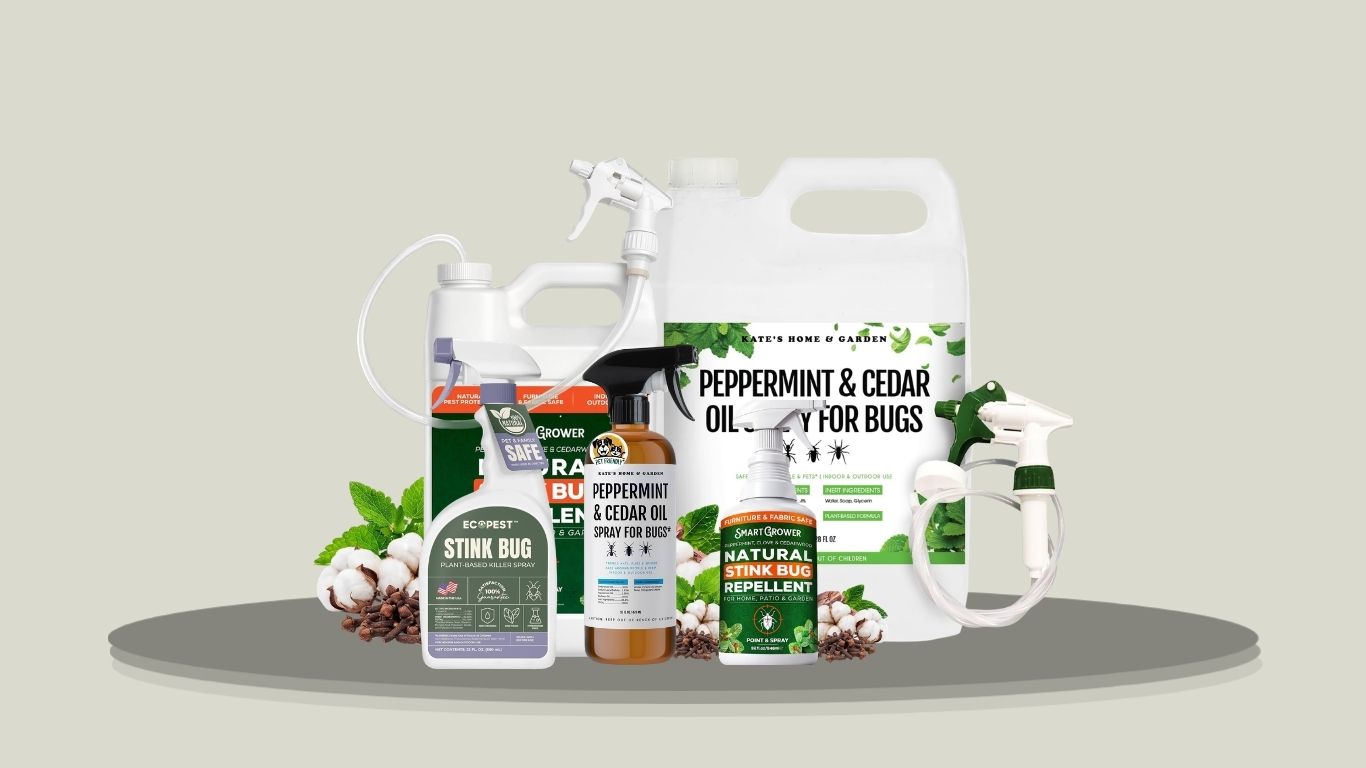
Finding the best indoor stink bug killer can make it easier to control these unwanted pests around windows, doors, kitchens, basements, and other common entry points. Some products are designed to kill stink bugs on contact, while others use peppermint, cedarwood, or plant-based ingredients to help repel them from treated areas. The right option depends on whether you need fast knockdown, preventive protection, or a more natural formula. In this guide, we review seven practical stink bug killers for indoor home use.
1. Kate’s Home & Garden Peppermint Stink Bug Repellent Spray
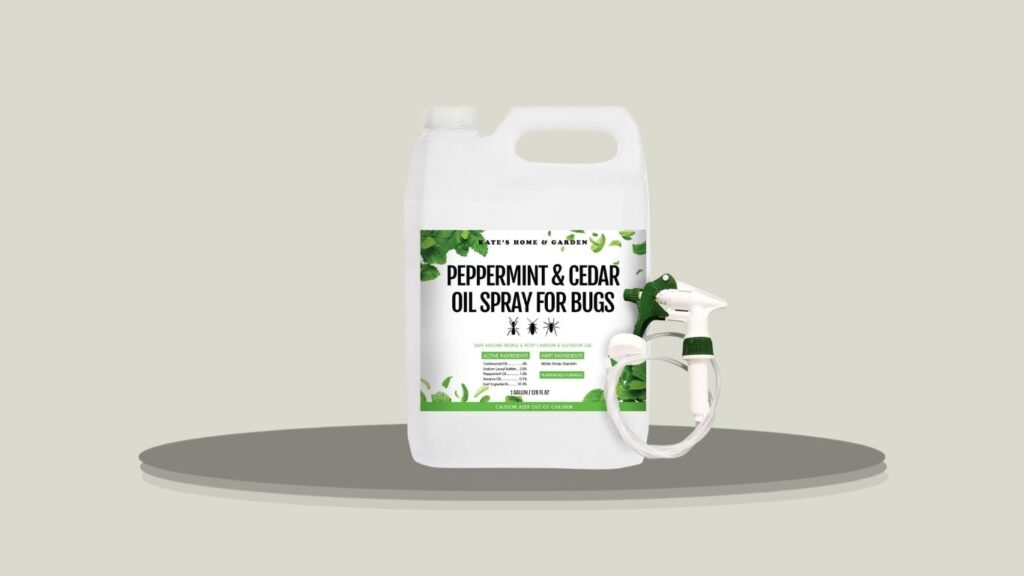
The Kate’s Home & Garden Peppermint Stink Bug Repellent Spray is designed for homeowners who prefer a plant-based approach to keeping stink bugs and other unwanted insects away from indoor living spaces. This large 128-ounce formula uses peppermint and cedarwood oils and is intended primarily as a repellent rather than a contact killer. It works particularly well around windows, doors, baseboards, basements, garages, and other common pest entry points.
Key Features
- Large 128-ounce container
- Peppermint and cedarwood oil formula
- Designed to repel stink bugs and other household pests
- Suitable for treating common indoor entry points
- Ready-to-use application
- Useful around windows, doors, and baseboards
- Plant-based pest-control approach
- Can also be used around selected outdoor areas as directed
Why It’s Best For Indoor Stink Bug Prevention
This Kate’s Home & Garden formula is most useful before stink bugs become established inside the house. Applying it around window sills, door frames, basement entrances, and other access points creates a scented barrier intended to discourage insects from entering.
The large gallon-sized supply also makes it practical for homeowners who need to treat several rooms or regularly refresh multiple entry points instead of relying on a small spray bottle.
Performance & Durability
Peppermint and cedarwood-based formulas work primarily by repelling pests, so consistent coverage is important. Product guidance recommends reapplying around treated entry points every 7–10 days, with outdoor areas refreshed after heavy rain.
This makes it more suitable for routine preventive maintenance than for instantly killing stink bugs already inside the home. Combining the spray with sealed gaps and repaired window screens can provide a stronger overall barrier.
Pros, Cons & Overall Verdict
Pros
- Large volume for repeated applications
- Plant-based ingredients
- Useful around multiple indoor entry points
- Works against several household pests
- Fresh peppermint-style scent
Cons
- Primarily a repellent rather than a direct-contact killer
- Requires periodic reapplication
- Strong herbal scent may not appeal to everyone
Overall Verdict: Kate’s Home & Garden Peppermint Stink Bug Repellent is best suited to homeowners who want broad, repeatable indoor prevention. Its large capacity and plant-based formula make it particularly practical for seasonal stink bug problems around doors, windows, and other common entry areas.
2. Natural Stink Bug Repellent with Trigger Sprayer
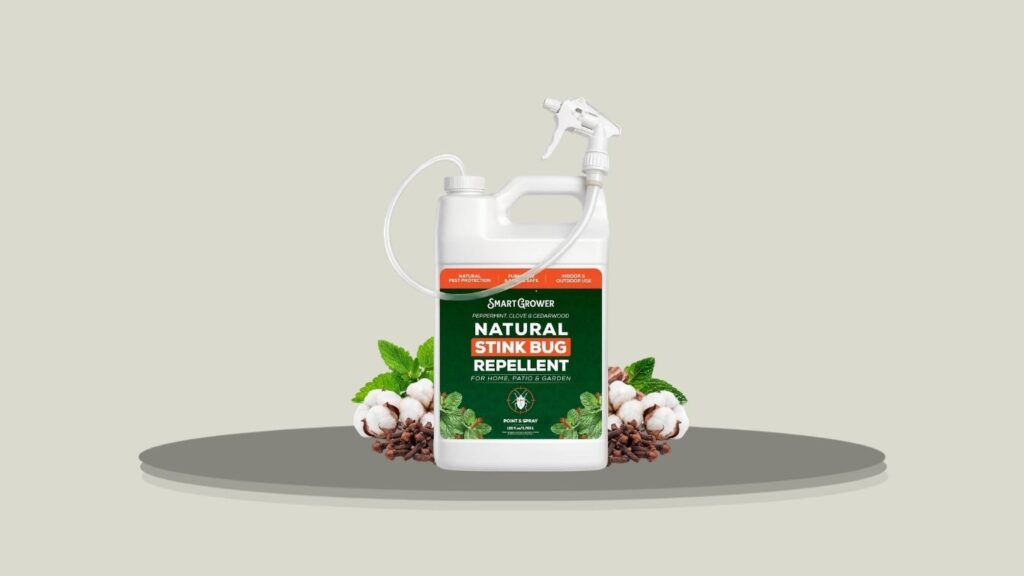
The Natural Stink Bug Repellent with Trigger Sprayer is a convenient ready-to-use option for treating indoor areas where stink bugs commonly appear. Its trigger bottle makes targeted application simple around windows, doors, baseboards, closets, garages, and other potential entry points. The formula is positioned more toward repelling and discouraging stink bugs than providing heavy-duty residual insecticide control, making it practical for routine seasonal prevention inside the home.
Key Features
- Ready-to-use trigger sprayer
- Designed for stink bug repellency
- Suitable for indoor and outdoor use
- Easy application around entry points
- Useful for windows and door frames
- No mixing or dilution required
- Convenient for spot treatments
- Suitable for routine preventive use
Why It’s Best For Quick Indoor Treatment
The main advantage is convenience. When stink bugs begin gathering near windows or doors, the trigger sprayer allows homeowners to treat those areas quickly without preparing concentrates or handling large containers.
It works particularly well for smaller infestations or as part of a preventive routine during fall and spring when stink bugs frequently seek shelter indoors.
Performance & Durability
Repellent-style formulas perform best when applied consistently to known pest routes. Windows, door frames, basement openings, and wall gaps are logical areas to prioritize.
Cleaning treated surfaces or exposure to moisture can reduce the effectiveness of the barrier, so periodic reapplication may be needed according to the product label.
Pros, Cons & Overall Verdict
Pros
- Simple trigger application
- Ready to use
- Suitable for indoor entry points
- Convenient for spot treatment
- No complicated setup
Cons
- Primarily suited to repelling rather than killing large numbers
- May require repeated application
Overall Verdict: This natural trigger-spray option is a practical choice for homeowners who want straightforward indoor stink bug prevention without dealing with concentrates or bulky equipment.
3. Natural Stink Bug Repellent Spray for Indoor & Outdoor Use
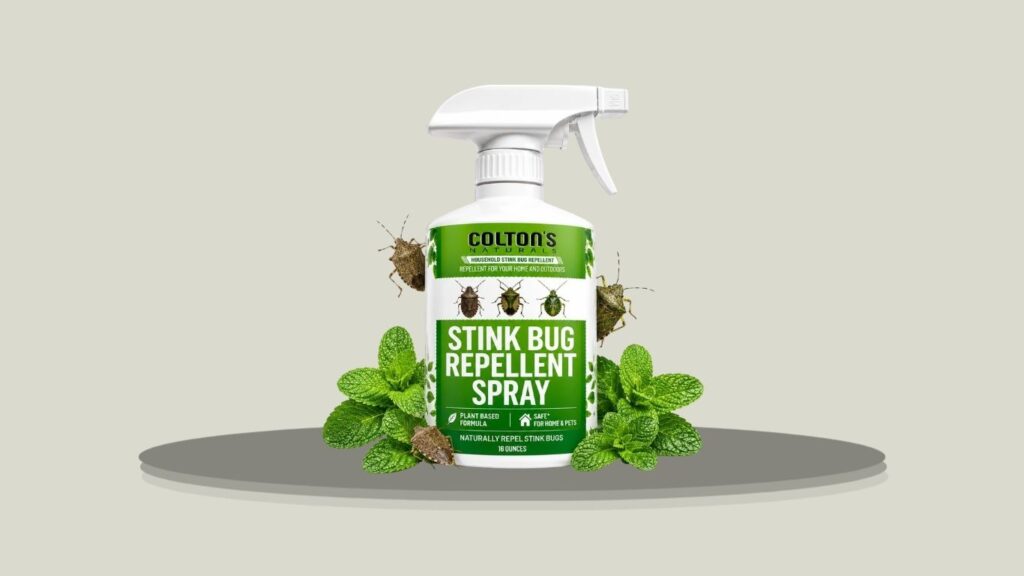
The Natural Stink Bug Repellent Spray for Indoor & Outdoor Use is designed for homeowners who want one product that can be used around both interior spaces and exterior entry areas. Its ready-to-use design makes it practical for treating windows, doors, garages, porches, basements, and similar locations. It is especially useful for preventive applications where stink bugs regularly gather before entering the home.
Key Features
- Indoor and outdoor application
- Ready-to-use spray
- Designed to repel stink bugs
- Useful around doors and windows
- Suitable for garages and basements
- No mixing required
- Convenient seasonal treatment
- Easy targeted application
Why It’s Best For Indoor and Outdoor Versatility
Stink bugs often begin outside before moving into homes through small cracks and gaps. Treating both sides of common entry points can therefore be more practical than focusing only on insects already indoors.
This product is best suited to homeowners who want a single spray for window frames, exterior doors, porch areas, garages, and nearby indoor surfaces where the label permits use.
Performance & Durability
The effectiveness of a repellent depends heavily on maintaining a consistent treatment barrier. Outdoor surfaces may need more frequent attention because rain, sunlight, and cleaning can reduce coverage.
Indoor treatments generally last longer when surfaces remain undisturbed. Combining the spray with sealing cracks and repairing screens can improve overall stink bug prevention.
Pros, Cons & Overall Verdict
Pros
- Works in indoor and outdoor areas
- Easy ready-to-use format
- Good for entry-point treatment
- Convenient for seasonal use
- Versatile application
Cons
- Primarily preventive rather than a heavy-duty killer
- Outdoor treatments may require frequent reapplication
Overall Verdict: This natural spray is a good fit for homeowners who want to treat stink bug activity on both sides of the home and maintain a consistent preventive barrier throughout the season.
4. Natural Ready-to-Use Stink Bug Repellent Spray
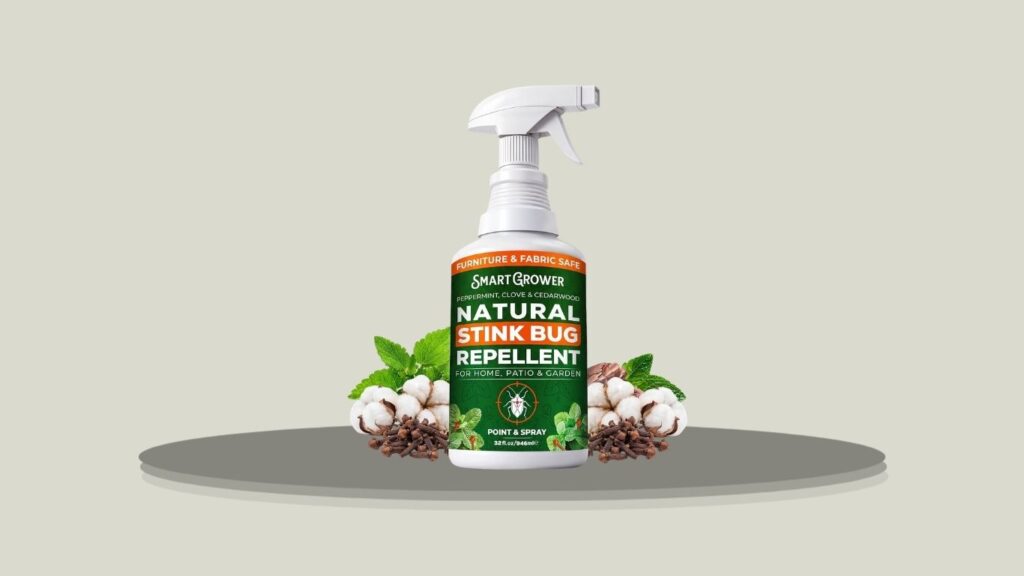
The Natural Ready-to-Use Stink Bug Repellent Spray focuses on simplicity. It arrives prepared for immediate application, allowing users to target stink bug activity around kitchens, windows, bedrooms, basements, and other indoor spaces without measuring or mixing. Its straightforward design makes it especially useful for households dealing with occasional stink bugs rather than a severe infestation requiring professional-grade residual treatment.
Key Features
- Ready-to-use formulation
- Designed for stink bugs
- Suitable for targeted indoor application
- Can also be used outdoors as directed
- No dilution required
- Easy trigger-spray format
- Useful around cracks and corners
- Convenient for routine prevention
Why It’s Best For Beginners
Someone dealing with stink bugs for the first time may not want to mix concentrates or determine complicated application ratios.
This ready-to-use design removes that extra step. Users can concentrate on known entry points such as window edges, door frames, vents, and basement openings.
Its simplicity makes it particularly suitable for apartments, smaller homes, and localized seasonal activity.
Performance & Durability
For best results, the spray should be applied to areas where stink bugs regularly gather or enter rather than sprayed randomly throughout a room.
Preventive formulas generally work better when coverage is refreshed periodically. Surfaces that are washed frequently or exposed outdoors may lose their protective effect more quickly.
Pros, Cons & Overall Verdict
Pros
- Very easy to use
- No preparation required
- Suitable for targeted treatment
- Good for smaller indoor problems
- Convenient for beginners
Cons
- Limited benefit for severe infestations
- Requires consistent application for continued repellency
Overall Verdict: This ready-to-use formula is best suited to homeowners who value convenience and need a simple way to manage occasional stink bug activity around common indoor entry points.
5. Natural Plant-Based Stink Bug Killer & Repellent Spray
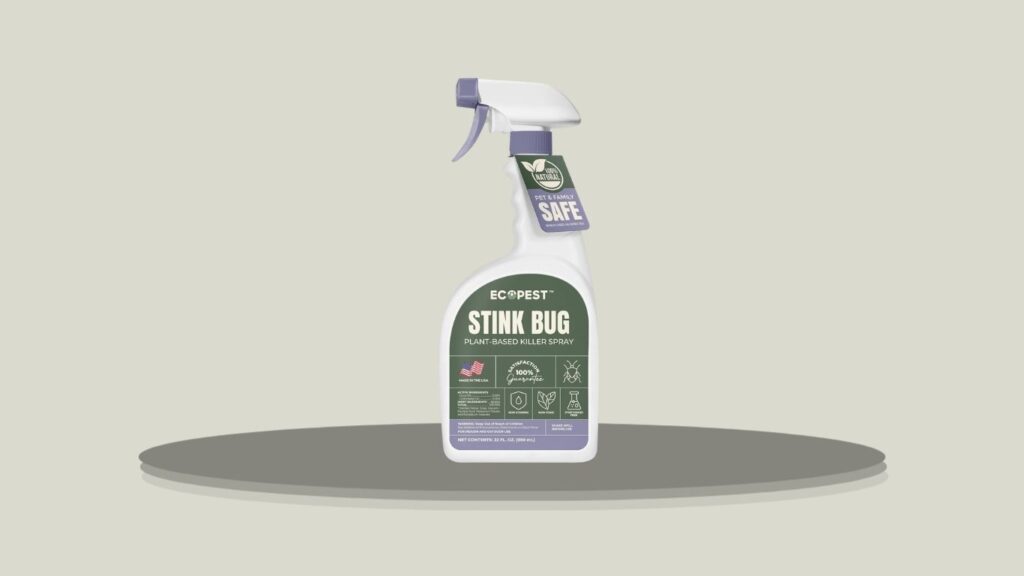
The Natural Plant-Based Stink Bug Killer & Repellent Spray offers a more targeted approach by combining direct pest control with repellent action. Rather than functioning only as a scented barrier, this type of formula is intended for application to visible stink bugs as well as the surfaces where they tend to gather. It is especially useful for homeowners who want a plant-based option that can address both active insects and future entry attempts.
Key Features
- Plant-based formulation
- Designed specifically for stink bugs
- Contact-kill capability
- Repellent action
- Ready-to-use spray
- Suitable for indoor and outdoor areas
- Useful around windows and doors
- Convenient for direct spot treatment
Why It’s Best For Killing and Repelling
The combination of two functions gives this product an advantage over formulas that only repel.
Visible stink bugs can be treated directly, while common entry areas can also be sprayed to discourage additional activity. That makes it particularly useful during peak seasonal invasions when some insects are already indoors and more remain outside.
Performance & Durability
Direct-contact performance depends on adequately treating the insect itself, while repellent performance depends on surface coverage.
For ongoing results, treatment around cracks, windows, doors, vents, and similar areas should be maintained according to label directions. Reducing physical entry points will further improve the overall effectiveness of the spray.
Pros, Cons & Overall Verdict
Pros
- Combines killing and repelling
- Plant-based approach
- Suitable for direct treatment
- Indoor and outdoor versatility
- Targeted stink bug formula
Cons
- May require repeat applications
- Large infestations may still need additional control methods
Overall Verdict: This plant-based killer and repellent is one of the more versatile choices for homeowners who want to handle visible stink bugs while also treating the areas where new insects are likely to enter.
6. Natural Indoor & Outdoor Stink Bug Repellent Spray
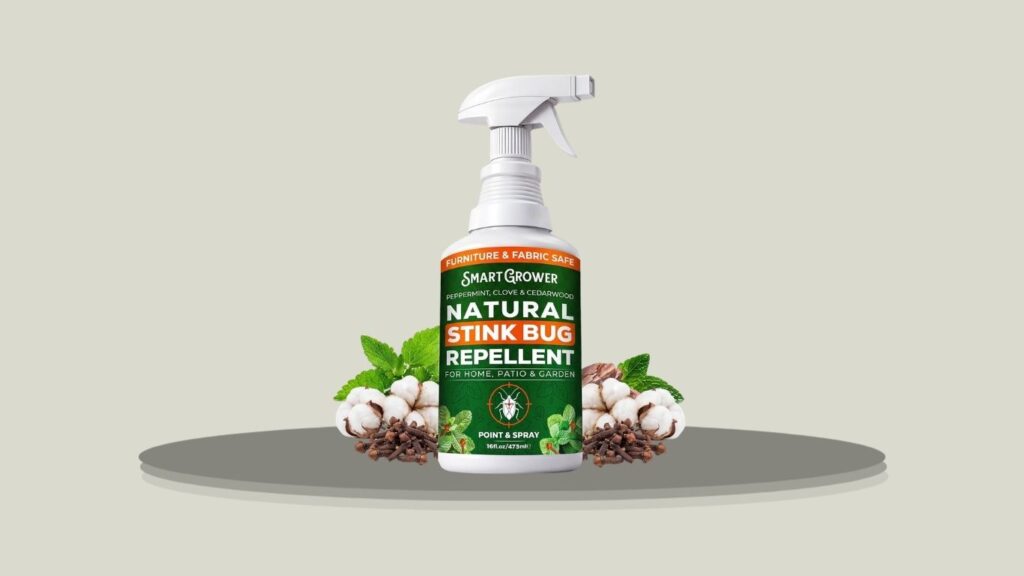
The Natural Indoor & Outdoor Stink Bug Repellent Spray is designed for broad household prevention. Its ready-to-use format allows treatment around indoor problem zones as well as exterior areas where stink bugs gather before moving into the home. This makes it particularly suitable for seasonal maintenance around garages, window frames, doors, porches, basements, and similar locations.
Key Features
- Designed for stink bug repellency
- Indoor and outdoor applications
- Ready-to-use format
- Suitable for entry-point treatments
- Easy trigger-spray application
- Useful around windows and doors
- No mixing required
- Suitable for repeated seasonal use
Why It’s Best For Seasonal Prevention
Stink bug problems often become more noticeable during cooler periods when adults search for protected places to overwinter.
Applying a repellent around likely entry points before large numbers move indoors can be more manageable than treating insects after they have spread through the house.
This spray is therefore best suited to homeowners who prefer a preventive routine rather than waiting until an infestation is already established.
Performance & Durability
Outdoor exposure can gradually reduce repellent coverage, especially after rain or surface cleaning. Indoor applications may remain useful longer when treated areas are not disturbed.
Regular monitoring helps determine where additional treatment is needed. Window frames, attic openings, utility penetrations, and exterior doors are particularly important areas to inspect.
Pros, Cons & Overall Verdict
Pros
- Good for seasonal prevention
- Indoor and outdoor flexibility
- Simple ready-to-use design
- Works well around entry points
- Easy to incorporate into routine maintenance
Cons
- Not intended as a powerful residual killer
- Outdoor applications may require frequent renewal
Overall Verdict: This natural repellent is best for homeowners who want to stay ahead of seasonal stink bug invasions by regularly treating the areas insects are most likely to use when entering the home.
7. Peppermint & Cedarwood Stink Bug Control Spray
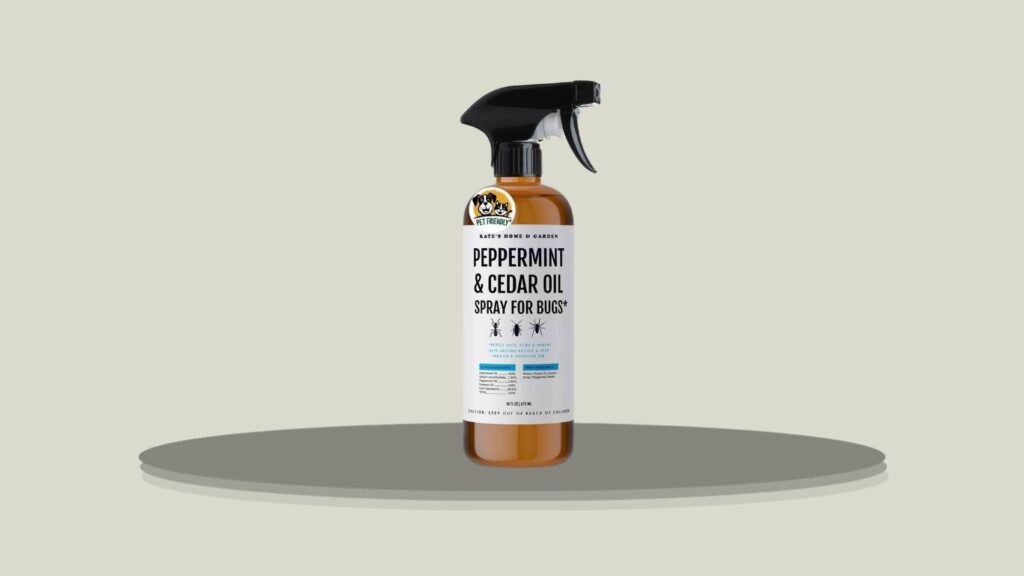
The Peppermint & Cedarwood Stink Bug Control Spray uses aromatic plant-based ingredients to help discourage stink bugs and other household pests from treated areas. Its ready-to-use trigger bottle makes it convenient around kitchens, baseboards, doors, windows, garages, and other common pest routes. Because it also targets a broader range of insects, it is particularly useful in homes where stink bugs appear alongside spiders, ants, silverfish, or other occasional invaders.
Key Features
- Peppermint and cedarwood formula
- Designed for stink bugs and other pests
- Ready-to-use trigger spray
- Suitable for indoor treatment
- Can be used outdoors as directed
- Useful around baseboards and windows
- Multi-pest application
- No mixing required
Why It’s Best For Multi-Pest Indoor Protection
The biggest advantage is versatility. Instead of keeping one spray for stink bugs and several others for different crawling insects, this formula can be incorporated into a broader household pest-prevention routine.
It is especially practical around windows, doors, baseboards, storage spaces, and other areas where multiple pest species tend to enter or travel.
Performance & Durability
Peppermint and cedarwood repellents work best when applied to specific pest pathways and refreshed as needed.
Their aromatic effect can diminish with time, ventilation, cleaning, and outdoor weather. Consistent application around high-risk entry points can provide more reliable preventive performance.
Sealing structural gaps remains important because repellents work better when pests have fewer physical openings available.
Pros, Cons & Overall Verdict
Pros
- Multi-pest versatility
- Peppermint and cedarwood ingredients
- Easy trigger application
- Useful around common indoor entry points
- Good for preventive maintenance
Cons
- Strong herbal scent may not appeal to everyone
- Better suited to repelling than controlling severe infestations
Overall Verdict: The Peppermint & Cedarwood Stink Bug Control Spray is a strong choice for homeowners who want one botanical-style product for stink bugs plus several other common household pests.
FAQs
What is the best indoor stink bug killer?
The best option depends on whether you need direct killing or preventive repellency. A contact-kill spray is more useful for visible stink bugs, while peppermint, cedarwood, or other plant-based repellents can help discourage new insects from entering through windows and doors.
Where should I spray stink bug killer indoors?
Focus on areas where stink bugs enter or gather, including window frames, doorways, baseboards, basement openings, attic access points, and cracks around utility lines. Only spray surfaces that are specifically permitted on the product label.
Can peppermint spray keep stink bugs away?
Peppermint-based sprays may help repel stink bugs from treated areas, particularly around common entry points. They are most useful as part of a preventive routine and may need regular reapplication to maintain their effect.
Why do stink bugs keep coming inside my house?
Stink bugs often enter buildings while searching for protected overwintering locations. Small gaps around windows, doors, siding, vents, roofs, and utility openings can provide access. Sealing these gaps is one of the most effective long-term prevention measures.
How do I get rid of stink bugs indoors permanently?
Combine direct removal or appropriate sprays with exclusion. Seal cracks, repair screens, weather-strip doors, close gaps around windows, and inspect vents and utility openings. Vacuuming individual stink bugs can also be useful. Long-term control depends heavily on preventing new insects from entering rather than relying only on repeated spraying.
