
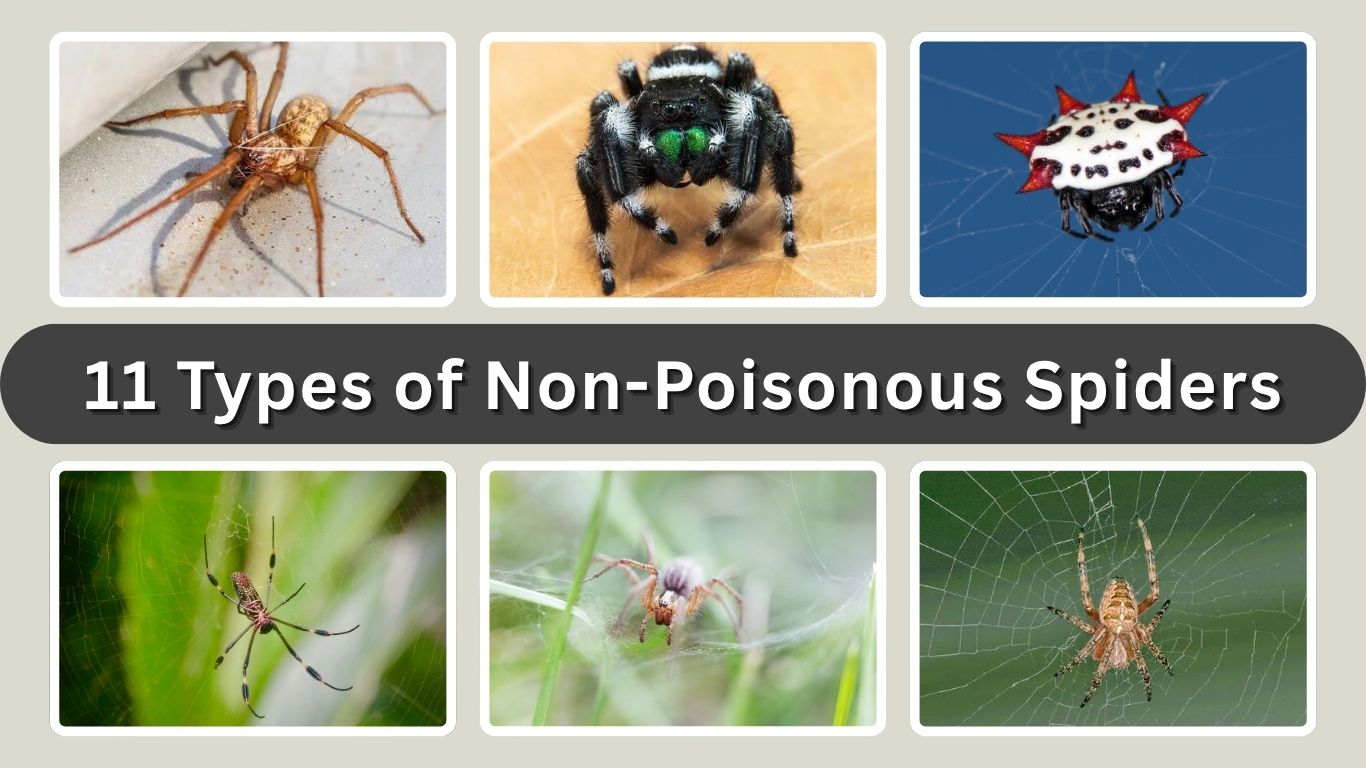
Not every spider you see around your home, garden, or yard is dangerous. Many common species have venom only for capturing small prey and pose little or no medical risk to people. These harmless spiders usually avoid human contact and bite only when trapped or handled roughly. This guide covers 11 types of non-poisonous or medically insignificant spiders, including their identification, biting behavior, pain level, and potential risk to humans, so you can recognize them without unnecessary fear.
1. Common House Spider
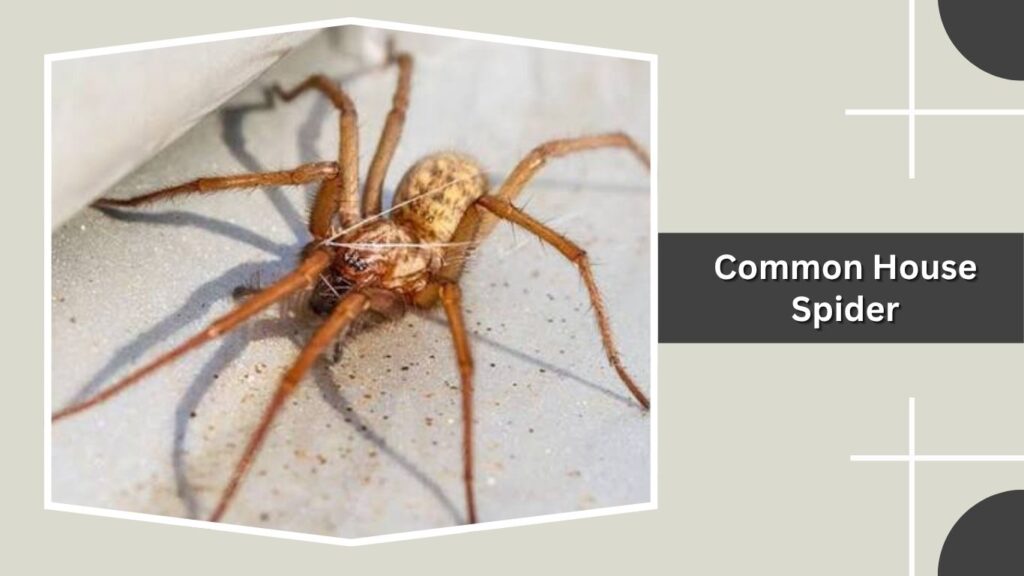
The common house spider (Parasteatoda tepidariorum) is frequently found inside homes, garages, sheds, and other sheltered structures. Although it possesses venom for subduing tiny insect prey, it is not considered medically dangerous to humans. These spiders are generally shy and prefer escaping rather than biting. They can actually be beneficial indoors because they capture flies, mosquitoes, and other small pests.
Identification
Common house spiders are relatively small and have rounded abdomens with variable brown, tan, gray, or yellowish markings.
- Body length is usually about 5–8 mm in females
- Males are typically smaller
- Abdomen is rounded or somewhat bulbous
- Legs are thin and moderately long
- Color ranges from light tan to dark brown
- Webs are irregular and tangled
- Commonly found in corners, windows, basements, and garages
Their messy cobwebs are often easier to notice than the spiders themselves.
Does a Common House Spider Bite?
Common house spiders can bite, but bites are uncommon. They normally bite only when trapped against the skin, squeezed, or handled roughly. Their small fangs also make defensive bites relatively ineffective compared with medically significant spiders.
A bite may cause a small red spot, mild swelling, itching, or temporary tenderness.
Is the Bite Painful or Dangerous?
Most reported reactions are mild. A person might experience a brief pinching or stinging sensation followed by minor irritation. Symptoms generally remain limited to the immediate bite area.
Common house spiders are not known for causing the severe muscle cramps, major tissue damage, neurological symptoms, or dangerous systemic reactions associated with spiders such as black widows or funnel-webs.
Risk to Humans
The common house spider presents a very low risk to humans. Children and pets are also unlikely to experience serious problems from ordinary encounters.
If a suspected bite produces unusually severe swelling, spreading redness, breathing difficulty, intense pain, or other significant symptoms, medical attention is appropriate because another spider, allergic reaction, infection, or unrelated condition may be responsible.
2. Daddy Long-Legs Spider
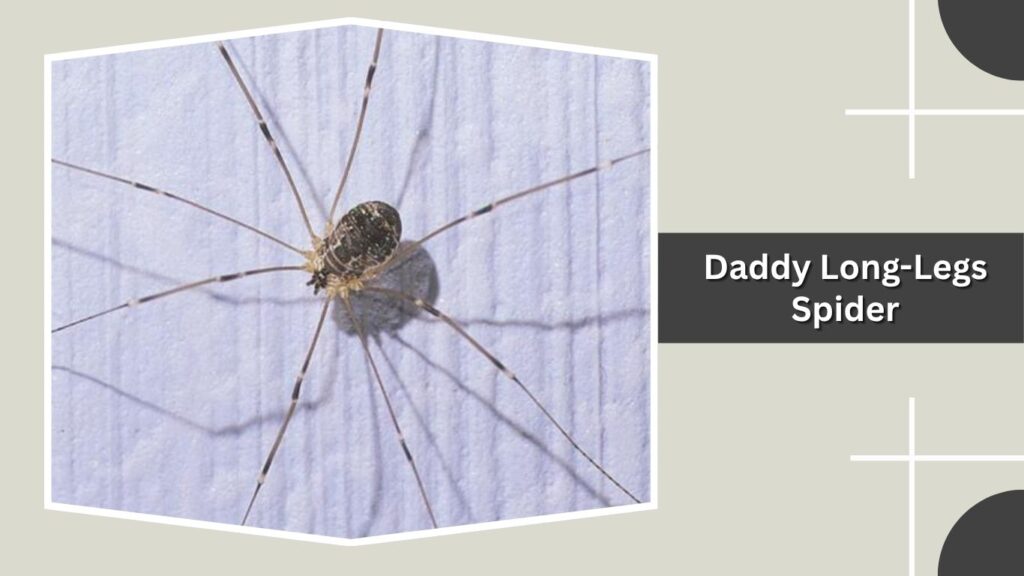
The daddy long-legs spider, commonly called the long-bodied cellar spider (Pholcus phalangioides), is frequently found in basements, garages, ceilings, and quiet corners of homes. It has extremely long, thin legs and a small body. Although it possesses venom for catching tiny prey, its venom is not considered medically significant to humans, and bites are extremely uncommon.
Identification
Daddy long-legs spiders have a distinctive appearance that makes them fairly easy to recognize.
- Small, elongated body
- Extremely long and slender legs
- Usually pale gray, tan, or light brown
- Body generally measures less than 10 mm
- Builds loose, irregular webs
- Often hangs upside down in its web
- Common in basements, sheds, garages, and ceilings
When disturbed, the spider may rapidly vibrate its web, making its body difficult for predators to target.
Does a Daddy Long-Legs Spider Bite?
These spiders can technically bite humans, but documented bites are very uncommon. They are timid and typically retreat or shake their webs when disturbed rather than trying to bite.
If a bite occurs, it may produce a brief pinching or mild burning sensation around the affected area.
Is the Bite Painful or Dangerous?
Daddy long-legs spider bites are not considered dangerous to healthy people. The popular claim that these spiders have extremely powerful venom but cannot penetrate human skin is a myth.
A rare bite may cause minor redness, mild discomfort, or temporary irritation, but serious systemic poisoning is not expected.
Risk to Humans
The risk to humans is extremely low. Cellar spiders are actually useful because they capture mosquitoes, flies, moths, and sometimes other spiders.
Medical attention is generally unnecessary for ordinary minor irritation. However, unexplained severe swelling, breathing problems, or rapidly worsening symptoms should always be medically evaluated.
3. Bold Jumping Spider
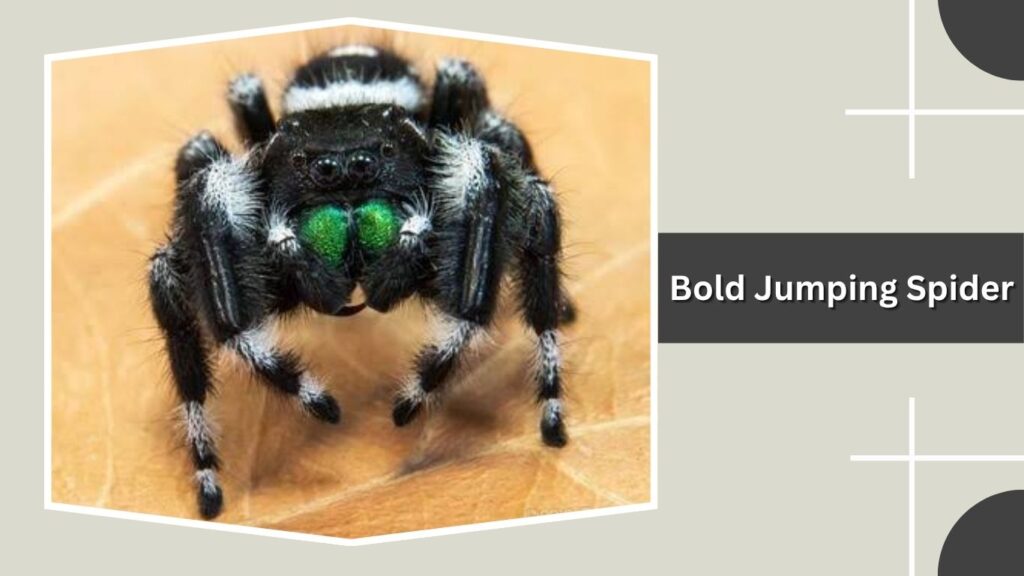
The bold jumping spider (Phidippus audax) is a common jumping spider found throughout much of North America. It is recognizable by its compact body, large forward-facing eyes, and energetic jumping behavior. Despite its intimidating appearance, the bold jumping spider is not dangerous to humans and usually avoids biting unless it is trapped or handled.
Identification
Bold jumping spiders are among the easiest jumping spiders to recognize because of their dark coloration and distinctive markings.
- Mostly black body
- White or orange abdominal spots
- Large forward-facing eyes
- Short, powerful legs
- Adult females can reach around 8–13 mm
- Metallic green or blue mouthparts
- Moves in quick jumps instead of relying on a prey-catching web
Young individuals may have orange markings that gradually become white as they mature.
Does a Bold Jumping Spider Bite?
Bold jumping spiders are capable of biting, but defensive bites are uncommon. They normally use their excellent eyesight and jumping ability to escape threats.
A bite generally occurs only if the spider becomes trapped against the skin or is deliberately handled. The sensation may resemble a small bee sting or pinprick.
Is the Bite Painful or Dangerous?
A bite may produce mild pain, redness, itching, or slight swelling. These symptoms usually remain localized around the bite site.
Bold jumping spider venom is designed for small insects and is not considered medically significant to humans. Severe venom-related complications are not expected from typical bites.
Risk to Humans
The risk is very low. Bold jumping spiders are beneficial predators that eat flies, mosquitoes, small moths, and other insects.
People should simply avoid squeezing or handling them unnecessarily. If unusual symptoms develop after a suspected bite, medical advice may help rule out another cause.
4. Zebra Jumping Spider
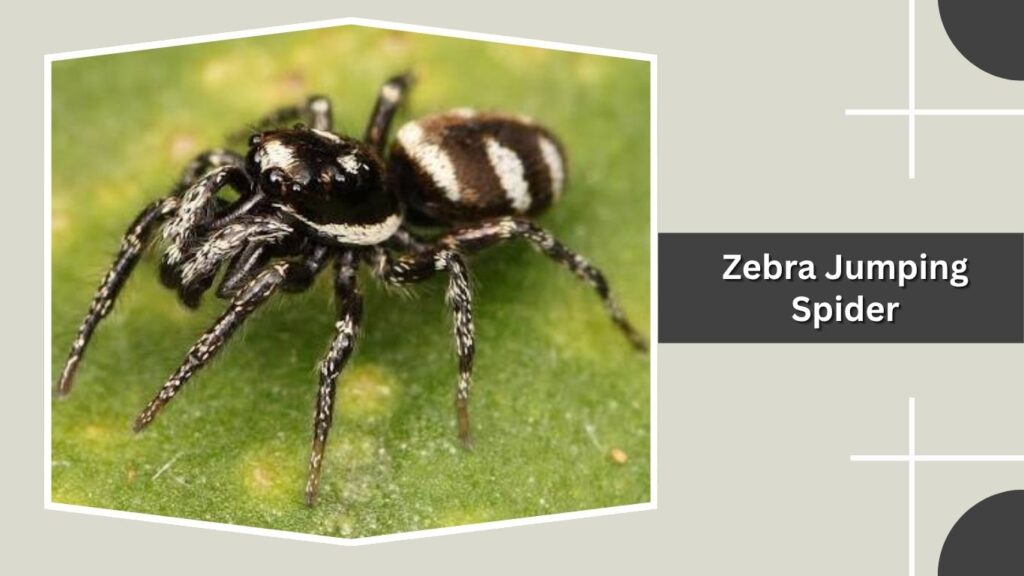
The zebra jumping spider (Salticus scenicus) is a small, active spider named for the black-and-white bands across its body. It is commonly seen on walls, fences, windows, rocks, and other sunny surfaces. Zebra jumping spiders are harmless to people in normal circumstances and are more likely to jump away than defend themselves with a bite.
Identification
Their striped appearance and characteristic movement make zebra jumping spiders relatively distinctive.
- Black-and-white striped body
- Compact, somewhat flattened shape
- Large forward-facing eyes
- Usually about 4–7 mm long
- Short and sturdy legs
- Moves through short, quick jumps
- Frequently seen hunting during daylight
Unlike orb-weavers, zebra jumping spiders do not build large webs for capturing prey. Instead, they actively stalk insects before jumping onto them.
Does a Zebra Jumping Spider Bite?
Zebra jumping spiders can bite when strongly provoked, but bites are extremely uncommon. Their first response to a person is generally to move or jump away.
If trapped against the skin, a spider might bite defensively. Any resulting discomfort would generally be mild.
Is the Bite Painful or Dangerous?
A zebra jumping spider bite is not considered medically dangerous. Possible symptoms may include brief pain, minor redness, itching, or slight swelling around the bite.
Its venom is effective against tiny insect prey but does not normally cause serious effects in humans.
Risk to Humans
Zebra jumping spiders pose minimal risk to adults and children. They may actually be useful around homes and gardens because they hunt flies, mosquitoes, and other small insects.
They can usually be left alone or gently encouraged outdoors rather than killed. Seek medical attention if any suspected spider bite causes severe or rapidly worsening symptoms.
5. Garden Orb-Weaver Spider
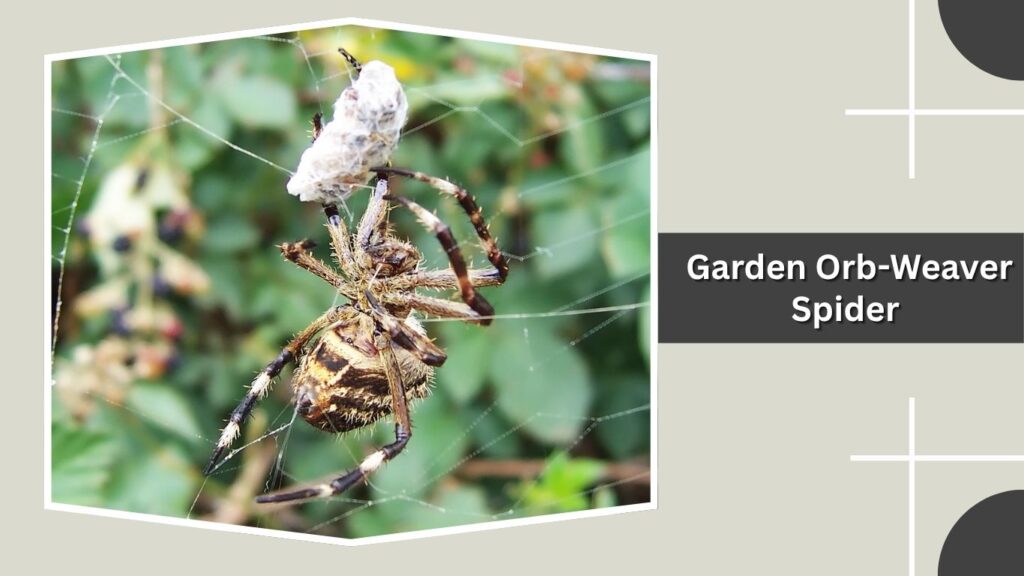
Garden orb-weaver spiders include numerous species that build the familiar large, circular webs commonly seen between plants, fences, and trees. These spiders may look large and intimidating, but most garden orb-weavers are harmless to humans. They prefer remaining in their webs and normally bite only when directly handled or squeezed.
Identification
Garden orb-weavers vary greatly in color and size, but they share several recognizable characteristics.
- Large, rounded abdomen
- Relatively long legs
- Brown, orange, yellow, gray, or patterned coloration
- Builds large circular webs
- Often sits at the center of the web
- Frequently active from evening through nighttime
- Common around gardens, woodland edges, and buildings
Their webs can sometimes span several feet between supporting plants or structures.
Does a Garden Orb-Weaver Bite?
Garden orb-weavers possess fangs and can bite defensively, but bites are unusual. These spiders generally drop from the web, hide, or retreat when disturbed.
A bite is most likely if someone accidentally grabs the spider while gardening or traps it against their skin.
Is the Bite Painful or Dangerous?
A bite may feel like a mild sting and could cause temporary redness, tenderness, itching, or slight swelling. These effects generally remain localized.
Garden orb-weaver venom is intended to immobilize insects and is not considered medically significant to humans.
Risk to Humans
The risk from garden orb-weavers is very low. They are beneficial garden predators that consume mosquitoes, moths, flies, beetles, and many other insects.
Their webs may be inconvenient when built across paths, but the spiders themselves generally do not need to be removed unless their location creates a problem.
6. Golden Silk Orb-Weaver
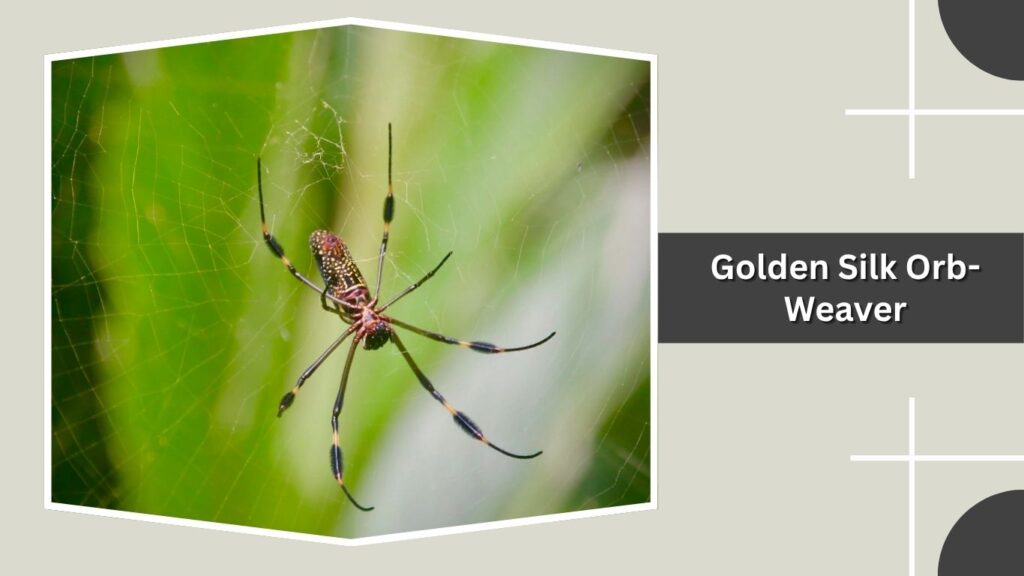
The golden silk orb-weaver, commonly associated with spiders in the genus Trichonephila, is famous for building enormous webs containing strong, golden-colored silk. Females can grow quite large and may appear intimidating, but these spiders are generally docile and not considered dangerous to humans. They are commonly found in warm and tropical regions.
Identification
Golden silk orb-weavers are distinctive because of both their body shape and impressive webs.
- Large females with long legs
- Yellow, orange, brown, or black markings
- Elongated abdomen
- Legs may have dark bands or hairy sections
- Builds very large circular webs
- Web silk can appear golden in sunlight
- Often found between trees, shrubs, or structures
Females are much larger than males, which may appear tiny when sitting near them in the same web.
Does a Golden Silk Orb-Weaver Bite?
Golden silk orb-weavers rarely bite humans. They are not aggressive and normally remain in their webs or attempt to escape when disturbed.
A defensive bite could occur if a spider is grabbed, squeezed, or trapped against clothing or skin.
Is the Bite Painful or Dangerous?
A bite can cause brief localized pain comparable to a mild insect sting. Some people may experience temporary redness, swelling, itching, or tenderness.
Despite their impressive size, golden silk orb-weavers do not have venom considered medically dangerous to humans. Serious reactions are very uncommon.
Risk to Humans
Golden silk orb-weavers present a low risk to humans and are valuable predators in natural environments. Their large webs capture flies, mosquitoes, moths, beetles, and other flying insects.
There is usually no reason to kill one. If a web blocks a doorway or walkway, carefully relocating or disrupting the web usually encourages the spider to rebuild elsewhere.
7. Spiny Orb-Weaver Spider
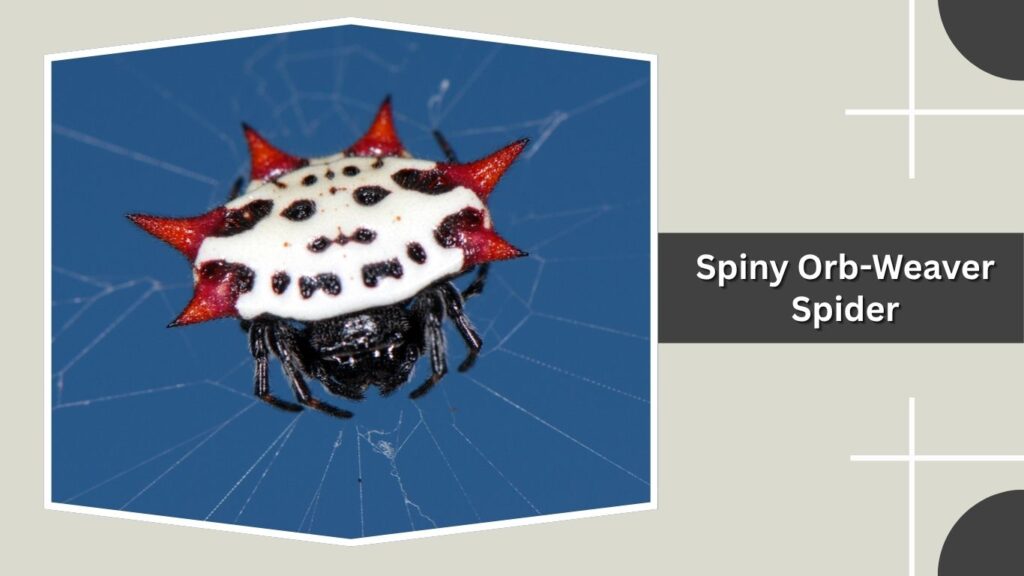
The spiny orb-weaver, often represented by Gasteracantha cancriformis, is a small, colorful spider commonly found in gardens, woodland edges, and around shrubs. Its hard, spiny abdomen can make it look threatening, but the spider is harmless to humans under normal circumstances. It spends most of its time in an orb-shaped web catching small flying insects and rarely interacts aggressively with people.
Identification
Spiny orb-weavers have an unusual body shape that makes them easy to distinguish from many other spiders.
- Broad, flattened abdomen
- Several noticeable spines around the abdomen
- White, yellow, orange, red, or black coloration
- Black spots may appear across the abdomen
- Females are larger than males
- Builds circular orb webs
- Frequently found in gardens and wooded areas
The exact color and pattern can vary considerably between individuals.
Does a Spiny Orb-Weaver Bite?
Spiny orb-weavers are capable of biting, but bites are extremely uncommon. They are not aggressive toward humans and normally remain in their web or attempt to escape when disturbed.
A bite would be most likely if someone picked up or squeezed the spider.
Is the Bite Painful or Dangerous?
A defensive bite may produce brief pain, mild redness, or slight swelling. Serious venom effects are not expected.
Despite the sharp-looking abdominal spines, these structures are defensive features and are not used to inject venom into people.
Risk to Humans
Spiny orb-weavers pose very little risk to humans. They can actually benefit gardens by catching mosquitoes, flies, moths, and other small insects.
There is usually no reason to remove them unless their webs repeatedly obstruct pathways. Any unusual or severe reaction following a suspected spider bite should be medically evaluated.
8. Grass Spider
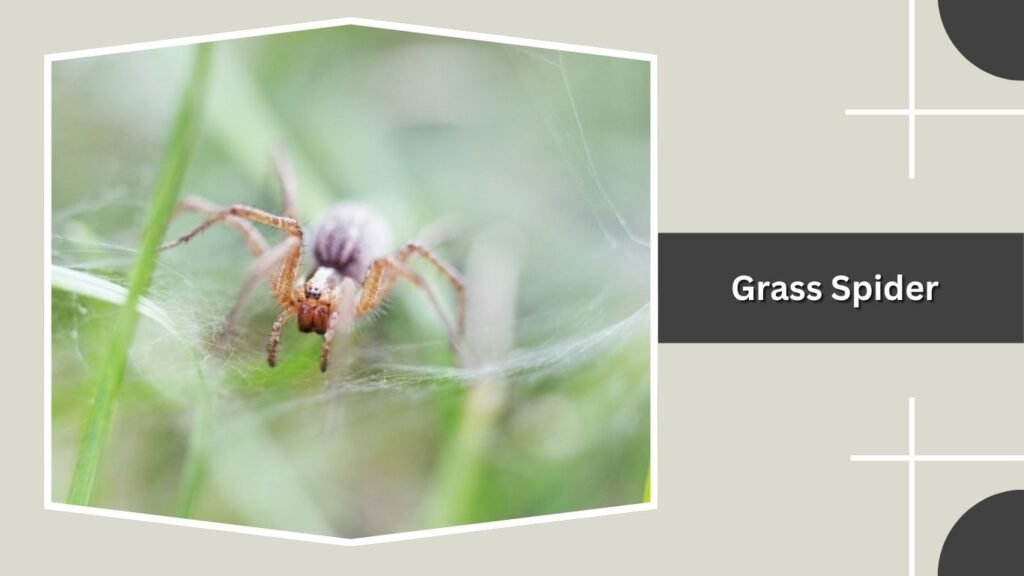
Grass spiders are funnel-weaving spiders commonly belonging to the genus Agelenopsis. They are frequently found in lawns, gardens, shrubs, window wells, and around buildings. Their fast movements sometimes make people nervous, but grass spiders are generally shy and not medically dangerous to humans. Their venom is mainly used to immobilize insects captured in their distinctive sheet-like webs.
Identification
Grass spiders can sometimes be confused with wolf spiders, but their webs and long spinnerets provide useful identification clues.
- Brown or grayish body
- Dark longitudinal stripes
- Long, slender legs
- Noticeably long spinnerets
- Builds sheet-like webs with a funnel retreat
- Common in grass and low vegetation
- Moves very quickly when disturbed
Their webs are especially noticeable early in the morning when covered with dew.
Does a Grass Spider Bite?
Grass spiders can bite if trapped against the skin or handled roughly, but they usually run away rather than defend themselves.
Human bites are uncommon because these spiders spend most of their time hiding inside their funnel retreats or waiting for insects on their webs.
Is the Bite Painful or Dangerous?
A grass spider bite may cause mild localized pain, redness, itching, or temporary swelling. These reactions are generally minor.
Their venom is not considered medically significant to humans, and serious systemic symptoms are not normally associated with grass spider bites.
Risk to Humans
Grass spiders present a very low risk to people. They are useful predators that help control flies, mosquitoes, small moths, and other insects around gardens and homes.
If one enters a house, it can usually be captured with a container and released outdoors. Medical attention is advisable if a suspected bite causes severe pain, spreading swelling, breathing difficulty, or other unusual symptoms.
9. Fishing Spider
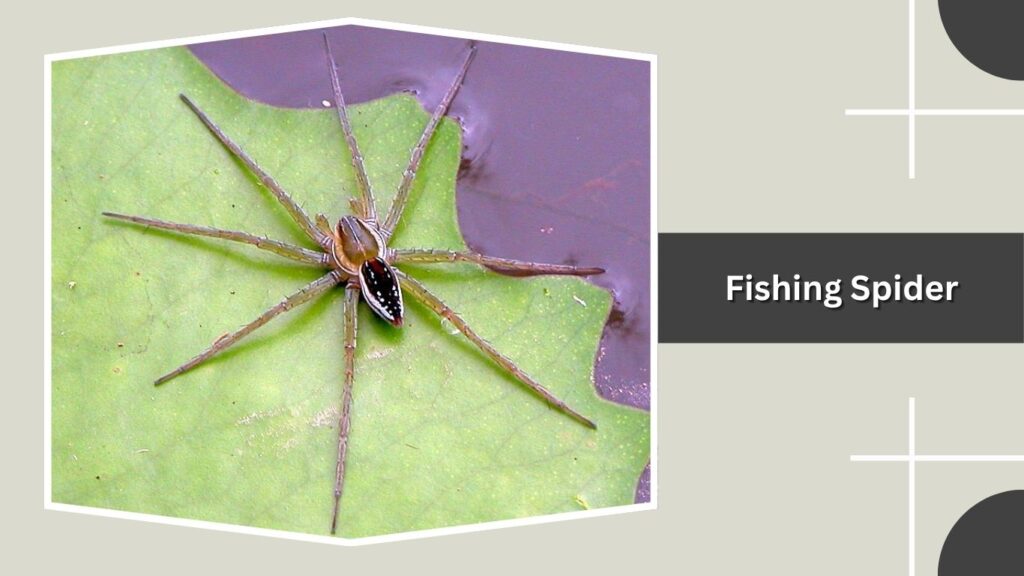
Fishing spiders belong to the genus Dolomedes and are large spiders commonly found near ponds, streams, wetlands, docks, and wooded areas. Some species can move across the surface of water and even dive below it while hunting. Their impressive size can be intimidating, but fishing spiders are generally non-aggressive and harmless to humans.
Identification
Fishing spiders resemble large wolf spiders but are often associated with water and have several recognizable characteristics.
- Large body with long legs
- Brown, gray, or tan coloration
- Light and dark stripes or spots
- Legs may have noticeable banding
- Can walk across water
- Common near ponds, streams, and wetlands
- Females are generally larger than males
Some species may have a leg span of several inches.
Does a Fishing Spider Bite?
Fishing spiders possess relatively large fangs and can bite if seriously threatened. However, they normally flee when approached and bites are uncommon.
Most encounters occur when someone accidentally traps a spider in clothing, handles it, or surprises one hiding near a structure.
Is the Bite Painful or Dangerous?
Because of their large fangs, a fishing spider bite may be temporarily painful. Minor redness, swelling, or tenderness can occur around the bite.
Their venom is designed primarily for small prey and is not considered medically dangerous to humans. Severe venom-related illness is not normally expected.
Risk to Humans
Fishing spiders present a low risk to people despite their large appearance. They help control aquatic insects, flies, and other small animals.
Avoid handling them with bare hands. A suspected bite that produces rapidly worsening symptoms, extensive swelling, or breathing difficulty should receive medical attention.
10. Marbled Orb-Weaver Spider
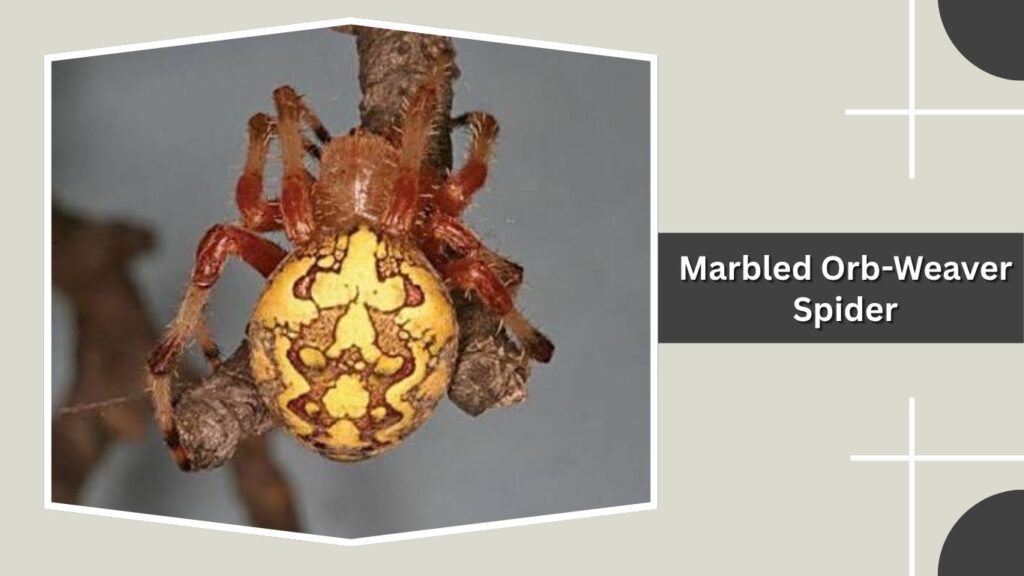
The marbled orb-weaver (Araneus marmoreus) is a colorful spider known for its large, rounded abdomen and intricate patterns. It is usually found in forests, gardens, fields, and areas with dense vegetation. Although its bright orange, yellow, or patterned body can make it appear unusual, the marbled orb-weaver is not considered dangerous to humans.
Identification
Marbled orb-weavers can vary greatly in appearance, but several features help identify them.
- Large, rounded abdomen
- Orange, yellow, white, or cream coloration
- Dark marbled markings
- Orange or reddish legs
- Females are considerably larger than males
- Builds large circular webs
- Common among shrubs and low tree branches
Some individuals are bright orange, while others are pale with complex dark patterns.
Does a Marbled Orb-Weaver Bite?
Marbled orb-weavers rarely bite people. They generally attempt to retreat when disturbed and do not actively defend their webs against humans.
A defensive bite could occur if the spider is squeezed, picked up, or trapped against the skin.
Is the Bite Painful or Dangerous?
A bite may cause a brief sting followed by minor redness, swelling, or itching. These effects are normally limited to the immediate area.
Marbled orb-weaver venom is effective against insect prey but does not normally present a medical danger to humans.
Risk to Humans
The marbled orb-weaver poses minimal risk to humans. It is beneficial in gardens and natural areas because its web catches moths, mosquitoes, flies, and other insects.
These spiders can usually be left undisturbed. If a web is located in an inconvenient place, gently removing part of it may encourage the spider to relocate.
11. Cross Orb-Weaver Spider
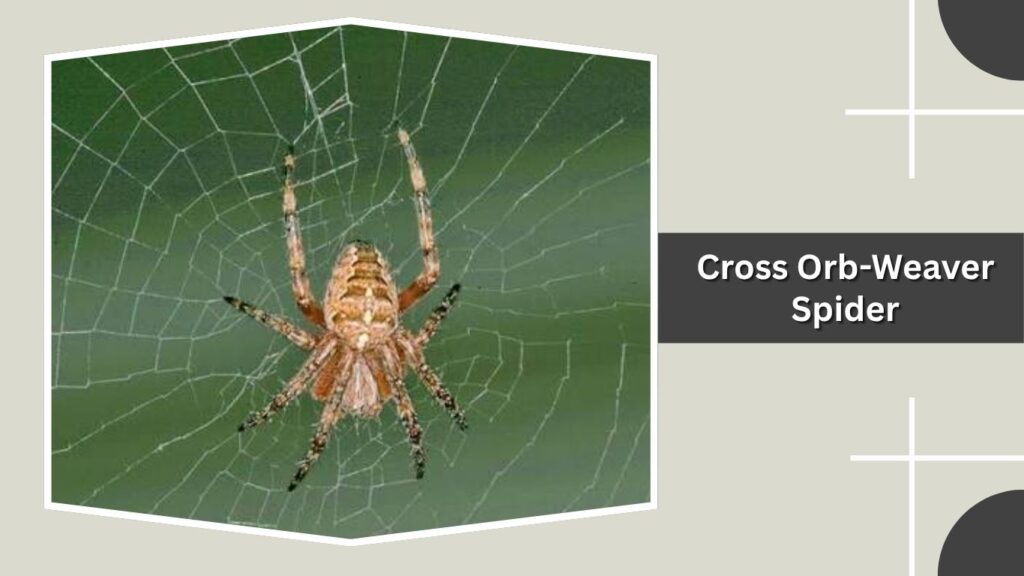
The cross orb-weaver (Araneus diadematus), also called the European garden spider, is a common orb-weaver recognized by the pale cross-shaped pattern on its abdomen. It is widely found in gardens, forests, parks, and around buildings. Despite its relatively large body and elaborate web, the cross orb-weaver is generally harmless to humans and prefers avoiding direct contact.
Identification
The pale cross on the abdomen is the most distinctive feature of this species.
- Rounded abdomen
- White cross-shaped markings
- Brown, orange, tan, or gray coloration
- Legs often have dark bands
- Females are larger than males
- Builds large circular webs
- Common in gardens and vegetation
Females can appear particularly large during late summer and autumn as their abdomens become fuller.
Does a Cross Orb-Weaver Bite?
Cross orb-weavers can bite defensively, but human bites are rare. They are generally passive and may drop from their webs or retreat when threatened.
A bite is most likely if someone intentionally handles the spider or accidentally traps it against their body.
Is the Bite Painful or Dangerous?
The bite may cause temporary stinging, redness, mild swelling, or itching. In most cases, symptoms remain minor and localized.
Cross orb-weaver venom is used to subdue insects and is not considered medically significant to humans. Serious systemic effects are not expected from an ordinary bite.
Risk to Humans
Cross orb-weavers pose a very low risk to humans and are useful predators around homes and gardens. Their large webs capture mosquitoes, flies, moths, and many other insects.
There is generally no need to kill or remove these spiders. If necessary, they can be gently relocated outdoors. Seek medical care if any suspected bite produces severe or unexpected symptoms.
