
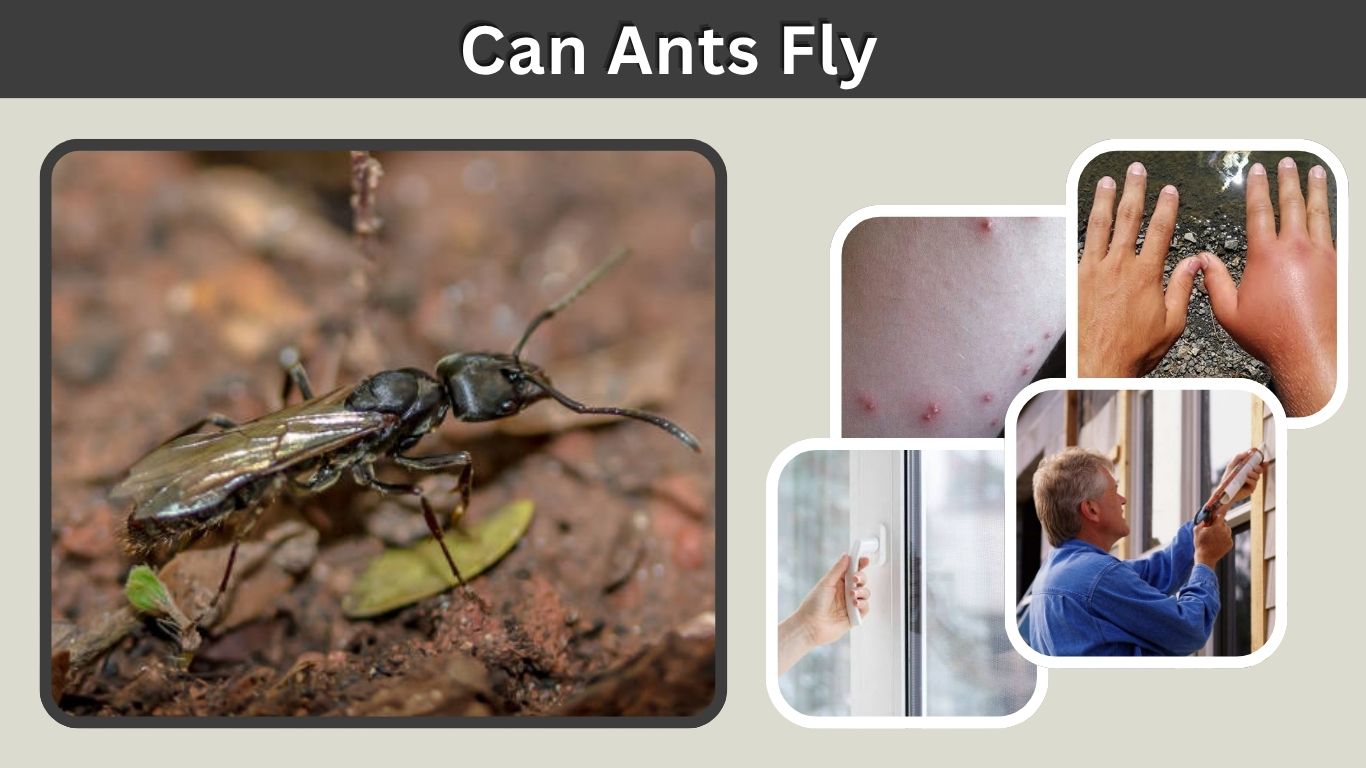
Ants are usually seen crawling across sidewalks, kitchens, gardens, and walls, so spotting one with wings can be surprising. Many people wonder: can ants fly, or are flying ants a different insect? The answer is that some ants can fly, but only during certain stages of life. Winged ants are usually reproductive males and queens that leave the colony to mate and start new nests.
Can Ants Fly?
Yes, some ants can fly. However, not every ant in a colony has wings. Most ants you see are worker ants, and worker ants usually cannot fly. The flying ants are called alates, which means winged reproductive ants. These ants are produced when a colony is mature enough to spread and form new colonies.
Flying ants are not a separate species. They are regular ants in a reproductive stage. Depending on the species, the flying ants may include males, young queens, or both. They leave the nest during a mating event often called a nuptial flight.
Why Do Some Ants Grow Wings?
Ants grow wings so they can leave their original colony and reproduce. A mature ant colony produces winged males and young queens when conditions are right. These ants fly out, mate, and then the fertilized queens search for a place to start a new colony.
The wings are temporary for queens. After mating, queen ants usually shed their wings. Males often die soon after mating because their main role is reproduction.
Can All Ants Fly?
No, all ants cannot fly. Most ants in a colony are workers, and they do not have wings. Worker ants are responsible for finding food, caring for larvae, building tunnels, defending the colony, and maintaining the nest.
Only certain reproductive ants can fly. This is why you may see hundreds of flying ants suddenly appear at one time, even though the same colony looked normal before.
What Types of Ants Can Fly?
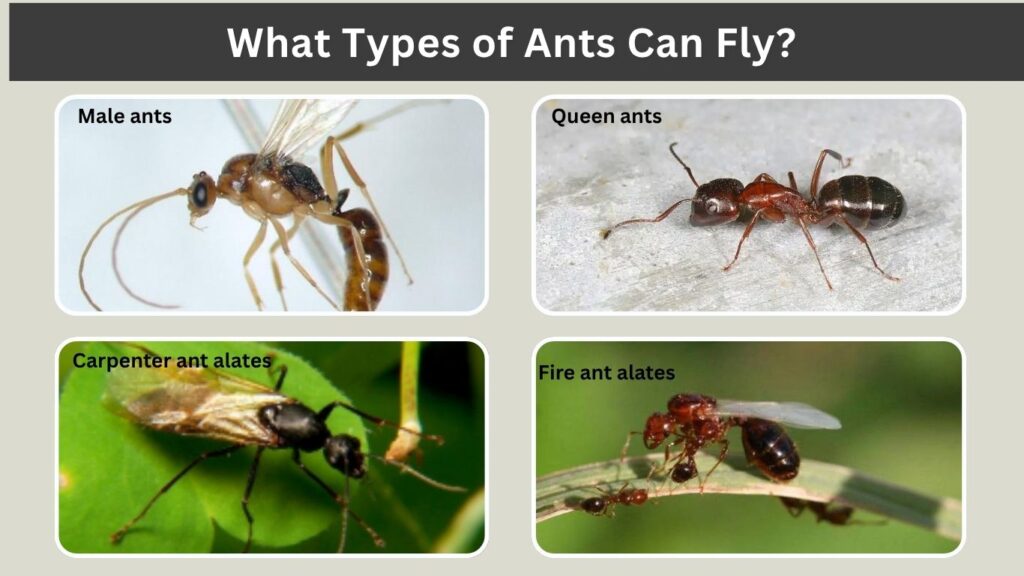
Many ant species can produce flying ants, but the flying stage depends on the ant’s role in the colony. The most common flying ants are males and new queens.
| Type of Ant | Can It Fly? | Main Role |
| Worker ants | Usually no | Foraging, nest care, colony defense |
| Male ants | Yes, during mating season | Mate with queens |
| Queen ants | Yes, before starting a colony | Mate and create new colonies |
| Carpenter ant alates | Yes | Reproduce and spread colonies |
| Fire ant alates | Yes | Mate and start new colonies |
Can Queen Ants Fly?
Yes, queen ants can fly before they start a new colony. Young queen ants develop wings and leave the nest during a nuptial flight. After mating, a queen lands, removes her wings, and searches for a protected nesting site.
Once she starts laying eggs, she no longer needs to fly. A mature queen usually stays inside the nest for the rest of her life.
Can Male Ants Fly?
Yes, male ants can fly. Their main job is to mate with young queens. Male ants are usually smaller than queens and may have a more wasp-like appearance. After mating, males typically do not survive for long.
Can Carpenter Ants Fly?
Yes, carpenter ants can fly during their reproductive stage. Winged carpenter ants are often seen in spring or early summer. If you see flying carpenter ants indoors, it may be a sign that a colony is nesting inside or near your home.
Carpenter ants do not eat wood like termites, but they tunnel through damp or damaged wood to build nests. This can weaken wood over time if the colony grows.
Can Fire Ants Fly?
Yes, fire ants can fly during mating flights. Fire ant colonies produce winged males and queens that leave the nest to reproduce. After mating, the queens land and try to start new colonies.
Fire ants are more concerning than many other ants because they can sting. If disturbed, fire ants may swarm and sting multiple times.
Why Are Flying Ants Suddenly in My House?
Seeing flying ants inside your home can feel alarming, especially if many appear at once. Flying ants may enter through doors, windows, vents, cracks, or gaps. They may also come from an indoor nest.
A few flying ants near a window may not mean there is a serious problem. However, repeated sightings indoors can suggest that ants are nesting somewhere inside the structure.
Common Reasons Flying Ants Appear Indoors
Flying ants may show up inside for several reasons:
- A mature colony is nesting inside a wall, floor, attic, or crawl space.
- Ants entered from outdoors during mating season.
- They were attracted to lights near windows or doors.
- Cracks, gaps, or damaged seals allowed them inside.
- Moist wood or food sources are supporting ant activity.
If flying ants appear in large numbers indoors, check where they are coming from. Winged ants emerging from walls, baseboards, ceilings, or window frames may point to an indoor nest.
Can Flying Ants Live in Walls?
Yes, some ants can live inside walls, especially if there is moisture, warmth, or hidden food access. Carpenter ants are one of the most important species to watch for because they may nest in damp or damaged wood.
Other ants may also use wall voids as nesting spaces. If you hear rustling in walls, see sawdust-like material, or notice winged ants repeatedly, it may be time to inspect the area more carefully.
Can Flying Ants Bite or Sting?
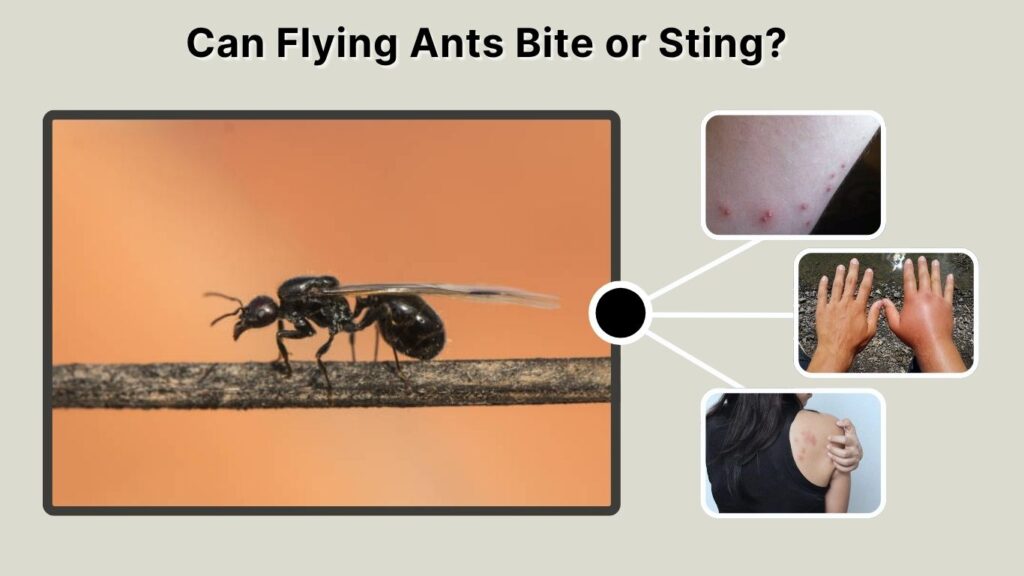
Some flying ants can bite, and some species can sting. Whether they are harmful depends on the species. Many flying ants are not aggressive and are mostly focused on mating. However, they may bite or sting if handled, trapped, or disturbed.
Can Flying Ants Bite Humans?
Yes, some flying ants can bite humans, but most are not dangerous. A bite may cause mild pain, redness, or itching. Ants with strong jaws may pinch the skin, especially if you try to pick them up.
Carpenter ants can bite, but they do not sting. Fire ants can both bite and sting, though the sting is what usually causes the most discomfort.
Can Flying Ants Sting You?
Some flying ants can sting if they belong to a stinging ant species. Fire ants are a common example. Their stings can cause burning, swelling, and small itchy bumps. People who are allergic to insect stings should be especially careful around aggressive ants.
Most household flying ants are more annoying than dangerous, but it is still best not to handle them with bare hands.
Can Flying Ants Bite Dogs or Cats?
Flying ants may bite pets if they are disturbed, eaten, or stepped on. In many cases, a dog or cat eating one or two flying ants is not a major issue. However, fire ants can sting pets and cause pain, swelling, or irritation.
Watch your pet for signs like pawing at the face, drooling, swelling, vomiting, or unusual discomfort. If symptoms are serious, contact a veterinarian.
Are Flying Ants Dangerous to Your Home?
Flying ants themselves do not usually cause damage just because they have wings. The bigger concern is what they may indicate. Winged ants can mean a colony is mature and trying to spread. If the colony is inside your home, there may be an underlying infestation.
Can Flying Ants Damage Your House?
Flying ants do not usually damage a house directly. However, some ant species that produce flying ants can be linked to structural concerns. Carpenter ants are the most important example because they tunnel through wood to make nesting galleries.
Signs that ants may be affecting your home include:
- Winged ants appearing indoors repeatedly.
- Piles of wood shavings or sawdust-like material.
- Ant trails near windows, sinks, or damp areas.
- Rustling sounds inside walls.
- Damaged, moist, or hollow-sounding wood.
- Large black ants crawling indoors.
If you only see a few winged ants once, they may have flown in from outside. If you see many, or they return often, inspection is a smart next step.
Flying Ants vs Termites
Flying ants are often confused with termites because both can swarm and have wings. However, they have different body shapes. Flying ants have narrow waists, bent antennae, and front wings that are larger than their back wings. Termites have thicker waists, straight antennae, and wings that are about the same size.
This difference matters because termites usually cause more direct wood damage. Still, carpenter ants can also be a problem if they are nesting in your home.
How Long Do Flying Ants Stay Around?
Flying ants usually appear for a short time. A mating swarm may last a few hours or a few days, depending on the species and weather. They are often seen after rain, during warm weather, or when humidity is high.
Once mating is finished, males die, and queens shed their wings. If queens find a good nesting site, they may start a new colony. That is why winged ants should not be ignored if they appear indoors.
When Is Flying Ant Season?
Flying ant season depends on the species and location. Many ants swarm in spring, summer, or early fall. Warm, humid days after rain are especially common times for flying ants to appear.
Outdoor swarms are normal and often temporary. Indoor swarms may be more concerning because they can mean a colony is already inside the building.
How to Get Rid of Flying Ants
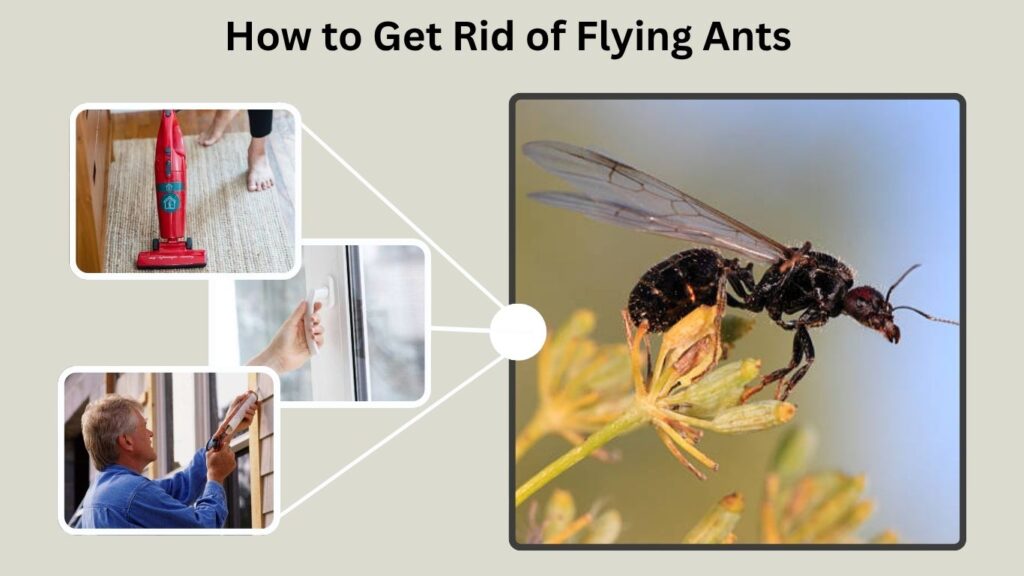
Getting rid of flying ants depends on whether they came from outside or from a nest inside your home. Killing the visible flying ants may reduce the immediate problem, but it does not always remove the colony.
Quick Ways to Control Flying Ants Indoors
You can reduce flying ants indoors with these steps:
- Vacuum visible flying ants and empty the vacuum outside.
- Close windows and doors during outdoor swarms.
- Seal gaps around windows, doors, pipes, and vents.
- Turn off unnecessary lights near open windows at night.
- Clean up food crumbs, spills, and sticky residues.
- Fix leaks and reduce moisture around wood.
- Use ant bait near trails instead of only spraying visible ants.
Ant baits are often more useful than sprays because worker ants may carry bait back to the colony. Sprays can kill visible ants but may not solve the source of the problem.
Should You Use Ant Spray?
Ant spray can kill flying ants on contact, but it may not eliminate the colony. If the ants are coming from a hidden nest, more ants may continue to appear. Spraying can also scatter ants, making the problem harder to track.
For a few ants that flew in from outside, spray may be enough. For repeated indoor swarms, baiting, sealing, moisture control, and professional inspection are better options.
When to Call a Pest Control Professional
You may need professional help if flying ants keep appearing indoors, especially in large numbers. A pest control expert can identify the ant species, locate the nest, and recommend the right treatment.
Call for help if you notice:
- Flying ants emerging from walls or ceilings.
- Large black ants inside your home.
- Possible carpenter ant activity.
- Wood shavings near trim, windows, or beams.
- Repeated swarms every year.
- Ants near damp or damaged wood.
Correct identification is important because flying ants, carpenter ants, fire ants, and termites require different treatment methods.
Can Ants Turn Into Flying Ants?
Ants do not turn into flies, but some ants develop wings as part of their reproductive role. Worker ants do not suddenly become flying ants. Instead, the colony produces special reproductive ants that grow wings before leaving the nest.
This means a flying ant is still an ant, not a fly and not a termite. Its wings are part of its mating stage.
Can Ants Turn Into Flies?
No, ants cannot turn into flies. Ants and flies are completely different insects. A winged ant may look unusual, but it is not becoming a fly. It is simply a reproductive ant with wings.
Can Winged Ants Fly?
Yes, winged ants can fly if their wings are fully developed. However, they are not always strong flyers. Some may fly short distances, while others are carried by wind. Their main goal is not long-distance travel but finding mates and new nesting sites.
FAQs
Can ants fly or not?
Yes, some ants can fly, but not all ants. Winged reproductive ants, including males and young queens, can fly during mating season. Worker ants usually cannot fly because they do not have wings.
Can queen ants fly?
Yes, young queen ants can fly before starting a new colony. They fly during a mating event, mate with males, land, shed their wings, and search for a nesting site. After that, queens usually stay inside the nest.
Can flying ants bite?
Some flying ants can bite, depending on the species. Most bites are mild, but fire ants can sting and cause more pain. It is best not to handle flying ants, especially if you are unsure what species they are.
Can carpenter ants fly?
Yes, carpenter ants can fly when they are reproductive males or queens. Winged carpenter ants indoors may suggest a colony is nesting inside or near the home, especially if they appear repeatedly.
Can flying ants damage your home?
Flying ants themselves do not usually damage a home, but they can signal a colony nearby. Carpenter ants are a concern because they tunnel through damp or damaged wood to build nests, which may weaken wood over time.
