
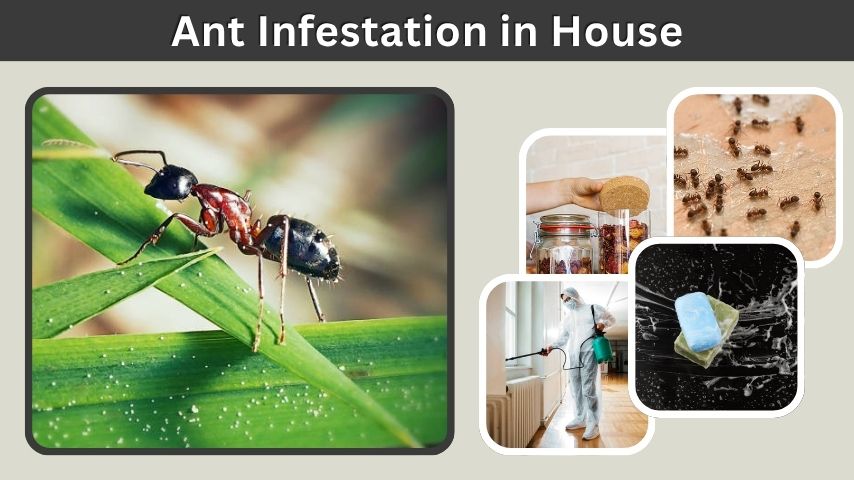
An ant infestation in the house usually means ants have found food, water, shelter, or a nesting site indoors. A few ants may be simple foragers, but repeated trails, ants in walls, winged ants, or large ants can point to a bigger issue. The best solution is to identify the ant type, remove attractants, use bait correctly, and block future entry points.
What Is an Ant Infestation in a House?
An ant infestation happens when ants are no longer just occasional visitors. Instead, they keep returning, form trails, appear in multiple rooms, or nest somewhere inside or around the home. Some infestations are mild and easy to control, while others require professional treatment.
Ants are social insects. If one worker finds food, it can leave a scent trail that guides other workers to the same source. That is why a few ants on a counter can turn into a steady line within hours.
Ant Infestation vs a Few Ants
Seeing one or two ants does not always mean your house is infested. They may be scouts looking for food. However, if ants appear daily, gather around food, come from cracks, or keep showing up after cleaning, there is likely a colony nearby.
A true infestation often involves repeated activity, not a one-time sighting.
Signs of Ant Infestation in House
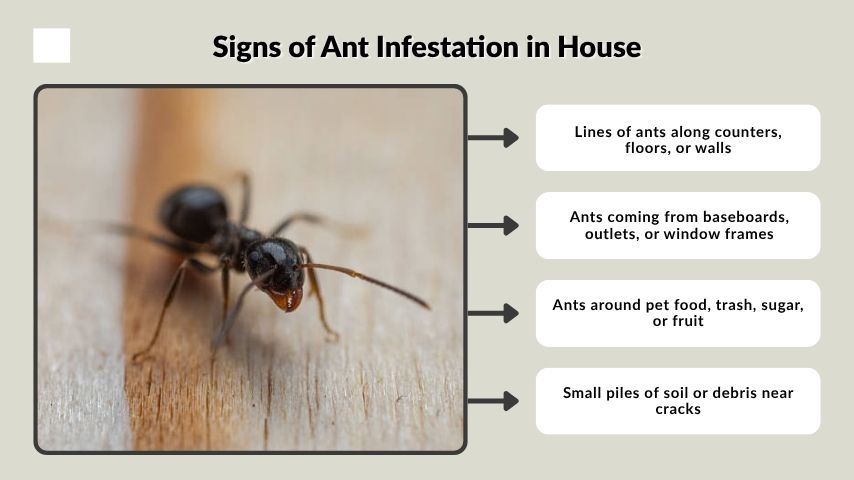
The signs of an ant infestation can be obvious or subtle. Some ants form visible trails, while others hide inside walls, under floors, or behind appliances.
| Sign | What It May Mean | Level of Concern |
|---|---|---|
| Ant trails | Workers found food or water | Moderate |
| Ants in kitchen | Food source nearby | Moderate |
| Ants in bathroom | Moisture attraction | Moderate |
| Ants in walls | Possible indoor nesting | High |
| Winged ants | Mature colony or swarm | High |
| Large black ants | Possible carpenter ants | High |
| Dirt piles indoors | Nesting or entry activity | Moderate to high |
| Ants in houseplants | Moist soil or honeydew insects | Low to moderate |
Common Infestation Signs
Look for these warning signs around your home:
- Lines of ants along counters, floors, or walls
- Ants coming from baseboards, outlets, or window frames
- Ants around pet food, trash, sugar, or fruit
- Small piles of soil or debris near cracks
- Winged ants near windows or lights
- Large black ants indoors, especially at night
- Ants appearing in bathrooms, kitchens, or laundry rooms
- Ants returning after repeated cleaning
If you see ants in several rooms, the infestation may be larger than a single food trail.
What Causes an Ant Infestation in the House?
Ants infest homes because the house provides resources. They are usually attracted by food, water, shelter, warmth, or nesting material. The exact cause depends on the ant species and where you see them.
Food Sources
Food is the most common reason ants enter homes. Even tiny crumbs or sticky residue can attract workers. Sweet foods, grease, protein, and pet food are especially attractive.
Common food attractants include:
- Sugar, honey, syrup, and candy
- Fruit left on counters
- Crumbs under appliances
- Grease near stoves
- Open pantry items
- Pet food bowls
- Dirty trash cans
- Unrinsed recycling
Ants can find food that humans overlook. A spill behind the fridge or crumbs under a toaster can keep trails active.
Moisture Problems
Many ants are drawn to moisture. Bathrooms, kitchens, basements, laundry rooms, and crawl spaces are common problem areas. Leaky pipes, damp wood, condensation, or poorly ventilated rooms can help ants survive indoors.
Moisture is especially important for carpenter ants because they often nest in softened or damaged wood.
Entry Points
Ants can enter through very small openings. They may use cracks around windows, gaps under doors, plumbing holes, foundation cracks, siding gaps, or utility lines.
Sealing entry points helps, but it works best after you reduce active ant trails. If you seal ants inside too early, they may spread to other rooms.
Types of Ant Infestations in Houses
Different ants require different control strategies. The first step is to decide whether you are dealing with tiny nuisance ants, sugar ants, carpenter ants, fire ants, flying ants, or ants nesting in a houseplant.
Sugar Ant Infestation in House
“Sugar ants” is a common name people use for small ants attracted to sweets. These ants often appear in kitchens, pantries, and around sinks. They may feed on sugar, syrup, fruit, juice, honey, and sweet drinks.
The best control method is sanitation plus bait. Avoid spraying trails because sprays often kill only visible workers and may prevent bait from reaching the colony.
Carpenter Ant Infestation in House
Carpenter ants are larger ants that may be black, dark brown, or partly reddish. They do not eat wood like termites, but they tunnel through damp or damaged wood to make nesting galleries.
Signs of carpenter ants include:
- Large ants seen indoors
- Ants active at night
- Sawdust-like debris near wood
- Rustling sounds inside walls
- Winged ants indoors
- Ants near damp windows, roofs, or plumbing
A carpenter ant infestation should be taken seriously because it may reveal moisture damage inside the structure.
Fire Ant Infestation in House
Fire ants are more common outdoors, but they may enter homes during flooding, drought, or extreme weather. They can sting and may be dangerous to people with allergies, children, pets, or anyone who disturbs a nest.
If you suspect fire ants indoors, avoid disturbing them and consider professional help, especially if there are many ants or visible mounds near the house.
Flying Ant Infestation in House
Flying ants are reproductive ants, also called swarmers. A few flying ants near an open door may not be serious. However, many winged ants indoors can mean a mature colony is inside or very close to the house.
Flying ants are often confused with termites. Ants usually have bent antennae, narrow waists, and front wings longer than back wings. Termites usually have straight antennae, thick waists, and equal-length wings.
Ant Infestation in Walls, Plants, and Under the House
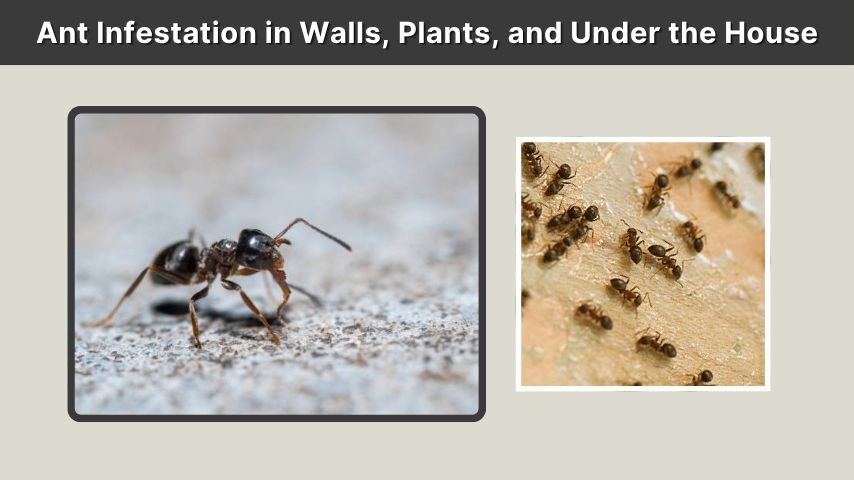
Some infestations are harder to solve because the ants are not just crossing the counter. They may be nesting in walls, potted plants, crawl spaces, or around the foundation.
Ant Infestation in House Walls
Ants in walls may come from indoor nests, outdoor nests using wall gaps, or carpenter ant galleries. You may see ants emerging from outlets, baseboards, window trim, or ceiling cracks.
Do not spray randomly into walls. The wrong treatment can scatter ants and make the problem worse. Use bait near trails first, and call a professional if ants are large, persistent, or associated with wood damage.
Ant Infestation in Houseplants
Houseplants can attract ants when the soil stays moist or when sap-feeding insects like aphids, scale, or mealybugs are present. These pests produce honeydew, a sugary liquid ants love.
To fix plant-related ants, check the plant for insects, avoid overwatering, remove decaying leaves, and consider repotting if the soil is heavily infested.
Ant Infestation Under or Around the House
Ants around the foundation, crawl space, or under the house can eventually move indoors. Outdoor nests may send workers inside through cracks, vents, pipes, or gaps.
Keep mulch, firewood, leaf piles, and debris away from the foundation. Repair drainage problems and seal visible gaps after ant activity is controlled.
How to Get Rid of Ant Infestation in House
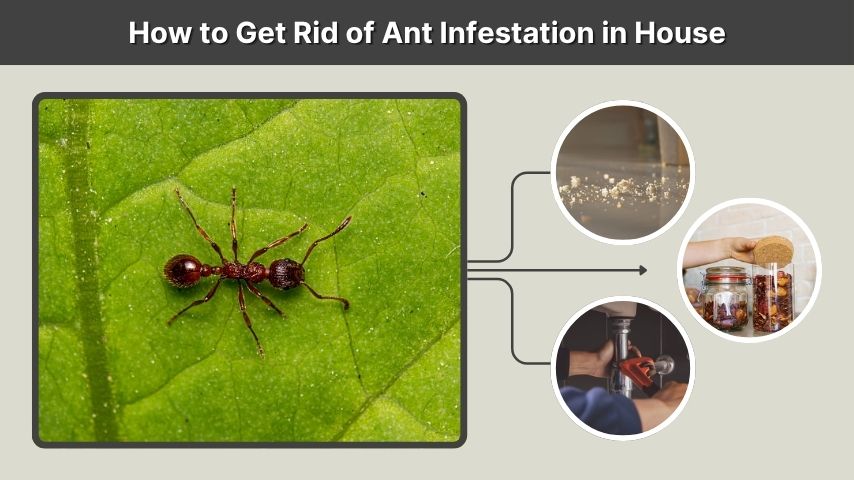
The best way to get rid of an ant infestation is to target the colony, not just the ants you see. Contact sprays may give quick relief, but bait and prevention usually work better for long-term control.
Step-by-Step Ant Control Plan
Follow this process for better results:
- Identify where ants are active and follow their trail.
- Clean food residue, crumbs, grease, and spills.
- Store pantry food in sealed containers.
- Fix leaks and dry damp areas.
- Place ant bait near trails, not directly on food surfaces.
- Avoid spraying near bait.
- Remove trash and rinse recycling.
- Seal entry points after activity decreases.
- Monitor the area for at least one to two weeks.
Bait may take time. You may see more ants at first because they are feeding and carrying bait back to the colony.
Best Baiting Tips
Ants do not always want the same food. Some prefer sugar, while others seek protein or grease. If one bait does not work, try another type.
Use small bait placements along trails, behind appliances, under sinks, near entry points, and close to ant activity. Keep bait away from children and pets.
Do not wipe away all ant trails immediately if you are trying to get workers to find bait. Once baiting has worked, clean the area to remove scent trails.
Ant Infestation in House Remedies
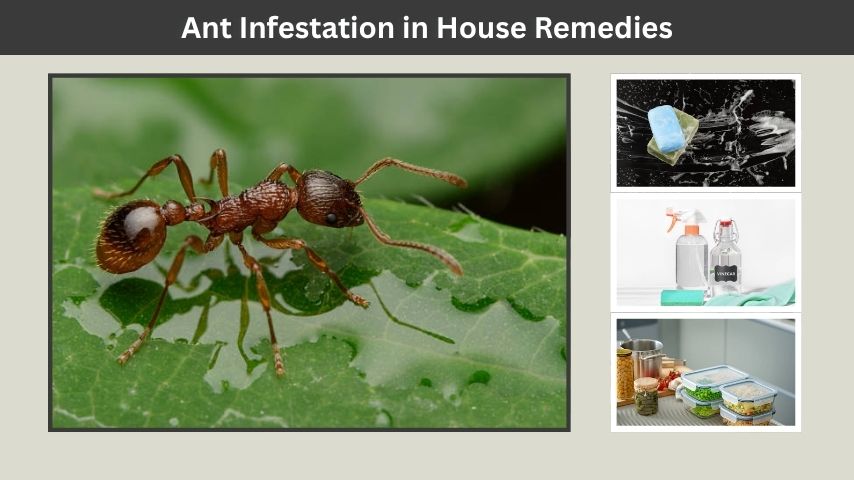
Home remedies can reduce ant activity, but they are not always enough for a serious infestation. They work best for light problems or as support with baiting and sealing.
Helpful Home Remedies
These remedies can help make your home less attractive to ants:
- Soap and water to wipe ant trails
- Vinegar-water cleaning on hard surfaces
- Sealed food containers
- Regular sweeping and vacuuming
- Trash can washing
- Fixing leaks and drying sinks
- Removing pet food after meals
- Trimming branches away from the house
Be careful with essential oils, powders, and homemade pesticides. Some can irritate people or pets, and strong repellents may push ants into other areas instead of eliminating the colony.
Can an Ant Infestation Destroy a House?
Most ant infestations will not destroy a house. Tiny ants, sugar ants, pavement ants, and odorous house ants are usually nuisance pests. They can contaminate surfaces and become frustrating, but they do not normally damage structures.
Carpenter ants are different. They can tunnel through damp or damaged wood and make existing moisture problems worse. They usually do not cause damage as quickly as termites, but a long-term carpenter ant infestation can be serious.
If you see large ants, sawdust-like debris, or winged ants indoors, inspect for moisture and consider professional help.
Why Is My House Suddenly Infested With Ants?
A sudden ant infestation often happens when scouts find a strong food or water source. It can also happen after rain, drought, temperature changes, construction, or disturbance of an outdoor nest.
Sudden infestations may be triggered by:
- Heavy rain flooding outdoor nests
- Dry weather pushing ants indoors for water
- Food spills or open pantry items
- New gaps around doors or windows
- Indoor plant pests
- Warm weather after cold conditions
- Mature colonies producing swarmers
The fastest response is to clean, trace the trail, place bait, and remove the source that attracted them.
When to Call a Pest Professional
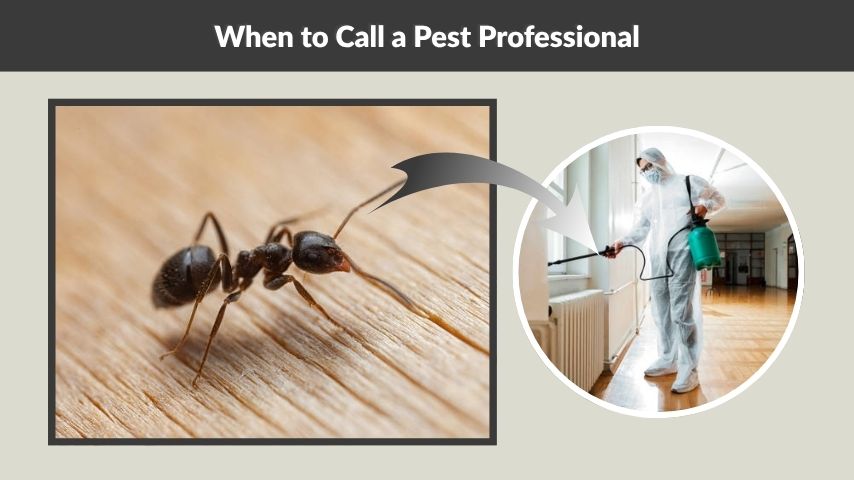
Many small ant infestations can be handled with cleaning and baiting. However, some situations need expert inspection.
Call a professional if:
- Ants keep returning after baiting
- You see large carpenter ants
- Winged ants appear indoors
- Ants are coming from walls
- You find sawdust-like debris
- Fire ants are inside the home
- The infestation is spreading room to room
- You live in a rented house and need documentation
- You are unsure whether the insects are ants or termites
For rented homes, report the infestation to the landlord or property manager in writing and keep photos of ant activity.
FAQs
What causes an ant infestation in a house?
An ant infestation is usually caused by food, water, shelter, or easy entry points. Crumbs, sweets, grease, pet food, leaky pipes, damp wood, and cracks around doors or windows can attract ants. Once workers find a resource, they leave scent trails for more ants to follow.
How do I get rid of an ant infestation in the house?
Clean food sources, follow ant trails, use bait near activity, fix leaks, and seal entry points after the ants slow down. Avoid spraying near bait because it can stop ants from carrying bait back to the colony. Persistent or large-ant infestations may need professional treatment.
What are the signs of an ant infestation in house walls?
Signs include ants emerging from baseboards, outlets, window trim, ceiling cracks, or wall gaps. You may also see winged ants, repeated trails, or sawdust-like debris if carpenter ants are involved. Ants in walls are harder to treat and may require inspection.
Is a carpenter ant infestation dangerous?
Carpenter ants can be serious because they tunnel through damp or damaged wood. They do not eat wood like termites, but they can expand nesting galleries over time. Large black ants, indoor swarmers, and sawdust-like debris are warning signs that should not be ignored.
What should I do if my house is infested with ants?
Start by cleaning food and moisture sources, then place ant bait near trails. Identify the ant type if possible. Check for leaks, wall activity, and entry points. If the infestation is large, involves carpenter ants or fire ants, or continues after baiting, call a pest professional.
