
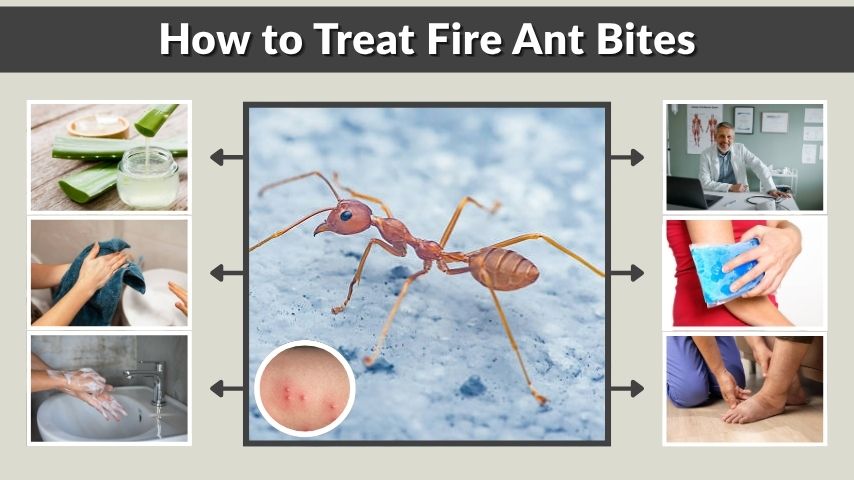
Fire ant bites are painful and often leave behind itchy, swollen bumps that can be uncomfortable for days. Unlike many insects, fire ants bite to hold onto the skin and then sting multiple times, injecting venom that causes a burning sensation. Most reactions are mild and can be treated at home, but some people experience severe allergic responses that require immediate medical attention. Knowing how to treat fire ant bites properly can reduce pain, prevent infection, and help speed up the healing process.
What Is a Fire Ant Bite?
Fire ant bites are actually a combination of bites and stings. The ant uses its jaws to attach to the skin and then injects venom through its stinger. This venom causes irritation, swelling, and the characteristic pustules that often appear after a sting. Understanding how these injuries occur can help people recognize symptoms and begin treatment quickly.
Bite vs Sting
Many people refer to fire ant injuries as bites, but the painful reaction comes primarily from the sting. The bite simply anchors the ant while it delivers venom.
What Does a Fire Ant Bite Look Like?
A typical fire ant sting often develops into a small red bump that becomes swollen and itchy. Within a day, a white pustule may form at the center of the affected area.
Symptoms of Fire Ant Bites
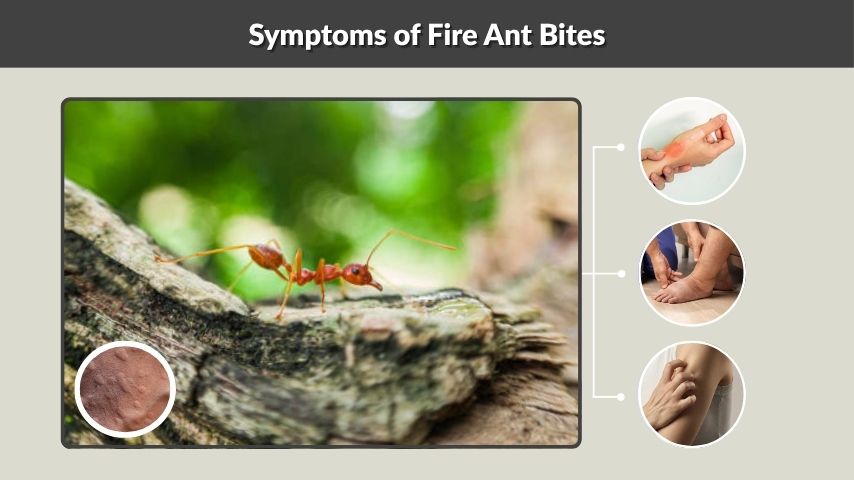
The severity of symptoms varies depending on the number of stings received and the individual’s sensitivity to the venom. Most people experience mild discomfort, while others may develop more serious reactions.
Common Symptoms
Typical symptoms include:
- Burning pain
- Redness
- Swelling
- Itching
- White pustules
These symptoms usually appear within minutes of the sting and may last for several days.
Severe Symptoms
In some cases, individuals may experience widespread swelling, dizziness, difficulty breathing, or other signs of an allergic reaction. These symptoms require immediate medical attention.
How to Treat Fire Ant Bites Immediately
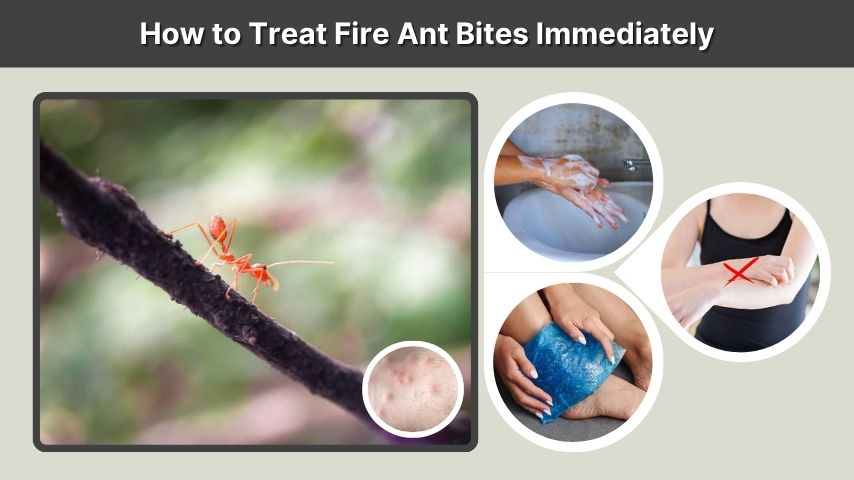
Quick treatment can help reduce pain and prevent complications. The first few minutes after a sting are often the most important for controlling inflammation and minimizing discomfort.
First Aid Steps
Several simple steps should be taken immediately after a sting:
- Move away from the ant mound
- Wash the affected area with soap and water
- Apply a cold compress
- Avoid scratching the skin
- Monitor for allergic reactions
Following these measures can help reduce swelling and lower the risk of infection.
Why Early Treatment Matters
Prompt care helps remove contaminants from the skin and reduces the likelihood of excessive irritation. It also allows individuals to identify serious symptoms before they become dangerous.
How to Treat Fire Ant Bites at Home
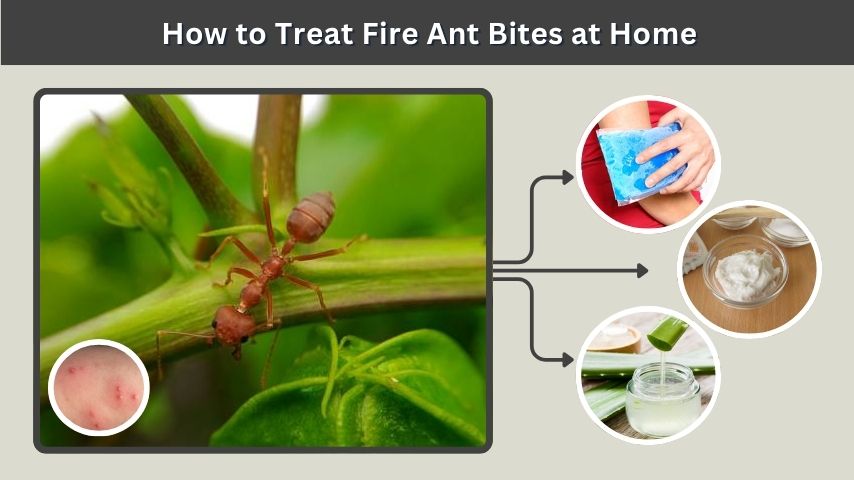
Most fire ant bites can be treated successfully at home using basic first-aid supplies and over-the-counter products. Home treatment focuses on relieving symptoms while allowing the skin to heal naturally.
Effective Home Remedies
Many people find relief using common household treatments. These approaches may help reduce itching and discomfort while supporting recovery.
Recommended Home Treatments
Popular options include:
- Ice packs
- Baking soda paste
- Oatmeal baths
- Aloe vera gel
- Antihistamine creams
These remedies may provide temporary relief from itching, swelling, and irritation.
How to Treat Fire Ant Bites Naturally
Natural remedies are often used by individuals who prefer to avoid medications whenever possible. While natural treatments may not eliminate symptoms completely, they can help soothe irritated skin and support healing.
Natural Treatment Options
Several natural remedies have traditionally been used for insect stings and bites. Their effectiveness varies from person to person.
Common Natural Remedies
Natural treatments often include:
- Honey
- Witch hazel
- Tea tree oil
- Apple cider vinegar
- Essential oils
These products may provide cooling or anti-inflammatory effects that improve comfort during recovery.
How to Treat Fire Ant Bite Swelling
Swelling is one of the most common reactions following a fire ant sting. In most cases, swelling remains localized around the sting site and gradually improves within a few days.
Why Swelling Occurs
The body’s immune system reacts to fire ant venom by releasing chemicals that trigger inflammation. This process helps fight injury but can also produce redness, warmth, and swelling.
Ways to Reduce Swelling
Several methods may help minimize inflammation:
- Apply cold compresses
- Elevate affected limbs
- Use oral antihistamines
- Rest the affected area
- Stay hydrated
These measures can improve comfort and reduce recovery time.
How to Treat Fire Ant Bite Itching
Itching often becomes more noticeable after the initial pain subsides. Although scratching may provide temporary relief, it can worsen irritation and increase the risk of infection.
Why Fire Ant Bites Itch
The body’s inflammatory response releases substances that stimulate nerve endings in the skin. This reaction produces the itching sensation many people experience after a sting.
Managing Itchiness
Several treatment options may help control itching and improve comfort during the healing process. Choosing the right approach depends on symptom severity and individual sensitivity to medications or topical products.
How to Treat Fire Ant Bite Blisters and Pustules
Many fire ant stings develop into small white pustules within 24 hours. These fluid-filled bumps are a common reaction to fire ant venom and are not usually a sign of infection. Proper care is important because damaging the pustules can increase the risk of complications and delay healing.
Why Do Pustules Form?
Fire ant venom triggers an inflammatory response that causes the skin to develop a small, white, raised lesion. These pustules are one of the most recognizable signs of a fire ant sting.
Proper Pustule Care
To promote healing:
- Keep the area clean
- Avoid scratching
- Do not pop the pustules
- Apply antiseptic if needed
- Cover damaged skin with a clean bandage
Following these guidelines helps reduce irritation and lowers the risk of infection.
How to Treat Multiple Fire Ant Bites
Multiple fire ant stings can be much more uncomfortable than a single bite. Because fire ants often attack in large numbers, victims may experience dozens of stings within seconds. Large numbers of bites can increase swelling, itching, and the likelihood of an allergic reaction.
Managing Numerous Stings
The first priority is removing yourself from the infestation area and cleaning all affected skin. Large sting areas should be monitored carefully for worsening symptoms.
Recovery Tips
People with multiple bites should focus on reducing inflammation, staying hydrated, and avoiding activities that may further irritate the affected skin.
How to Treat Fire Ant Bite Allergic Reactions
While most reactions are mild, some individuals are highly sensitive to fire ant venom. Allergic reactions can range from localized swelling to life-threatening anaphylaxis. Recognizing serious symptoms early is critical for proper treatment.
Mild and Moderate Reactions
Some allergic responses include extensive swelling, severe itching, and widespread redness around the sting area. These symptoms may require antihistamines or medical evaluation.
Signs of a Medical Emergency
Seek immediate medical attention if symptoms include:
- Difficulty breathing
- Wheezing
- Dizziness
- Swelling of the face or throat
- Rapid heartbeat
These symptoms may indicate anaphylaxis, which requires emergency treatment.
How to Treat Infected Fire Ant Bites
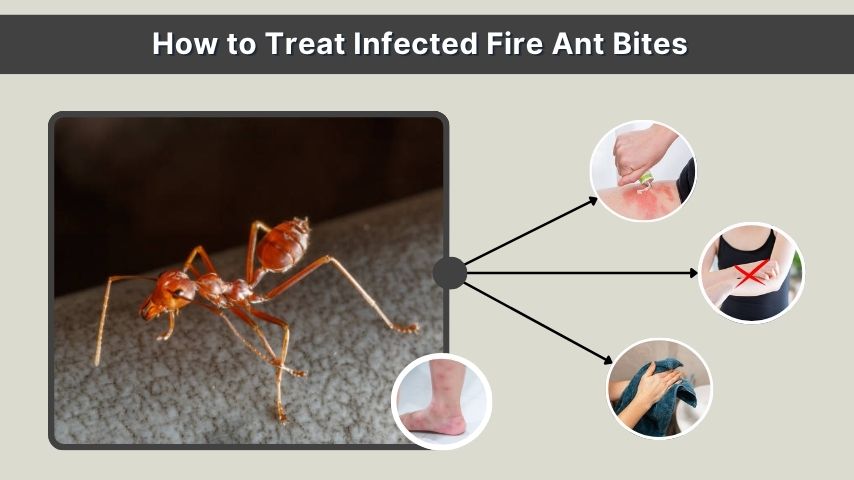
Most fire ant stings heal without complications, but infection can occur if the skin becomes damaged through scratching or improper wound care. Monitoring the bite site during recovery helps identify potential problems early.
Signs of Infection
Common signs include increasing redness, warmth, pain, and pus drainage. In some cases, fever may also develop.
Treatment for Infected Bites
If infection is suspected, individuals should:
- Clean the area regularly
- Apply antibiotic ointment
- Avoid scratching
- Keep wounds covered
- Consult a healthcare provider if symptoms worsen
Prompt treatment can prevent minor infections from becoming more serious.
How to Treat Fire Ant Bites on Children
Children are often more vulnerable to fire ant stings because they spend time playing outdoors and may accidentally disturb ant mounds. Proper treatment can help reduce discomfort and prevent complications.
Caring for Babies and Toddlers
Young children may have difficulty describing symptoms, so parents should closely monitor swelling, redness, and behavior changes following a sting.
When to Call a Doctor
Medical advice should be sought if a child develops significant swelling, fever, breathing difficulties, or signs of infection. Severe reactions require immediate attention.
How to Treat Fire Ant Bites on Dogs
Dogs frequently encounter fire ants while exploring yards, parks, and outdoor spaces. Fire ants often sting sensitive areas such as paws, noses, and faces, causing discomfort and irritation.
Symptoms in Dogs
Signs of fire ant stings in dogs may include:
- Excessive licking
- Swelling
- Redness
- Limping
- Whining or discomfort
Observing these symptoms early can help prevent complications.
Basic First Aid for Dogs
Pet owners should gently clean affected areas and monitor their dog for worsening symptoms. Veterinary care may be necessary if swelling becomes severe or signs of an allergic reaction develop.
How Long Do Fire Ant Bites Last?
Recovery time varies depending on the severity of the sting and the individual’s sensitivity to fire ant venom. Most mild cases improve steadily without medical intervention.
Typical Healing Timeline
Many people experience burning pain for several hours, followed by itching and pustule formation over the next day. Complete healing often occurs within one to two weeks.
Factors Affecting Recovery
Healing speed may depend on:
- Number of stings
- Severity of reaction
- Scratching behavior
- Presence of infection
- Overall health
Proper wound care generally promotes faster recovery.
When to See a Doctor
Although most fire ant stings can be treated at home, certain situations require professional medical evaluation. Recognizing warning signs helps ensure timely treatment and reduces the risk of serious complications.
Warning Signs
Medical attention is recommended if symptoms include severe swelling, breathing difficulties, infection, or persistent pain that does not improve with home care.
Importance of Professional Care
Healthcare providers can evaluate severe reactions, prescribe medications when necessary, and help prevent complications associated with allergic responses or infections.
FAQs
Can Fire Ant Bites Leave Scars?
Most fire ant bites heal without leaving permanent marks. However, excessive scratching, infection, or severe reactions may cause temporary discoloration or small scars in some individuals.
Why Do Fire Ant Bites Turn Into White Pustules?
The white pustules are caused by the body’s reaction to fire ant venom. These sterile pustules usually appear within 24 hours after the sting and are a normal part of the healing process.
What Is the Best Cream for Fire Ant Bite Itching?
Over-the-counter hydrocortisone cream, calamine lotion, and antihistamine creams are commonly used to relieve itching and reduce skin irritation caused by fire ant stings.
Can You Put Ice on Fire Ant Bites?
Yes. Applying a cold compress or ice pack wrapped in a cloth for 10 to 15 minutes at a time can help reduce swelling, numb pain, and relieve itching after a fire ant sting.
Are Fire Ant Bites Dangerous for Older Adults?
Older adults may experience stronger reactions if they have allergies, underlying health conditions, or receive multiple stings. Medical attention should be sought if severe swelling, breathing difficulties, or unusual symptoms develop after a fire ant attack.
