
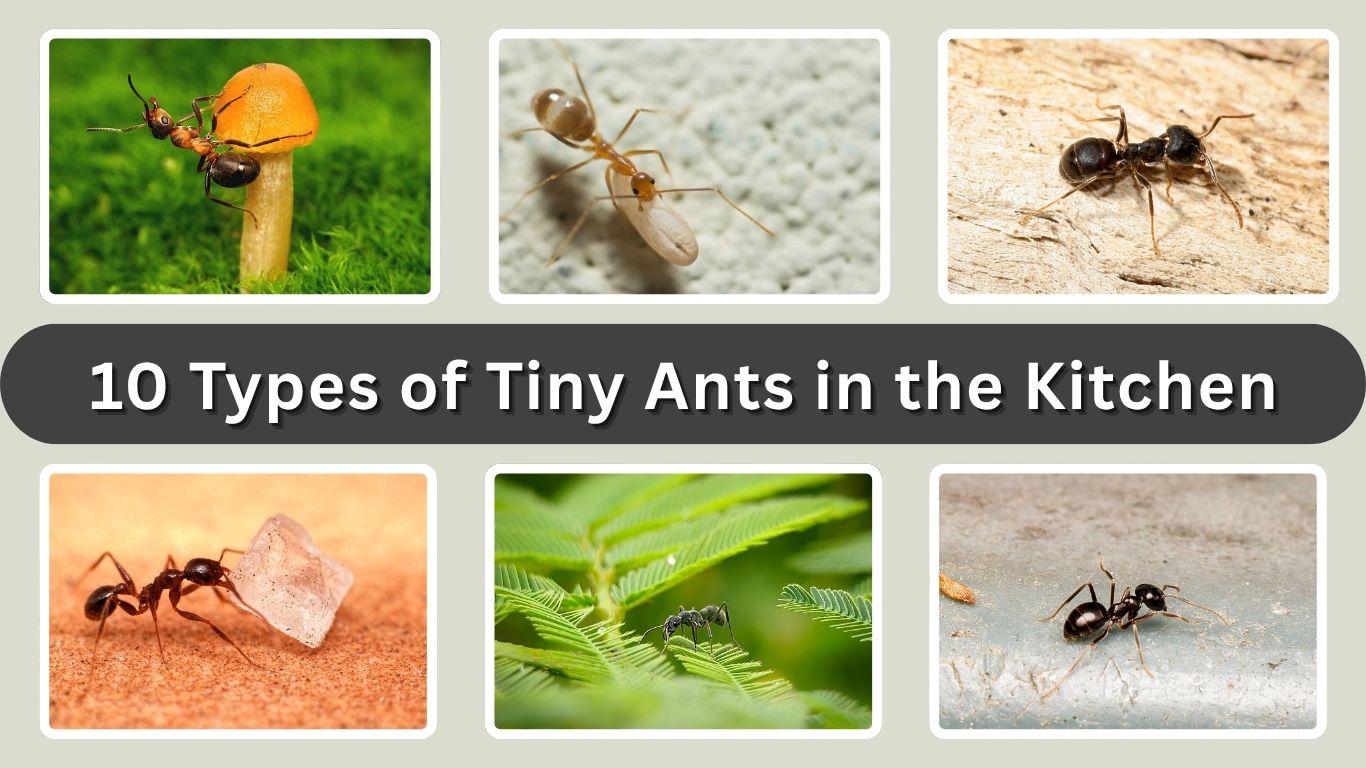
Tiny ants in the kitchen are a common problem in many homes, especially in warm and humid conditions. These small pests are usually attracted by food crumbs, sugary spills, and moisture, making kitchens an ideal place for them to gather. While most tiny ants are not harmful, they can quickly become a nuisance and contaminate food surfaces. Identifying the type of ant is important because different species behave differently and require specific control methods. Understanding these ants helps you take the right steps to keep your kitchen clean and pest-free.
1. Sugar Ant
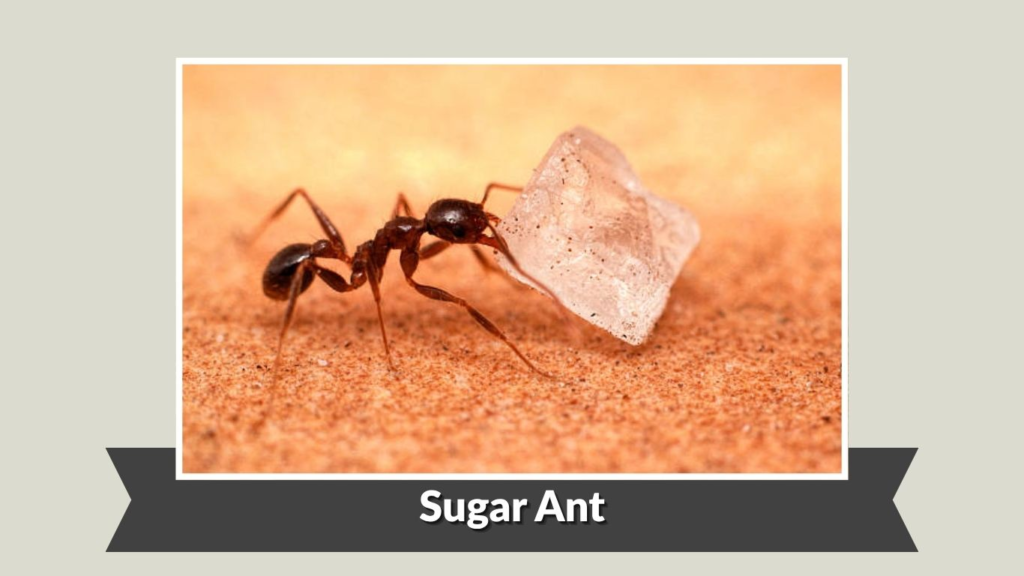
Sugar ants are one of the most common tiny ants found in kitchens, especially in warm and humid environments. They are highly attracted to sweet foods and can quickly invade countertops, cupboards, and even sealed containers if there is any trace of sugar. These ants are usually noticed when they form long, visible trails leading to a food source. Their small size allows them to enter through tiny cracks and gaps, making them difficult to keep out once they discover a reliable food supply. Although they are not dangerous, their presence can become frustrating due to how fast they multiply and spread throughout the kitchen. Early identification and proper cleaning habits are key to preventing a full infestation.
Identification
- Small ants, typically 2–5 mm in length
- Color varies from light brown to dark brown or black
- Often seen traveling in long, straight trails
- Strong attraction to sugary foods like syrup, honey, and fruits
- Usually found near countertops, sinks, and food storage areas
Behavior and Risks
Sugar ants are highly persistent and efficient foragers. Once they locate a food source, they leave a scent trail for other ants to follow, which leads to rapid colony expansion inside the kitchen. They prefer sweet substances but may also feed on grease or protein if necessary. While they do not bite or sting in most cases, they can contaminate food by crawling over surfaces and carrying bacteria from other areas. Their ability to build nests in hidden spaces like wall cracks or under flooring makes them difficult to eliminate without consistent effort.
How to Get Rid
- Wipe down surfaces daily to remove sugar residues and crumbs
- Store all food, especially sweets, in tightly sealed containers
- Fix leaks and eliminate moisture sources around the sink
- Seal entry points such as cracks, gaps, and window edges
- Use bait traps that attract sugar ants and eliminate the colony
- Maintain regular cleaning routines to prevent reinfestation
2. Pharaoh Ant
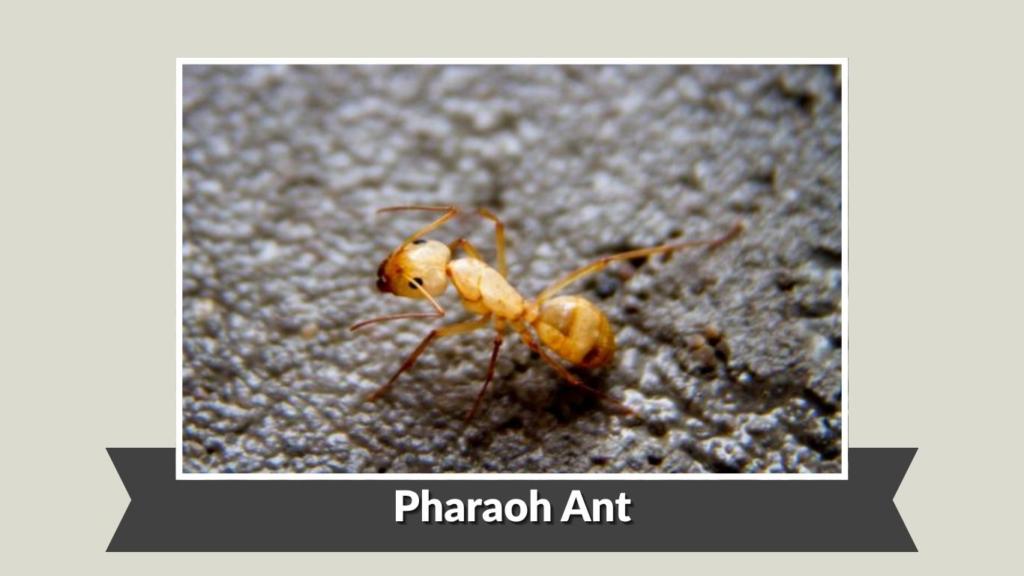
Pharaoh ants are tiny, pale-colored ants that are commonly found indoors, especially in kitchens, bathrooms, and warm areas of the home. They thrive in heated environments and are known for their ability to spread quickly by forming multiple colonies. These ants are extremely small and can easily go unnoticed until a large infestation develops. In kitchens, they are attracted to a wide variety of foods, including sweets, oils, and proteins. Because of their rapid reproduction and hidden nesting habits, pharaoh ants are considered one of the more difficult household ants to control effectively.
Identification
- Very small, about 1.5–2 mm in length
- Light yellow to golden color with a slightly darker abdomen
- Often mistaken for other tiny ants due to their size
- Move in irregular trails rather than straight lines
- Commonly found near warm areas like appliances and wall voids
Behavior and Risks
Pharaoh ants are highly adaptable and can survive on many types of food, making kitchens an ideal environment. They are known for a behavior called “budding,” where colonies split into multiple smaller colonies when disturbed, which makes infestations spread rapidly. These ants can contaminate food and surfaces, and in some cases, they are associated with spreading bacteria due to their movement between dirty and clean areas. Their ability to nest in hidden spaces like behind walls, under floors, or inside appliances makes them especially challenging to eliminate.
How to Get Rid
- Avoid using sprays that can cause colony splitting (budding)
- Use slow-acting ant baits to eliminate the entire colony
- Keep kitchen areas clean and free of food residue
- Store food in airtight containers
- Seal cracks and hidden entry points around the home
- Maintain consistent pest control measures for long-term prevention
3. Ghost Ant
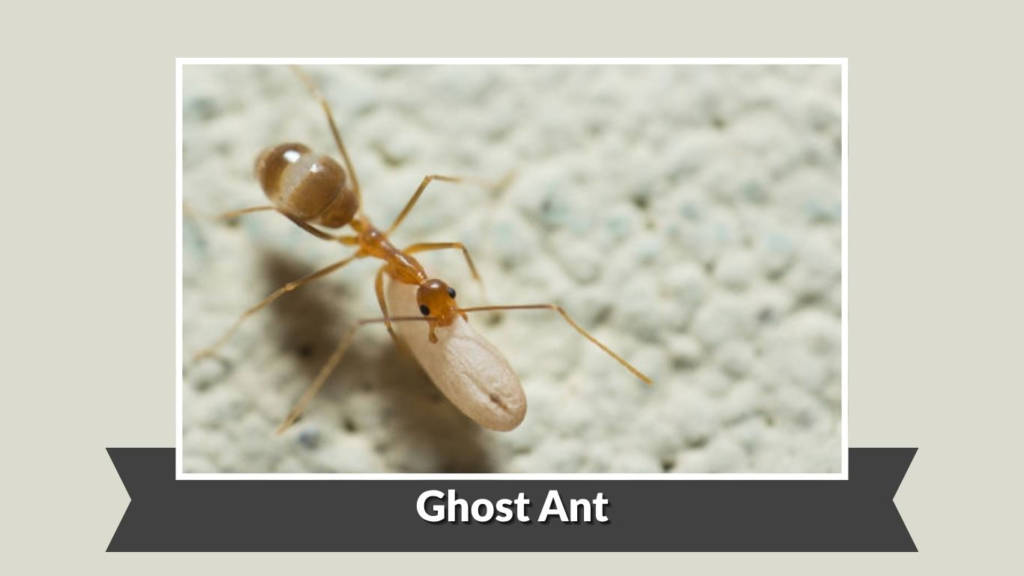
Ghost ants are extremely tiny ants that are often found in kitchens and bathrooms, especially in warm, humid climates. They get their name from their pale, almost translucent bodies, which make them difficult to see. These ants are highly attracted to sugary foods and moisture, making kitchens a perfect environment for them to thrive. Because of their small size and ability to form multiple colonies, ghost ants can quickly spread throughout a home if not addressed early. They are often spotted trailing along countertops, walls, and near sinks in search of food and water.
Identification
- Very small, about 1.3–1.5 mm long
- Pale, translucent legs and abdomen with a darker head
- Difficult to see due to their “ghost-like” appearance
- Move in loose, less organized trails
- Commonly found near moisture sources like sinks and drains
Behavior and Risks
Ghost ants are persistent foragers that prefer sweet foods but will also consume greasy substances when necessary. They often build nests in hidden, moist areas such as behind cabinets, under sinks, or inside wall voids. Like pharaoh ants, they can form multiple colonies, which makes infestations harder to control. While they do not pose serious health threats, they can contaminate food and surfaces as they travel between different areas. Their rapid spread and ability to remain unnoticed make them a common household nuisance.
How to Get Rid
- Clean kitchen surfaces regularly to remove food residue
- Fix leaks and reduce moisture around sinks and pipes
- Store food in sealed containers to limit access
- Use bait traps designed for sugar-feeding ants
- Seal entry points such as cracks and gaps in walls
- Avoid using repellent sprays that may scatter the colony
4. Argentine Ant
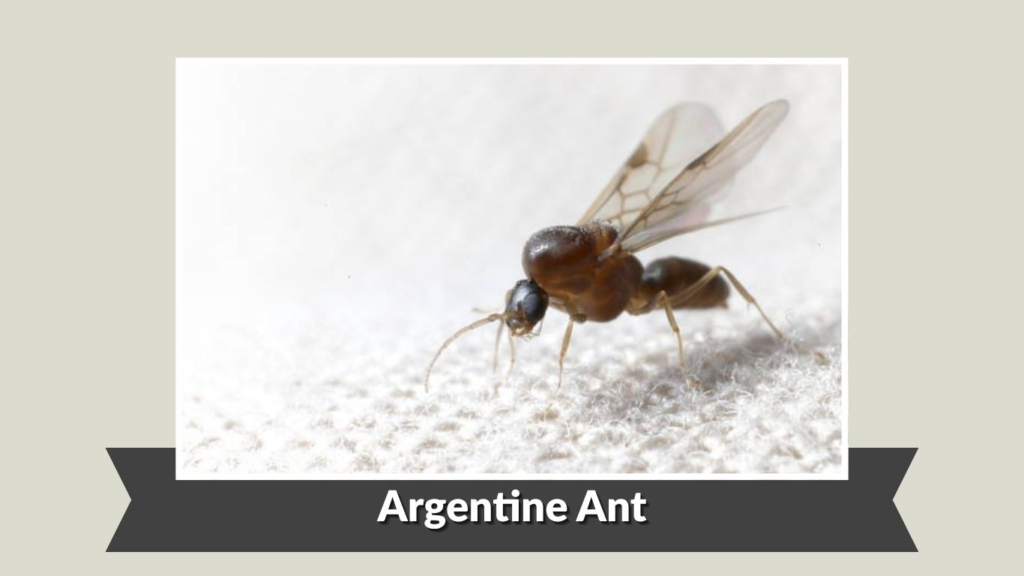
Argentine ants are small but highly invasive ants that commonly enter kitchens in search of food and water. They are known for forming massive colonies with multiple queens, which allows them to spread rapidly and dominate areas once they establish a presence. These ants are especially attracted to sweet foods but will also feed on greasy or protein-based items. In kitchens, they are often seen forming long, dense trails along countertops, walls, and entry points. Because of their large colony size and cooperative behavior, Argentine ants can be particularly difficult to eliminate once they settle indoors.
Identification
- Small ants, about 2–3 mm in length
- Light to dark brown in color
- Form long, continuous trails of workers
- Move quickly and in large numbers
- Commonly found near food sources and entry points like windows and doors
Behavior and Risks
Argentine ants are aggressive invaders that can quickly take over a kitchen due to their large colony networks. Unlike many other ants, they do not fight among colonies, allowing them to expand rapidly. They are highly attracted to sugary foods but will consume almost anything available. While they do not pose serious health risks, they can contaminate food and surfaces as they travel in large numbers. Their presence can also displace other insects, leading to an imbalance in the household environment.
How to Get Rid
- Keep kitchen surfaces clean and free of crumbs and spills
- Store all food in sealed, airtight containers
- Eliminate moisture sources such as leaks and standing water
- Use slow-acting bait to target the entire colony
- Seal cracks and entry points around doors, windows, and walls
- Maintain consistent cleaning and monitoring to prevent reinfestation
5. Odorous House Ant
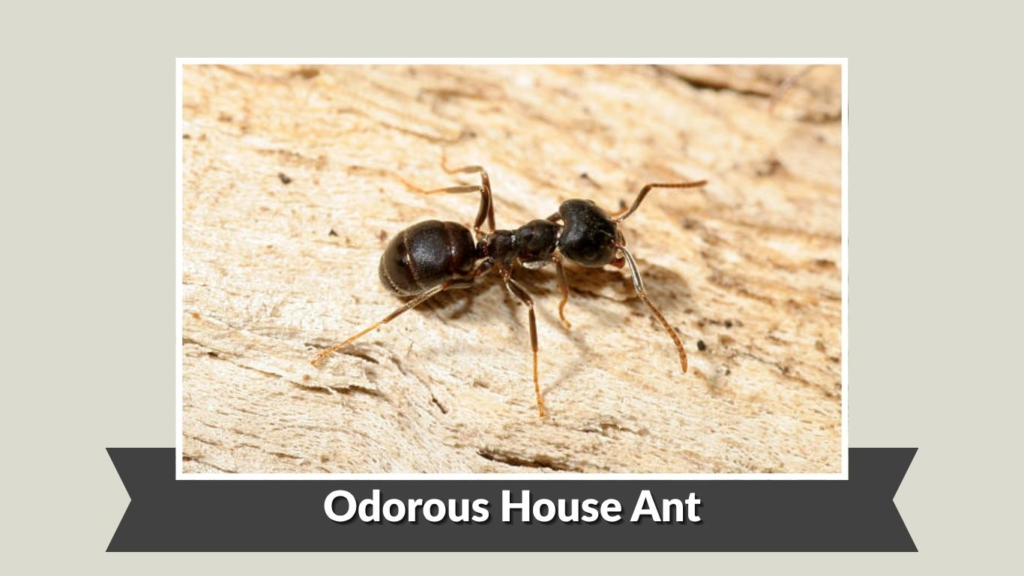
Odorous house ants are very common indoor ants that frequently invade kitchens in search of food and moisture. They are especially drawn to sugary substances but can also feed on a variety of other foods. These ants get their name from the unpleasant, rotten coconut-like smell they release when crushed. They often build nests both indoors and outdoors, making it easy for them to travel back and forth into the kitchen. Once they find a reliable food source, they can form large trails and become a persistent nuisance if not controlled properly.
Identification
- Small ants, about 2–3 mm long
- Dark brown to black in color
- Give off a strong, unpleasant odor when crushed
- Move in well-defined trails
- Commonly found around sinks, countertops, and food areas
Behavior and Risks
Odorous house ants are highly adaptable and can survive on a wide range of foods, although they prefer sweets. They often establish multiple nesting sites, which makes them difficult to eliminate completely. These ants are active foragers and can quickly contaminate food as they move across kitchen surfaces. While they are not harmful in terms of bites or stings, their ability to spread quickly and invade food storage areas makes them a significant household nuisance. Their odor can also be unpleasant when large numbers are present.
How to Get Rid
- Clean up food spills and crumbs immediately
- Store food, especially sweets, in airtight containers
- Reduce moisture by fixing leaks and drying wet areas
- Use ant baits to eliminate colonies effectively
- Seal cracks and gaps where ants may enter
- Regularly inspect and maintain cleanliness to prevent return
6. Little Black Ant
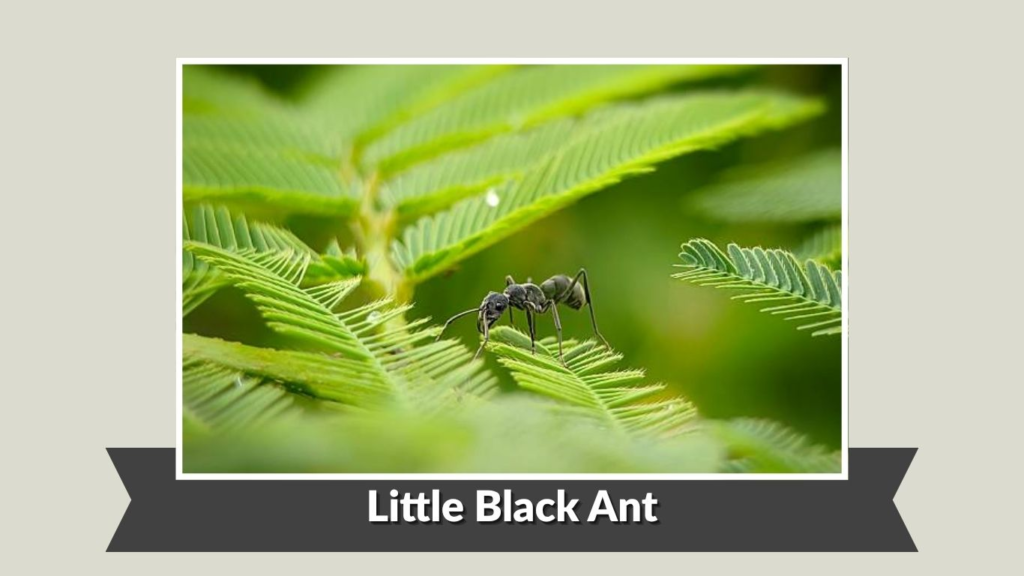
Little black ants are one of the most frequently seen tiny ants in kitchens. As their name suggests, they are very small and dark in color, making them easy to recognize once spotted. These ants typically enter homes in search of food and water, especially sugary or greasy substances. They often build nests outdoors but will come inside through cracks and gaps when food is available. In kitchens, they are commonly found trailing along countertops, baseboards, and near food storage areas. Although they are not dangerous, their presence can quickly become overwhelming if not addressed early.
Identification
- Very small ants, about 1.5–2 mm long
- Shiny black in color
- Move in long, consistent trails
- Often seen near food crumbs or spills
- Commonly enter through tiny cracks and openings
Behavior and Risks
Little black ants are persistent foragers that can adapt to various food sources, including sweets, grease, and proteins. Once they discover food in the kitchen, they send signals to other ants, creating visible trails that grow over time. They usually nest outdoors but can establish colonies indoors if conditions are favorable. While they do not pose serious health risks, they can contaminate food and surfaces as they travel. Their fast-moving nature and ability to multiply quickly make them a common and frustrating household pest.
How to Get Rid
- Clean kitchen surfaces thoroughly and regularly
- Store all food in sealed containers
- Eliminate crumbs and food debris promptly
- Seal entry points such as cracks and gaps
- Use ant baits to target and remove the colony
- Maintain consistent hygiene to prevent reinfestation
7. Pavement Ant
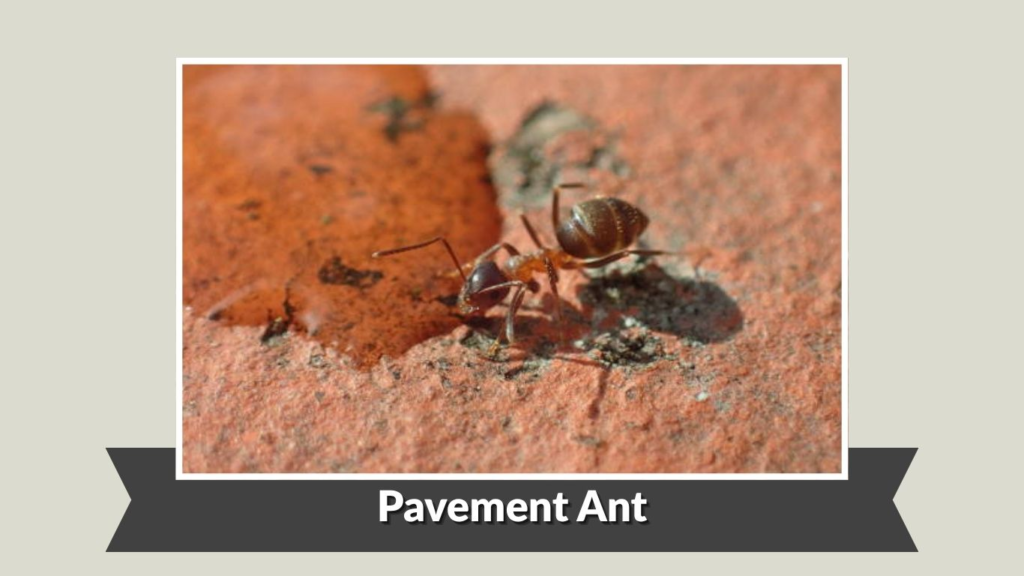
Pavement ants are small ants commonly found nesting outdoors under sidewalks, driveways, and building foundations, but they often enter kitchens in search of food. They are particularly active during warmer months and can become noticeable when they form trails indoors. In kitchens, they are attracted to a variety of food sources, including crumbs, grease, and sweets. These ants are known for their persistence and ability to find even the smallest food particles. Once they locate a food source, they can quickly establish a steady trail, making them a frequent nuisance in homes.
Identification
- Small ants, about 2.5–3 mm long
- Dark brown to black in color
- Have fine lines (grooves) on their head and thorax
- Move in steady, visible trails
- Often enter through cracks in floors, walls, or foundations
Behavior and Risks
Pavement ants are opportunistic feeders and will consume almost any type of food available in the kitchen. They typically nest outdoors but enter homes to forage, especially when food is easily accessible. These ants are known for forming large colonies and can become aggressive toward other ant species. While they are not dangerous to humans, they can contaminate food and surfaces as they travel. Their presence often indicates easy access points into the home, which should be addressed to prevent further infestation.
How to Get Rid
- Keep floors and countertops clean and free of crumbs
- Store food in airtight containers
- Seal cracks in walls, floors, and foundations
- Remove outdoor nesting sites near the home if possible
- Use ant bait to eliminate the colony effectively
- Maintain regular cleaning and monitoring to avoid recurrence
8. Thief Ant
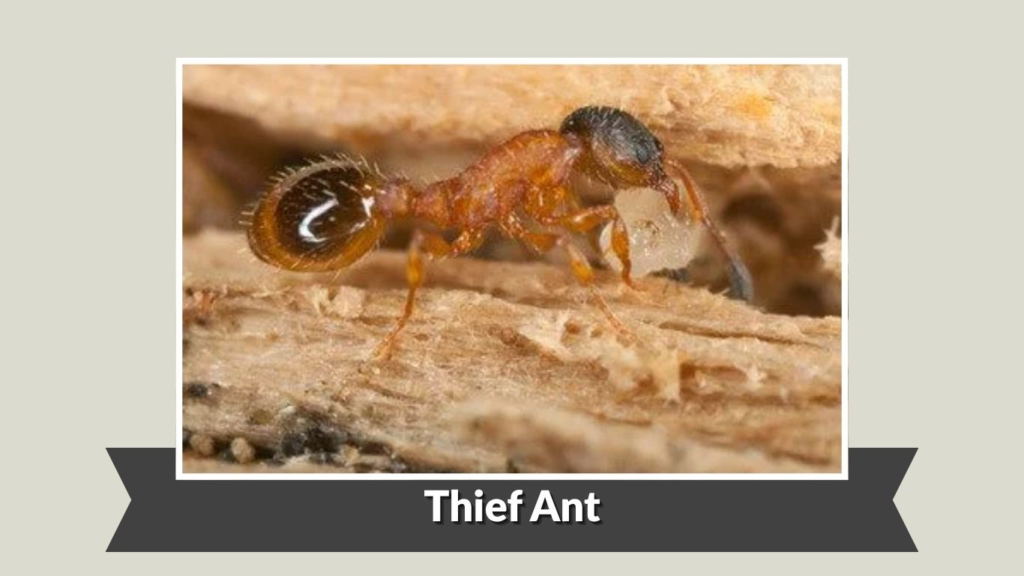
Thief ants are extremely tiny ants that often go unnoticed until an infestation becomes widespread. They are named for their habit of stealing food and larvae from other ant colonies. In kitchens, they are attracted to a wide range of foods, including grease, protein, and sweets. Due to their very small size, they can easily enter through tiny cracks and contaminate stored food. Thief ants often nest in hidden areas such as wall voids, cabinets, or behind appliances, making them difficult to detect and control early.
Identification
- Very small, about 1–2 mm long
- Yellow to light brown in color
- Slower movement compared to other ants
- Difficult to spot due to tiny size
- Commonly found near food storage and hidden spaces
Behavior and Risks
Thief ants are unique because they often invade other ant nests to steal food, which contributes to their survival and spread. In kitchens, they prefer greasy and protein-rich foods but will also consume sweets. Their tiny size allows them to infiltrate packaged food, leading to contamination. While they do not pose serious health risks, their ability to remain hidden and spread quietly makes them a persistent nuisance. Infestations can grow quickly if left untreated, especially in areas with easy food access.
How to Get Rid
- Clean kitchen surfaces thoroughly to remove food residue
- Store all food in sealed, airtight containers
- Inspect and discard contaminated food packages
- Seal small cracks and entry points in walls and cabinets
- Use appropriate ant baits to eliminate hidden colonies
- Maintain consistent cleanliness to prevent reinfestation
9. Acrobat Ant
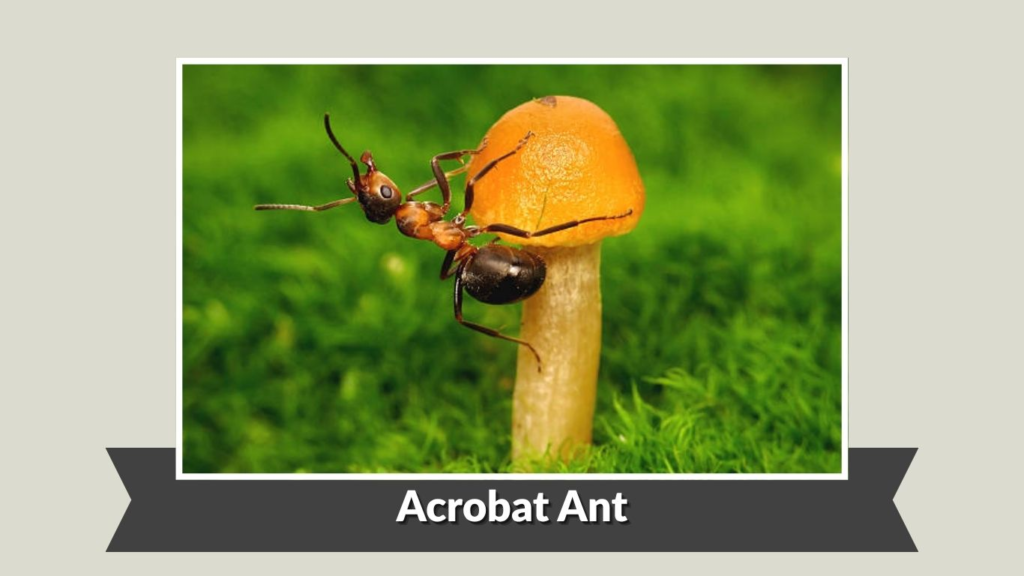
Acrobat ants are small household ants that occasionally invade kitchens in search of food and moisture. They get their name from their unique defensive behavior—when disturbed, they raise their abdomen over their head, almost like performing an acrobatic pose. These ants typically nest outdoors in decaying wood but can move indoors if they find suitable conditions. In kitchens, they are attracted to both sweet and protein-based foods, making them occasional but persistent visitors.
Identification
- Small ants, about 2–3 mm long
- Light brown to dark brown or black in color
- Heart-shaped abdomen that is often held raised
- Move in irregular trails
- Commonly found near moist or damaged wood areas
Behavior and Risks
Acrobat ants are opportunistic feeders and will consume a variety of foods found in kitchens. They often enter homes through gaps or areas with moisture damage. Unlike some other ants, they may bite if disturbed, although the bite is usually mild. Their presence can sometimes indicate underlying issues like damp or decaying wood inside the home. While they are not major health threats, they can contaminate food and become a nuisance if their colony grows.
How to Get Rid
- Fix moisture issues and repair damaged wood
- Keep kitchen areas clean and free of food debris
- Store food in airtight containers
- Seal cracks and entry points around the home
- Use ant bait to target and eliminate the colony
- Regularly inspect for signs of nesting or moisture buildup
10. White-Footed Ant
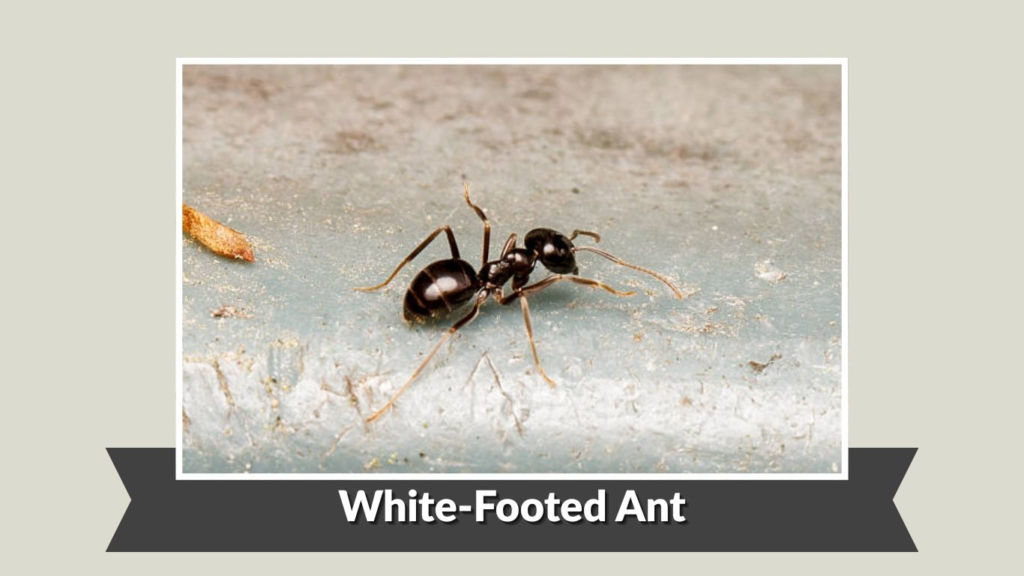
White-footed ants are small, dark-colored ants that are often found around homes and can occasionally make their way into kitchens in search of food. They are named for their pale-colored feet, which contrast with their darker bodies. These ants are more commonly found outdoors but will enter kitchens if food and moisture are easily available. They tend to form large colonies and can quickly become noticeable when they establish trails inside the home.
Identification
- Small ants, about 2.5–3 mm long
- Dark brown to black body with pale or yellowish feet
- Legs appear lighter compared to the rest of the body
- Move in loose, sometimes irregular trails
- Often found near entry points like windows, doors, and cracks
Behavior and Risks
White-footed ants are active foragers that prefer sweet foods but will also feed on other kitchen items if necessary. They typically nest outdoors in trees or shrubs but can create satellite colonies indoors. These ants do not usually bite or sting, but they can contaminate food as they travel across surfaces. Their ability to form large colonies and spread quickly makes them a persistent nuisance once they establish a presence in the kitchen.
How to Get Rid
- Clean all kitchen surfaces to remove food residue
- Store food in sealed containers to prevent access
- Trim outdoor plants that may serve as bridges into the home
- Seal cracks, gaps, and entry points around the kitchen
- Use bait traps designed for sweet-feeding ants
- Maintain regular cleaning and monitoring to prevent reinfestation
FAQs
What attracts tiny ants to the kitchen?
Tiny ants are mainly attracted by food and moisture. Sugary spills, crumbs, grease, and even small water leaks can draw them in. Once a single ant finds food, it leaves a scent trail that others follow, quickly leading to a visible infestation in the kitchen.
Are tiny kitchen ants harmful to health?
Most tiny ants are not dangerous and do not bite or sting. However, they can still pose hygiene concerns by contaminating food and surfaces. As they travel between dirty and clean areas, they may carry bacteria, making it important to control their presence promptly.
Why do ants keep coming back after cleaning?
Ants return because scent trails often remain even after cleaning. If entry points are not sealed or food sources are still accessible, they will keep coming back. Proper cleaning combined with sealing cracks and using bait is necessary for long-term control.
What is the fastest way to get rid of kitchen ants?
The fastest method is using ant bait along with thorough cleaning. Baits attract ants and allow them to carry poison back to the colony, eliminating it at the source. Avoid sprays, as they may scatter ants and worsen the infestation.
How can I prevent ants from entering my kitchen?
Preventing ants requires consistent habits like keeping surfaces clean, storing food in airtight containers, fixing leaks, and sealing entry points. Regular inspection and quick action at the first sign of ants can stop a small problem from becoming a larger infestation.
