
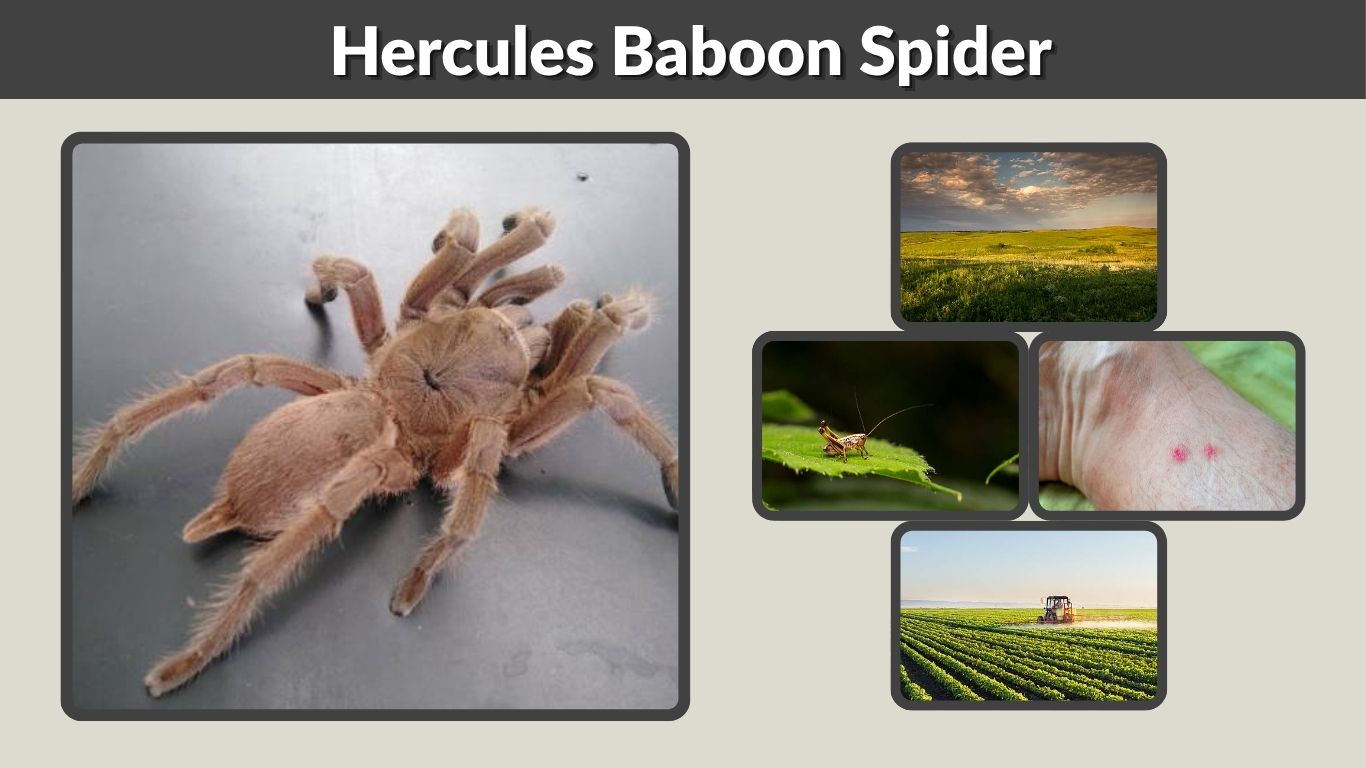
The Hercules Baboon Spider is often described as one of the largest and most mysterious spiders ever recorded. Unlike many well-documented tarantula species, this spider is known mainly from limited historical records, making it a subject of fascination for scientists and enthusiasts alike. Believed to originate from Africa, particularly Nigeria, it represents a rare glimpse into the diversity of giant ground-dwelling spiders. Its size, strength, and elusive nature have contributed to its legendary status among arachnid species.
Physical Identification
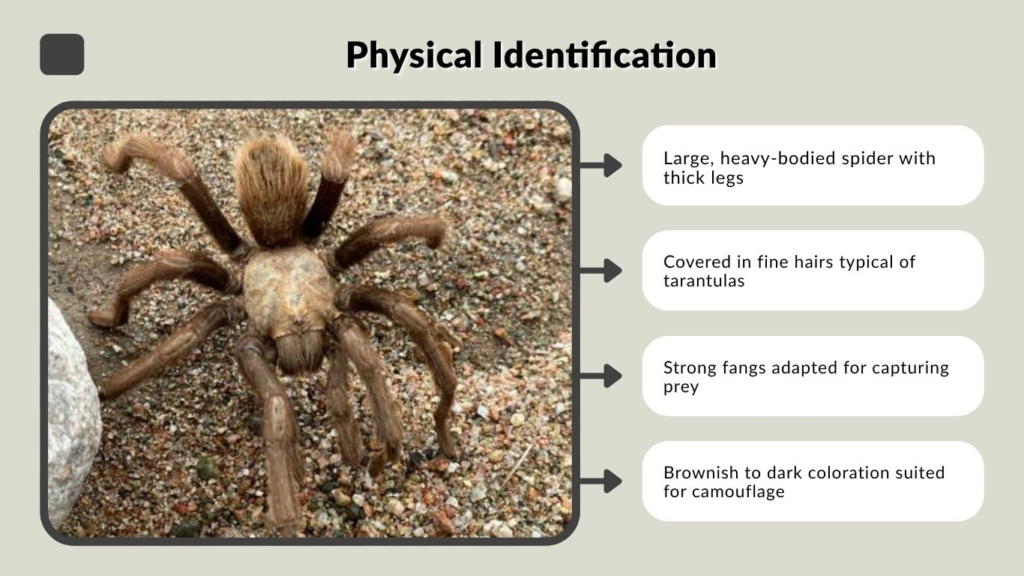
The Hercules Baboon Spider is thought to share many characteristics with other baboon spiders, though detailed descriptions are limited due to its rarity.
Key Identification Features
- Large, heavy-bodied spider with thick legs
- Covered in fine hairs typical of tarantulas
- Strong fangs adapted for capturing prey
- Brownish to dark coloration suited for camouflage
Size and Appearance
Although exact measurements are uncertain, the Hercules Baboon Spider is believed to be exceptionally large, possibly rivaling some of the biggest tarantulas known today. Its body structure is robust, built for strength rather than speed. The legs are thick and powerful, allowing it to move efficiently across the ground and dig into soil.
Male vs Female Differences
Like most tarantulas, females are likely larger and live longer than males. Males are typically slimmer and more mobile, especially when searching for mates. However, due to the limited information available, these differences are based on comparisons with related species rather than direct observation.
Size and Measurements
The Hercules Baboon Spider is notable for its impressive size, even among large tarantulas.
- Body Length: Estimated to be significantly larger than average baboon spiders
- Leg Span: Believed to be among the largest recorded for ground-dwelling spiders
- Weight: Heavy and robust compared to most tarantulas
- Growth Rate: Likely slow-growing, similar to other large species
Habitat and Distribution
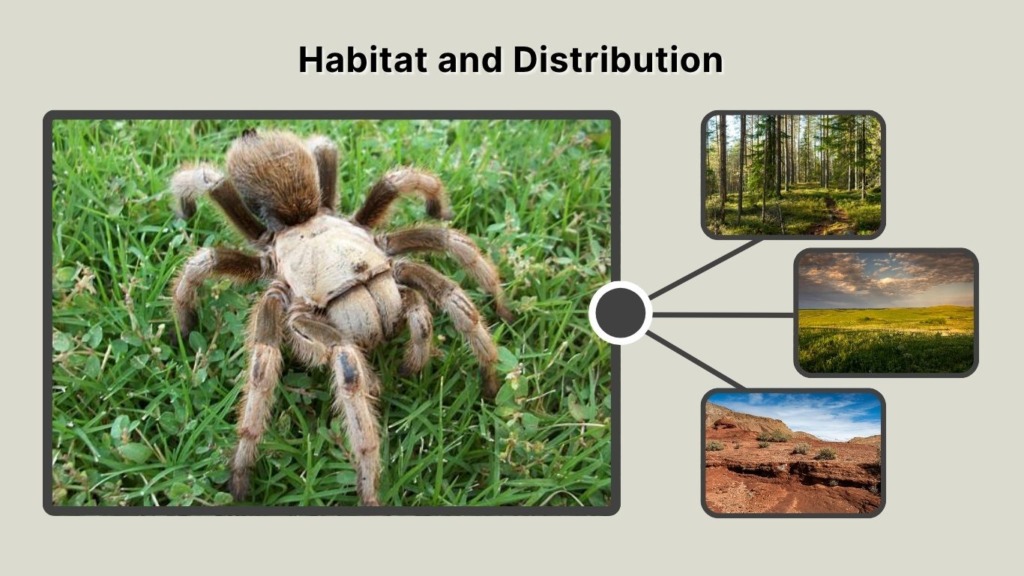
The natural habitat of the Hercules Baboon Spider is not fully understood, but it is believed to follow patterns similar to other African baboon spiders.
Geographic Range
This species is associated with Africa, particularly Nigeria, where the original specimen was reportedly discovered. Its exact distribution remains unclear due to the lack of recent sightings.
Preferred Habitat
It likely inhabits warm environments such as forests, grasslands, or scrublands. These areas provide the soil conditions necessary for burrowing and a steady supply of prey.
Burrowing Behavior
Like other baboon spiders, the Hercules Baboon Spider is believed to construct underground burrows. These burrows serve as protection from predators and extreme temperatures, as well as a strategic location for ambushing prey. The spider would spend most of its time hidden, emerging primarily at night.
Behavior and Lifestyle
Although direct observations are scarce, the behavior of the Hercules Baboon Spider can be inferred from closely related species.
General Behavior
This spider is likely defensive rather than aggressive. When threatened, it may raise its front legs and display its fangs as a warning. Such behavior is common among baboon spiders and helps deter predators.
Activity Patterns
The Hercules Baboon Spider is believed to be nocturnal, staying hidden during the day and becoming active at night. This pattern helps it avoid predators and hunt more effectively.
Movement and Hunting
Despite its large size, it is likely a slow-moving but powerful predator. Instead of chasing prey, it probably relies on ambush tactics, waiting near its burrow entrance for unsuspecting insects or small animals to pass by.
Diet and Hunting Habits
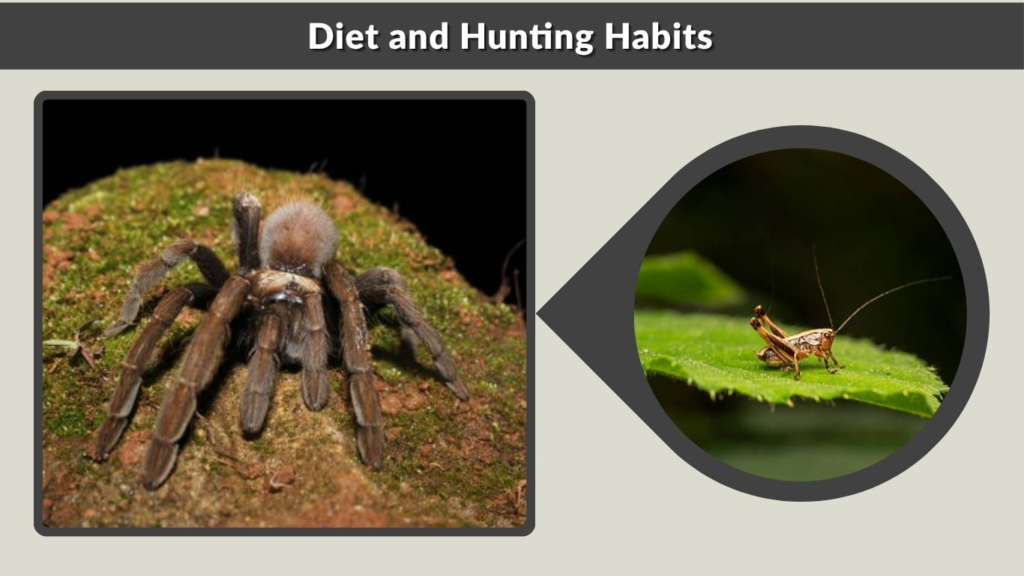
The Hercules Baboon Spider is expected to have a diet similar to other large ground-dwelling spiders.
- Primary Diet: Insects and other small invertebrates
- Larger Prey: May capture small vertebrates such as lizards or rodents
- Hunting Style: Ambush predator that waits near its burrow
- Feeding Behavior: Uses venom to immobilize prey before consumption
Venom and Bite
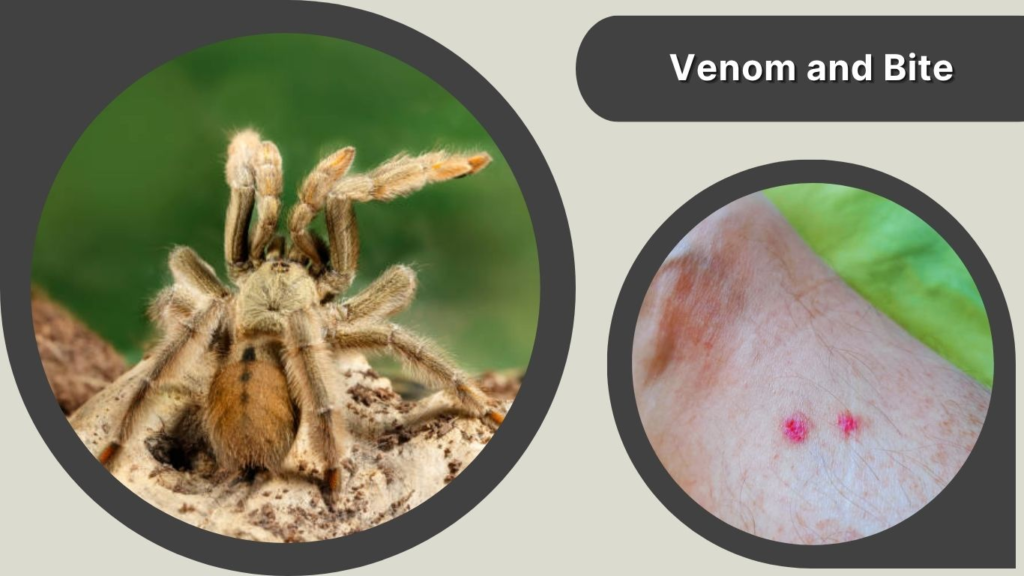
The venom of the Hercules Baboon Spider is not well documented, but it is assumed to be similar to that of other baboon spiders.
Is It Dangerous?
Like most tarantulas, it is venomous but not considered deadly to humans. Its venom is mainly used to subdue prey rather than for defense against large animals.
Bite Effects
A bite would likely cause pain, swelling, and discomfort. While not life-threatening, the effects could be unpleasant and may last for some time depending on the individual.
Defensive Behavior
Before biting, the spider would likely display warning behaviors such as raising its legs or retreating into its burrow. Bites are typically a last resort when the spider feels threatened or cornered.
Breeding and Lifecycle
The reproductive behavior of the Hercules Baboon Spider is not well documented, but it is believed to follow patterns similar to other large baboon spiders.
Mating Behavior
Mature males likely leave their burrows in search of females during the breeding season. This journey can be risky, as males are exposed to predators and may also face aggression from females. Courtship usually involves careful movements and vibrations to signal intent and avoid being attacked.
Egg Sac and Spiderlings
After successful mating, the female produces an egg sac, which she keeps protected inside her burrow. The eggs develop over several weeks before hatching into spiderlings. These young spiders remain in a safe environment early on and gradually begin to explore as they grow.
Lifespan
Females are expected to live much longer than males, possibly over a decade under ideal conditions. Males, in contrast, tend to have shorter lifespans, especially after reaching maturity.
Lifecycle and Development
The development of the Hercules Baboon Spider occurs gradually over several stages.
- Egg Stage: Eggs develop inside a protective silk sac within the burrow
- Spiderling Stage: Newly hatched spiders remain hidden and vulnerable
- Juvenile Stage: Growth occurs through repeated molting
- Adult Stage: Full size and reproductive maturity are reached
- Lifespan: Females live significantly longer than males
Hercules Baboon Spider vs Other Giant Spiders
This comparison highlights how the Hercules Baboon Spider differs from other well-known large spiders.
| Feature | Hercules Baboon Spider | Goliath Birdeater | King Baboon Spider |
| Size | Extremely large | Very large | Large |
| Habitat | Africa | South America | East Africa |
| Temperament | Defensive | Defensive | Defensive |
| Lifestyle | Burrowing | Ground-dwelling | Burrowing |
| Rarity | Extremely rare | Common | Less common |
Role in the Ecosystem
The Hercules Baboon Spider likely plays an important role in maintaining ecological balance within its habitat. As a predator, it helps control populations of insects and other small animals. This prevents overpopulation of certain species that could otherwise disrupt the environment.
At the same time, it may serve as prey for larger predators, making it part of the broader food chain. Its burrowing behavior may also contribute to soil aeration, improving the quality of the ground in its habitat.
Threats and Conservation
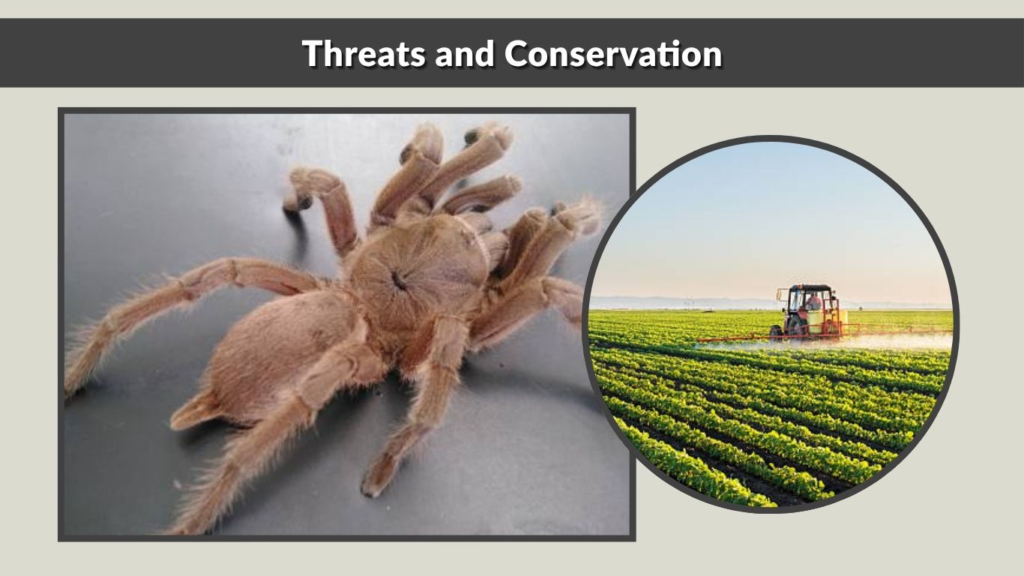
Due to the limited information available, it is difficult to fully assess the conservation status of the Hercules Baboon Spider. However, several potential threats can be considered.
- Habitat Loss: Human activities such as agriculture and development may reduce suitable environments
- Rarity: Very few confirmed sightings make it difficult to study or protect
- Scientific Uncertainty: Lack of modern research limits understanding of its population
- Conservation Awareness: More studies are needed to determine its status and protection needs
Interesting Facts
The Hercules Baboon Spider remains one of the most intriguing spiders due to its rarity and size.
- Known mainly from a single historical specimen
- Considered one of the largest spiders ever recorded
- Rarely observed in modern times
- Remains a mystery in the scientific community
FAQs
What is the Hercules Baboon Spider?
The Hercules Baboon Spider is a rare and possibly one of the largest baboon spiders ever recorded. It is known mainly from historical documentation rather than modern scientific observation. Because of this, much about its behavior, habitat, and true size remains uncertain and continues to interest researchers and enthusiasts.
Where was the Hercules Baboon Spider found?
It is believed to have been discovered in Africa, particularly in Nigeria, where the original specimen was recorded. However, due to the lack of recent sightings, its exact distribution is unclear. It may still exist in remote or undisturbed habitats that have not been thoroughly studied.
Is the Hercules Baboon Spider dangerous?
Like other baboon spiders, it is venomous but not considered life-threatening to humans. A bite would likely cause pain, swelling, and discomfort. However, such spiders usually avoid confrontation and only bite when they feel threatened or cornered, making serious encounters relatively rare.
Why is the Hercules Baboon Spider so rare?
The species is considered rare because it has been documented only a few times, with very limited scientific records available. Its secretive, burrowing lifestyle and possible existence in remote regions make it difficult to observe. Additionally, a lack of focused research has contributed to the mystery surrounding it.
