
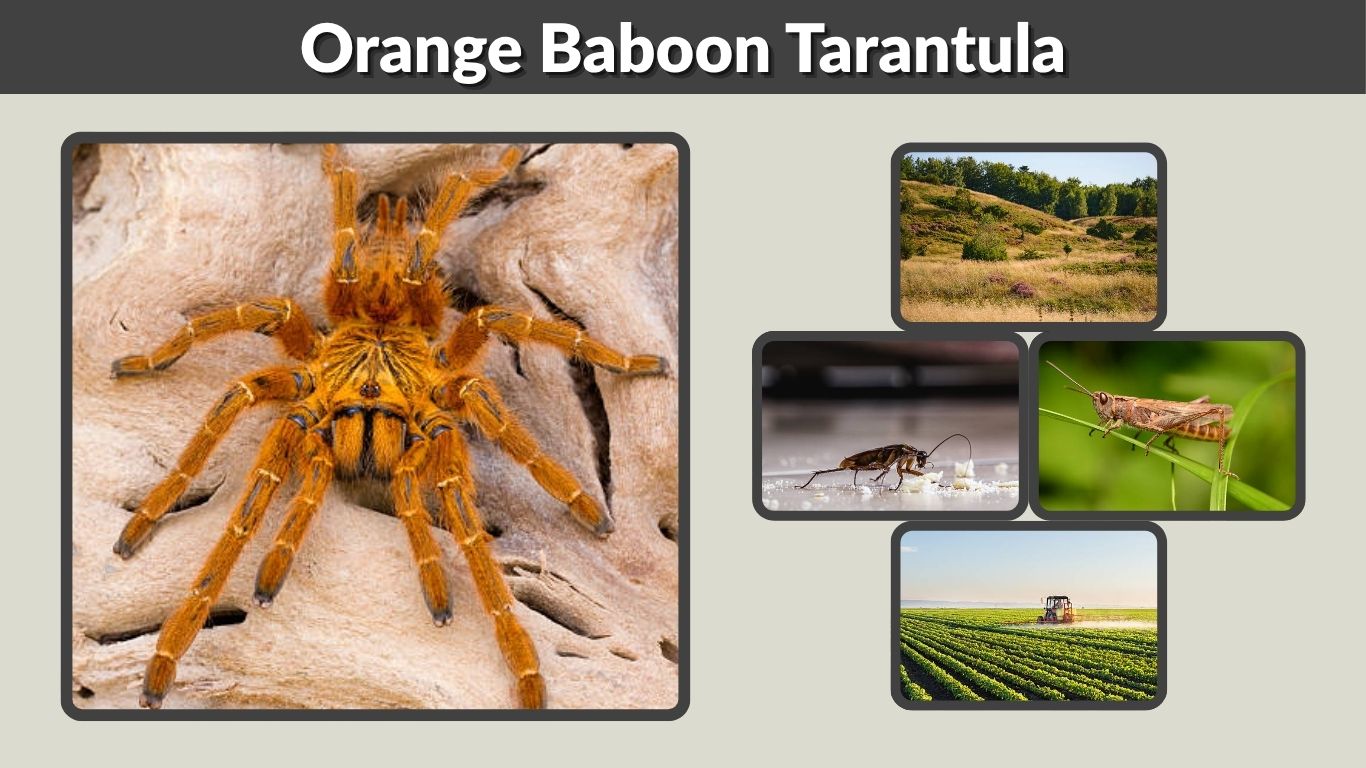
The Orange Baboon Tarantula (Pterinochilus murinus), often called OBT, is one of the most recognizable and talked-about tarantulas in the world. Known for its vivid orange coloration and highly defensive behavior, this species has gained a strong reputation among spider enthusiasts. Native to parts of Africa, it thrives in dry environments and is especially popular in the exotic pet trade. While its appearance is striking, its temperament makes it more suitable for experienced keepers rather than beginners.
Physical Identification
The Orange Baboon Tarantula is easy to identify thanks to its bright coloration and compact, sturdy build.
Key Identification Features
- Bright orange to reddish coloration, sometimes with darker patterns
- Thick, hairy legs designed for movement and webbing
- Compact body with a robust and muscular appearance
- Some regional variants show different shades and markings
Size and Appearance
Although not the largest tarantula, the OBT is still impressive in size. It has a moderate leg span and a solid body structure that gives it a powerful look. Its color can vary from bright orange to more muted brownish tones depending on the locality and age.
Male vs Female Differences
Females are generally larger and live much longer than males. They have a heavier body and tend to remain in their burrows or web structures. Males are slimmer and more mobile, especially after reaching maturity, when they begin searching for mates.
Size and Measurements
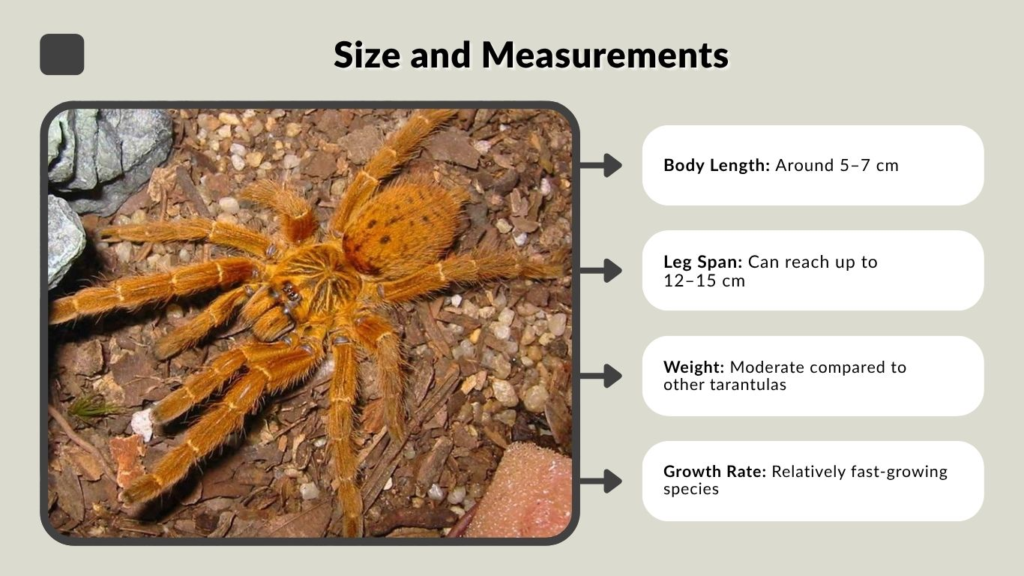
The Orange Baboon Tarantula is medium-sized but appears larger due to its bold posture and webbing behavior.
- Body Length: Around 5–7 cm
- Leg Span: Can reach up to 12–15 cm
- Weight: Moderate compared to other tarantulas
- Growth Rate: Relatively fast-growing species
Habitat and Distribution
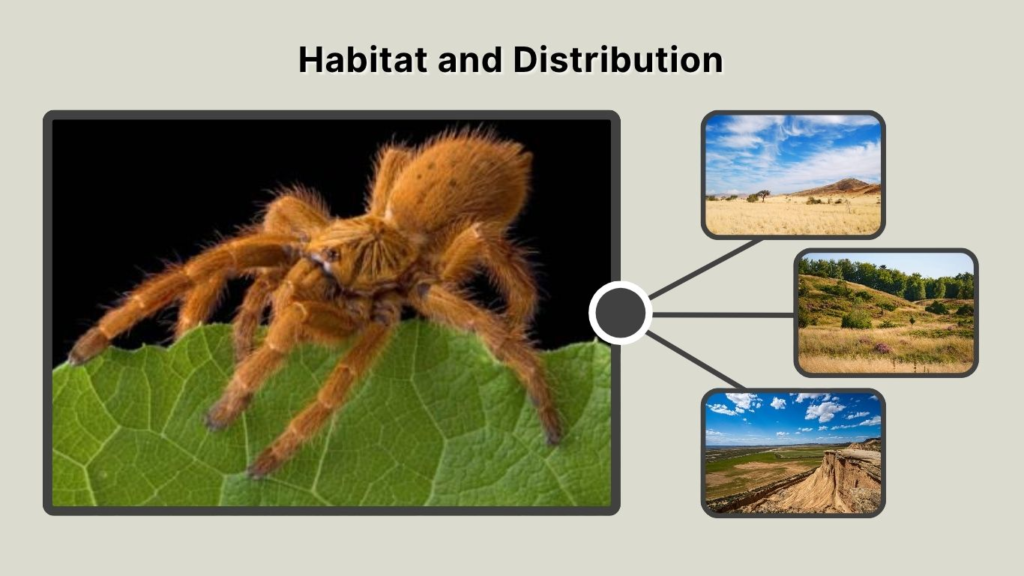
The OBT is native to Africa and is well adapted to dry and warm environments.
Geographic Range
This species is found in central and eastern parts of Africa. It is commonly associated with regions that have warm climates and limited rainfall.
Preferred Habitat
The Orange Baboon Tarantula prefers dry savannas, scrublands, and semi-arid areas. These habitats provide the right conditions for burrowing and web construction, as well as a steady supply of prey.
Burrowing and Webbing
One of the most interesting aspects of this species is its webbing behavior. It creates extensive silk tunnels and sheets, often covering large areas within its enclosure or natural habitat. While it may dig shallow burrows, it relies heavily on webbing for protection and hunting.
Behavior and Temperament
The Orange Baboon Tarantula is widely known for its defensive nature, which has contributed to its reputation in the pet trade.
General Behavior
This species is highly alert and reacts quickly to movement. It spends much of its time hidden within its webbing but will emerge rapidly when it senses prey or a disturbance.
Aggressive vs Defensive Nature
Despite being labeled as aggressive, the OBT is more accurately described as defensive. It reacts strongly when it feels threatened, often raising its front legs and displaying its fangs as a warning. This behavior is meant to deter predators rather than initiate attacks.
Activity Patterns
The Orange Baboon Tarantula is primarily nocturnal. It becomes active at night, when it hunts and maintains its web structures. During the day, it typically remains hidden, conserving energy and avoiding threats.
Diet and Feeding Habits
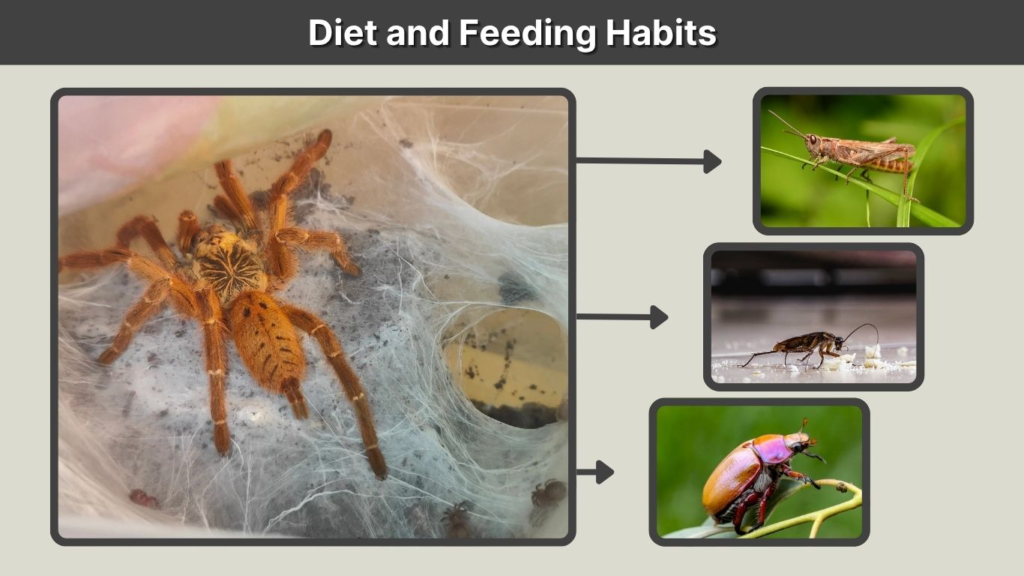
The OBT is a fast and efficient predator, relying on speed and precision to capture prey.
- Primary Diet: Insects such as crickets, roaches, and beetles
- Occasional Prey: Larger insects or small vertebrates in rare cases
- Hunting Style: Ambush predator that uses webbing to detect movement
- Feeding Response: Extremely fast and reactive when striking prey
Venom and Bite
The Orange Baboon Tarantula is often discussed in terms of its venom and bite potential.
Venom Level
This species has relatively potent venom compared to many other tarantulas. While not dangerous in a life-threatening sense, it is stronger than that of more docile species.
Bite Effects
A bite can cause significant pain, swelling, and discomfort. Some individuals may experience muscle cramps or prolonged irritation. Symptoms vary depending on the person but are generally not medically serious.
When It Bites
The OBT typically bites only when it feels threatened or cornered. Before biting, it often displays warning signs such as raising its legs or adopting a defensive posture. Respecting its space is key to avoiding negative encounters.
Lifespan and Lifecycle
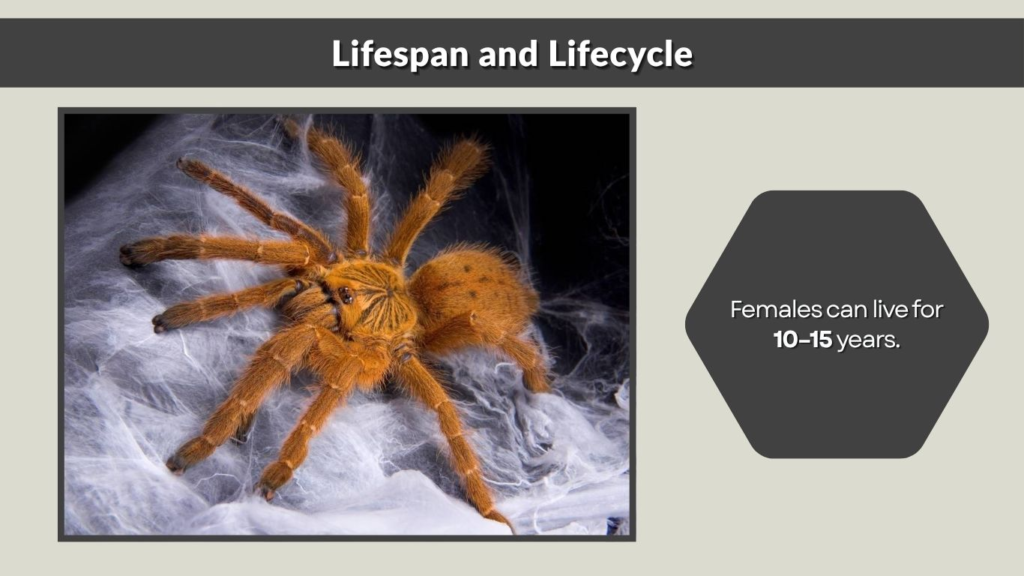
The Orange Baboon Tarantula has a relatively long lifespan, especially in females, and goes through several stages of development as it grows.
Lifespan
Females can live for 10–15 years or more under good conditions, while males have a much shorter lifespan. Once males reach maturity, they typically live only a few additional years as they focus on reproduction.
Growth Stages
Like all tarantulas, the OBT grows through a process called molting. During this process, it sheds its old exoskeleton to allow for growth. Younger spiders molt more frequently, while adults molt less often.
Reproduction
Mating involves careful interaction, as females can be defensive. After mating, the female produces an egg sac, which she guards within her web or burrow. Spiderlings hatch after several weeks and begin their independent lives soon after.
Lifecycle and Development
The development of the Orange Baboon Tarantula follows a gradual progression through multiple stages.
- Spiderling Stage: Rapid early growth with frequent feeding and molting
- Juvenile Stage: Increased webbing behavior and stronger hunting ability
- Adult Stage: Full coloration and reproductive maturity
- Molting Process: Shedding of the exoskeleton to allow growth
- Lifespan: Females live significantly longer than males
Orange Baboon Tarantula Care and Enclosure
Caring for an OBT requires experience and caution due to its defensive nature and speed.
- Enclosure Type: Secure, escape-proof enclosure with proper ventilation
- Substrate: Dry substrate such as soil or coconut fiber for burrowing
- Temperature: Warm environment similar to its natural African habitat
- Humidity: Low to moderate humidity levels
- Handling: Not recommended due to its fast and defensive behavior
Orange Baboon Tarantula vs Other Tarantulas
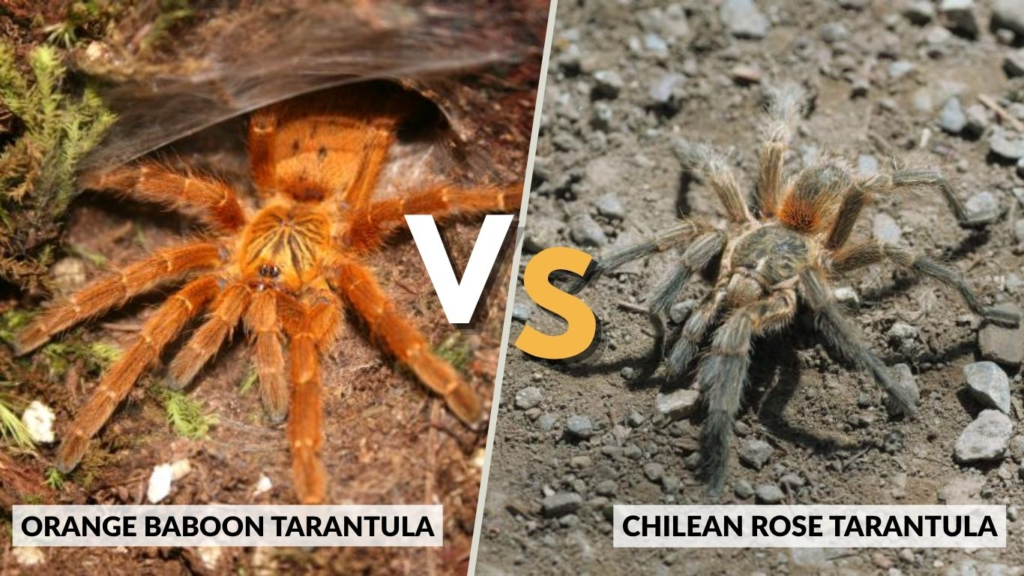
This comparison highlights how the OBT differs from more beginner-friendly tarantulas.
| Feature | Orange Baboon Tarantula | Chilean Rose Tarantula | Mexican Red Knee |
| Temperament | Highly defensive | Calm | Generally docile |
| Color | Bright orange | Brown/pink | Black with red |
| Care Level | Advanced | Beginner | Beginner |
| Webbing | Heavy | Minimal | Moderate |
| Handling Suitability | Not recommended | Often handled | Sometimes handled |
Role in the Ecosystem
The Orange Baboon Tarantula plays an important role in controlling insect populations within its habitat. By preying on insects and small animals, it helps maintain ecological balance in dry environments. It also serves as prey for larger predators, making it an important part of the food chain.
Threats and Conservation
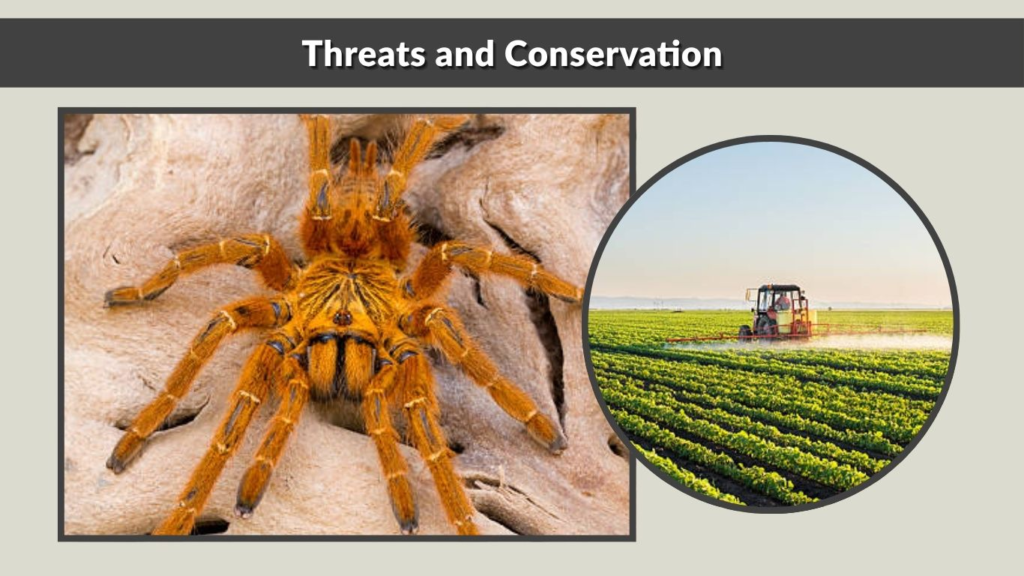
Although not currently endangered, the Orange Baboon Tarantula faces certain risks.
- Habitat Loss: Expansion of agriculture and human activity
- Pet Trade: High demand in the exotic pet market
- Environmental Changes: Climate and habitat shifts
- Conservation Awareness: Importance of ethical sourcing and habitat protection
Interesting Facts
The Orange Baboon Tarantula is one of the most fascinating tarantulas due to its unique traits.
- Known as “OBT” among tarantula enthusiasts
- Famous for producing heavy webbing in captivity and the wild
- One of the fastest-moving tarantulas
- Not recommended for beginner keepers
FAQs
Is the Orange Baboon Tarantula dangerous?
It is venomous and can deliver a painful bite, but it is not considered life-threatening. However, its defensive behavior makes it risky to handle without experience.
Why is the Orange Baboon Tarantula considered aggressive?
It is more accurately described as defensive. It reacts quickly to threats and prefers warning displays or defensive actions rather than fleeing.
What does the Orange Baboon Tarantula eat?
It mainly feeds on insects such as crickets and roaches. Occasionally, it may take larger prey depending on availability.
Can you handle an Orange Baboon Tarantula?
Handling is not recommended due to its speed and defensive nature, which increase the likelihood of a bite.
