
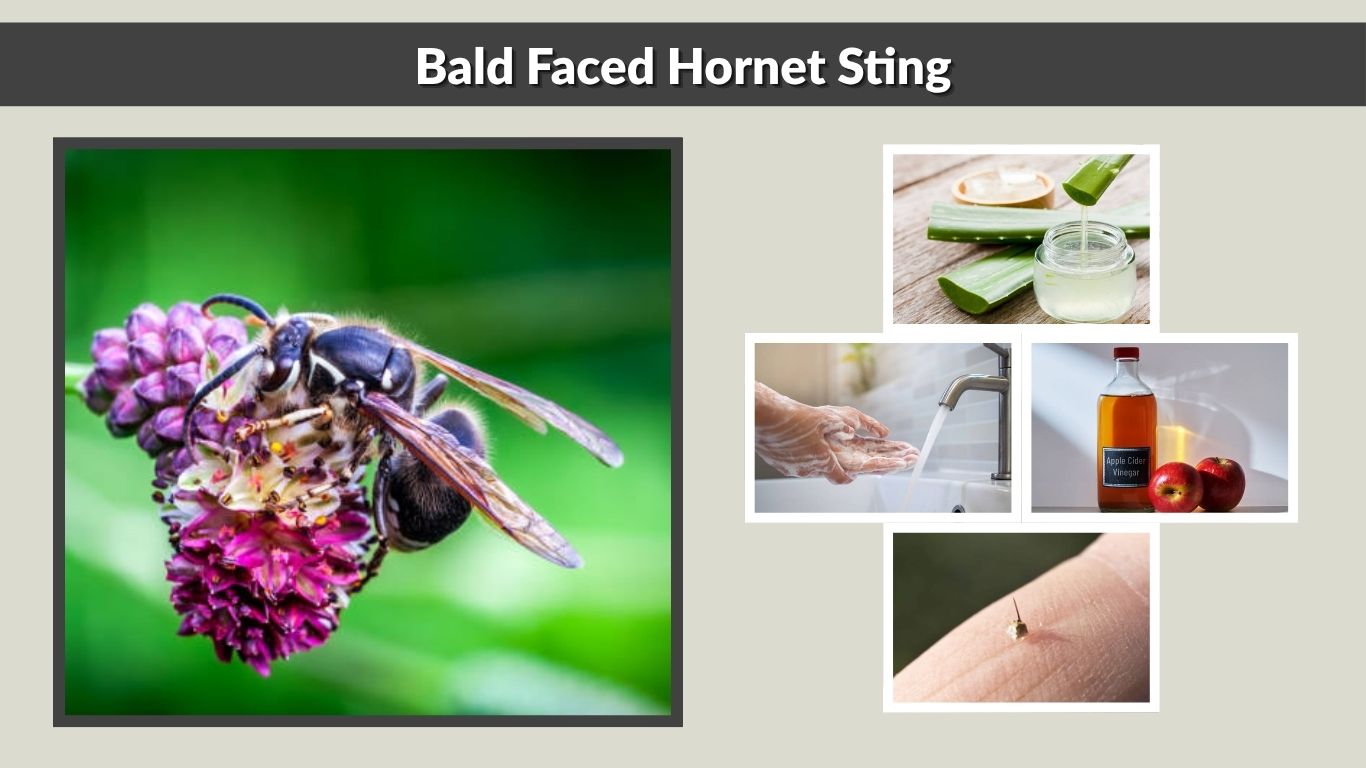
Bald faced hornet stings are known for their intense pain and aggressive nature, often leaving people worried about how serious they can be. These insects can sting multiple times and deliver potent venom that causes swelling, redness, and discomfort. Understanding what happens during a sting, how painful it is, and the right treatment steps can help you respond quickly and safely. This guide explains symptoms, pain levels, treatment options, and important safety tips to manage a bald faced hornet sting effectively.
What Is a Bald Faced Hornet Sting
A bald faced hornet is actually a type of wasp, not a true hornet, and is known for its black body with white markings. When it stings, it injects venom into the skin through a smooth stinger. This venom affects nerve endings immediately, causing sharp pain and triggering the body’s inflammatory response.
Unlike bees, bald faced hornets do not lose their stinger after attacking. This means they can sting multiple times, especially when they feel their nest is threatened. Because of their aggressive behavior and strong venom, their stings are often more painful than many other insect stings.
Do Bald Faced Hornets Sting or Bite
Bald faced hornets primarily sting rather than bite. While they do have jaws that can grip or chew, their main defense mechanism is their stinger. They usually sting when they feel threatened, particularly if someone comes close to their nest.
These insects are highly protective of their colonies and may attack in groups. Sudden movements, loud vibrations, or accidental disturbances near their nest can trigger defensive behavior. Understanding this helps reduce the risk of getting stung in the first place.
How Painful Is a Bald Faced Hornet Sting
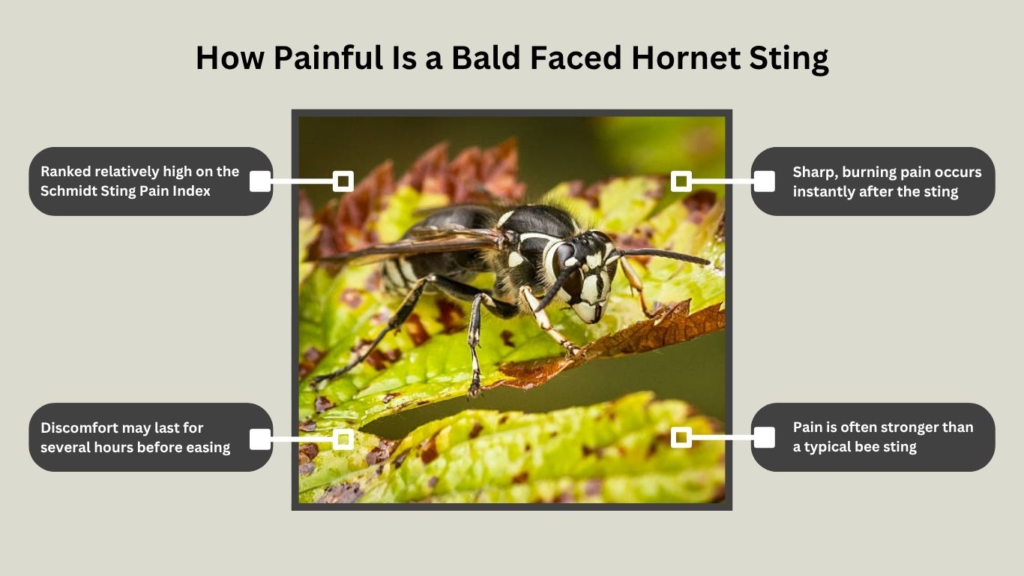
- Sharp, burning pain occurs instantly after the sting
- Pain is often stronger than a typical bee sting
- Ranked relatively high on the Schmidt Sting Pain Index
- Discomfort may last for several hours before easing
The pain from a bald faced hornet sting is often described as intense and throbbing. While the sharp pain usually fades within a few hours, the area may remain sensitive or irritated for a longer period. Individual tolerance and the location of the sting can influence how severe the pain feels.
Bald Faced Hornet Sting Symptoms
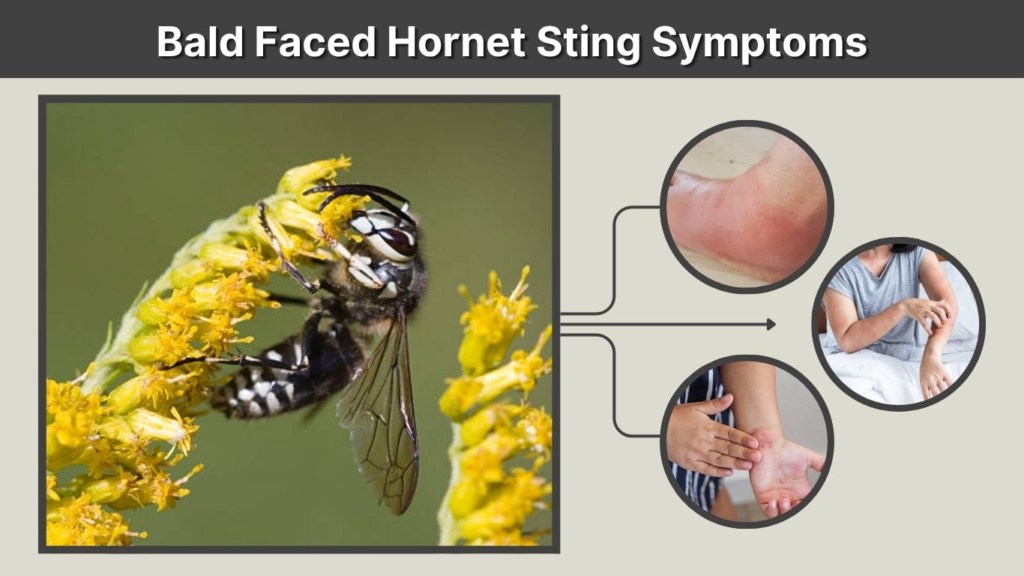
- Redness and noticeable swelling around the sting site
- Burning or throbbing sensation
- Itching as the pain begins to subside
- Mild inflammation lasting one to three days
In most cases, these symptoms are mild and improve on their own. However, swelling may appear larger in certain areas of the body, such as the face or hands, which can feel more uncomfortable. Monitoring symptoms helps ensure that they remain within a normal range.
Bald Faced Hornet Sting Treatment
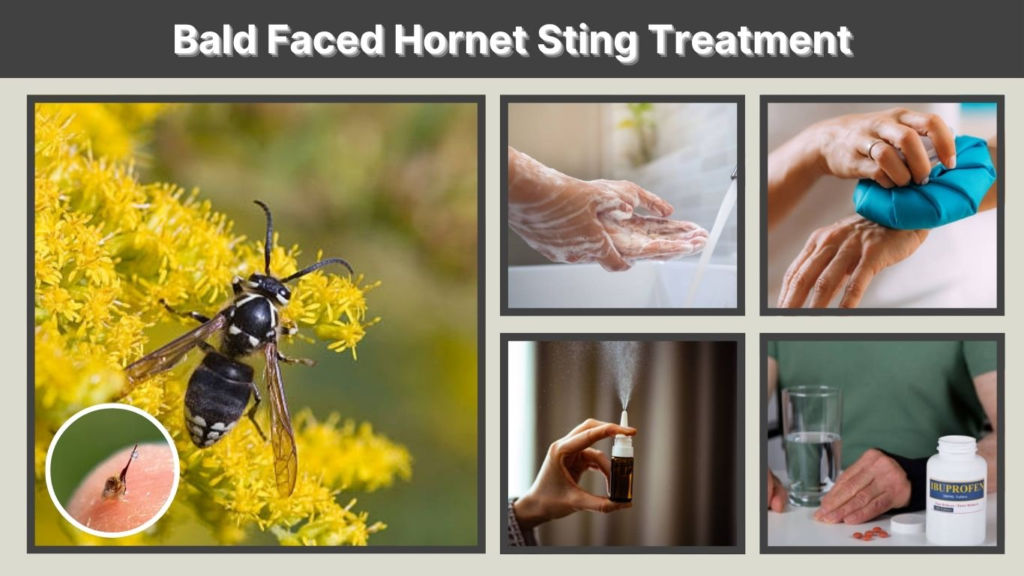
- Move away from the area to avoid additional stings
- Wash the sting site with soap and clean water
- Apply a cold compress for 10–15 minutes
- Take antihistamines to reduce swelling and itching
- Use pain relievers if discomfort is significant
Quick action after a sting can make a big difference in reducing pain and swelling. Reapplying a cold compress several times during the first day can help control inflammation. Keeping the area clean also reduces the risk of infection.
Home Remedies for Bald Faced Hornet Sting
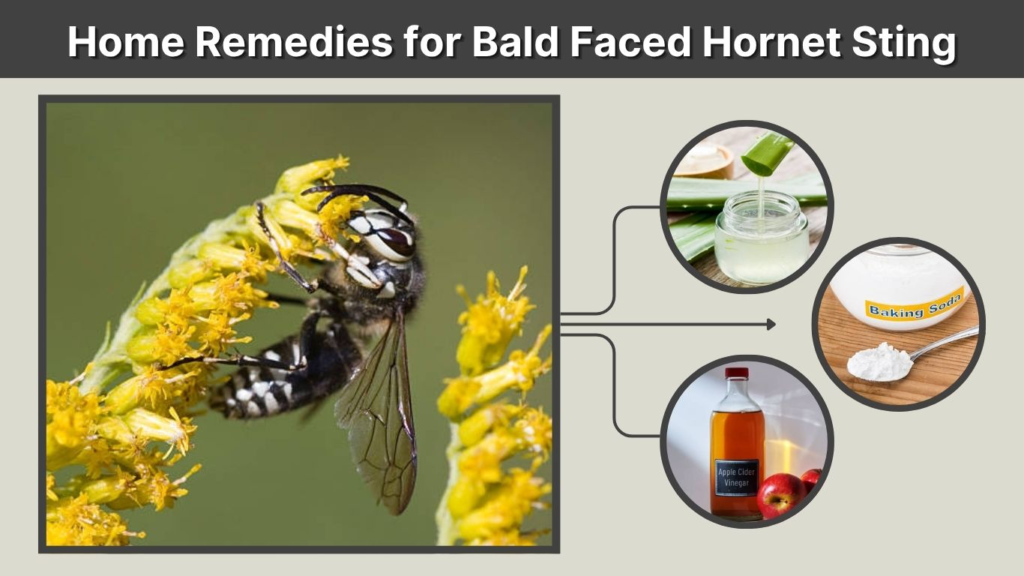
- Aloe vera gel to soothe irritated skin
- Baking soda paste to reduce itching
- Honey for its calming and antibacterial effects
- Apple cider vinegar for mild relief
These remedies are easy to use and can provide additional comfort alongside basic first aid. While they may not replace medical treatments, they are helpful for managing minor symptoms at home.
How Long Does a Bald Faced Hornet Sting Last
The effects of a bald faced hornet sting can vary depending on the individual. In most cases, the initial sharp pain fades within a few hours. Swelling and redness typically last between one and three days, although mild irritation may continue for several days.
Some people may experience slightly longer healing times, especially if the sting occurs on sensitive skin or if there is a stronger reaction. Keeping the area clean and avoiding irritation can help speed up recovery.
Can Bald Faced Hornets Sting More Than Once
- They have a smooth stinger that does not get stuck
- Can sting multiple times in quick succession
- Often attack in groups when defending their nest
- Repeated stings increase pain and risk
Because they do not lose their stinger, bald faced hornets are more dangerous than bees in defensive situations. Multiple stings can quickly lead to stronger reactions, especially if several hornets attack at once.
Are Bald Faced Hornet Stings Dangerous
- Usually mild for most people
- Can be dangerous for allergic individuals
- Risk increases with multiple stings
- May cause severe swelling in sensitive areas
For most people, a single sting is not life-threatening. However, stings near the face, neck, or inside the mouth can be more serious due to swelling. People with known insect sting allergies should always be cautious.
Allergic Reaction to Bald Faced Hornet Sting
Symptoms of Severe Reaction
A severe allergic reaction, known as anaphylaxis, can occur in some individuals. Symptoms may include difficulty breathing, swelling of the throat or face, rapid heartbeat, dizziness, and widespread hives. These symptoms can develop quickly and should never be ignored.
What to Do Immediately
If any severe symptoms appear, seek emergency medical help right away. Call emergency services without delay. If an epinephrine auto-injector is available, it should be used immediately. Keep the person calm and lying down while waiting for medical assistance.
Bald Faced Hornet Sting vs Yellow Jacket
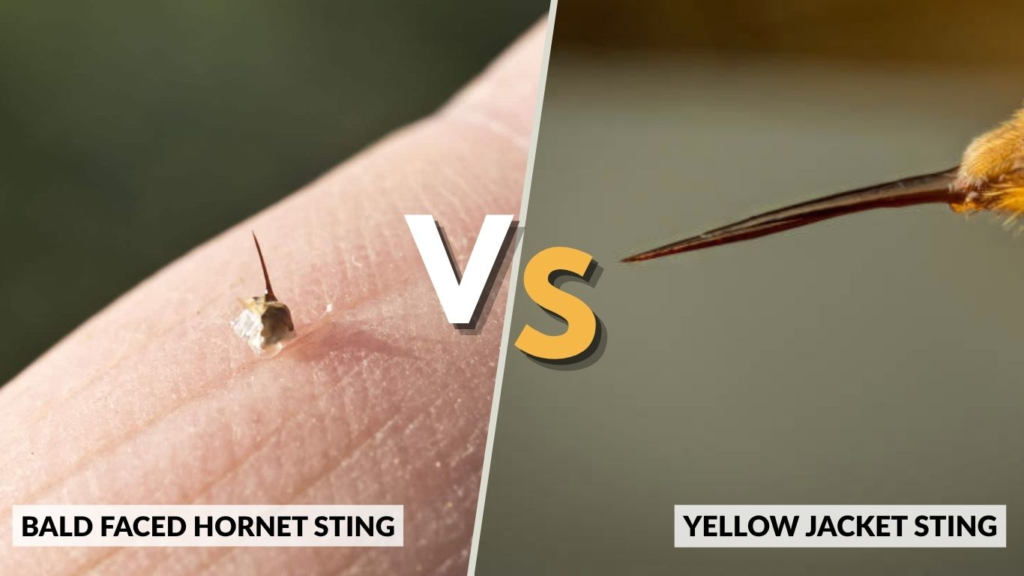
- Bald faced hornet stings are generally more painful
- Yellow jackets are more commonly encountered
- Both species can sting multiple times
- Hornet venom often causes stronger swelling
Although both insects belong to the wasp family, their behavior and sting intensity can differ slightly. Bald faced hornets tend to be more aggressive when their nest is disturbed, leading to more severe encounters.
What Does a Bald Faced Hornet Sting Look Like
A bald faced hornet sting usually appears as a raised red bump with a central puncture point. The surrounding skin may become swollen, warm, and slightly firm to the touch. Over time, the redness can spread slightly, and itching may develop as the area begins to heal.
What Not to Do After a Sting
- Do not scratch the sting area
- Avoid applying heat to the skin
- Do not ignore worsening symptoms
- Avoid tight or restrictive clothing
These precautions help prevent irritation, reduce the risk of infection, and support faster healing.
FAQs
Do bald faced hornets die after stinging?
No, bald faced hornets do not die after stinging because they have a smooth stinger. This allows them to sting multiple times, making them more aggressive compared to bees.
How bad is a bald faced hornet sting?
A bald faced hornet sting is quite painful due to its potent venom. The pain is immediate and intense but usually decreases within a few hours, followed by mild swelling and itching.
What is the fastest way to treat a bald faced hornet sting?
The fastest treatment involves cleaning the area, applying a cold compress, and taking antihistamines to reduce swelling and discomfort effectively.
How many times can a bald faced hornet sting?
A bald faced hornet can sting multiple times without losing its stinger. This makes repeated stings possible, especially when the insect feels threatened.
Can a bald faced hornet sting be dangerous?
Yes, it can be dangerous, particularly for people with allergies or if multiple stings occur. Severe reactions require immediate medical attention.
