
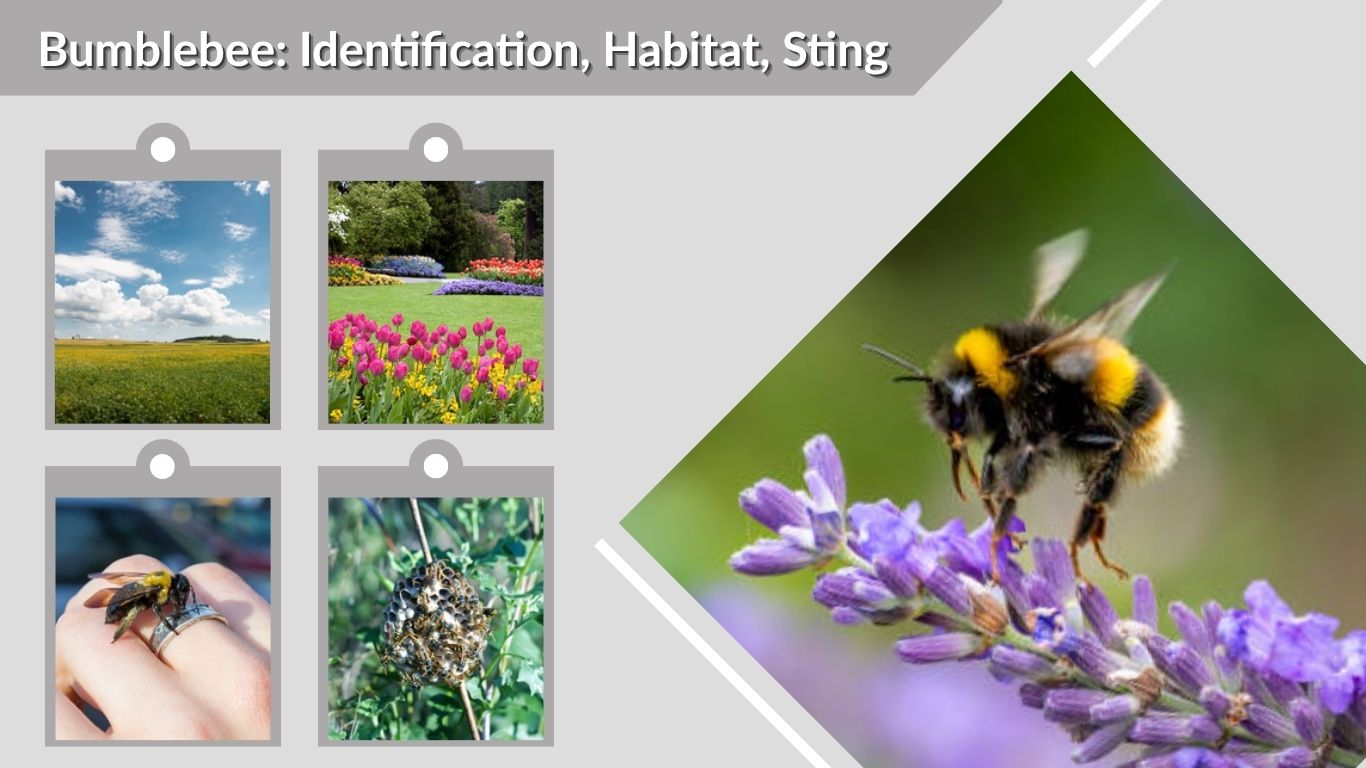
Bumblebees are large, fuzzy insects known for their gentle nature and important role in pollination. Unlike honey bees, they live in smaller colonies and are especially effective at pollinating many types of plants. These hardworking insects are vital for both wild ecosystems and agriculture. In this article, we will explore bumblebee identification, habitat, nest structure, life cycle, and behavior to better understand their importance.
Bumblebee Identification
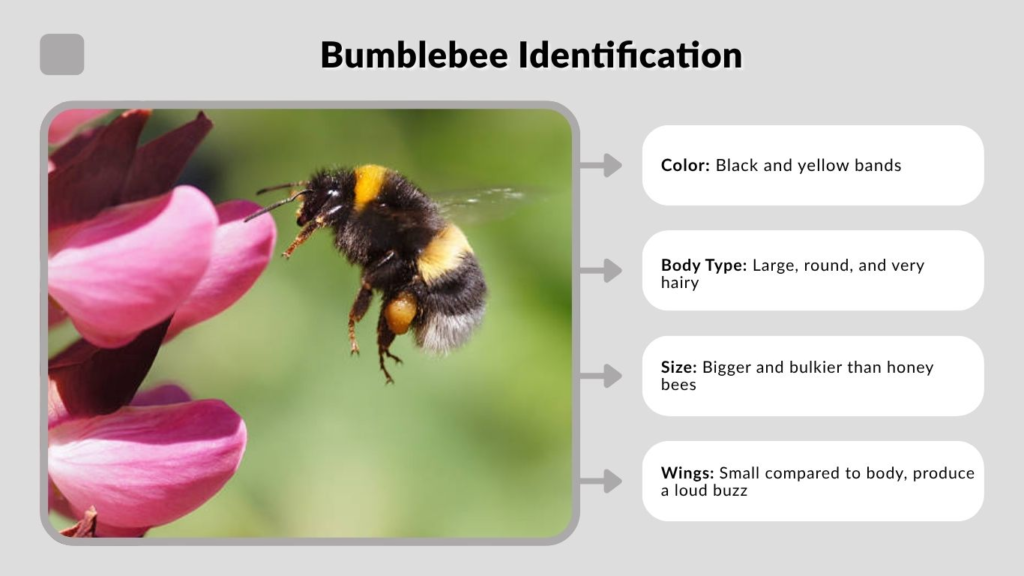
Bumblebees are easy to recognize due to their large, fuzzy appearance and slow, buzzing flight. They are among the most visible pollinators and are often seen moving from flower to flower. Their thick hair and bright coloration not only help with pollen collection but also make them stand out from other insects like honey bees and wasps.
Key Identification Features
- Color: Black and yellow bands (sometimes orange or white)
- Body Type: Large, round, and very hairy
- Size: Bigger and bulkier than honey bees
- Wings: Small compared to body, produce a loud buzz
- Flight: Slow, steady, and close to flowers
Types of Bumblebees
- Queen Bumblebee: Largest in size, starts the colony
- Worker Bumblebee: Smaller females that collect food and maintain the nest
- Drone Bumblebee: Male bees with larger eyes, focused on mating
Quick Identification Tips
- Look for a fluffy, round body
- Notice the loud buzzing sound during flight
- Often found in gardens and flower-rich areas
- Generally calm and non-aggressive
This simple guide helps you quickly identify bumblebees and distinguish them from other similar insects.
Bumblebee Habitat
Natural Habitat
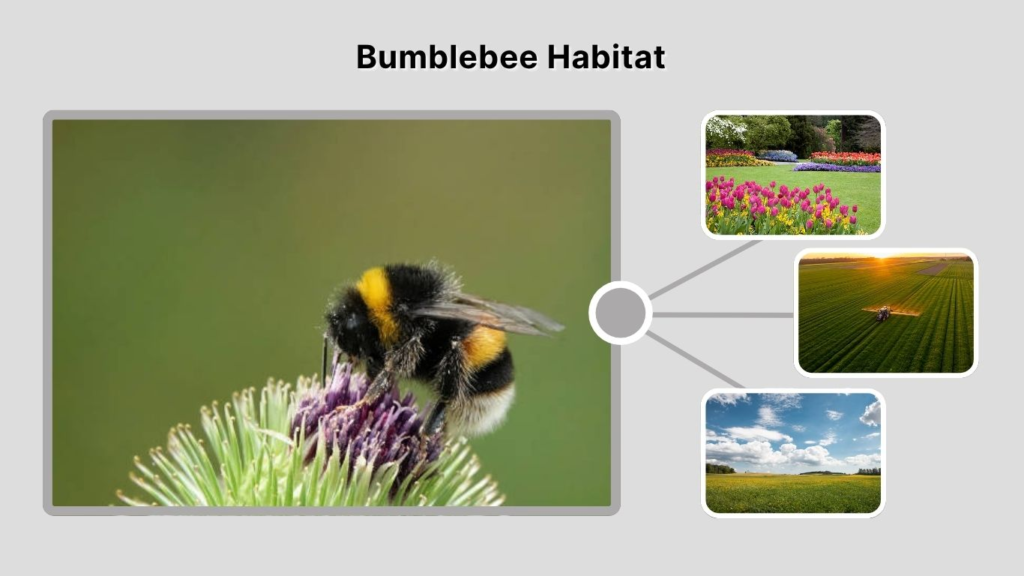
Bumblebees are commonly found in meadows, gardens, farmland, and grasslands. They prefer areas rich in flowering plants, which provide the nectar and pollen they need for survival. Unlike some insects, they can tolerate cooler temperatures, allowing them to thrive in a wide range of environments.
Nesting Preferences
Bumblebees prefer nesting in sheltered and hidden locations. Common nesting sites include:
- Underground burrows (often abandoned rodent holes)
- Thick grass or leaf piles
- Cavities in walls or structures
Environmental Needs
For a colony to survive, bumblebees require:
- A steady supply of nectar and pollen
- Safe nesting areas protected from predators
- Suitable temperature conditions
- Access to water
These needs make them sensitive to habitat loss and environmental changes.
Bumblebee Nest

What Is a Bumblebee Nest?
A bumblebee nest is a small, seasonal colony where bees live, reproduce, and store food. Unlike honey bee hives, bumblebee nests are relatively small, typically containing only a few dozen to a few hundred bees.
Nest Structure
The structure of a bumblebee nest is less organized than that of honey bees. Instead of perfectly shaped honeycombs, bumblebees build irregular wax cells. These cells are used for:
- Storing nectar and pollen
- Raising young bees
- Protecting the developing larvae
Nest Locations
Bumblebee nests are usually hidden and difficult to spot. They are most commonly found underground or in sheltered areas. This hidden lifestyle helps protect the colony from predators and harsh weather.
Bumblebee Life Cycle
Life Cycle Stages
Bumblebees go through complete metamorphosis, which includes four stages:
- Egg: The queen lays eggs in the nest
- Larva: The eggs hatch into larvae that are fed by the queen or workers
- Pupa: The larvae develop inside protective cells
- Adult: Fully formed bees emerge and begin their roles
Colony Development
The life cycle of a bumblebee colony begins with a single queen. After emerging from hibernation, she searches for a suitable nesting site. She lays eggs and cares for the first batch of larvae herself. Once these larvae develop into worker bees, they take over tasks such as foraging and nest maintenance.
Seasonal Life Cycle
Bumblebee colonies are seasonal. By the end of the season:
- New queens are produced
- The old queen, workers, and drones die
- Only the new queens survive by hibernating through winter
Bumblebee Queen
Role of the Queen
The queen bumblebee plays the most important role in the colony. She is responsible for laying eggs and ensuring the survival of the colony. At the beginning of the season, she works alone to build the nest and care for the first generation of bees.
Queen Behavior
The queen actively searches for a nesting site after emerging from hibernation. She collects nectar and pollen to feed her larvae until worker bees are ready to take over. Once the colony is established, her primary role becomes reproduction.
Bumblebee Drone
Role of Drones
Drone bumblebees are male bees whose main purpose is to mate with new queens. They do not participate in foraging or nest maintenance.
Behavior of Drones
Drones spend most of their time flying outside the nest, searching for queens to mate with. After mating, they typically die, making their lifespan relatively short.
Bumblebee Lifespan
Lifespan by Type
The lifespan of bumblebees varies depending on their role in the colony:
- Queen Bumblebee: Can live up to one year, surviving through winter by hibernating
- Worker Bumblebees: Typically live for a few weeks during active seasons
- Drone Bumblebees: Short-lived, usually die shortly after mating
Factors Affecting Lifespan
Several factors influence how long bumblebees live:
- Availability of food (nectar and pollen)
- Weather conditions and climate
- Exposure to pesticides and pollutants
- Predators and environmental threats
Bumblebee Sting
Do Bumblebees Sting?
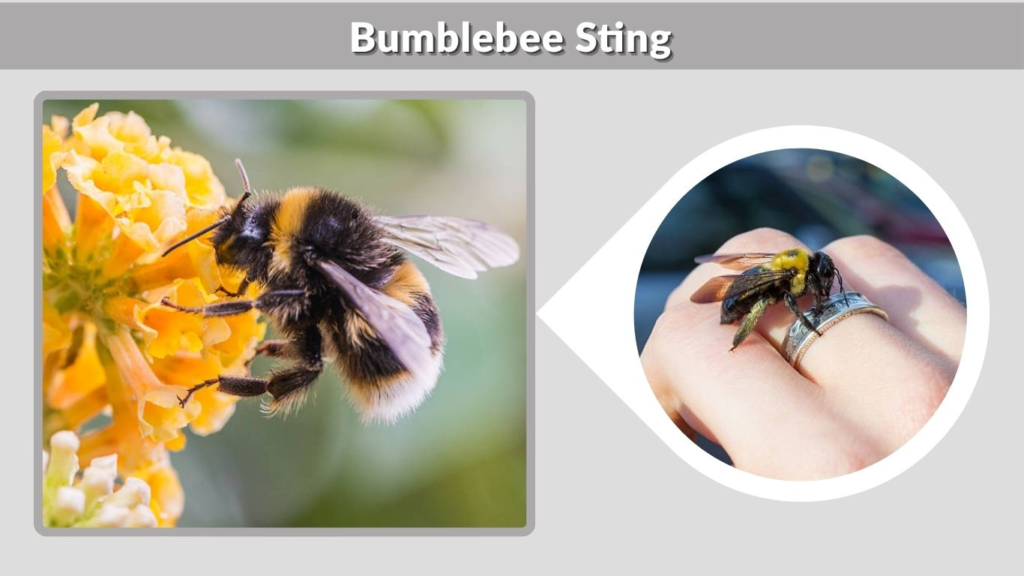
Yes, bumblebees can sting, but they are generally gentle and rarely attack humans. They usually sting only when they feel threatened or when their nest is disturbed.
Sting Characteristics
Unlike honey bees, bumblebees have a smooth stinger, which means they can sting multiple times without dying. However, they rarely use this ability unless necessary.
Symptoms and Treatment
A bumblebee sting may cause:
- Mild to moderate pain
- Redness and swelling
- Itching or irritation
Treatment includes:
- Cleaning the affected area
- Applying a cold compress
- Using antihistamines or soothing creams
Medical attention is needed if there are signs of an allergic reaction.
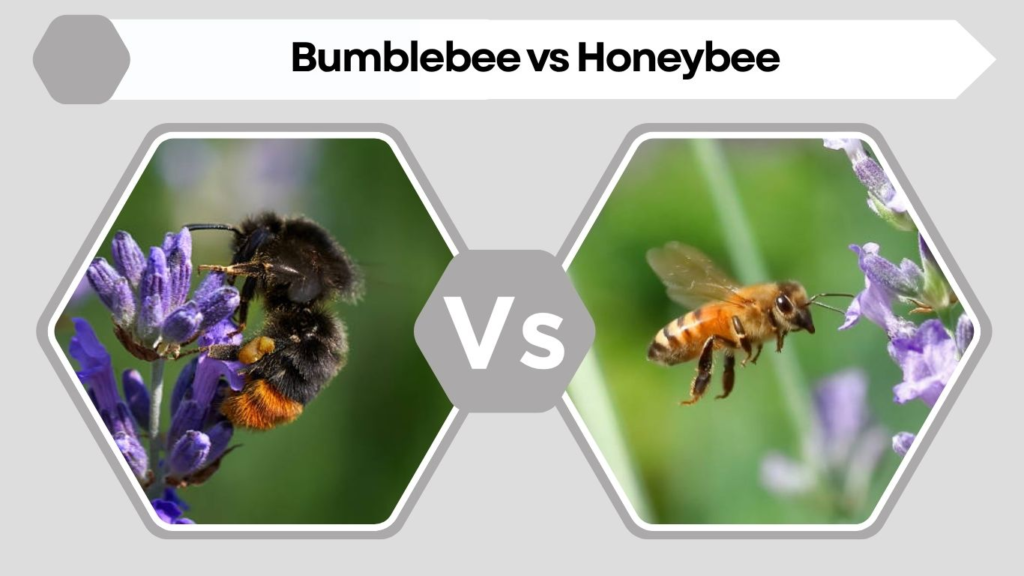
Bumblebee vs Honeybee
Physical Differences
- Bumblebees: Larger, rounder, and very fuzzy
- Honeybees: Smaller, slimmer, and less hairy
Behavior Differences
- Bumblebees are generally more solitary and less aggressive
- Honeybees live in large colonies and are more structured in behavior
Nest and Honey Production
- Bumblebees produce only small amounts of honey for their colony
- Honeybees produce large quantities of honey for storage and human use
Interesting Bumblebee Facts
- Bumblebees perform buzz pollination, vibrating flowers to release pollen
- They can fly in cooler temperatures compared to many other bees
- Their colonies are much smaller than honey bee hives
- Bumblebees are essential for pollinating crops like tomatoes and berries
- They have excellent navigation skills and can remember flower locations
Importance of Bumblebees
Bumblebees play a crucial role in pollination, helping many plants reproduce. They are especially important for crops that require specific pollination techniques. Without bumblebees, the production of certain fruits and vegetables would decrease significantly.
However, their populations are declining due to habitat loss, pesticide use, and climate change. Protecting bumblebees is essential for maintaining biodiversity and ensuring food security. Planting flowers and reducing chemical use are simple ways to support their survival.
FAQs
Do bumblebees sting more than honey bees?
No, bumblebees are generally less likely to sting than honey bees. They are calm insects and only sting when threatened.
Where do bumblebees live?
Bumblebees live in meadows, gardens, grasslands, and other areas with plenty of flowers. They usually build nests underground or in sheltered places.
How long do bumblebees live?
The lifespan depends on their role. Queens can live up to a year, while workers and drones typically live for a few weeks.
Are bumblebees aggressive?
No, bumblebees are not aggressive. They are gentle and focused on collecting nectar and pollen.
What is the role of a bumblebee queen?
The queen is responsible for laying eggs and starting the colony. She ensures the survival and growth of the entire group.
Conclusion
Bumblebees are fascinating and essential insects that contribute greatly to pollination and ecosystem health. From their unique life cycle and nesting habits to their gentle behavior, they play a vital role in supporting plant life and agriculture. Although they can sting, they are generally harmless and avoid conflict. Protecting bumblebees by preserving habitats and reducing pesticide use is crucial for maintaining biodiversity and ensuring a sustainable future.
