

Leaf insects are among the most perfectly camouflaged insects on Earth. Their flat bodies, vein-like markings, and uneven edges allow them to look almost exactly like real leaves, helping them avoid predators in tropical forests. These fascinating insects are mainly found in Southeast Asia and nearby regions, where they live quietly among dense vegetation and feed on plant leaves. In this guide, we explore 20 different types of leaf insects, highlighting their unique forms, natural habitats, and life cycles.
1. Giant Leaf Insect (Phyllium giganteum)

The giant leaf insect is one of the largest and most spectacular leaf insects in the world. It is famous for its incredible leaf-like appearance, with a wide, flat body, vein-like markings, and irregular edges that closely resemble a real leaf. This extreme camouflage protects it from predators such as birds and reptiles. Giant leaf insects are slow-moving, harmless, and mostly active at night, spending the day resting motionless among foliage.
Habitat
Giant leaf insects are native to the tropical rainforests of Malaysia and surrounding Southeast Asian regions. They live high in shrubs and trees where broad leaves are abundant. These insects prefer warm temperatures, high humidity, and dense vegetation that allows them to remain hidden among real leaves.
Egg
The eggs are relatively large, oval, and brown, resembling plant seeds. Females drop their eggs to the forest floor rather than attaching them to leaves. The eggs have a hard shell and may take four to eight months to hatch, depending on environmental conditions such as warmth and humidity.
Diet
Giant leaf insects are strict herbivores. They mainly feed on leaves of guava, mango, oak, rose, and bramble. Feeding usually occurs at night. During the day, they remain still, blending in with surrounding leaves to avoid detection.
Life Cycle
The life cycle consists of egg, nymph, and adult stages. When eggs hatch, the young nymphs are small, brown, and resemble ants, which helps protect them from predators. As they grow, they molt several times, gradually becoming greener and more leaf-like. It may take six to nine months for them to reach full adult size.
2. Australian Leaf Insect (Phyllium bioculatum)

The Australian leaf insect is a beautiful, flat-bodied species well known for its realistic leaf shape and vein-like patterns. Females are broad and strongly resemble fresh green leaves, while males are slimmer and winged. This species relies heavily on camouflage, remaining almost completely motionless during the day to avoid predators.
Habitat
Australian leaf insects live in warm forested areas and coastal vegetation of Australia and nearby regions. They are usually found on shrubs and small trees where broad leaves are common. They prefer warm temperatures and moderate to high humidity.
Egg
The eggs are oval, brown, and seed-like, with a hard outer shell. Females drop them to the ground. Incubation often takes 4–6 months before the tiny nymphs hatch.
Diet
They feed mainly on leaves such as bramble, rose, guava, oak, and eucalyptus. Feeding takes place mostly at night.
Life Cycle
After hatching, the ant-like nymphs molt several times as they grow. Over months, they gradually develop their leaf-like shape and green color. They usually reach adulthood in about six months.
3. Malaysian Leaf Insect (Phyllium giganteum)

The Malaysian leaf insect is closely related to the giant leaf insect and is famous for its large size and detailed leaf-like appearance. Its wide body, uneven edges, and vein patterns make it almost indistinguishable from a real leaf.
Habitat
This species inhabits tropical rainforests of Malaysia, living among dense foliage in warm, humid conditions.
Egg
The eggs are large, oval, and brown, resembling seeds. Females drop them to the forest floor, where they may take several months to hatch.
Diet
Malaysian leaf insects feed on leaves such as guava, mango, rose, and bramble.
Life Cycle
The life cycle includes egg, nymph, and adult stages. Nymphs hatch small and brown, then molt repeatedly, turning greener and broader with each stage until adulthood.
4. Indian Leaf Insect (Phyllium siccifolium)

The Indian leaf insect is one of the most widespread and well-known leaf insect species. It has a broad, flat body shaped almost exactly like a leaf, complete with vein-like markings and slightly torn-looking edges. This remarkable camouflage allows it to remain hidden in plain sight among foliage.
Habitat
Indian leaf insects are native to South and Southeast Asia. They live in tropical forests, forest edges, and dense shrubs where leafy plants are abundant. They prefer warm, humid environments.
Egg
The eggs are oval, brown, and resemble small seeds. Females drop them to the ground, where they may take three to six months to hatch.
Diet
They feed mainly on guava, mango, rose, bramble, and oak leaves. Feeding usually occurs at night.
Life Cycle
Nymphs hatch looking like tiny, reddish-brown ants. They molt several times over many months, gradually becoming greener and broader until reaching adult size.
5. Philippine Leaf Insect (Phyllium philippinicum)
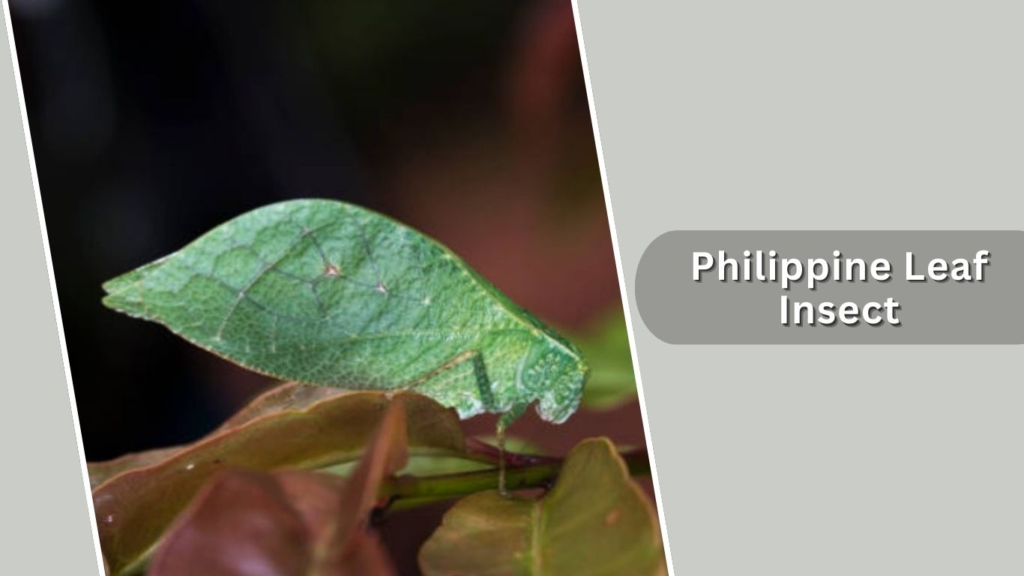
The Philippine leaf insect is known for its extremely wide, leaf-like body and soft green color. Females in particular look almost identical to fresh leaves, making them difficult to spot even at close range.
Habitat
This species is native to the Philippines, where it lives in tropical forests and dense vegetation.
Egg
The eggs are large, oval, and brown, with a hard shell. They are dropped to the ground and may take several months to hatch.
Diet
Philippine leaf insects feed on leaves such as guava, rose, bramble, and mango.
Life Cycle
The life cycle includes egg, nymph, and adult. Nymphs molt repeatedly over several months, becoming larger and more leaf-like with each stage until maturity.
6. Pink Leaf Insect (Phyllium pinkeri)
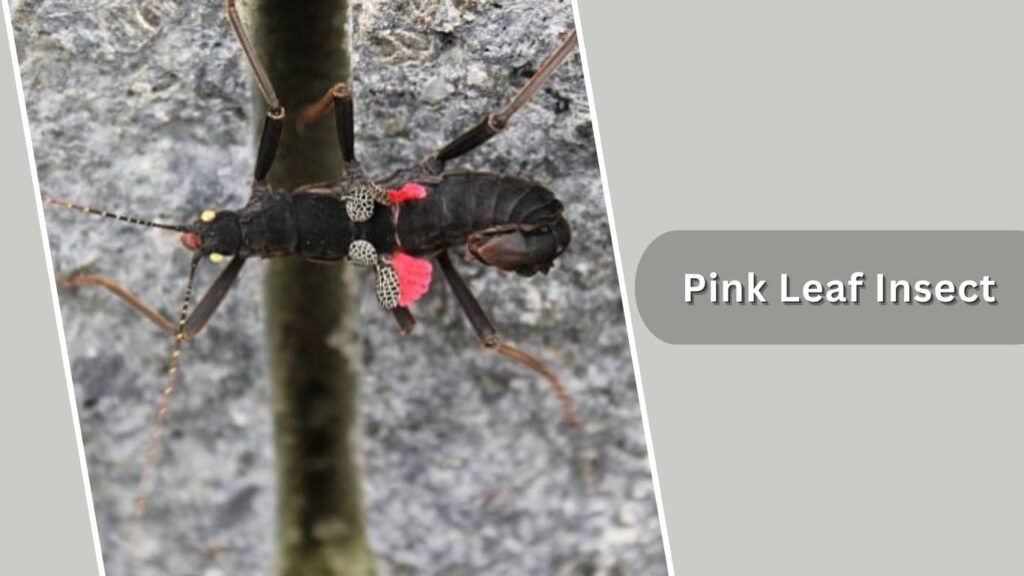
The pink leaf insect is a rare and visually striking species known for its unusual pinkish tones, especially visible in some females and nymphs. Like other leaf insects, it relies on perfect leaf mimicry to avoid predators, staying almost motionless among foliage.
Habitat
This species is native to parts of Southeast Asia. It lives in tropical forests with dense vegetation and warm, humid conditions.
Egg
The eggs are oval, brown, and seed-like, with a hard outer shell. Females drop them to the forest floor. Hatching may take four to seven months.
Diet
Pink leaf insects feed on guava, rose, bramble, and mango leaves.
Life Cycle
After hatching, ant-like nymphs molt several times over months, gradually becoming broader and developing their distinctive coloration before reaching adulthood.
7. Spiny Leaf Insect (Extatosoma tiaratum)
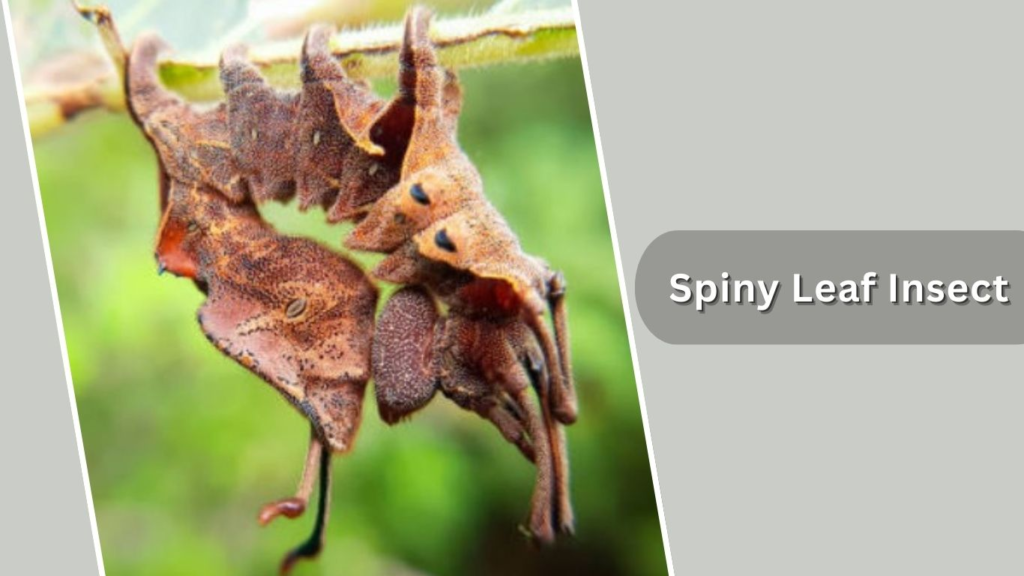
The spiny leaf insect is famous for its leaf-like body with thorny projections and curled abdomen. Although more closely related to stick insects, it strongly resembles dried or damaged leaves. It is widely studied and kept by insect enthusiasts.
Habitat
Native to Australia, spiny leaf insects live in eucalyptus forests, shrubs, and bushland.
Egg
Their eggs are large, hard, and seed-like. Females drop them to the ground, where ants often carry them away, helping protect them until hatching.
Diet
They mainly feed on eucalyptus leaves but also eat bramble, rose, and oak.
Life Cycle
Nymphs hatch resembling ants, then molt repeatedly over several months, gradually taking on their leaf-like adult appearance.
8. Ghost Leaf Insect (Phyllium hausleithneri)
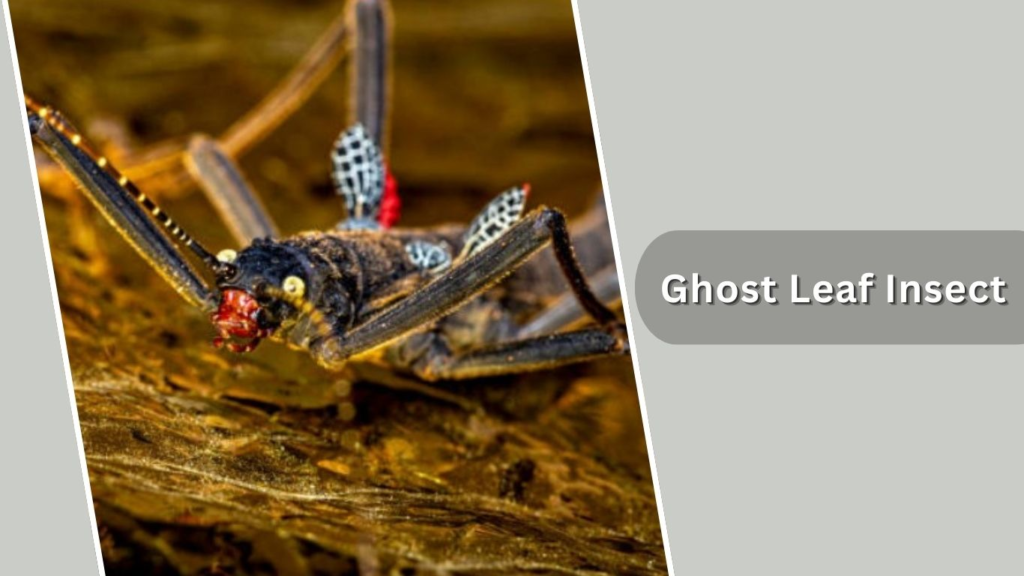
The ghost leaf insect is named for its pale coloration and delicate, almost translucent leaf-like body. It is one of the more unusual leaf insects, relying on subtle colors and thin body edges to imitate aging or partially dried leaves.
Habitat
This species is native to parts of Southeast Asia. It inhabits tropical forests and dense shrubs where humidity is high and foliage is thick.
Egg
The eggs are oval, brown, and resemble small plant seeds. Females drop them to the forest floor. Incubation may last several months.
Diet
Ghost leaf insects feed on guava, rose, bramble, and other tropical leaves.
Life Cycle
The life cycle includes egg, nymph, and adult stages. Nymphs hatch small and dark, then molt repeatedly, becoming paler and more leaf-like over time.
9. Prickly Leaf Insect (Pulchriphyllium crurifolium)
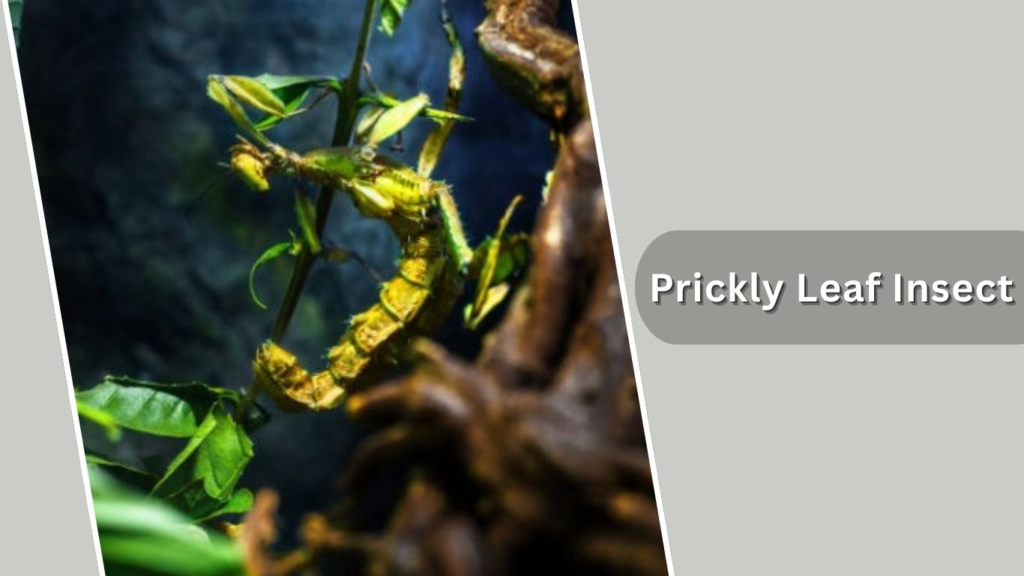
The prickly leaf insect is notable for the small spines and rough textures along its leaf-like body, which make it resemble a damaged or insect-eaten leaf.
Habitat
This species lives in tropical forests of Southeast Asia, especially in Indonesia and nearby regions.
Egg
The eggs are hard, oval, and seed-like. Females drop them to the ground, where they may take several months to hatch.
Diet
Prickly leaf insects feed on guava, mango, rose, and bramble leaves.
Life Cycle
Nymphs hatch ant-like and grow through repeated molts over many months until reaching adult size.
10. Large Walking Leaf Insect (Phyllium mabantai)
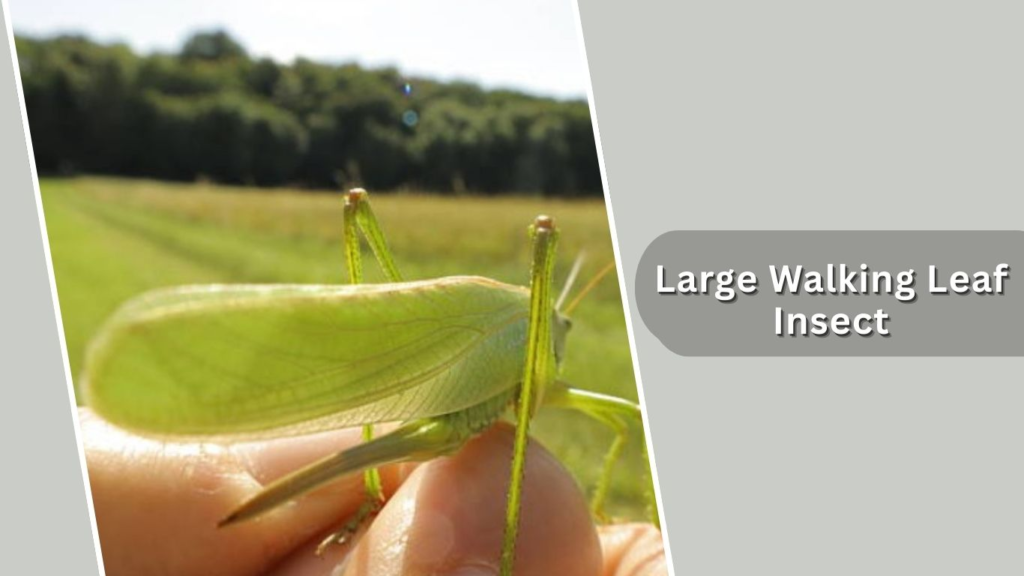
The large walking leaf insect is known for its wide, flat body and slow, swaying movement that closely imitates a leaf in the wind. Its irregular body edges and vein-like patterns make it extremely difficult to distinguish from real leaves.
Habitat
This species is native to Southeast Asia, where it lives in warm tropical forests among shrubs and trees.
Egg
The eggs are oval, brown, and seed-like. Females drop them to the forest floor, where they incubate for several months.
Diet
Large walking leaf insects feed on leaves such as guava, bramble, mango, and rose.
Life Cycle
The life cycle includes egg, nymph, and adult stages. Nymphs molt several times over many months, gradually developing full leaf-like form.
11. Borneo Leaf Insect (Phyllium westwoodii)
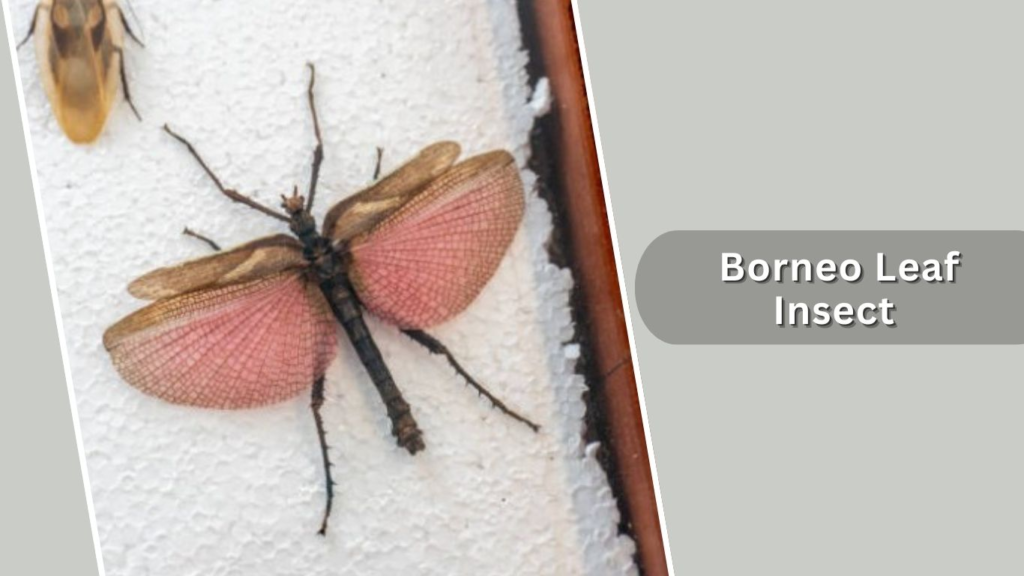
The Borneo leaf insect is a striking species with a very broad body and deep green coloration. It is well adapted to mimic large tropical leaves.
Habitat
It is native to Borneo’s tropical rainforests, living in dense vegetation and shrubs.
Egg
The eggs are relatively large, oval, and brown. Females drop them to the ground. Hatching may take four to eight months.
Diet
Borneo leaf insects feed mainly on guava, rose, bramble, and mango leaves.
Life Cycle
Nymphs hatch ant-like and molt repeatedly over months before becoming large, flat adults.
12. Javan Leaf Insect (Phyllium jacobsoni)
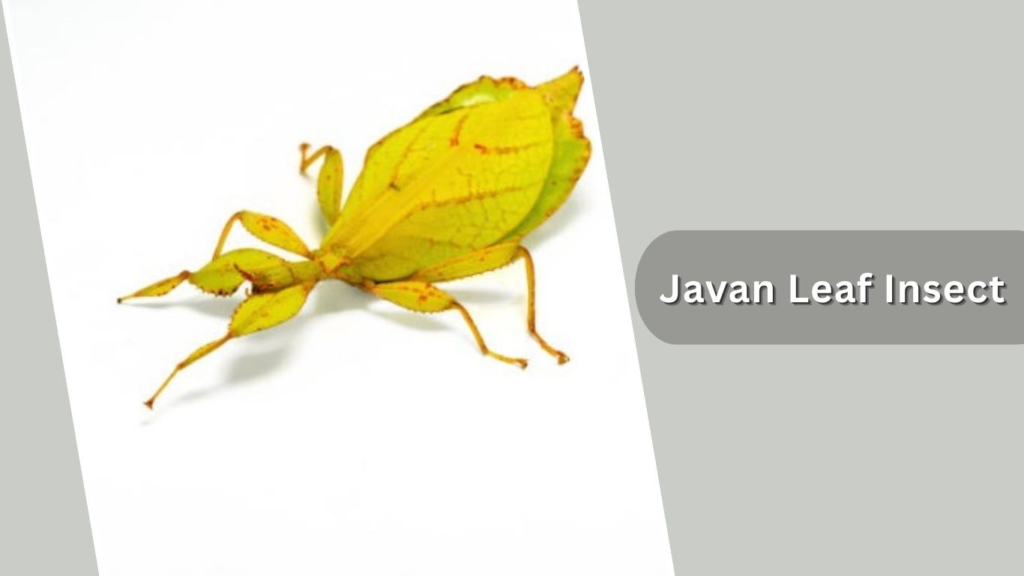
The Javan leaf insect is a beautifully camouflaged species with a smooth, wide body and soft green coloration. It blends perfectly among tropical leaves and often remains completely still for long periods.
Habitat
This species is native to the Indonesian island of Java. It lives in tropical forests and dense shrubs with warm temperatures and high humidity.
Egg
The eggs are oval, brown, and seed-like. Females drop them to the forest floor, where they may take several months to hatch.
Diet
Javan leaf insects feed on guava, mango, rose, and bramble leaves.
Life Cycle
Nymphs hatch as tiny, brown forms and molt many times over several months, gradually becoming greener and broader until adulthood.
13. Chinese Leaf Insect (Phyllium chinense)
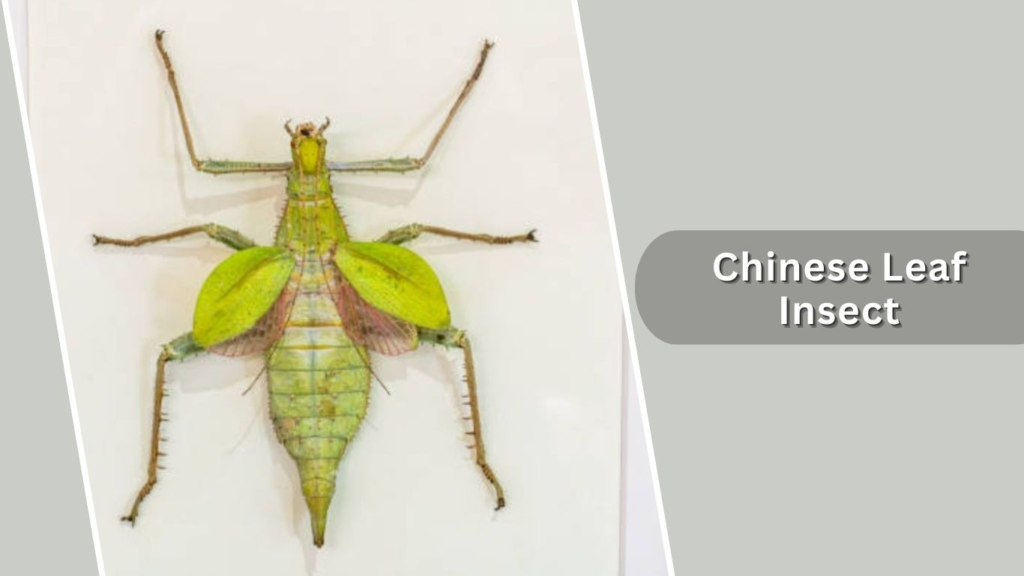
The Chinese leaf insect is known for its elegant shape and strong resemblance to fresh leaves. Females are especially wide and leaf-like, while males are slimmer and winged.
Habitat
Native to parts of southern China, this species inhabits warm forests and vegetated hillsides.
Egg
The eggs are oval, brown, and hard-shelled. They are dropped to the ground and may take four to six months to hatch.
Diet
Chinese leaf insects feed on guava, rose, oak, and bramble leaves.
Life Cycle
The life cycle consists of egg, nymph, and adult. Nymphs molt repeatedly, growing larger and more leaf-like with each stage.
14. Vietnamese Leaf Insect (Phyllium parthenopatrium)
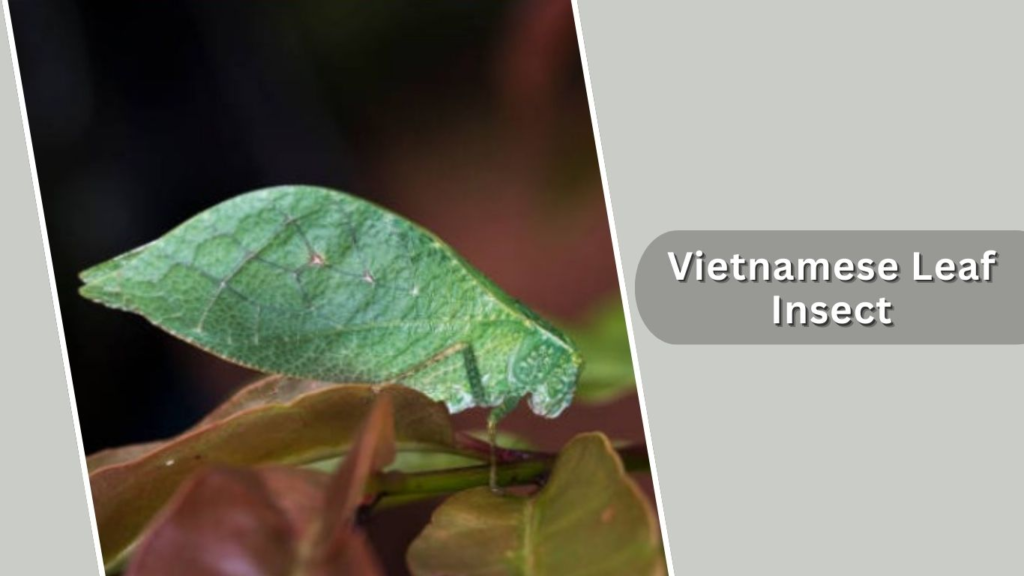
The Vietnamese leaf insect is a rare and recently described species, famous for its extremely realistic leaf shape and soft green coloration. Females are broad and flat like fresh leaves, while males are slimmer and winged. This species is especially valued for its perfect camouflage.
Habitat
It is native to Vietnam, where it lives in tropical forests and dense shrubs with warm, humid conditions.
Egg
The eggs are oval, brown, and seed-like, with a hard outer shell. Females drop them to the forest floor, where they may take several months to hatch.
Diet
Vietnamese leaf insects feed mainly on guava, rose, bramble, and mango leaves.
Life Cycle
The life cycle includes egg, nymph, and adult stages. Nymphs hatch as tiny brown forms, molt many times, and gradually develop into wide, green, leaf-shaped adults.
15. New Guinea Leaf Insect (Phyllium caudatum)
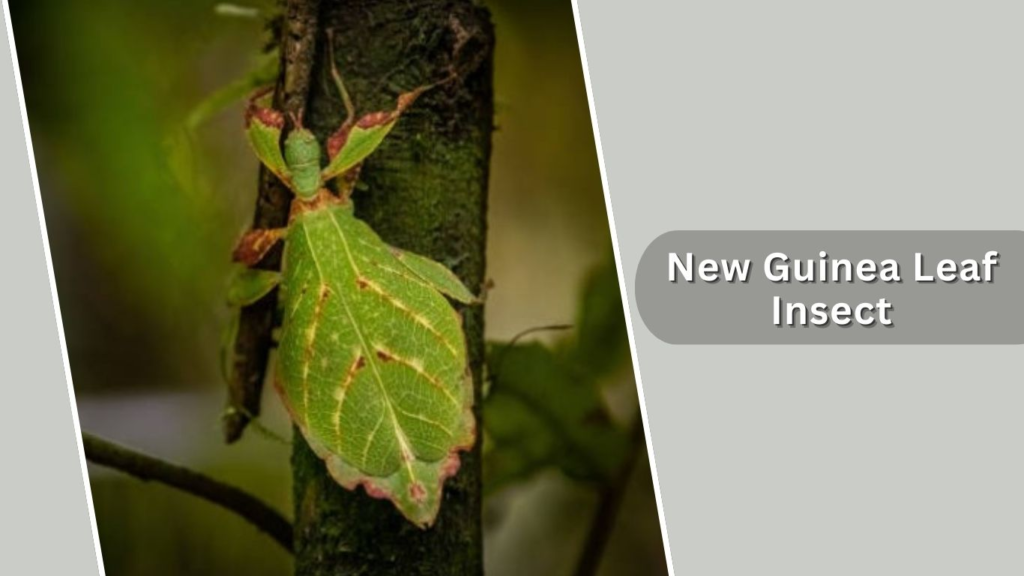
The New Guinea leaf insect is known for its broad body and long, leaf-like extensions along the legs. These features make it resemble a damaged or insect-eaten leaf, enhancing its camouflage.
Habitat
This species is native to New Guinea and nearby islands. It lives in tropical rainforests, shrubs, and forest edges.
Egg
The eggs are fairly large, oval, and brown. Females drop them into leaf litter, where they incubate for several months.
Diet
New Guinea leaf insects feed on guava, bramble, rose, and mango leaves.
Life Cycle
Nymphs hatch ant-like and grow through repeated molts over many months before reaching adult size.
16. Sumatran Leaf Insect (Phyllium ericoriai)
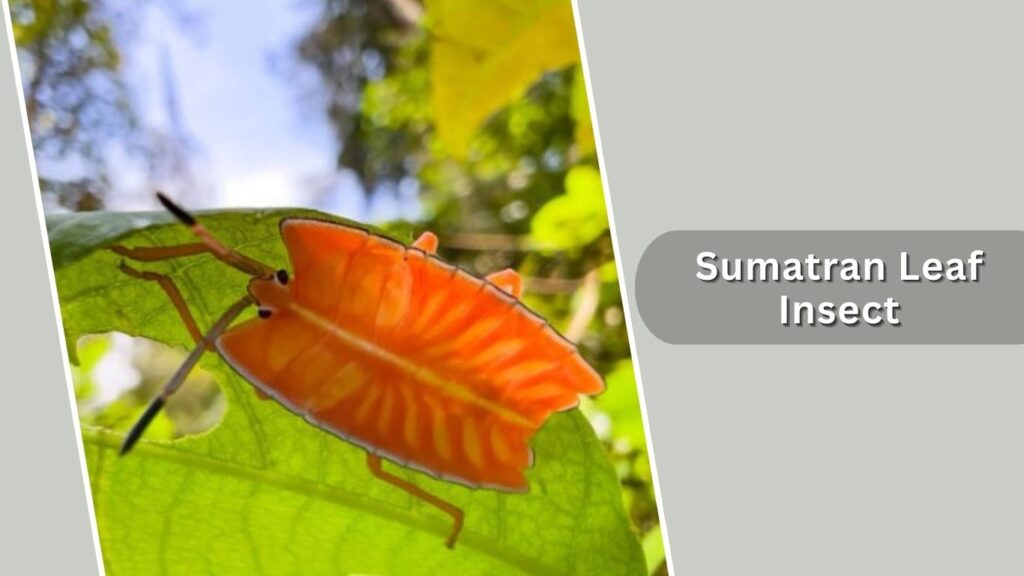
The Sumatran leaf insect is a striking species with a wide, soft-green body and strong vein-like markings. It is one of the impressive leaf insects native to Indonesia.
Habitat
It lives in the tropical rainforests of Sumatra, among dense vegetation and shrubs.
Egg
The eggs are oval, brown, and seed-like. Females drop them to the forest floor. Hatching often takes four to eight months.
Diet
Sumatran leaf insects feed mainly on guava, mango, rose, and bramble leaves.
Life Cycle
The life cycle includes egg, nymph, and adult. Nymphs molt repeatedly, slowly becoming broader and more leaf-like with each stage.
17. Sri Lankan Leaf Insect (Phyllium rubrum)
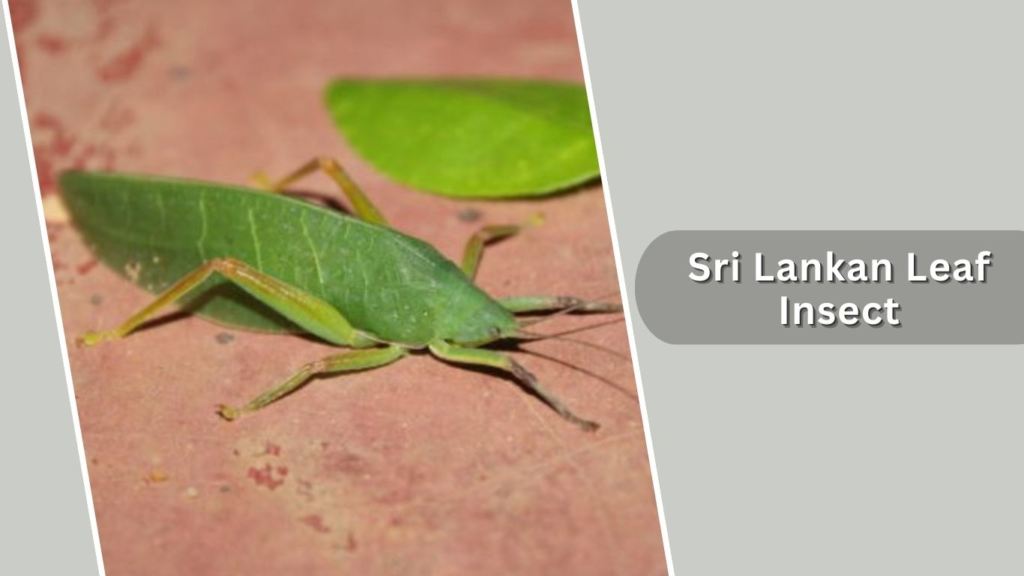
The Sri Lankan leaf insect is known for its beautiful leaf shape and subtle reddish or brownish tones, especially visible in some individuals.
Habitat
It is native to Sri Lanka, where it lives in tropical forests and vegetated lowlands.
Egg
The eggs are small, oval, and brown. Females drop them to the ground, where they incubate for several months.
Diet
Sri Lankan leaf insects feed on guava, bramble, rose, and tropical plant leaves.
Life Cycle
Nymphs hatch as tiny brown insects and molt many times over several months before reaching full adult form.
18. Green Leaf Insect (Phyllium letiranti)
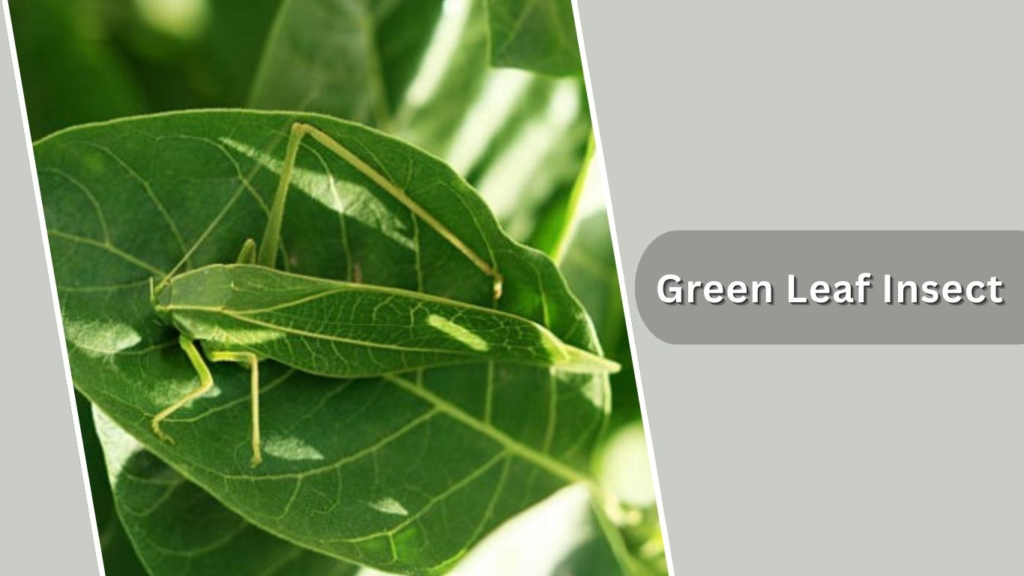
The green leaf insect is named for its bright green color and smooth leaf-like body, making it almost impossible to detect among fresh foliage.
Habitat
This species is found in Southeast Asian tropical forests, living among shrubs and small trees.
Egg
The eggs are oval, brown, and seed-like. Females drop them to the forest floor. Hatching may take several months.
Diet
Green leaf insects feed on guava, mango, rose, and bramble leaves.
Life Cycle
The life cycle consists of egg, nymph, and adult stages. Nymphs molt repeatedly before reaching maturity.
19. Broad Leaf Insect (Pulchriphyllium giganteum)
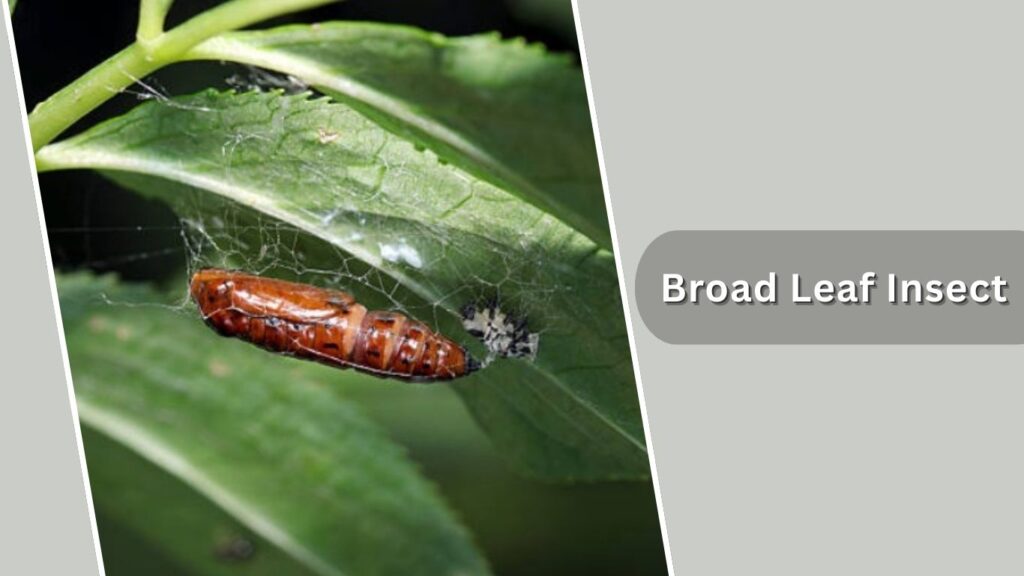
The broad leaf insect is famous for its extremely wide body and deep leaf lobes, which make it look like a large tropical leaf.
Habitat
It is native to Southeast Asia, living in warm, humid rainforests.
Egg
The eggs are fairly large, brown, and hard-shelled. Females drop them into leaf litter, where they incubate for several months.
Diet
Broad leaf insects feed on guava, rose, bramble, and mango leaves.
Life Cycle
Nymphs hatch ant-like and develop through repeated molts over many months until adulthood.
20. Camouflaged Leaf Insect (Phyllium camouflagea)
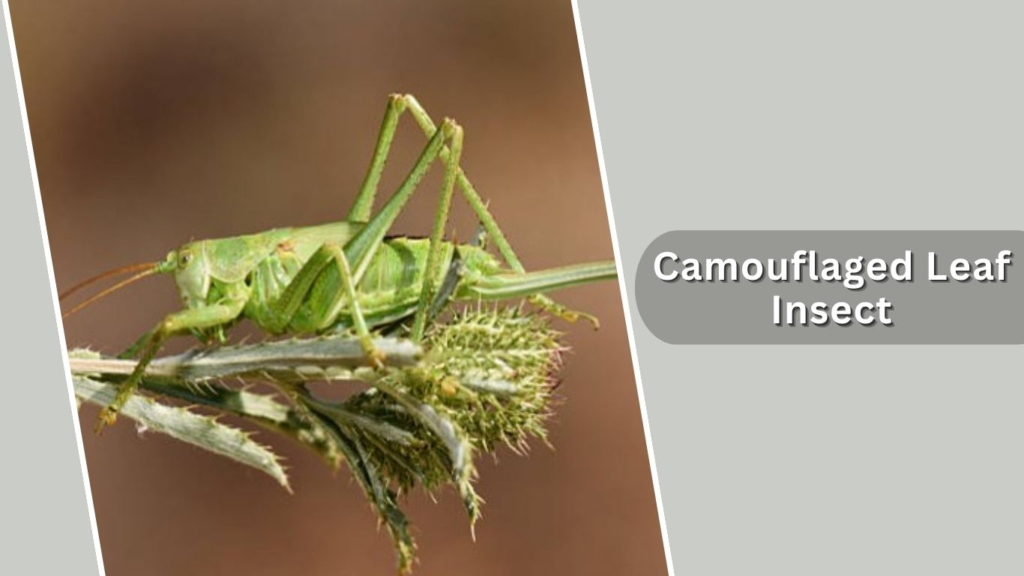
The camouflaged leaf insect is a general name used for highly leaf-like species known for extreme mimicry, including uneven edges, vein patterns, and color variation.
Habitat
These insects live in tropical forests across Southeast Asia, among dense foliage.
Egg
Eggs are oval, brown, and dropped to the ground by females. Incubation lasts several months.
Diet
They feed on guava, rose, bramble, and mango leaves.
Life Cycle
The life cycle includes egg, nymph, and adult. Nymphs molt many times before reaching leaf-like adult form.
