

Assassin bugs are a diverse group of predatory insects known for their stealth, patience, and powerful piercing mouthparts. Found in gardens, forests, fields, and even homes, they play an important role in controlling pest populations by feeding on other insects. While many species are beneficial, some are known for painful defensive bites if disturbed. This guide explores different types of assassin bugs, highlighting their identification traits, habitats, behaviors, and life cycles to help readers better understand these fascinating hunters.
1. Wheel Bug

The Wheel Bug is one of the largest and most recognizable assassin bugs, named for the distinctive wheel-like crest on its back. It is a powerful predator known for its aggressive hunting behavior and strong defensive bite.
Identification
- Large gray or brown body with rough texture
- Prominent semicircular, gear-like crest on the thorax
- Long, sturdy legs and a thick, curved beak
- Adults can grow up to 1.5 inches long
Habitat
Wheel Bugs are commonly found in gardens, forests, orchards, and agricultural fields. They prefer areas with abundant insect prey and often hide on tree trunks, shrubs, or wooden structures.
Behavior
This species is an ambush predator that feeds on caterpillars, beetles, and other insects. While beneficial for pest control, it can deliver a painful bite if handled or threatened.
Life Cycle
Eggs are laid in clusters on tree bark or plants. Nymphs hatch in spring and undergo several molts before reaching adulthood. Adults are most active during warmer months and usually die after the breeding season.
2. Milkweed Assassin Bug

The Milkweed Assassin Bug is a brightly colored predator often found on milkweed plants, where it hunts insects attracted to the flowers. Its bold red and black pattern serves as a warning to predators and makes it easy to identify.
Identification
- Bright red or orange body with black markings
- Elongated shape with narrow head
- Long legs adapted for grasping prey
- Sharp, curved beak used for piercing
Habitat
This species is commonly found in meadows, fields, roadsides, and gardens where milkweed and flowering plants grow. It thrives in warm, open environments with abundant insect activity.
Behavior
Milkweed Assassin Bugs are active hunters that stalk or ambush prey such as bees, flies, and beetles. They inject digestive enzymes into their prey and feed on the liquefied tissues.
Life Cycle
Eggs are laid on plant stems or leaves. Nymphs resemble smaller, wingless adults and mature through several molts before becoming fully winged adults in summer.
3. Kissing Bug
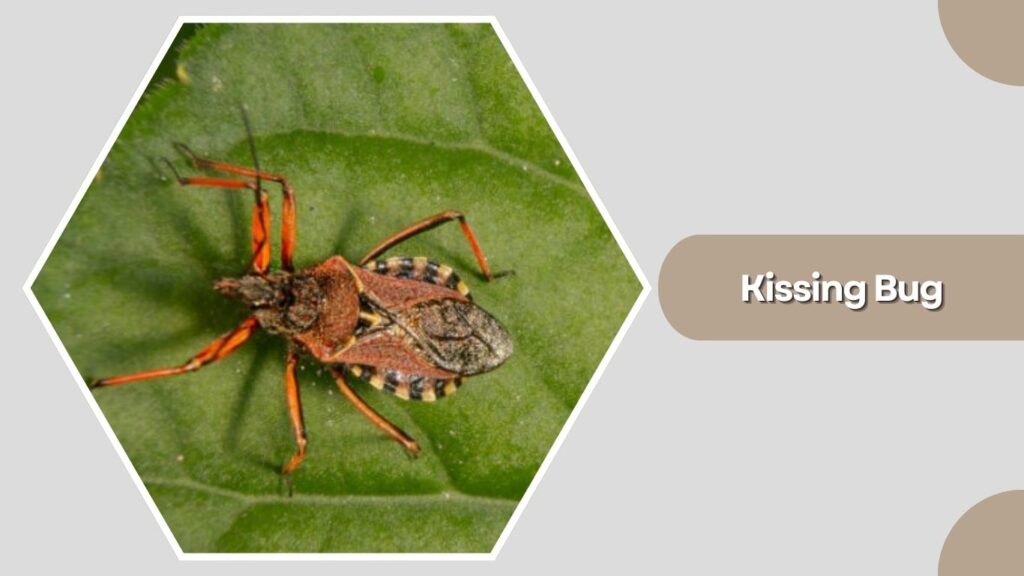
The Kissing Bug is a well-known assassin bug due to its habit of biting mammals around the mouth and eyes. While it is a natural predator of insects, it is more famous for its interaction with humans and animals.
Identification
- Dark brown or black body with red or orange markings along the sides
- Elongated head with a cone-shaped appearance
- Long, thin legs
- Straight, needle-like beak used for feeding
Habitat
Kissing Bugs are commonly found in forests, woodpiles, animal nests, and sometimes inside human homes. They prefer warm regions and sheltered environments.
Behavior
This species is nocturnal and feeds primarily at night. Unlike most assassin bugs, it feeds on blood rather than insects, biting sleeping hosts and then retreating to hiding places.
Life Cycle
Eggs are laid in cracks, crevices, or sheltered areas. Nymphs pass through multiple stages before adulthood, feeding on blood at each stage. Adults can live several months under favorable conditions.
4. Ambush Bug

The Ambush Bug is a small but highly effective predator, famous for its ability to blend into flowers and wait patiently for prey. Its camouflage and lightning-fast strike make it one of the most efficient hunting assassin bugs.
Identification
- Small, compact body with angular shape
- Color varies from yellow to brown, matching flowers
- Thick front legs adapted for grabbing prey
- Short, stout beak for piercing insects
Habitat
This species is commonly found on flowering plants in meadows, gardens, and fields. It prefers areas with abundant pollinators, which serve as its primary food source.
Behavior
Ambush Bugs remain motionless for long periods, waiting for unsuspecting insects such as bees and butterflies. When prey approaches, they strike rapidly and inject paralyzing saliva.
Life Cycle
Eggs are laid on plant stems or leaves. Nymphs resemble miniature adults and grow through several molts. Adults are usually active during late summer and early fall.
5. Spined Assassin Bug
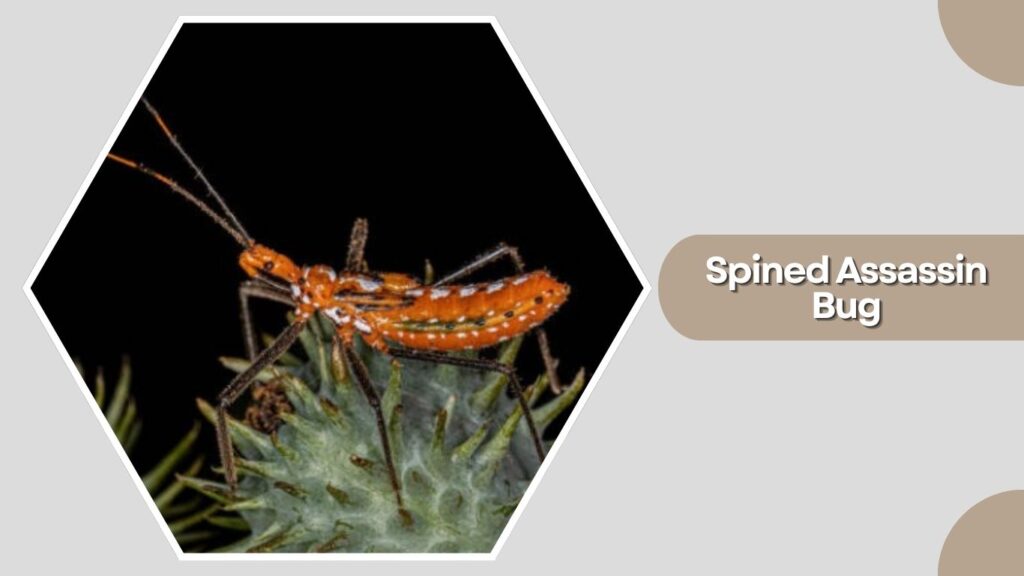
The Spined Assassin Bug is known for its rough, armored appearance and sharp body projections that provide protection from predators. Its spiny structure and stealthy hunting style make it a formidable insect predator.
Identification
- Dark brown or gray body covered with sharp spines
- Flattened, oval-shaped body
- Long legs with spiny segments
- Strong, curved beak used to pierce prey
Habitat
This species is commonly found in forests, shrubs, gardens, and wooded areas. It prefers environments with dense vegetation where it can remain hidden while hunting.
Behavior
Spined Assassin Bugs are slow-moving ambush predators that rely on camouflage and patience. They feed on a wide range of insects, including caterpillars, beetles, and flies, and will bite defensively if disturbed.
Life Cycle
Eggs are laid on plant surfaces or bark. Nymphs resemble spiny adults but lack wings and develop through several molts. Adults are most active during warm seasons and usually overwinter as eggs.
6. Feather-legged Assassin Bug

The Feather-legged Assassin Bug is easily recognized by the flattened, leaf-like expansions on its hind legs. These unusual legs help with camouflage and may also play a role in startling predators.
Identification
- Brown or dark-colored elongated body
- Hind legs with wide, flattened “feather-like” extensions
- Narrow head with prominent eyes
- Sharp, curved piercing beak
Habitat
This species is commonly found in forests, woodlands, gardens, and shrub-covered areas. It prefers warm environments with plenty of insects to hunt.
Behavior
Feather-legged Assassin Bugs are stealthy hunters that stalk or ambush prey. They feed on beetles, caterpillars, and other insects, using their beak to inject digestive saliva.
Life Cycle
Eggs are laid on plants or tree bark. Nymphs hatch without the distinctive leg expansions, which develop gradually through successive molts before adulthood.
7. Thread-legged Assassin Bug

The Thread-legged Assassin Bug is a slender and delicate-looking species, easily identified by its extremely long, thin legs. Despite its fragile appearance, it is an effective predator that relies on stealth rather than strength.
Identification
- Very thin, elongated body
- Exceptionally long, thread-like legs
- Narrow head with large, protruding eyes
- Fine, needle-like piercing beak
Habitat
This species is commonly found in forests, caves, tree bark crevices, and sometimes inside buildings. It favors dark, sheltered environments where it can remain hidden.
Behavior
Thread-legged Assassin Bugs move slowly and carefully, often hanging motionless while waiting for prey. They mainly feed on small insects and spiders, striking quickly when an opportunity arises.
Life Cycle
Eggs are laid in protected locations such as cracks or bark crevices. Nymphs resemble adults but lack wings and grow through multiple molts before reaching maturity.
8. Bee Assassin Bug

The Bee Assassin Bug is a bold and aggressive predator best known for preying on bees and other pollinating insects. Its strong hunting skills and painful defensive bite make it one of the more formidable assassin bugs.
Identification
- Medium to large body with dark brown or black coloration
- Often covered with sticky plant resins or prey remains
- Strong, grasping legs
- Thick, curved piercing beak
Habitat
This species is commonly found in gardens, fields, meadows, and areas rich in flowering plants. It prefers sunny locations where bees and other insects are active.
Behavior
Bee Assassin Bugs actively stalk and ambush prey rather than waiting passively. They seize insects with their legs and inject powerful saliva that quickly immobilizes the victim.
Life Cycle
Eggs are laid on plant stems or leaves. Nymphs mature through several stages, becoming more aggressive and efficient hunters as they grow into adults.
9. Masked Hunter
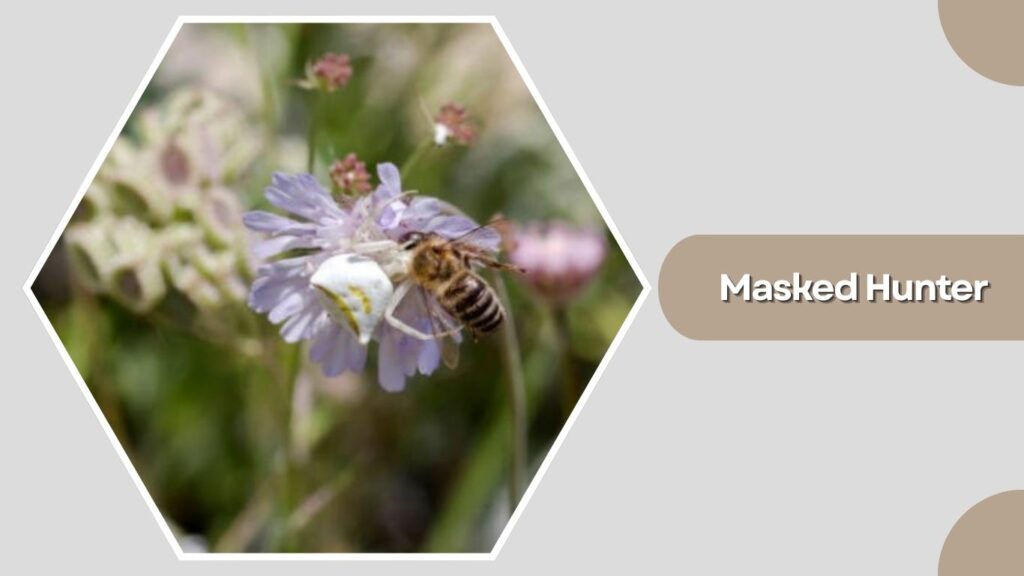
The Masked Hunter is a unique assassin bug species known for its unusual nymph behavior of covering itself with dust and debris for camouflage. It is also one of the few assassin bugs commonly found indoors.
Identification
- Dark brown or black elongated body
- Adults have smooth wings and long legs
- Nymphs appear dusty or fuzzy due to debris coating
- Strong, straight piercing beak
Habitat
This species is often found in houses, barns, warehouses, and other buildings, as well as under bark and stones outdoors. It thrives in areas where other insects are present.
Behavior
Masked Hunters are nocturnal predators that feed on bed bugs, flies, and other household insects. While beneficial, they can bite humans if handled, causing a painful reaction.
Life Cycle
Eggs are laid in cracks or crevices indoors or outdoors. Nymphs collect dust and lint on their bodies as camouflage and molt several times before becoming winged adults.
10. Leafhopper Assassin Bug

The Leafhopper Assassin Bug is a specialized predator that primarily targets leafhoppers and other small plant-feeding insects. Its slender body and quick movements make it well suited for hunting on plant surfaces.
Identification
- Slim, elongated body with brown or greenish coloration
- Long legs adapted for quick movement on leaves
- Narrow head with forward-facing eyes
- Sharp, piercing beak for feeding
Habitat
This species is commonly found in grasslands, agricultural fields, gardens, and areas with dense low vegetation. It prefers habitats where leafhoppers and similar insects are abundant.
Behavior
Leafhopper Assassin Bugs actively stalk prey across plant surfaces. They rely on speed and precision to capture insects and inject digestive saliva before feeding.
Life Cycle
Eggs are laid on plant stems or leaves. Nymphs resemble smaller, wingless adults and develop through several molts before reaching maturity during the warm season.
11. Corsair Assassin Bug

The Corsair Assassin Bug is a robust and aggressive predator recognized for its strong build and powerful hunting ability. It is commonly encountered in wooded and semi-open habitats where insect prey is plentiful.
Identification
- Stocky body with dark brown or black coloration
- Broad head with prominent eyes
- Thick legs adapted for grasping prey
- Short, strong piercing beak
Habitat
This species is typically found in forests, shrublands, gardens, and agricultural areas. It prefers environments with plenty of hiding places such as leaf litter, bark, and dense plants.
Behavior
Corsair Assassin Bugs are active hunters that pursue and overpower prey rather than relying solely on ambush tactics. They feed on a wide variety of insects and may bite defensively if disturbed.
Life Cycle
Eggs are laid on plants or tree bark. Nymphs resemble adults but lack wings and gradually mature through multiple molts before reaching adulthood.
12. Pirate Bug
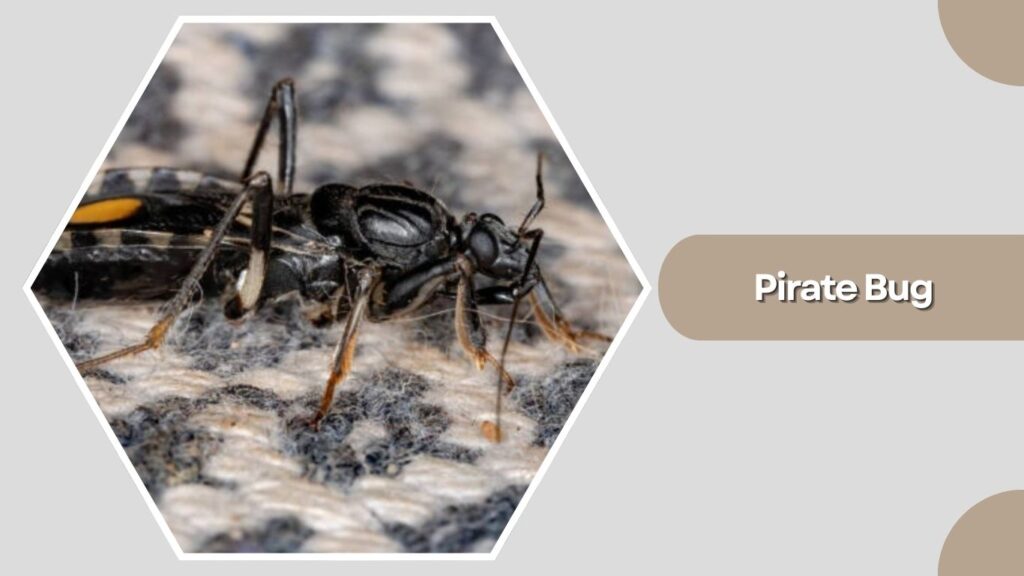
The Pirate Bug is a small but highly aggressive assassin bug, valued for its role in controlling agricultural pests. Despite its tiny size, it is an efficient predator capable of attacking insects larger than itself.
Identification
- Very small, oval-shaped body
- Black and white or dark brown coloration
- Short wings that form an X-pattern on the back
- Sharp, needle-like beak
Habitat
This species is commonly found in crop fields, gardens, orchards, and grassy areas. It thrives in environments with high populations of aphids, thrips, and mites.
Behavior
Pirate Bugs are fast-moving and highly active hunters. They puncture prey quickly and inject digestive enzymes, making them important natural pest controllers.
Life Cycle
Eggs are laid inside plant tissue. Nymphs hatch and mature rapidly through several stages, allowing multiple generations to occur within a single growing season.
13. Zelus Assassin Bug

The Zelus Assassin Bug is a common and easily recognized group of assassin bugs known for their sticky front legs. These adhesive limbs help them capture fast-moving prey with remarkable efficiency.
Identification
- Slender green or brown body
- Long legs with sticky secretions on the front pair
- Narrow head with large eyes
- Curved piercing beak
Habitat
This species is commonly found in gardens, shrubs, fields, and wooded edges. It prefers areas with abundant insect prey and moderate vegetation.
Behavior
Zelus Assassin Bugs rely on their sticky legs to trap insects before delivering a lethal bite. They are active hunters and often patrol plant surfaces in search of prey.
Life Cycle
Eggs are laid on leaves or stems in small clusters. Nymphs mature through several molts, gradually developing wings and stronger hunting abilities as they reach adulthood.
14. Stink Bug Assassin Bug
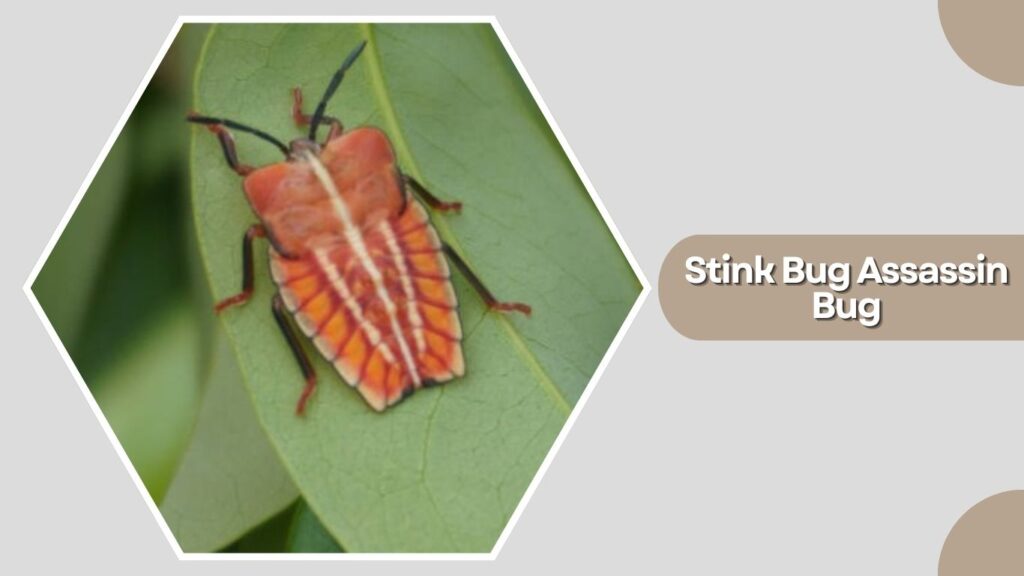
The Stink Bug Assassin Bug is a specialized predator that closely resembles stink bugs, allowing it to approach prey with ease. This mimicry helps it hunt effectively while also offering protection from predators.
Identification
- Shield-shaped body similar to true stink bugs
- Brown or gray coloration with subtle markings
- Broad abdomen with a flattened appearance
- Strong, piercing beak tucked beneath the head
Habitat
This species is commonly found in gardens, forests, agricultural fields, and shrublands. It prefers areas where stink bugs and other plant-feeding insects are abundant.
Behavior
Stink Bug Assassin Bugs rely on stealth and mimicry to get close to prey. They ambush insects and inject powerful saliva to immobilize them before feeding.
Life Cycle
Eggs are laid on leaves or stems. Nymphs resemble small stink bugs and pass through several developmental stages before becoming fully winged adults.
15. Apiomerus Assassin Bug
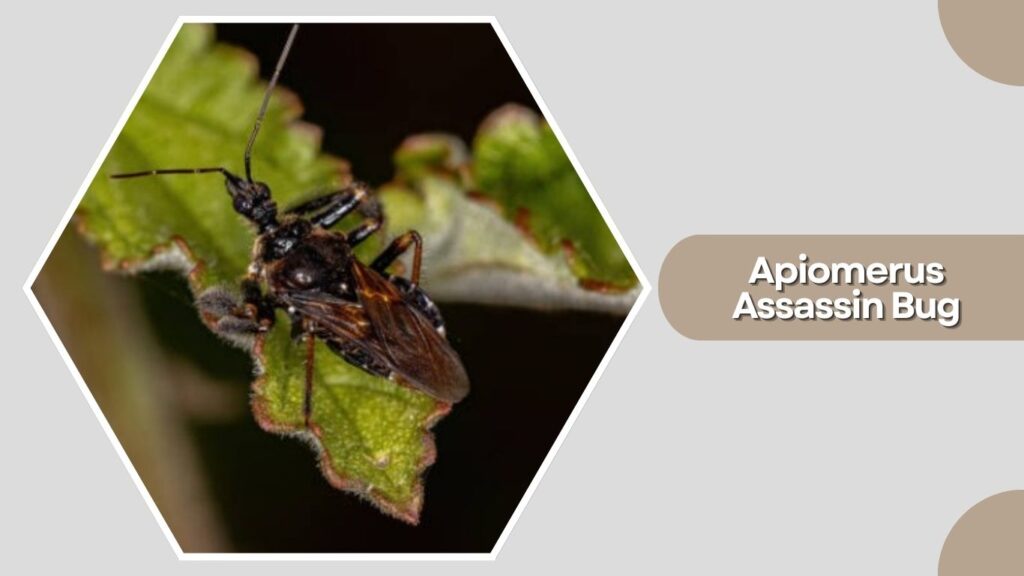
The Apiomerus Assassin Bug is a striking predator best known for its habit of hunting bees and wasps. Its bold coloration and aggressive feeding style make it one of the more distinctive assassin bugs found in the wild.
Identification
- Medium-sized body with black and red or orange markings
- Robust build with strong legs
- Sticky secretions sometimes present on the front legs
- Thick, curved piercing beak
Habitat
This species is commonly found in gardens, meadows, fields, and open woodland areas. It prefers sunny habitats with abundant flowering plants that attract pollinating insects.
Behavior
Apiomerus Assassin Bugs actively hunt rather than wait in ambush. They capture bees and other insects, immobilizing them quickly with toxic saliva before feeding.
Life Cycle
Eggs are laid on plant surfaces in clusters. Nymphs resemble adults but lack wings and become more vividly colored as they mature through multiple molts before reaching adulthood.
FAQs
Are assassin bugs dangerous to humans?
Assassin bugs are not aggressive toward humans, but many species can deliver a very painful bite if handled or threatened. The bite is defensive and not usually dangerous.
What do assassin bugs eat?
Assassin bugs are predators that feed on other insects such as caterpillars, beetles, flies, bees, and agricultural pests, making them beneficial in natural pest control.
Where do assassin bugs usually live?
They are commonly found in gardens, forests, fields, and agricultural areas where insect prey is abundant. Some species may also enter homes in search of food or shelter.
How can you identify an assassin bug?
Most assassin bugs have an elongated head, a strong curved beak for piercing prey, long legs, and a slow, deliberate movement pattern.
Do assassin bugs carry diseases?
Most assassin bugs do not carry diseases, but certain species like kissing bugs can transmit parasites in specific regions. Avoid handling them directly.
