
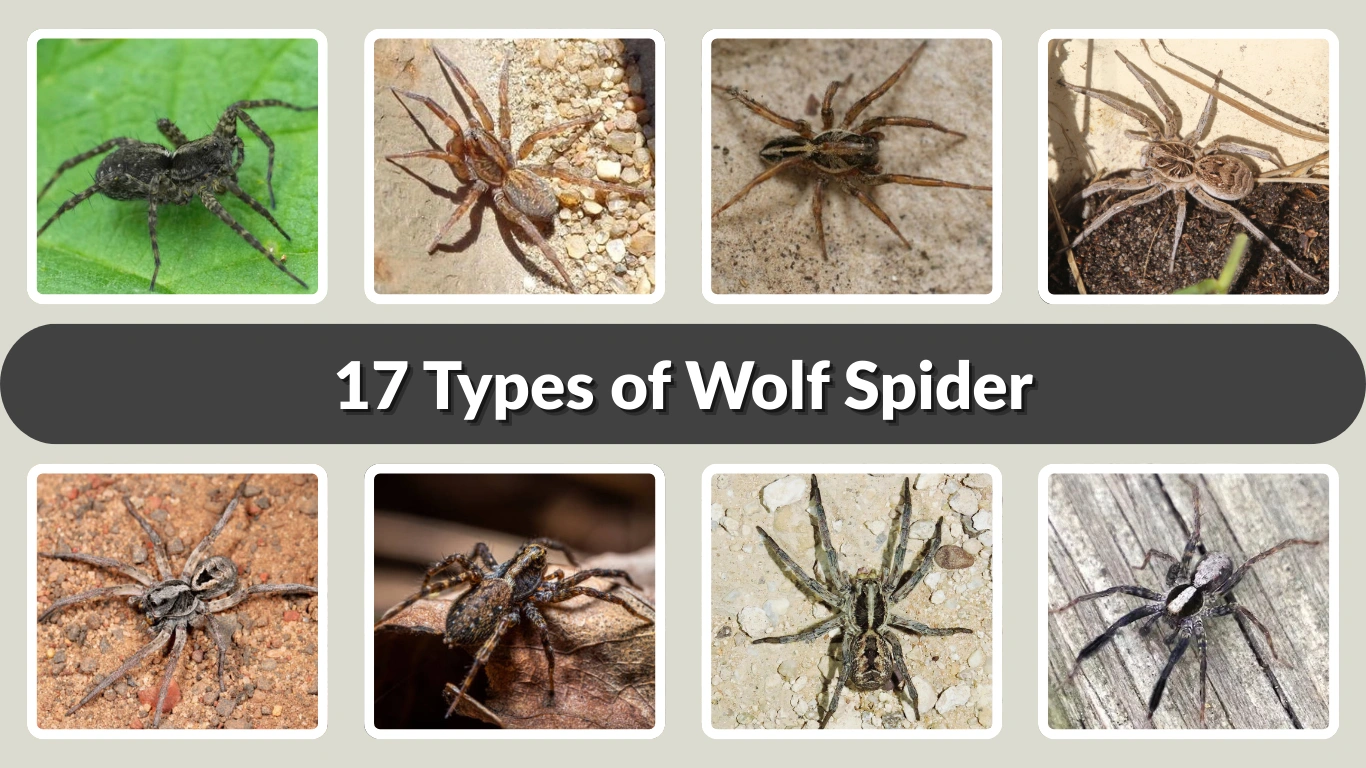
Wolf spiders are a diverse group of ground-dwelling spiders known for their speed, sharp eyesight, and active hunting behavior. Unlike many spiders, they do not rely on webs to catch prey, instead chasing or ambushing insects directly. Found in gardens, grasslands, forests, deserts, wetlands, and even mountainous regions, wolf spiders are highly adaptable and play an important role in natural pest control. Despite their large size and intimidating appearance, most wolf spiders are harmless to humans. This guide covers 17 common types of wolf spiders, highlighting their unique traits, habitats, and behaviors.
1. Carolina Wolf Spider

The Carolina wolf spider is one of the largest and most well-known wolf spider species. It is a fast, ground-dwelling hunter that does not rely on webs to catch prey. Common across many regions, this spider is harmless to humans and plays an important role in controlling insect populations.
Identification
- Large-sized spider, females bigger than males
- Brown to dark brown body with subtle markings
- Thick, hairy legs and robust body
- Prominent eyes arranged in three rows
Habitat
Carolina wolf spiders are commonly found in gardens, fields, forests, grasslands, and sandy or open areas. They prefer dry to moderately moist environments and often shelter under rocks, logs, leaf litter, or inside shallow burrows. These spiders are mostly active at night and are rarely seen during the day unless disturbed.
Diet
Their diet consists of insects and other small arthropods such as beetles, crickets, grasshoppers, ants, and flies. Carolina wolf spiders are active hunters, using speed and sharp eyesight to chase down prey rather than trapping it in a web. This makes them effective natural pest controllers.
Web and Nesting Behavior
Carolina wolf spiders do not build webs for catching prey. Silk is mainly used to line burrows and create egg sacs. Females carry their egg sac attached to their spinnerets and, after hatching, the spiderlings climb onto the mother’s back. She carries them for several days, offering protection until they are ready to disperse—one of the most distinctive traits of wolf spiders.
2. Rabid Wolf Spider

The rabid wolf spider is a fast, agile wolf spider commonly found in open areas and gardens. Despite its alarming name, it is not aggressive toward humans and rarely bites. It is best known for its speed, sharp vision, and active hunting behavior.
Identification
- Medium to large-sized spider
- Light brown to tan body with dark longitudinal stripes
- Slender legs built for fast movement
- Large, noticeable eyes typical of wolf spiders
Habitat
Rabid wolf spiders are commonly found in gardens, lawns, fields, grasslands, and woodland edges. They prefer open, sunny areas with low vegetation where they can move freely while hunting. During the day, they often hide under leaf litter, rocks, logs, or garden debris and become more active at night.
Diet
Their diet includes flies, mosquitoes, beetles, crickets, grasshoppers, ants, and other small insects. Rabid wolf spiders hunt actively, relying on speed and excellent eyesight to chase and capture prey. This makes them highly beneficial for natural pest control in gardens and outdoor spaces.
Web and Nesting Behavior
Rabid wolf spiders do not spin webs to trap prey. Silk is mainly used for reproductive purposes and shelter. Females carry a round egg sac attached to their spinnerets until the eggs hatch. After hatching, the spiderlings climb onto the mother’s back, where they remain for several days until they are ready to disperse. This strong maternal care is a defining characteristic of wolf spiders and helps increase the survival rate of the young.
3. Giant Wolf Spider

The giant wolf spider is a large, powerful ground-hunting spider known for its impressive size and speed. Despite its intimidating appearance, it is shy, non-aggressive, and beneficial for controlling insect populations.
Identification
- Very large spider with a robust body
- Brown, gray, or dark tan coloration
- Thick, hairy legs and broad cephalothorax
- Prominent eye arrangement with two large central eyes
Habitat
Giant wolf spiders are commonly found in gardens, fields, forests, deserts, and open grasslands. They prefer dry or sandy soils and often take shelter in burrows, under rocks, logs, or leaf litter. These spiders are mostly nocturnal and may wander into homes by accident while hunting.
Diet
Their diet consists of insects and other arthropods such as beetles, crickets, grasshoppers, roaches, and smaller spiders. Giant wolf spiders actively chase prey, using speed, strength, and keen eyesight rather than webs. Their hunting behavior makes them effective natural pest controllers in outdoor environments.
Web and Nesting Behavior
Giant wolf spiders do not build webs for catching prey. Silk is used to line burrows and create egg sacs. Females carry their egg sacs attached to the spinnerets and later carry the spiderlings on their backs after hatching. This maternal behavior provides protection to the young and is a defining trait of wolf spiders.
4. Brush-Legged Wolf Spider
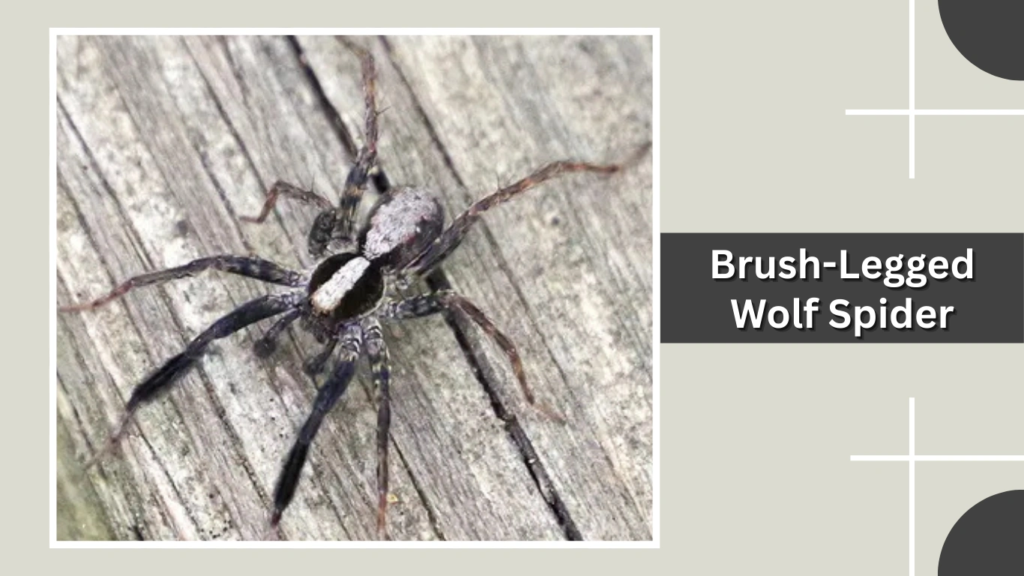
The brush-legged wolf spider is a distinctive wolf spider species recognized for the thick tufts of hair on its front legs. It is an active hunter that plays a useful role in controlling garden and ground-dwelling insects.
Identification
- Medium to large-sized spider
- Brown or gray body with subtle striping
- Dense brush-like hairs on the front legs
- Robust, hairy appearance with strong legs
Habitat
Brush-legged wolf spiders are commonly found in gardens, grasslands, open woodlands, fields, and along forest edges. They prefer ground-level habitats with leaf litter, soil, or low vegetation where they can move easily while hunting. These spiders are mostly nocturnal and hide under rocks, logs, or debris during the day.
Diet
Their diet includes beetles, ants, flies, crickets, grasshoppers, and other small arthropods. Like other wolf spiders, they do not rely on webs but actively chase or ambush their prey using speed and strength.
Web and Nesting Behavior
Brush-legged wolf spiders do not spin capture webs. Silk is used mainly for lining burrows and producing egg sacs. Females carry the egg sac attached to their spinnerets and later carry the newly hatched spiderlings on their backs. This protective behavior continues until the young are able to survive on their own.
5. Thin-Legged Wolf Spider
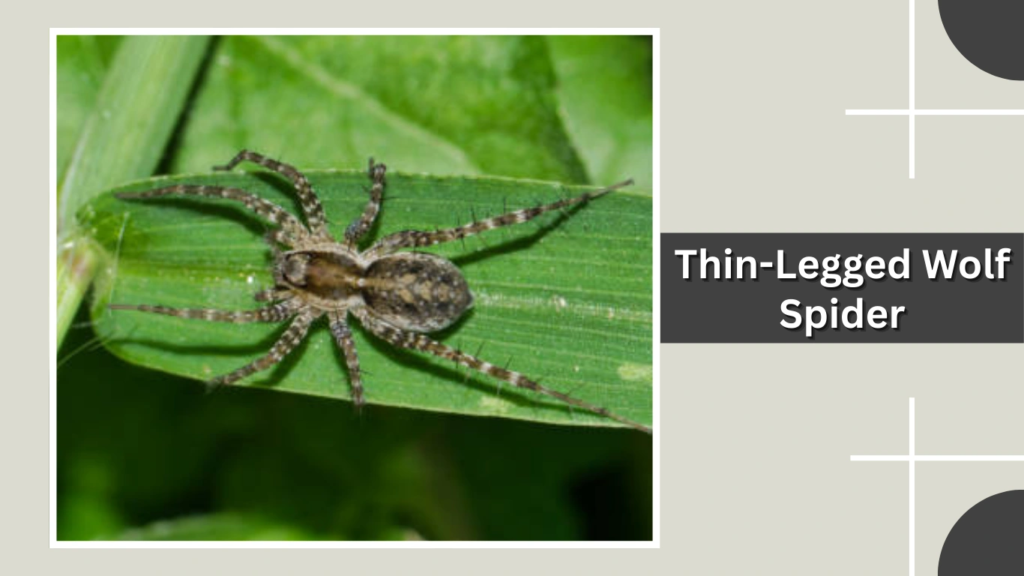
The thin-legged wolf spider is a fast and agile species recognized for its more slender build compared to other wolf spiders. It is an efficient ground hunter and a beneficial presence in gardens and open landscapes.
Identification
- Medium-sized spider
- Slender body with noticeably thin legs
- Brown or gray coloration with faint striping
- Hairy body with long, delicate-looking limbs
Habitat
Thin-legged wolf spiders are commonly found in gardens, grasslands, fields, meadows, and forest edges. They prefer open areas with low vegetation and loose soil where they can move quickly. During the day, they often hide under leaf litter, stones, or ground debris and become active at night.
Diet
Their diet includes flies, mosquitoes, beetles, ants, crickets, and other small insects. Thin-legged wolf spiders rely on speed and agility to chase and capture prey rather than ambushing it. This hunting style makes them effective natural pest controllers.
Web and Nesting Behavior
Thin-legged wolf spiders do not build webs to catch prey. Silk is used mainly for shelter, lining burrows, and producing egg sacs. Females carry their egg sacs attached to the spinnerets and later transport the spiderlings on their backs until they are ready to disperse, offering protection during early development.
6. Shore Wolf Spider

The shore wolf spider is a semi-aquatic wolf spider commonly found near water bodies. It is known for its ability to move quickly across wet surfaces and even run on water for short distances.
Identification
- Medium to large-sized spider
- Brown or gray body with light striping or mottling
- Long, strong legs adapted for wet surfaces
- Hairy body that repels water
Habitat
Shore wolf spiders are typically found along riverbanks, lake shores, ponds, wetlands, and damp garden areas. They prefer moist environments with rocks, sand, or dense vegetation near water. These spiders are active hunters and are often seen near the water’s edge both day and night.
Diet
Their diet includes aquatic insects, flies, mosquitoes, small crustaceans, and other arthropods found near water. Shore wolf spiders detect vibrations on the water’s surface and rush to capture prey, making them effective controllers of mosquito populations.
Web and Nesting Behavior
Shore wolf spiders do not build webs for trapping prey. Silk is mainly used for egg sacs and shelter. Females carry the egg sac attached to the spinnerets and later carry spiderlings on their backs after hatching. Egg sacs are often produced near water but kept dry to protect developing young.
7. Woodland Wolf Spider
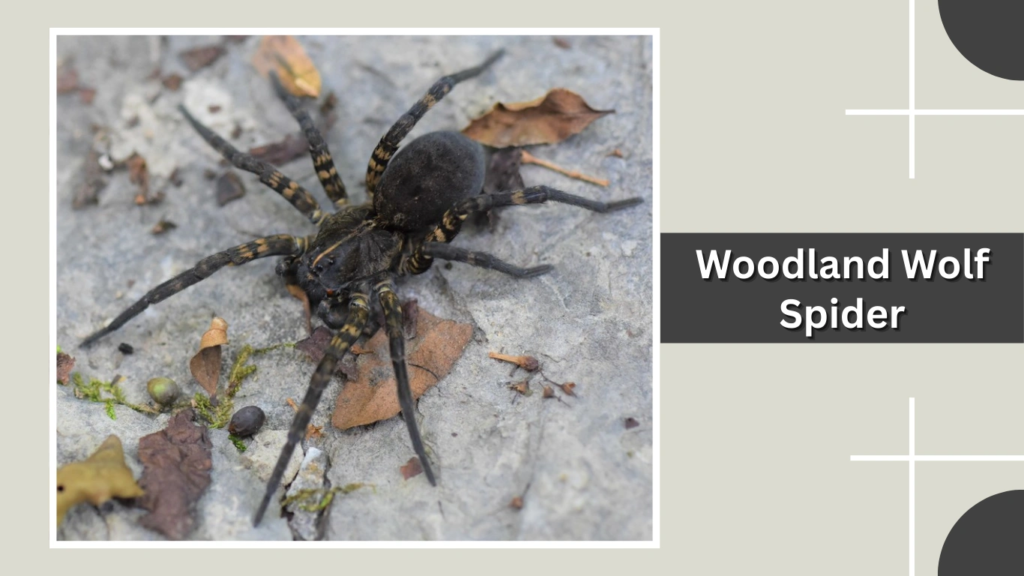
The woodland wolf spider is a well-camouflaged species commonly found in forested and shaded garden areas. It blends easily with leaf litter and soil, making it an effective ambush predator.
Identification
- Medium-sized spider
- Brown, gray, or dark tan body with mottled markings
- Hairy body that mimics forest debris
- Strong legs built for quick bursts of movement
Habitat
Woodland wolf spiders are typically found in forests, wooded gardens, leaf litter, under logs, tree bark, and shaded ground cover. They prefer cool, moist environments with plenty of natural hiding places. These spiders are mostly nocturnal but may be disturbed during the day when leaf litter is moved.
Diet
Their diet includes beetles, ants, flies, caterpillars, crickets, and other small arthropods living on the forest floor. Woodland wolf spiders hunt actively, relying on camouflage and sudden movement rather than webs.
Web and Nesting Behavior
Woodland wolf spiders do not spin capture webs. Silk is used to line hiding places and create egg sacs. Females carry the egg sac attached to their spinnerets and later carry spiderlings on their backs until they disperse. This protective behavior helps ensure higher survival rates in dense forest environments.
8. Burrowing Wolf Spider

The burrowing wolf spider is a ground-dwelling species known for creating and living in deep, vertical burrows. It is a patient ambush hunter that waits near its burrow entrance for prey.
Identification
- Medium to large-sized spider
- Brown, tan, or gray body with subtle striping
- Thick, hairy legs and sturdy body
- Eyes arranged in the typical wolf spider pattern
Habitat
Burrowing wolf spiders are commonly found in gardens, fields, grasslands, sandy soils, and open areas with loose ground. They prefer dry or moderately moist soil that allows easy burrowing. The spider spends much of its life inside or near its burrow.
Diet
Their diet includes beetles, ants, crickets, grasshoppers, and other ground-dwelling insects. The spider waits at the burrow entrance and rushes out to grab passing prey, dragging it back inside to feed.
Web and Nesting Behavior
Burrowing wolf spiders do not build webs to catch prey. Silk is used to line the burrow, helping stabilize the soil and maintain humidity. Females create egg sacs and carry them attached to the spinnerets. After hatching, spiderlings ride on the mother’s back until they are ready to leave the burrow and survive independently.
9. Grassland Wolf Spider
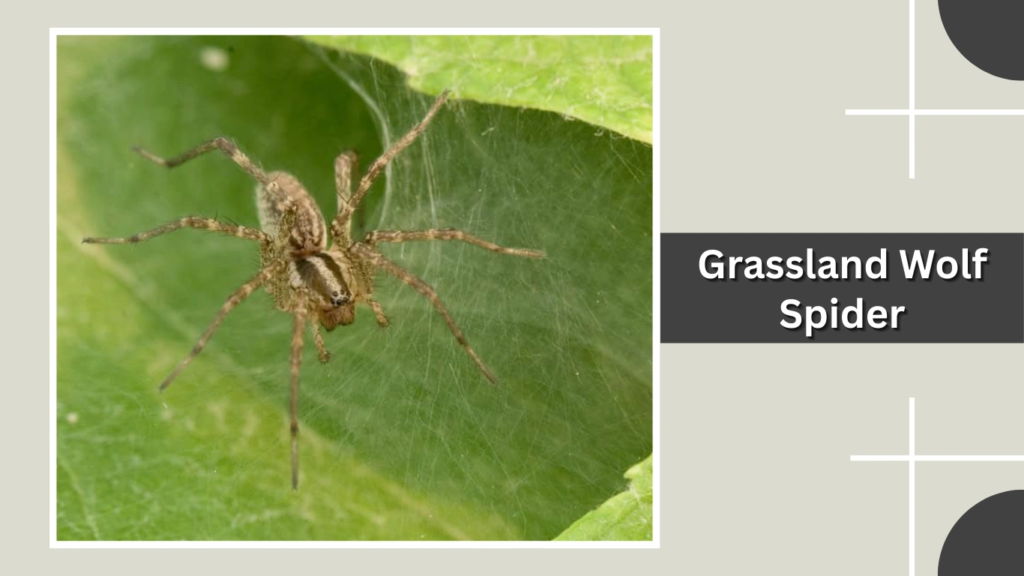
The grassland wolf spider is a fast, agile hunter commonly found in open grassy areas. It relies on speed and camouflage rather than webs to capture prey, making it an effective predator in natural and managed landscapes.
Identification
- Medium-sized spider
- Brown or gray body with faint striping
- Long, strong legs suited for running
- Hairy body that blends with grass and soil
Habitat
Grassland wolf spiders are typically found in meadows, lawns, pastures, fields, and grassy gardens. They prefer open areas with low vegetation where they can move freely. During the day, they hide in grass, soil crevices, or under debris and become more active at night.
Diet
Their diet includes flies, mosquitoes, beetles, crickets, grasshoppers, and other small insects. Grassland wolf spiders actively chase prey, using quick movements and sharp eyesight instead of trapping insects in webs.
Web and Nesting Behavior
Grassland wolf spiders do not build webs for catching prey. Silk is used for lining shelters and producing egg sacs. Females carry egg sacs attached to their spinnerets and later carry spiderlings on their backs after hatching. This behavior provides protection and increases survival during early development.
10. Desert Wolf Spider
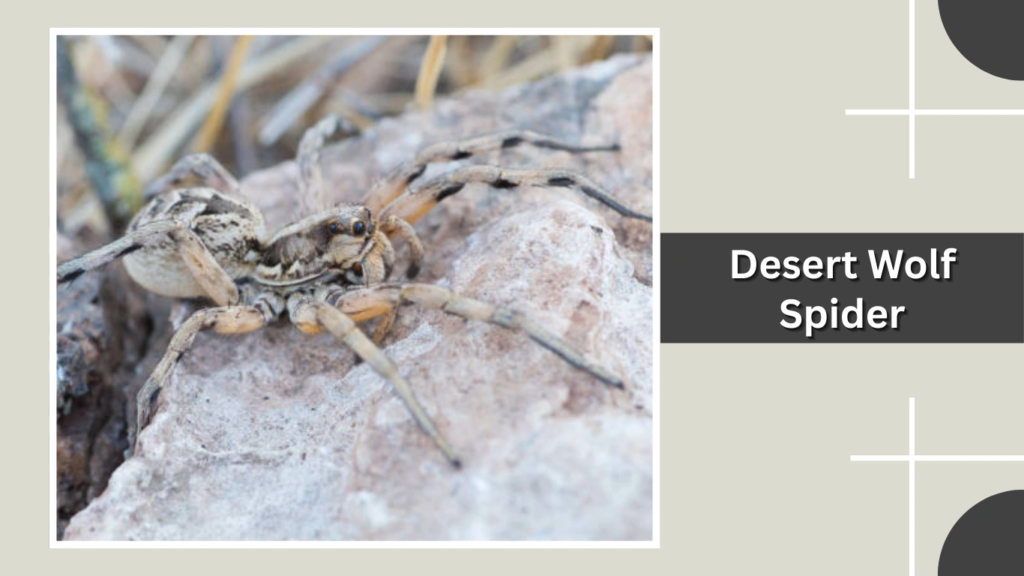
The desert wolf spider is a hardy species adapted to hot, dry environments. It is a strong, fast hunter that survives extreme conditions by sheltering in burrows and becoming active during cooler hours.
Identification
- Medium to large-sized spider
- Sandy brown, tan, or gray coloration
- Hairy body adapted to desert camouflage
- Long legs built for rapid movement
Habitat
Desert wolf spiders are commonly found in deserts, sandy gardens, dry grasslands, and arid open areas. They prefer loose, sandy soil where they can dig burrows or hide under rocks and debris. These spiders are mostly nocturnal, avoiding daytime heat.
Diet
Their diet includes ants, beetles, crickets, grasshoppers, flies, and other desert-dwelling insects. Desert wolf spiders actively hunt prey at night, using speed and vibration sensing rather than webs.
Web and Nesting Behavior
Desert wolf spiders do not build capture webs. Silk is mainly used to line burrows, helping regulate temperature and moisture. Females carry egg sacs attached to their spinnerets and later carry the spiderlings on their backs after hatching, protecting them from harsh desert conditions until they can survive on their own.
11. Garden Wolf Spider
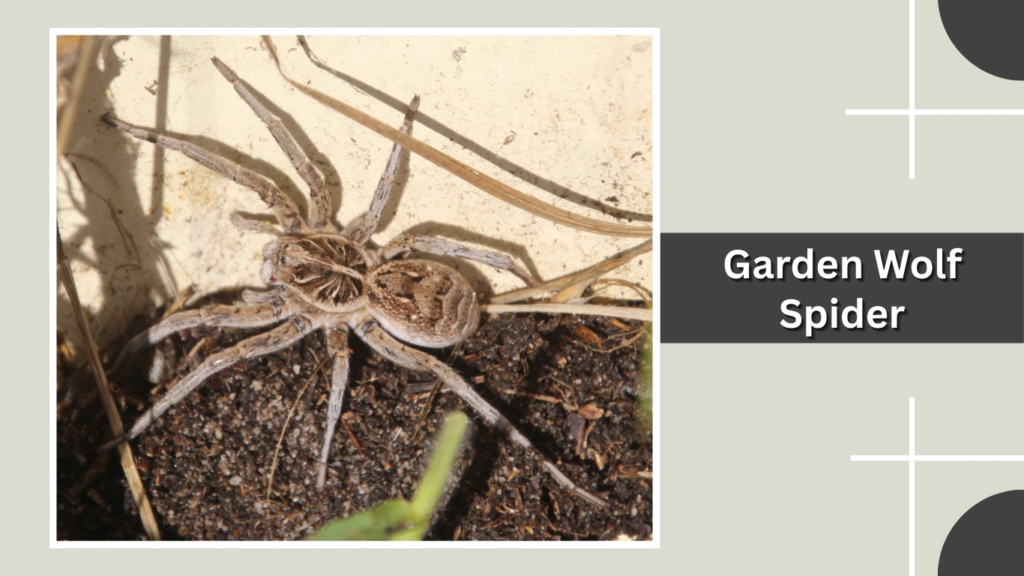
The garden wolf spider is a common species frequently encountered in home gardens and landscaped areas. It is a beneficial predator that helps control many common garden pests.
Identification
- Medium-sized spider
- Brown or gray body with darker stripes or markings
- Hairy legs and compact, sturdy body
- Prominent forward-facing eyes
Habitat
Garden wolf spiders are commonly found in vegetable gardens, flower beds, lawns, mulch, and under garden debris. They prefer areas with loose soil and plenty of insect activity. These spiders are mostly active at night and hide during the day under stones, pots, or leaf litter.
Diet
Their diet includes flies, mosquitoes, aphids, beetles, caterpillars, ants, and other small insects. Garden wolf spiders actively hunt on the ground and among plants, making them highly effective natural pest controllers in gardens.
Web and Nesting Behavior
Garden wolf spiders do not build webs to catch prey. Silk is used for lining shelters and producing egg sacs. Females carry their egg sacs attached to their spinnerets and later carry the spiderlings on their backs until they are ready to disperse, providing protection during early development.
12. Striped Wolf Spider
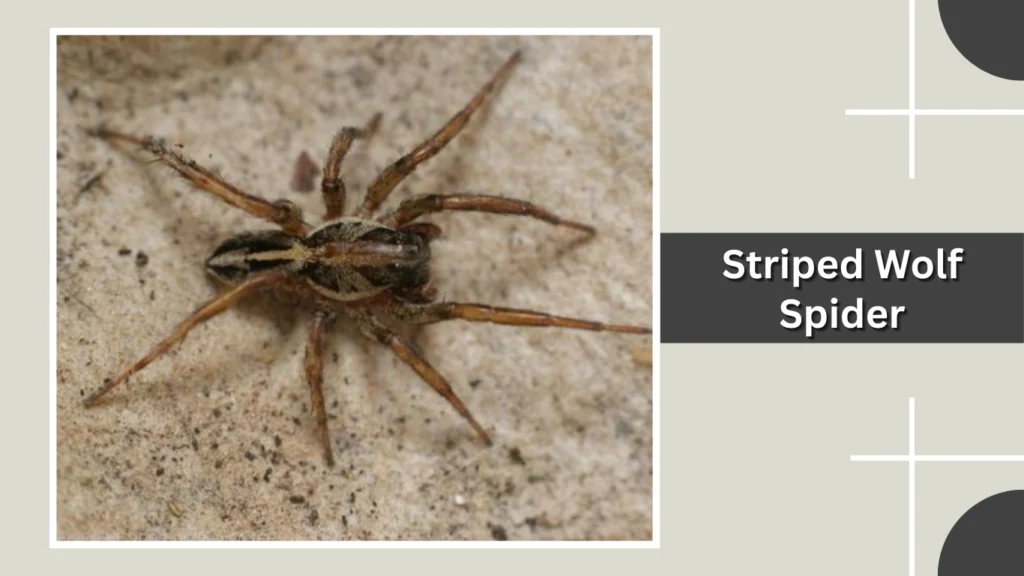
The striped wolf spider is easily recognized by the bold stripes running along its body and legs. It is a fast, ground-hunting spider commonly found in gardens and open landscapes.
Identification
- Medium-sized spider
- Distinct dark and light stripes on the body
- Brown, gray, or tan coloration
- Hairy legs built for speed
Habitat
Striped wolf spiders are found in gardens, fields, grasslands, lawns, and woodland edges. They prefer open areas with low vegetation where they can hunt freely. During the day, they hide under leaves, stones, or soil crevices and become more active at night.
Diet
Their diet includes flies, mosquitoes, beetles, ants, crickets, grasshoppers, and other small insects. Striped wolf spiders actively chase prey using speed and sharp vision rather than relying on webs.
Web and Nesting Behavior
Striped wolf spiders do not build webs for trapping prey. Silk is mainly used for shelter and egg sacs. Females carry egg sacs attached to their spinnerets and later carry spiderlings on their backs after hatching. This maternal behavior helps protect young spiders during their most vulnerable stage.
13. Dune Wolf Spider
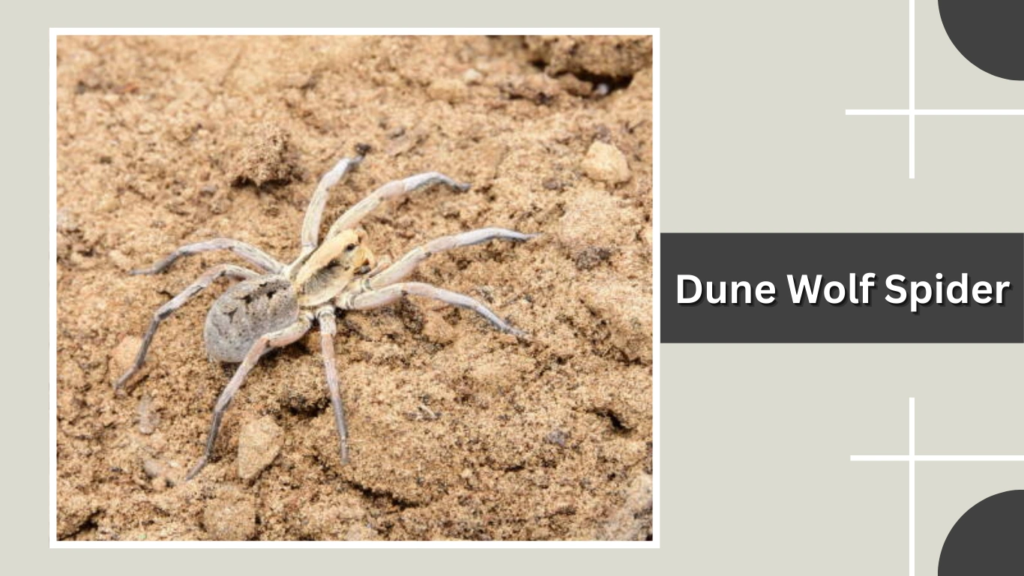
The dune wolf spider is a species adapted to sandy, open environments. Its coloration and behavior allow it to blend into dunes and sandy soils, making it an effective ambush hunter.
Identification
- Medium to large-sized spider
- Pale brown, tan, or sandy coloration
- Hairy body suited for camouflage
- Strong legs adapted for running on loose sand
Habitat
Dune wolf spiders are typically found in sand dunes, beaches, coastal areas, sandy fields, and dry open gardens. They prefer loose, shifting soil where burrowing is easy. These spiders are most active during cooler parts of the day or at night to avoid extreme heat.
Diet
Their diet includes ants, beetles, flies, grasshoppers, crickets, and other insects found in sandy habitats. Dune wolf spiders rely on speed and surprise to capture prey rather than webs.
Web and Nesting Behavior
Dune wolf spiders do not build capture webs. Silk is used to line burrows and create egg sacs. Females carry egg sacs attached to their spinnerets and later transport spiderlings on their backs. This behavior helps protect young spiders from predators and harsh environmental conditions in exposed habitats.
14. Swamp Wolf Spider
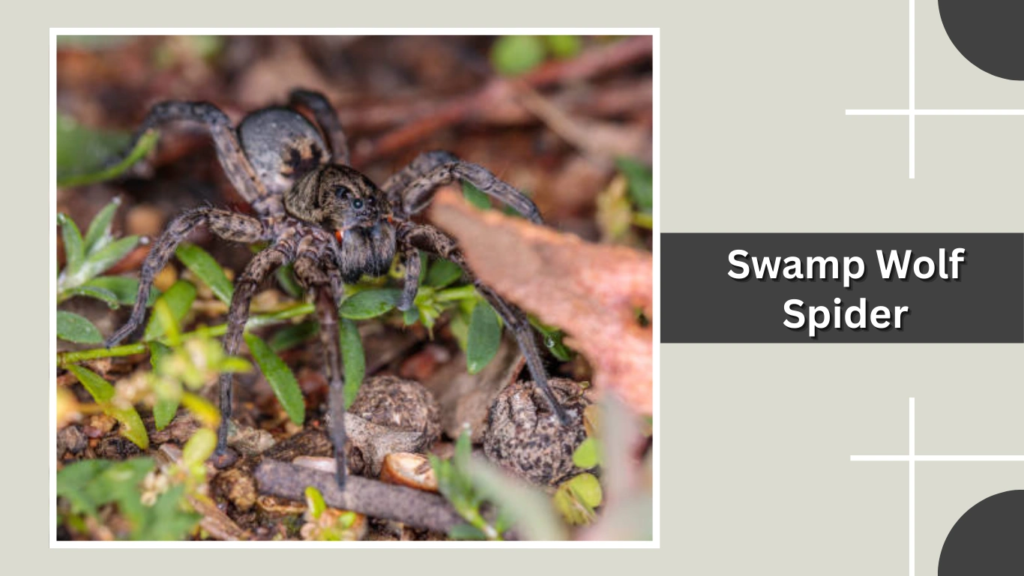
The swamp wolf spider is a moisture-loving species commonly found in wetlands and damp garden areas. It is a strong hunter that thrives in humid environments with abundant insect life.
Identification
- Medium to large-sized spider
- Dark brown or gray body with lighter markings
- Hairy body that tolerates moisture well
- Long, powerful legs
Habitat
Swamp wolf spiders are typically found in swamps, marshes, wetlands, pond edges, wet meadows, and damp gardens. They prefer areas with high humidity and dense vegetation. These spiders are often active at night but may also hunt during the day in shaded, moist conditions.
Diet
Their diet includes mosquitoes, flies, aquatic insects, beetles, small frogs, and other arthropods common in wet habitats. Swamp wolf spiders are effective at reducing mosquito populations by hunting near water sources.
Web and Nesting Behavior
Swamp wolf spiders do not spin webs to catch prey. Silk is used for egg sacs and shelter. Females carry their egg sacs attached to the spinnerets and later carry spiderlings on their backs after hatching. This maternal care helps ensure the survival of young spiders in challenging wet environments.
15. Mountain Wolf Spider
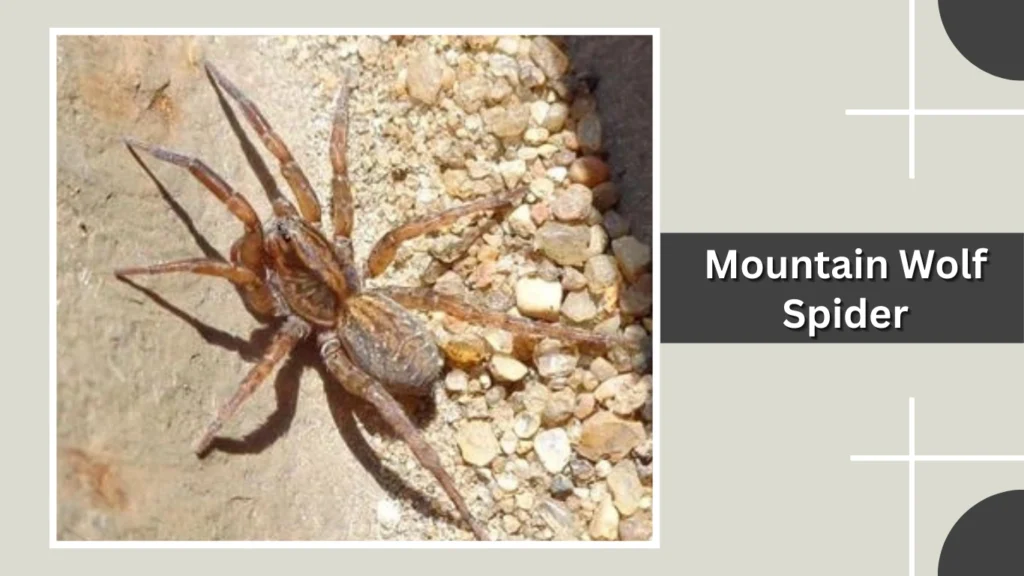
The mountain wolf spider is a hardy species adapted to cooler climates and higher elevations. It is a fast, resilient hunter that thrives in rugged environments where fewer predators can survive.
Identification
- Medium-sized spider
- Dark brown, gray, or charcoal body
- Thick, hairy legs for insulation
- Compact, sturdy build
Habitat
Mountain wolf spiders are commonly found in mountainous regions, hillsides, alpine meadows, forest floors, and rocky gardens at higher elevations. They prefer cool, moist environments and often shelter under rocks, logs, and leaf litter. These spiders are mostly active during dusk and night.
Diet
Their diet includes beetles, flies, ants, crickets, grasshoppers, and other small insects adapted to cooler climates. Mountain wolf spiders hunt actively, using speed and vibration detection rather than webs.
Web and Nesting Behavior
Mountain wolf spiders do not build webs to trap prey. Silk is used to line hiding spaces and create egg sacs. Females carry the egg sac attached to their spinnerets and later carry spiderlings on their backs after hatching, protecting them until they can survive independently in harsh environments.
16. Spotted Wolf Spider

The spotted wolf spider is the final species in this list and is known for the distinct spots or mottled patterns on its body. It is a fast, ground-dwelling hunter commonly found in gardens and natural landscapes.
Identification
- Medium-sized spider
- Brown or gray body with light spots or mottling
- Hairy legs and compact build
- Prominent forward-facing eyes
Habitat
Spotted wolf spiders are found in gardens, lawns, fields, forest edges, and open ground with leaf litter or loose soil. They prefer areas that provide both cover and open space for hunting. These spiders are mostly nocturnal and hide under debris during the day.
Diet
Their diet includes flies, mosquitoes, beetles, ants, crickets, and other small insects. Spotted wolf spiders actively chase prey, using speed and keen eyesight instead of webs, making them effective natural pest controllers.
Web and Nesting Behavior
Spotted wolf spiders do not build webs for catching prey. Silk is mainly used for egg sacs and shelter. Females carry their egg sacs attached to the spinnerets and later carry spiderlings on their backs until they disperse. This maternal behavior is a defining trait of wolf spiders and helps ensure the survival of the young.
