
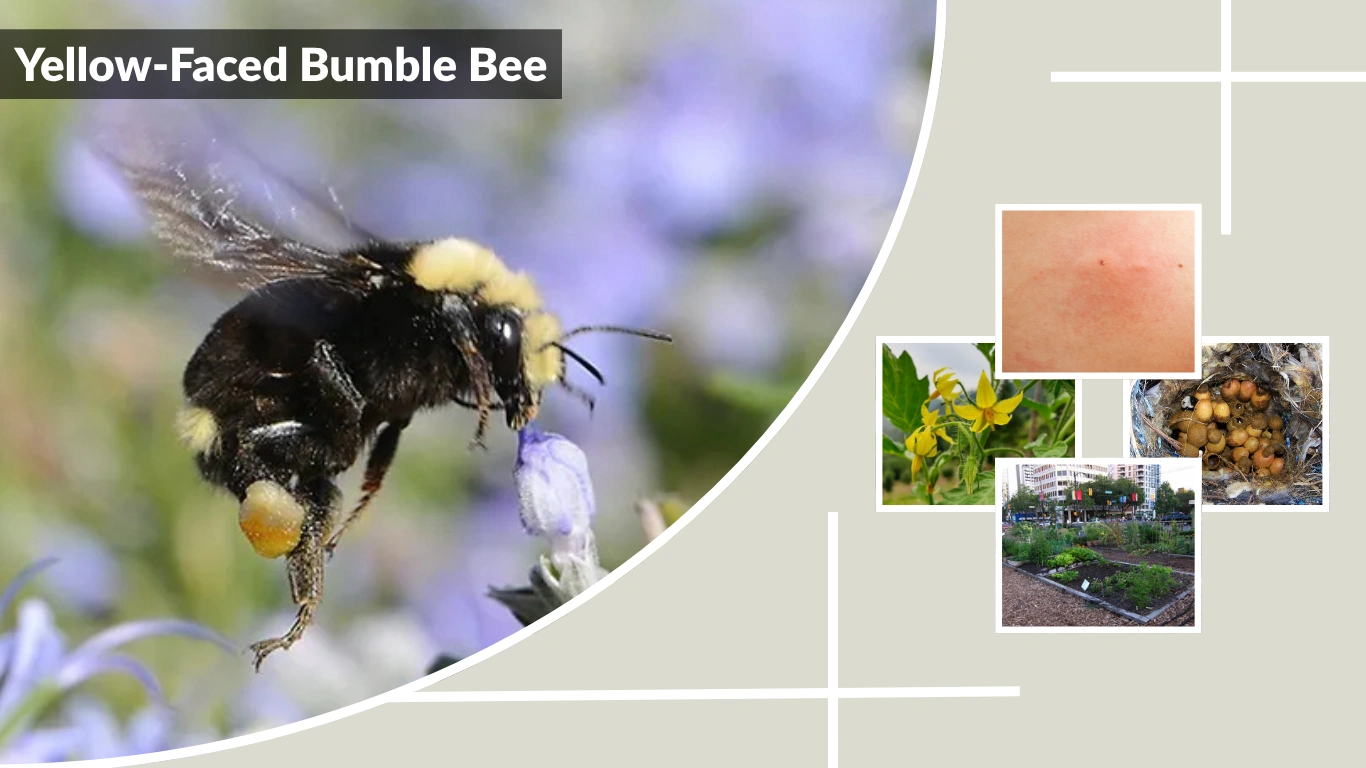
The yellow-faced bumble bee (Bombus vosnesenskii) is one of the most recognizable pollinators in North America. Known for its bright yellow face and bold black body, this bee plays a vital role in pollination, especially in the western United States. Its calm nature and remarkable adaptability make it a favorite among gardeners and researchers alike.
What Is a Yellow-Faced Bumble Bee?
The yellow-faced bumble bee is a species of bumble bee native to California and the western coastal regions of North America. It’s easy to identify by the yellow markings on its face and thorax, contrasting sharply with its dark abdomen.
These bees belong to the genus Bombus, a group of social insects known for their fuzzy appearance and effective pollination skills. They are among the earliest bees to emerge in spring and remain active well into late summer, helping maintain plant diversity throughout the growing season.
Appearance and Identification
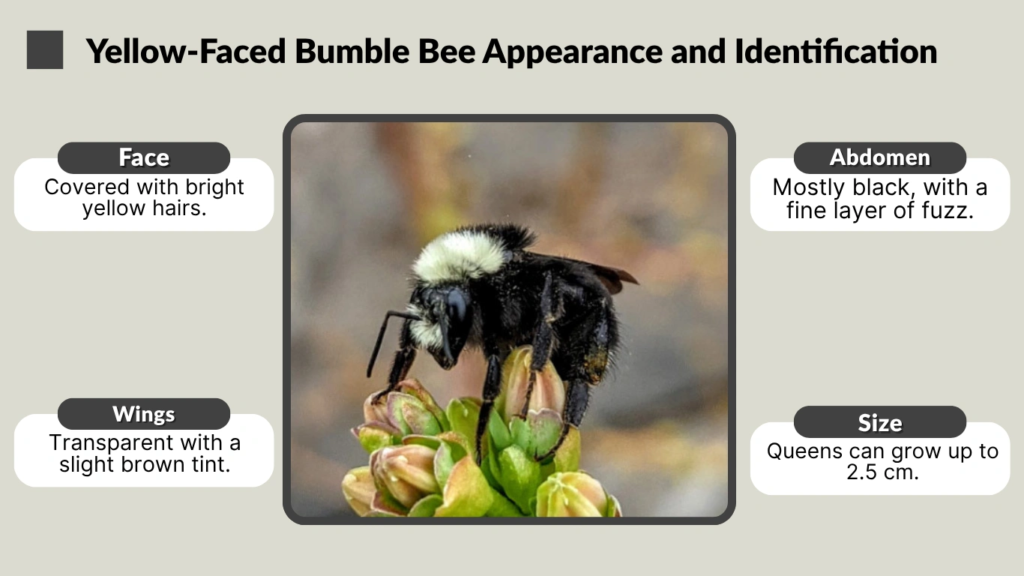
Yellow-faced bumble bees have distinct features that make them stand out among other bee species:
- Face and Thorax: Covered with bright yellow hairs.
- Abdomen: Mostly black, with a fine layer of fuzz.
- Wings: Transparent with a slight brown tint.
- Size: Workers measure around 1.5–2 cm, while queens can grow up to 2.5 cm.
Their soft, dense hair gives them a fuzzy look, which helps trap pollen as they move from flower to flower. This natural design makes them incredibly efficient pollinators.
Habitat and Distribution
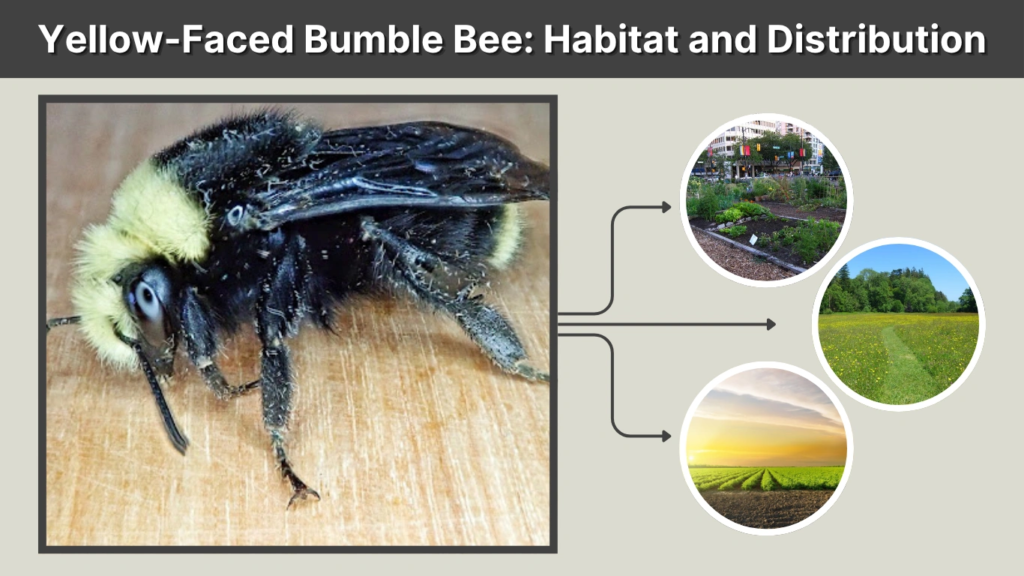
Yellow-faced bumble bees are found primarily along the western coast of North America, stretching from British Columbia to Baja California. They thrive in a wide range of environments, including:
- Urban gardens
- Meadows and grasslands
- Agricultural fields
- Forest edges
These bees are remarkably adaptable and often seen in suburban backyards where flowers and shrubs are abundant. Unlike some bumble bee species that prefer cooler climates, Bombus vosnesenskii tolerates warmer temperatures well.
Nesting and Colony Behavior
Colony Structure
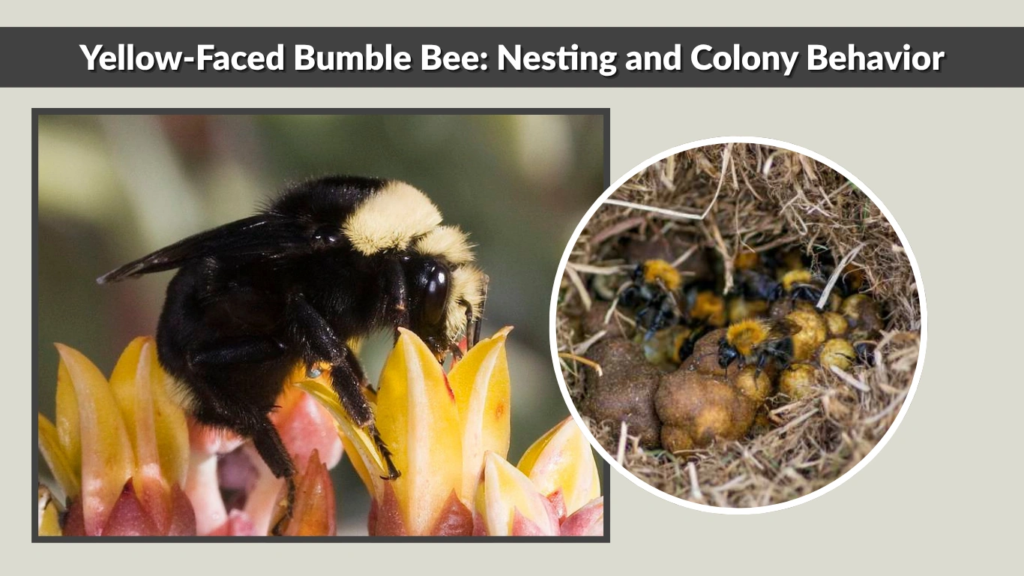
Like most bumble bees, the yellow-faced bumble bee forms small colonies of 50 to 400 members. A single queen starts the nest in early spring, laying eggs that hatch into workers who maintain the colony.
Nesting Sites
They typically nest underground, using old rodent burrows or sheltered soil cavities. The bees line these nests with wax and store small amounts of nectar and pollen to feed their young.
Life Cycle
- Spring: Queen emerges from hibernation and starts a nest.
- Summer: Workers forage for nectar and pollen to support the colony.
- Late Summer: New queens and males are produced for mating.
- Autumn/Winter: Old workers die off, and the fertilized queens hibernate until spring.
This seasonal cycle ensures the species’ survival year after year.
Role in Pollination
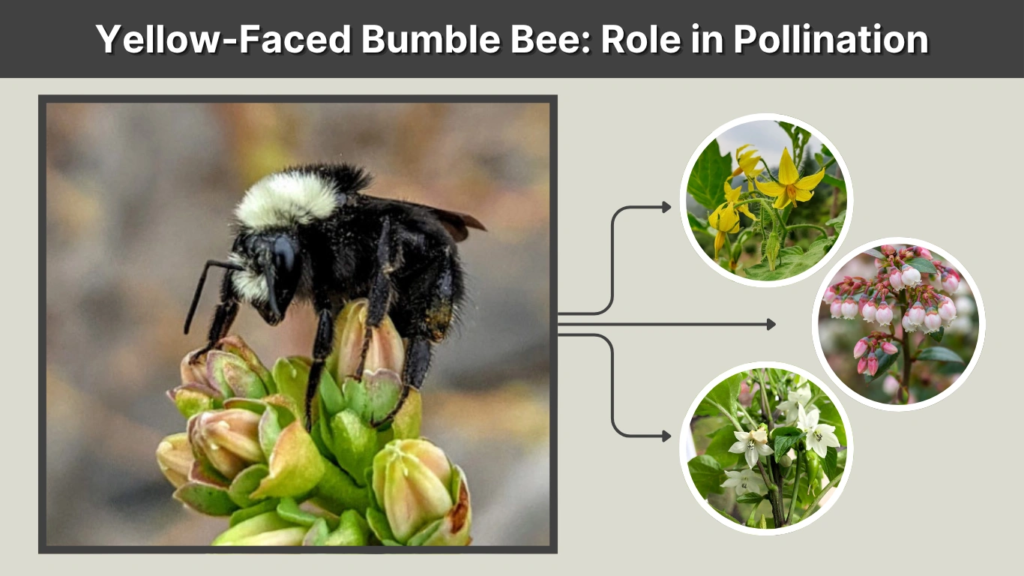
The yellow-faced bumble bee is a critical pollinator for both wild and agricultural plants. Its large, hairy body makes it especially effective at transferring pollen, even between deep flowers. It’s particularly known for its skill in buzz pollination — vibrating flowers to release pollen trapped inside.
Some of the crops and plants it pollinates include:
- Tomatoes
- Blueberries
- Peppers
- Clover
- Native wildflowers
Farmers value this species for its reliability and resilience, especially in regions where honey bees are less active due to temperature fluctuations.
Do Yellow-Faced Bumble Bees Sting?
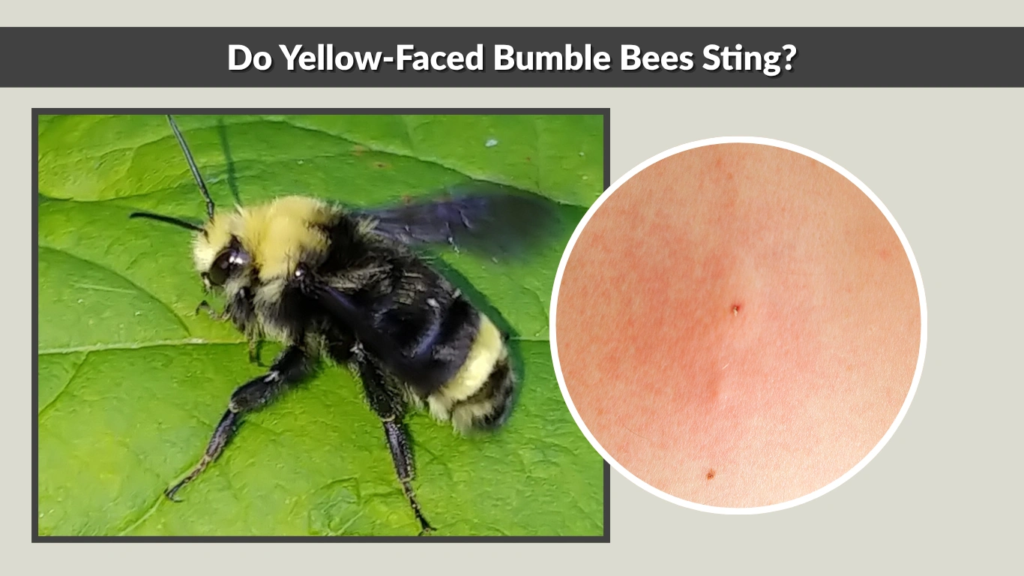
Yes, but only in self-defense. These bees are gentle and non-aggressive, making them safe to observe in gardens.
- Females (workers and queens) can sting but rarely do.
- Males have no stingers at all.
- Bumble bee stings do not detach like those of honey bees, allowing them to sting multiple times if necessary.
If left undisturbed, yellow-faced bumble bees pose no threat and are more focused on collecting nectar than defending themselves.
Yellow-Faced Bumble Bee Queen
The queen is the foundation of the colony. She emerges early in spring, often one of the first pollinators to appear. After feeding on nectar to regain strength, she searches for a nesting site. Once established, she lays eggs and cares for the first generation of workers until they mature.
By summer, the queen’s main role shifts to reproduction, producing future queens and males before she eventually dies in autumn. Her offspring continue the life cycle the following year.
Conservation and Threats
Despite being widespread, the yellow-faced bumble bee faces challenges from:
- Habitat loss due to urban development and agriculture.
- Pesticide exposure, which weakens immune systems and foraging ability.
- Climate change, affecting flowering cycles and nesting patterns.
You can help support these bees by:
- Planting native flowering plants like lupines, poppies, and lavender.
- Avoiding pesticides in your garden.
- Providing natural nesting areas with loose soil or compost heaps.
Protecting pollinators like the yellow-faced bumble bee ensures the health of ecosystems and sustainable food production.
FAQs
Where are yellow-faced bumble bees commonly found?
They are primarily found along the west coast of North America, from southern Canada to California, thriving in gardens, meadows, and open fields.
Do yellow-faced bumble bees sting humans?
They can sting if threatened, but they are calm and rarely aggressive. Most stings occur only when their nests are disturbed.
What flowers attract yellow-faced bumble bees?
They love native wildflowers, lavender, clover, and flowering herbs like thyme and mint. Bright, open blooms with accessible pollen are their favorites.
Are yellow-faced bumble bees endangered?
No, this species is still stable compared to others, but habitat destruction and chemical use could threaten future populations if left unchecked.
Why do bumble bees have yellow and black stripes?
These colors act as a warning to predators, signaling that the bee can sting. It’s a form of natural protection known as aposematic coloration.
