

Sawflies are fascinating insects often mistaken for wasps but entirely harmless to humans. Belonging to the order Hymenoptera, they play essential roles in ecosystems, though some species can cause noticeable plant or tree damage. Found worldwide, sawflies vary widely in color, size, and host preference. Understanding their identification, habitats, and life cycles helps manage their populations and protect affected vegetation naturally.
1. Birch Sawfly

The Birch Sawfly is a common leaf-eating insect found primarily on birch trees. Known for its caterpillar-like larvae, this species can cause extensive defoliation during outbreaks. Although they resemble wasps, birch sawflies are harmless to humans and do not sting.
Identification
- Adult sawflies are black with yellow markings.
- Larvae are pale green with black heads.
- About 1 inch long when mature.
- Often seen feeding in groups on birch leaves.
Preferred Habitat
Birch sawflies inhabit temperate regions where birch trees are abundant. They are commonly found in woodlands, parks, and residential areas with ornamental birches.
Life Cycle and Behavior
Females lay eggs on the underside of birch leaves in late spring. The larvae feed for several weeks before dropping to the soil to pupate. Adults emerge in early summer, completing one or two generations per year.
Risks and Tree Damage
While they pose no threat to humans, birch sawflies can defoliate entire branches if left unchecked. Repeated infestations weaken trees, making them more susceptible to disease and environmental stress.
2. Elm Sawfly

The Elm Sawfly is one of the largest sawfly species in North America, easily recognized by its wasp-like appearance and impressive size. Although it looks intimidating, this insect is harmless to humans and primarily feeds on the leaves of elm, willow, and maple trees.
Identification
- Adults are large, reaching up to 1 inch long.
- Metallic blue-black body with orange antennae.
- Larvae resemble caterpillars and are greenish-yellow with a dark stripe.
- Often seen resting on tree trunks or leaves.
Habitat Range
Elm sawflies thrive in forests, woodlands, and suburban areas with abundant elm or willow trees. They are especially common along riverbanks and moist environments where their host trees grow.
Life Cycle and Feeding Habits
Females lay eggs on the underside of leaves in early summer. The larvae feed heavily on foliage before dropping to the soil to pupate in late summer. Adults emerge the following spring, completing one generation per year.
Impact on Trees and Environment
While they can defoliate trees when present in large numbers, elm sawflies rarely cause lasting damage. Their feeding is generally limited to leaves and doesn’t threaten the overall health of mature trees.
3. Pine Sawfly

The Pine Sawfly is a well-known defoliator of coniferous trees, particularly pines. Its larvae resemble small caterpillars that feed in groups, stripping needles from branches. Despite their destructive feeding habits, pine sawflies are non-stinging and harmless to people and pets.
Identification
- Adults are small, wasp-like insects with black bodies and yellow or reddish markings.
- Larvae are green with dark stripes and black heads.
- Grow up to 1 inch long and feed in clusters on pine needles.
- Often found on young pine shoots during spring and early summer.
Natural Habitat
Pine sawflies inhabit forests, plantations, and residential landscapes containing pine species such as Scots, red, or jack pine. They prefer sunny areas and are most active during warm, dry weather.
Life Cycle and Feeding Patterns
Females lay eggs inside pine needles in late spring. Larvae feed for several weeks, consuming needles and leaving behind bare twigs. After feeding, they drop to the soil to spin cocoons and overwinter as pupae. Adults emerge the next spring to start the cycle again.
Tree Damage and Control
Heavy infestations can cause severe needle loss, weakening trees and making them vulnerable to disease or drought. Natural predators like birds and parasitic wasps help control populations, while insecticidal soaps and pruning can manage outbreaks.
4. Willow Sawfly
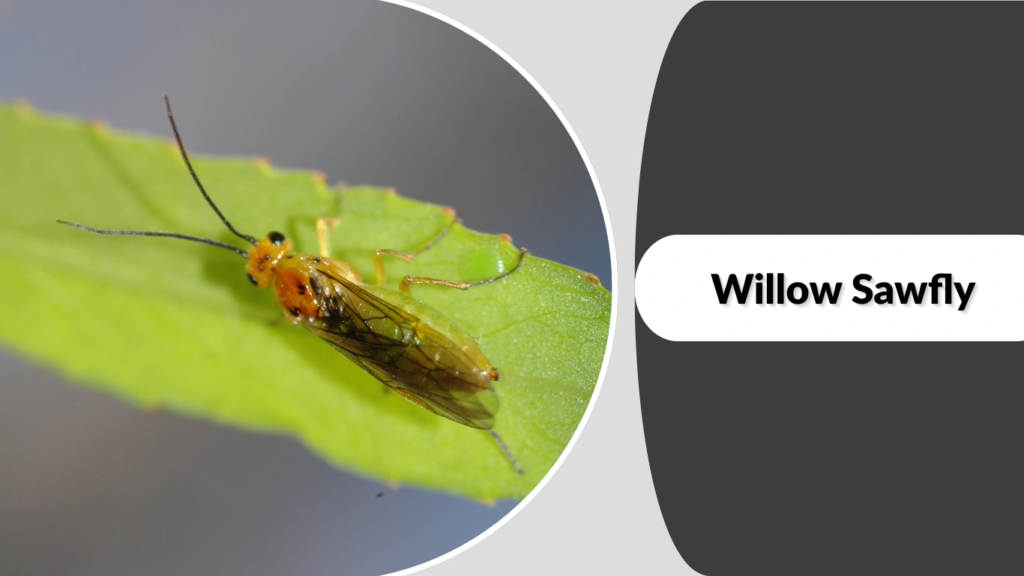
The Willow Sawfly is a leaf-feeding insect commonly found on willow trees across temperate regions. Though often mistaken for a wasp, it poses no threat to humans. Its larvae can cause visible defoliation during outbreaks but rarely lead to permanent tree damage.
Identification
- Adults are small, black, and shiny with transparent wings.
- Larvae are green with dark heads and resemble caterpillars.
- Grow up to ¾ inch long when mature.
- Often found feeding in groups on the undersides of willow leaves.
Habitat Preferences
This species thrives near water sources such as streams, lakes, and wetlands where willow trees naturally grow. They are also common in urban parks and gardens with ornamental willows.
Life Cycle and Feeding Activity
Females lay eggs along the veins of willow leaves in spring. The larvae feed for about two to three weeks before dropping to the ground to pupate. One or two generations may occur each year, depending on the climate.
Damage and Management
Larval feeding causes skeletonized leaves, leaving only veins intact. Severe infestations can temporarily weaken trees, but healthy willows usually recover. Pruning infested branches and encouraging natural predators help keep populations in check.
5. Rose Sawfly
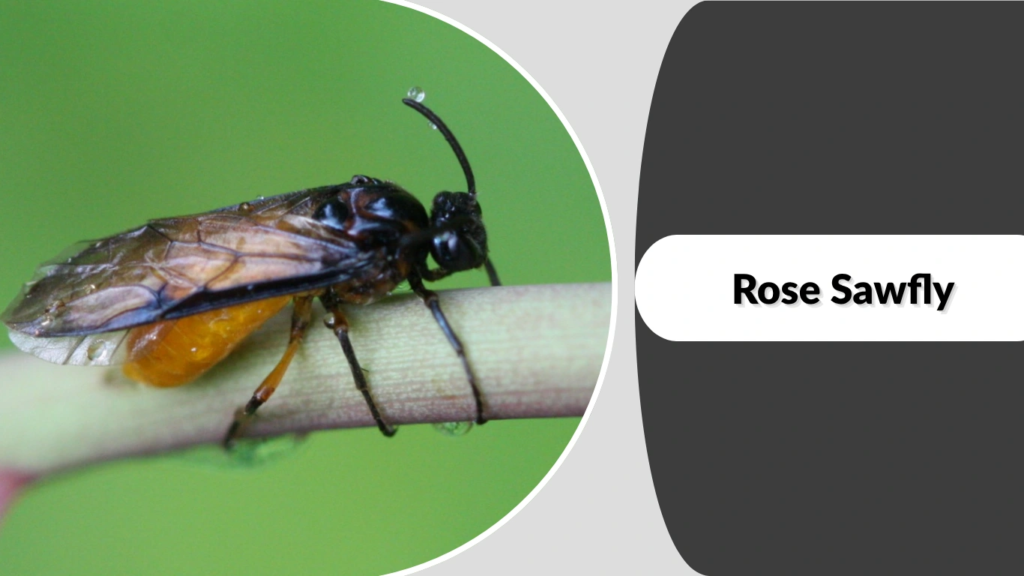
The Rose Sawfly is a common pest of garden roses, known for its larvae that feed on tender leaves and skeletonize them. Despite its name and wasp-like look, it doesn’t sting or harm humans. Its activity peaks in late spring and early summer when roses are actively growing.
Identification
- Adults are small, black or dark green wasp-like insects with clear wings.
- Larvae are pale green, smooth, and resemble tiny caterpillars.
- Grow up to ½ inch long.
- Typically found on the underside of rose leaves, often in clusters.
Habitat and Host Plants
Rose sawflies thrive in gardens, parks, and landscaped areas where roses are cultivated. They prefer sunny, sheltered environments with abundant flowering shrubs.
Life Cycle and Feeding Behavior
Females lay eggs on the edges of young rose leaves. The larvae hatch and feed between veins, creating skeletonized patterns. After several weeks, they drop to the soil to pupate, emerging as adults the following spring. Some species may produce multiple generations per year.
Plant Damage and Control Measures
Infested plants show translucent or chewed leaves, giving them a scorched appearance. Regular inspection, removal of affected leaves, and application of horticultural soaps or neem oil help control populations effectively without harming beneficial insects.
6. Birch Leafminer Sawfly

The Birch Leafminer Sawfly is a small but impactful pest that targets birch trees. Its larvae feed inside leaves, creating brown, blotchy “mines” that spoil a tree’s appearance. While unsightly, infestations rarely kill trees but can weaken them over time if repeated annually.
Identification
- Adults are small, black sawflies resembling tiny wasps.
- Larvae are flat, creamy-white, and live within leaf tissue.
- Damaged leaves show brown, papery blotches between veins.
- Most noticeable during late spring and early summer.
Habitat and Distribution
These sawflies are found wherever birch trees grow — from forests to suburban gardens. They are especially common in northern and temperate climates, thriving in moist, shaded conditions.
Life Cycle and Feeding Process
Females insert eggs into birch leaves in spring. Once hatched, larvae feed within the leaf layers for several weeks before dropping to the soil to pupate. Adults emerge the following spring, typically producing one generation per year.
Effects and Control Strategies
Heavy infestations cause leaves to brown prematurely, reducing photosynthesis and tree vigor. Control includes removing infested leaves, encouraging natural predators, and applying systemic insecticides early in the season before larvae enter the leaves.
7. Common Sawfly

The Common Sawfly is a widespread species found in various habitats, including gardens, forests, and agricultural areas. It feeds on a wide range of plants and shrubs. Though often mistaken for a wasp due to its appearance, it lacks a stinger and poses no danger to humans.
Identification
- Adults are small, black or dark brown with transparent wings.
- Larvae are green or yellowish and resemble caterpillars.
- Grow up to ¾ inch long.
- Frequently seen feeding in groups on leaves of shrubs and small trees.
Habitat and Host Plants
Common sawflies inhabit diverse environments, from woodlands to backyards. They feed on many plant species, including roses, willows, birches, and pines, adapting easily to available vegetation.
Life Cycle and Feeding Pattern
Females lay eggs inside leaf tissue in spring. The larvae emerge and feed for several weeks before pupating in the soil. Depending on climate, two or more generations can occur per year, particularly in warm regions.
Damage and Natural Control
Feeding causes holes, skeletonization, or complete defoliation of leaves. Although damage can be severe during outbreaks, most plants recover. Birds, parasitic wasps, and predatory insects naturally reduce populations, minimizing the need for chemical control.
8. European Pine Sawfly

The European Pine Sawfly is a serious pest of pine forests and ornamental trees, especially in North America and Europe. Its larvae feed voraciously on pine needles, causing defoliation and weakening trees. Despite its harmful effects on pines, it is harmless to humans and animals.
Identification
- Adults are small, dark-colored insects with yellowish markings.
- Larvae are greenish-gray with black heads and stripes.
- Grow up to 1 inch long when mature.
- Usually found in clusters on older pine needles.
Habitat and Host Trees
This sawfly primarily targets pine species such as Scots, red, and jack pine. It inhabits both natural forests and urban landscapes, preferring dry, sunny environments with dense pine growth.
Life Cycle and Feeding Behavior
Females lay eggs inside pine needles during late summer. Larvae emerge the following spring and feed on older needles, leaving new growth intact. After feeding, they drop to the ground to pupate, completing one generation annually.
Tree Impact and Management
Infested trees show brown, stripped branches and reduced needle growth. Severe infestations can stunt tree development and increase susceptibility to other pests. Natural enemies like parasitic wasps and birds, along with manual removal of larvae clusters, help maintain control.
9. Dusky Birch Sawfly

The Dusky Birch Sawfly is a frequent pest of birch trees, known for its grayish larvae that feed on foliage during late spring and summer. While infestations can cause noticeable defoliation, they rarely kill trees outright. However, repeated attacks can weaken birches over time.
Identification
- Adults are small, dark gray to black with translucent wings.
- Larvae are grayish-green with a darker back and light underside.
- Grow up to ¾ inch long when mature.
- Often found feeding in groups along the edges of birch leaves.
Habitat and Distribution
This species thrives in temperate regions across North America and Europe. It prefers moist, wooded areas and ornamental landscapes containing birch species like paper, gray, and river birch.
Life Cycle and Feeding Habits
Eggs are laid on the undersides of birch leaves in late spring. The larvae feed for several weeks before dropping to the soil to pupate. One generation typically occurs each year, with adults emerging the following spring.
Effects on Trees and Control
Heavy infestations can strip entire branches, leaving trees sparse and stressed. While mature birches can recover, young trees may suffer reduced growth. Control involves pruning infested branches, encouraging predators, or using safe insecticidal sprays early in larval development.
10. Mountain Ash Sawfly
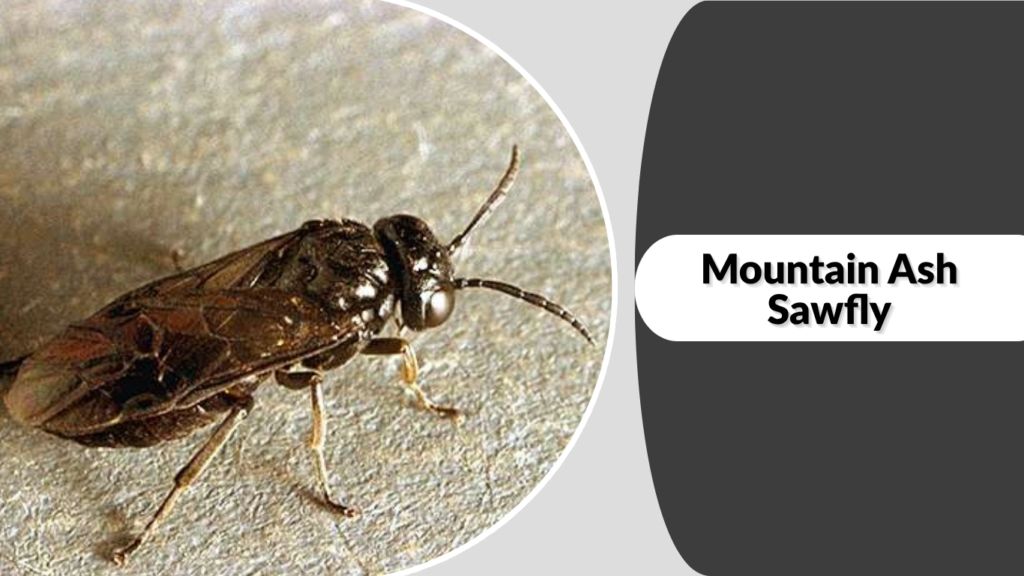
The Mountain Ash Sawfly is a leaf-feeding insect that targets mountain ash trees and related species. During heavy infestations, it can defoliate entire trees, giving them a scorched appearance. Despite its destructive feeding, this sawfly is harmless to people and does not sting.
Identification
- Adults are small, black sawflies with transparent wings.
- Larvae are yellow-green with black spots and orange heads.
- Grow up to 1 inch long when mature.
- Often seen feeding in clusters on the upper surfaces of leaves.
Habitat and Range
This species inhabits regions where mountain ash (rowan) trees grow naturally, including forests, parks, and residential areas. It is common across North America and parts of Europe, especially in cooler climates.
Life Cycle and Feeding Behavior
Females lay eggs on leaf edges in late spring. Larvae hatch within a week and begin feeding in groups, consuming leaf tissue between veins. After several weeks, they drop to the soil to pupate and overwinter. Adults emerge in late spring or early summer.
Tree Impact and Control
Severe infestations can result in partial or total defoliation, weakening trees and reducing berry production. Natural predators such as birds and parasitic wasps often keep populations under control. Hand removal or early-season sprays can further protect ornamental trees.
11. Dogwood Sawfly

The Dogwood Sawfly is a striking and sometimes destructive pest of dogwood trees and shrubs. Its larvae feed on leaves and can defoliate branches, but healthy plants usually recover quickly. Despite their wasp-like appearance, adult sawflies do not sting or harm humans.
Identification
- Adults are black with a yellow band across the abdomen.
- Larvae change color as they grow — white and fuzzy when young, smooth yellow with black spots when mature.
- Reach up to 1 inch long.
- Often seen feeding along leaf edges or undersides.
Habitat and Distribution
Dogwood sawflies are found throughout North America in woodlands, gardens, and landscapes where dogwood trees thrive. They prefer moist, shaded habitats but can adapt to urban environments.
Life Cycle and Feeding Activity
Eggs are laid on the undersides of dogwood leaves in late spring. Larvae feed through summer, then crawl into decayed wood or soil to pupate and overwinter. Adults emerge in late spring or early summer to begin a new cycle.
Tree Damage and Management
Infestations cause skeletonized or completely eaten leaves. Severe feeding may weaken young or stressed trees. Control methods include pruning infested branches, removing larvae by hand, and promoting natural predators like birds and wasps.
12. Columbine Sawfly

The Columbine Sawfly is a small insect that specifically targets columbine plants. Its larvae feed on the delicate foliage, often leaving plants with a tattered or lacy appearance. Despite this damage, the sawfly poses no risk to humans or pets and does not sting.
Identification
- Adults are tiny, black, wasp-like insects with transparent wings.
- Larvae are pale green and resemble miniature caterpillars.
- Grow up to ½ inch long.
- Commonly found on the undersides of columbine leaves during spring.
Habitat and Host Plants
This species is most common in gardens, parks, and landscaped areas where columbines are grown. It thrives in temperate climates with moderate moisture and partial sunlight.
Life Cycle and Feeding Behavior
Females lay eggs along the leaf margins in early spring. Larvae hatch within days and feed continuously, consuming leaf edges and creating scalloped holes. After feeding, they drop to the soil to pupate, producing one or two generations per year.
Plant Impact and Control
Defoliation from heavy infestations can stunt plant growth and reduce flowering. Regular inspection, hand-picking larvae, and applying insecticidal soap or neem oil are effective management strategies. Encouraging natural predators, like ladybugs and birds, also helps maintain balance.
13. Spruce Sawfly

The Spruce Sawfly is a common pest that feeds on spruce trees, particularly young ones. Its larvae consume needles, giving trees a thin, ragged appearance. While outbreaks can be damaging, most healthy spruce trees recover once feeding subsides.
Identification
- Adults are small, dark, wasp-like insects with clear wings.
- Larvae are green with dark stripes along the body.
- Grow up to ¾ inch long when mature.
- Found in clusters on spruce needles, especially lower branches.
Habitat and Host Range
This species prefers cool, forested regions and ornamental landscapes with white, black, or Norway spruce. They are found throughout North America and parts of Europe, particularly in northern climates.
Life Cycle and Feeding Behavior
Females lay eggs in new spruce needles in late spring. Larvae feed for several weeks, often consuming entire needles, before dropping to the ground to pupate. Adults emerge the following spring, completing one generation per year.
Tree Impact and Control Methods
Feeding damage causes browning and premature needle drop, reducing growth and vigor. Natural enemies such as birds and parasitic wasps often limit infestations. In severe cases, pruning infested branches or applying early-season insecticidal treatments can protect trees.
14. Birch Wood Sawfly
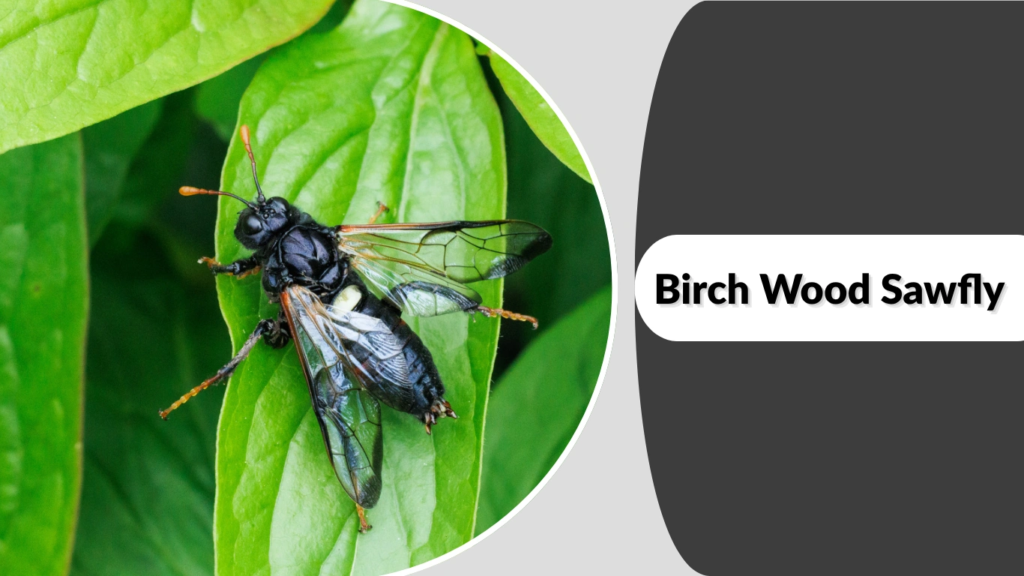
The Birch Wood Sawfly is a wood-boring species that targets birch trees, especially those weakened by stress or disease. Unlike leaf-feeding sawflies, its larvae tunnel into wood, causing structural damage over time. Although they rarely kill trees outright, infestations can weaken trunks and branches.
Identification
- Adults are black with reddish or yellowish legs and transparent wings.
- Larvae are creamy white and legless, typical of wood-boring insects.
- Grow up to 1 inch long inside tunnels within birch wood.
- Frass (wood dust) around bark openings indicates larval presence.
Habitat and Tree Preference
This species is found in forests and wooded areas with abundant birch populations. It prefers stressed, dying, or recently felled birch trees, making it more common in unmanaged forests or after storms.
Life Cycle and Boring Activity
Eggs are laid beneath the bark or in cracks of weakened birch trees. Larvae bore into the sapwood and heartwood, feeding for several months before pupating inside the tunnels. Adults emerge through exit holes in spring or early summer.
Tree Damage and Prevention
Infestation causes internal weakening and branch dieback. Removing and destroying infested wood prevents further spread. Promoting tree health through watering, pruning, and pest monitoring helps reduce vulnerability to birch wood sawfly attacks.
15. Larch Sawfly

The Larch Sawfly is a defoliating insect that feeds exclusively on larch (tamarack) trees. Though small, it can cause severe needle loss during outbreaks, weakening trees and making them vulnerable to disease. Despite their wasp-like look, these insects are harmless to people.
Identification
- Adults are small, black sawflies with clear wings.
- Larvae are greenish-gray with a dark stripe and black head.
- Reach about ¾ inch in length when mature.
- Often found feeding in clusters on larch needles.
Habitat and Range
This species is common throughout northern North America, Europe, and Asia, where larch forests are prevalent. It thrives in cool, moist regions and can be found in both natural forests and ornamental plantings.
Life Cycle and Feeding Behavior
Females lay eggs in early spring within developing larch needles. The larvae feed for several weeks, stripping trees of their soft needles. They drop to the soil to overwinter as prepupae, emerging as adults the next spring. Only one generation occurs per year.
Tree Damage and Control Measures
Infested trees may appear thin or brown by midsummer. Severe or repeated defoliation can reduce growth and increase susceptibility to pests. Encouraging natural enemies like parasitic wasps and applying early-season insecticidal sprays help control outbreaks.
16. Pear Slug Sawfly

The Pear Slug Sawfly, also known as the Pear Sawfly or Cherry Slug, is a common pest of fruit trees such as pear, cherry, and plum. Its slimy, slug-like larvae skeletonize leaves, reducing the plant’s ability to photosynthesize. Despite its name, it is not a true slug and does not sting.
Identification
- Adults are small, glossy black sawflies with clear wings.
- Larvae are olive-green to black, covered with a slimy coating.
- Grow up to ½ inch long when mature.
- Often found on the upper surfaces of fruit tree leaves.
Habitat and Host Plants
This species thrives in orchards, gardens, and parks with fruit-bearing trees. It is found worldwide in temperate climates, particularly where pears, cherries, and plums are cultivated.
Life Cycle and Feeding Behavior
Females lay eggs in leaf tissue during spring. Larvae feed on leaf surfaces, leaving a delicate, lace-like skeleton. After several weeks, they drop to the ground to pupate and may produce two or more generations per year, depending on temperature.
Plant Damage and Control
Feeding reduces foliage density, weakening trees and affecting fruit yield. Natural predators like birds and predatory beetles help control populations. Washing leaves with soapy water or using horticultural oils can effectively remove larvae and prevent further damage.
17. Currant Sawfly

The Currant Sawfly is a major pest of currant and gooseberry bushes, known for its ability to strip plants of foliage in just a few days. Its larvae resemble caterpillars and feed greedily on leaves, sometimes causing complete defoliation if left uncontrolled.
Identification
- Adults are small, black sawflies with transparent wings.
- Larvae are green with black spots and a pale head.
- Grow up to ¾ inch long.
- Usually found on the undersides of currant or gooseberry leaves.
Habitat and Host Plants
This sawfly thrives in gardens, orchards, and hedgerows where currant and gooseberry bushes are grown. It prefers temperate climates and is especially common in Europe and North America.
Life Cycle and Feeding Pattern
Females lay eggs along leaf veins in spring. The larvae feed in groups, consuming leaf tissue and leaving only veins. After feeding, they drop to the soil to pupate and emerge as adults within weeks, often producing multiple generations per season.
Plant Damage and Control
Defoliated plants suffer reduced growth and lower fruit yields. Monitoring early signs of feeding and removing larvae manually can prevent severe damage. Applying insecticidal soap or encouraging natural predators, such as birds and lady beetles, offers effective organic control.
18. Hawthorn Sawfly

The Hawthorn Sawfly is a leaf-feeding insect that primarily targets hawthorn trees and related shrubs. Its larvae can quickly skeletonize leaves, leaving trees with a thin, lacy appearance. Despite its pest status, the hawthorn sawfly is harmless to humans and does not sting.
Identification
- Adults are small, dark-colored sawflies resembling tiny wasps.
- Larvae are greenish-yellow with black heads and faint stripes.
- Grow up to ¾ inch long when mature.
- Often found feeding on the upper surfaces of hawthorn leaves.
Habitat and Host Range
This species is found in woodlands, hedgerows, and urban gardens where hawthorn trees or shrubs grow. It also occasionally feeds on related species like apple and pear trees.
Life Cycle and Feeding Activity
Females lay eggs in spring along the edges of young hawthorn leaves. Larvae hatch and feed for several weeks before pupating in the soil. Adults emerge the following spring, completing one generation per year in most climates.
Tree Impact and Control
Severe infestations cause skeletonized foliage and reduced photosynthesis, but healthy trees typically recover. Pruning infested branches, removing larvae by hand, and promoting beneficial predators like birds and parasitic wasps are effective control methods.
