
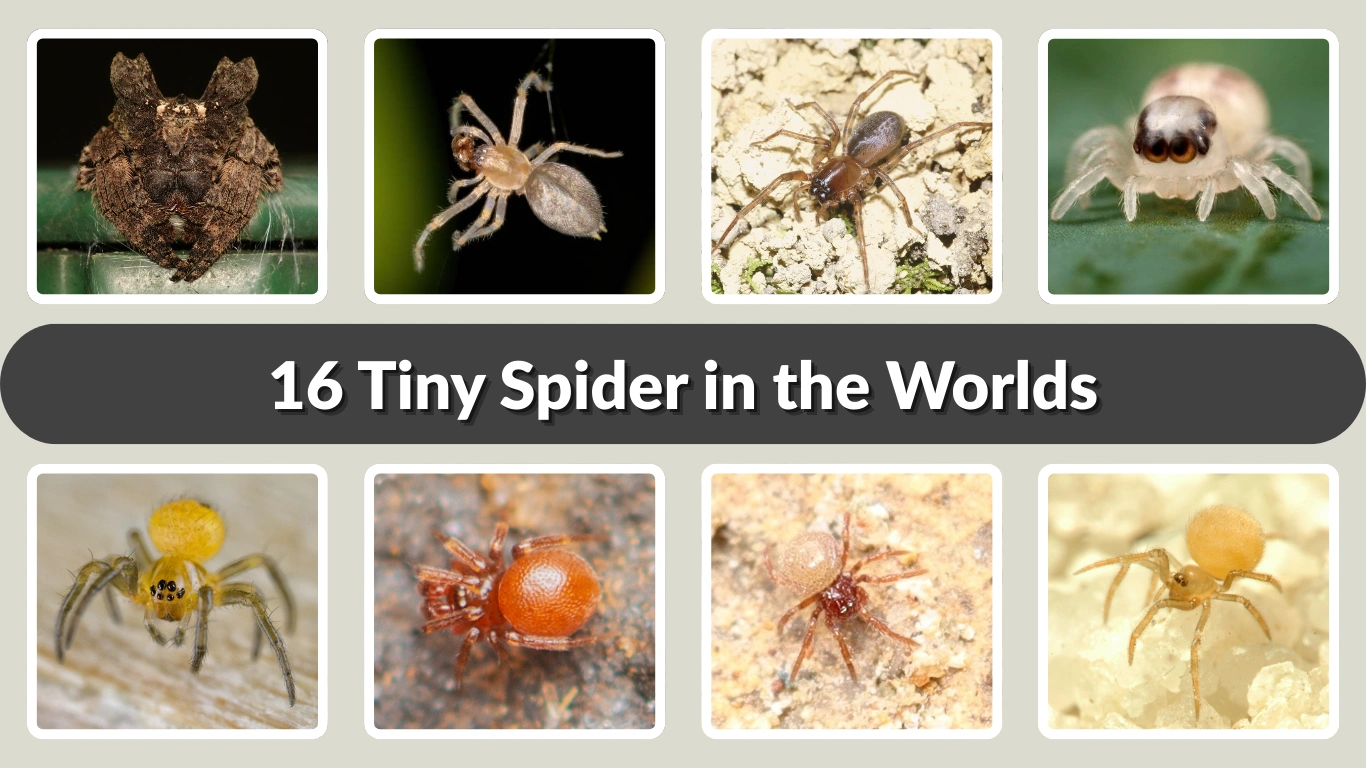
Tiny spiders are some of the most overlooked creatures in the animal kingdom, often living their entire lives unseen by humans. Measuring just a few millimeters—or even less—these miniature arachnids inhabit leaf litter, caves, forests, and soil across the globe. Despite their size, tiny spiders play an important ecological role by controlling microscopic insect populations and maintaining natural balance within their ecosystems.
1. Patu digua
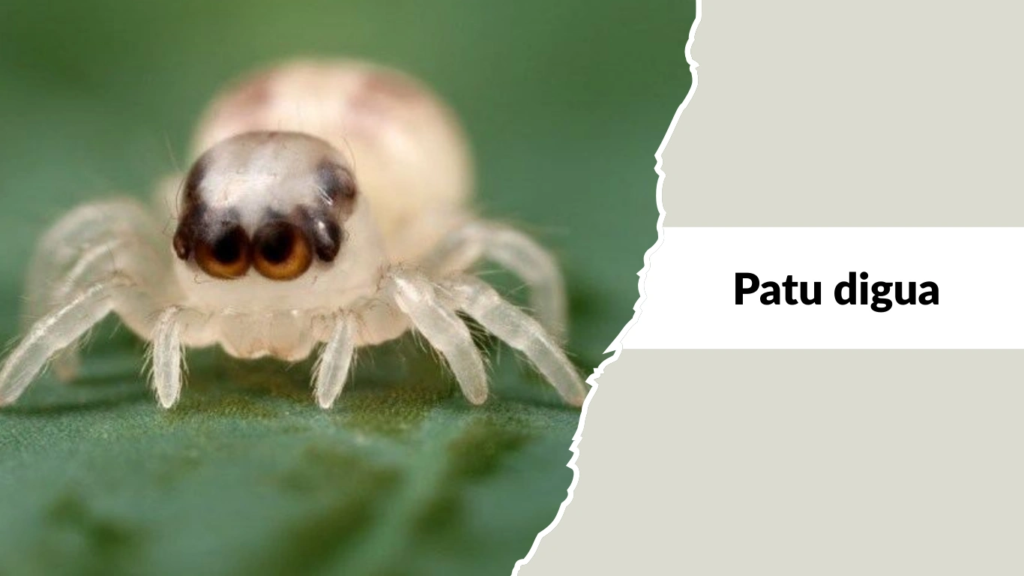
Patu digua is recognized as one of the smallest spiders in the world and is often cited as the tiniest known male spider species. Native to Colombia, this microscopic spider belongs to the Symphytognathidae family and is rarely seen due to its extremely small size and discreet lifestyle.
Identification
- Adult males measure around 0.37 mm in body length
- Pale to translucent body coloration
- Rounded abdomen with a very compact body structure
- Extremely fine legs that are difficult to see without magnification
Habitat and Behavior
Patu digua lives in humid forest environments, usually within leaf litter, moss, or soil debris. Due to its size, it remains hidden from predators and human observation. It is a quiet, non-aggressive species that relies on secrecy rather than speed or strength for survival.
Diet and Lifecycle
This tiny spider feeds on microscopic insects and other minute invertebrates found in its habitat. Like other spiders, it goes through egg, spiderling, and adult stages, but its full lifecycle is still not well documented because of the difficulty in studying such a small species.
2. Patu marplesi
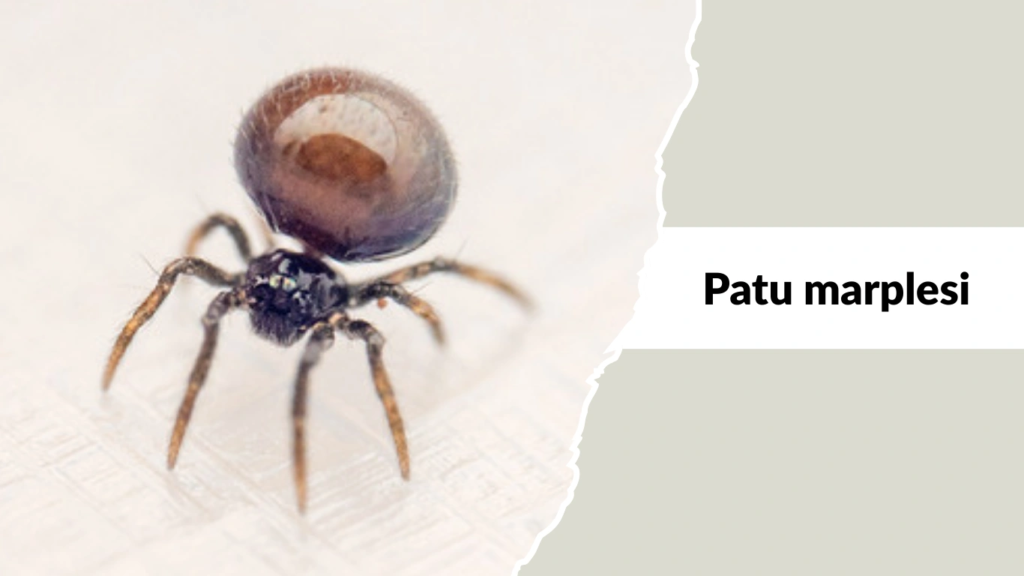
Patu marplesi is another extremely small spider species from the Symphytognathidae family and is considered one of the tiniest spiders ever recorded. It is slightly larger than Patu digua but still nearly invisible to the naked eye and was discovered in the Pacific region.
Identification
- Adult body length is about 0.4–0.6 mm
- Light brown to pale yellow coloration
- Rounded abdomen with a soft, delicate appearance
- Very thin, short legs adapted for confined spaces
Habitat and Behavior
This species is commonly found in moist forest habitats, especially within leaf litter and soil crevices. Patu marplesi is highly secretive and spends most of its life hidden from predators. It does not build noticeable webs and relies on staying concealed rather than active hunting.
Diet and Lifecycle
Patu marplesi feeds on tiny invertebrates such as springtails and microscopic insects. Its lifecycle follows the typical spider development stages, but detailed reproductive and lifespan data remain limited due to its minute size and rare encounters.
3. Anapistula ataecina
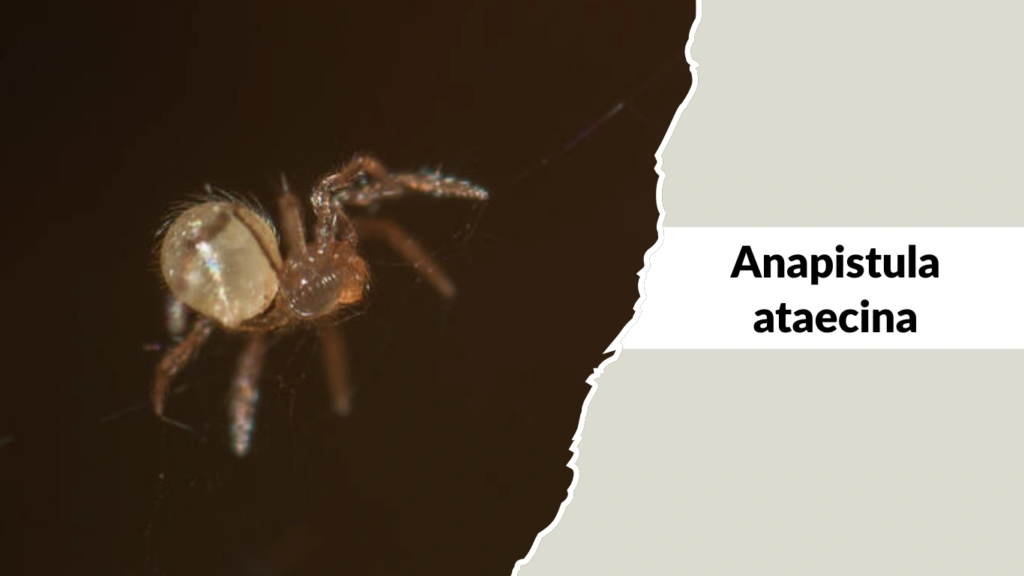
Anapistula ataecina is a minute spider species known for its extremely small size and cave-dwelling habits. It belongs to the family Symphytognathidae and is primarily found in subterranean environments, making it one of the least-seen tiny spiders in the world.
Identification
- Body length usually under 1 mm
- Pale whitish to translucent body color
- Soft, rounded abdomen with a fragile appearance
- Slender legs adapted for dark, confined spaces
Habitat and Behavior
This spider typically inhabits caves, underground crevices, and other low-light, high-humidity environments. It is well adapted to life in darkness and shows slow, cautious movement. Anapistula ataecina is non-aggressive and avoids open areas whenever possible.
Diet and Lifecycle
The species feeds on microscopic insects and tiny arthropods found in cave ecosystems. Its lifecycle follows standard spider development stages, but much of its reproduction and lifespan remains unknown due to the difficulty of studying cave-restricted micro-spiders.
4. Anapistula caecula
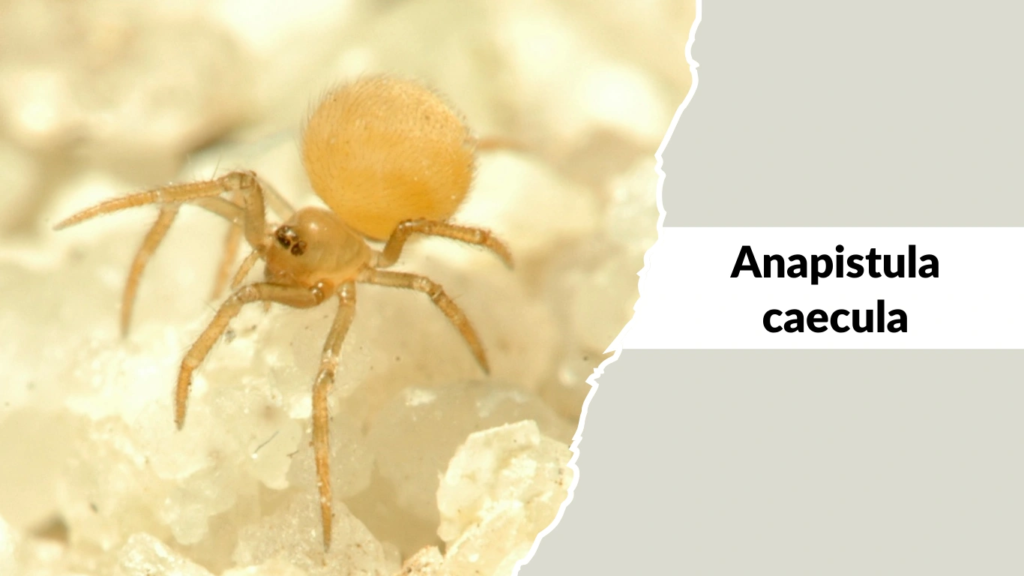
Anapistula caecula is a tiny, cave-adapted spider species known for its delicate body and near-transparent appearance. Like other members of the Anapistula genus, it is extremely small and rarely observed outside specialized subterranean habitats.
Identification
- Adult body length usually below 1 mm
- Translucent to pale white coloration
- Reduced or absent eye pigmentation
- Thin, fragile legs suited for narrow spaces
Habitat and Behavior
This species primarily lives in caves, underground fissures, and other dark, humid environments. It exhibits slow movement and spends most of its life hidden among rock surfaces or cave walls. Anapistula caecula avoids light and disturbance, relying on camouflage and stillness.
Diet and Lifecycle
Anapistula caecula feeds on microscopic cave-dwelling insects and small arthropods. Its lifecycle includes egg, spiderling, and adult stages, though detailed studies are limited due to its hidden lifestyle and extremely small size.
5. Symphytognatha carstica
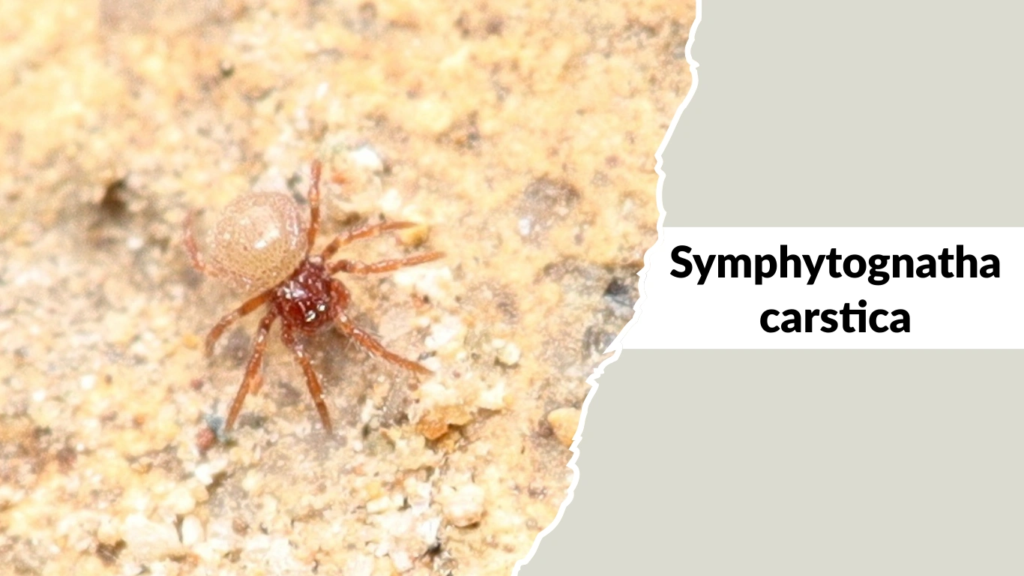
Symphytognatha carstica is a microscopic spider species belonging to the Symphytognathidae family. It is known for its compact body structure and preference for dark, humid environments, making it one of the lesser-known tiny spiders in the world.
Identification
- Body length generally under 1 mm
- Pale brown to whitish coloration
- Rounded abdomen with a fused appearance
- Short, delicate legs relative to body size
Habitat and Behavior
This species is commonly found in moist caves, karst regions, and forest leaf litter. It remains hidden within tiny crevices and shows minimal surface activity. Symphytognatha carstica is non-aggressive and relies on concealment rather than movement for protection.
Diet and Lifecycle
The spider feeds on minute insects and microscopic arthropods found in damp environments. Like other tiny spiders, its lifecycle is poorly documented, but it follows the standard spider development from egg to adult.
6. Symphytognatha picta
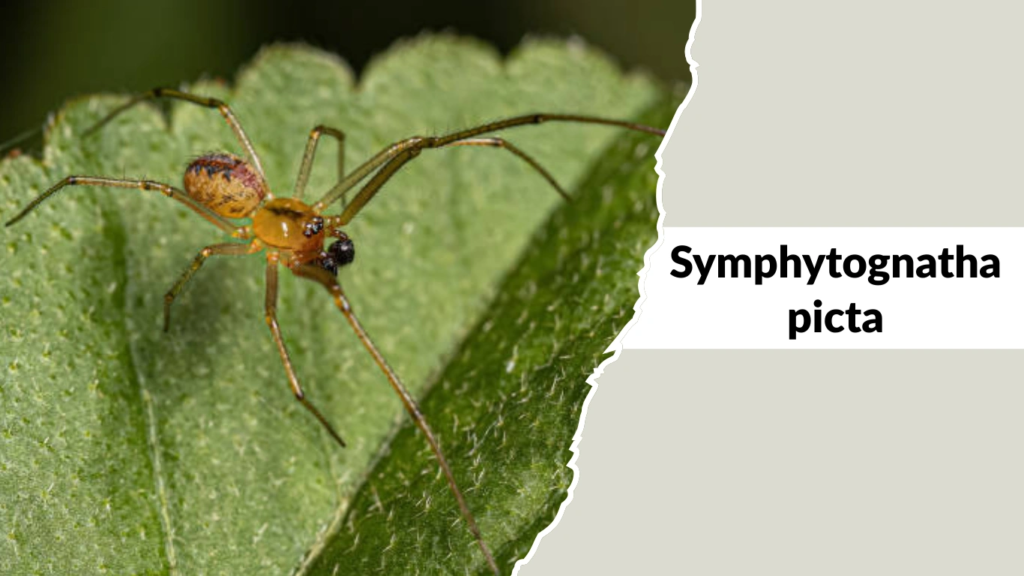
Symphytognatha picta is a very small spider species recognized for its delicate body and subtle coloration. As a member of the Symphytognathidae family, it is adapted to living in hidden, moisture-rich environments and is rarely noticed by humans.
Identification
- Adult body length typically under 1 mm
- Light brown to pale cream body color
- Rounded abdomen with faint markings
- Short, thin legs with a fragile appearance
Habitat and Behavior
This spider is usually found in forest leaf litter, moss, and damp ground cover. It prefers shaded, humid areas and remains inactive during daylight hours. Symphytognatha picta relies on camouflage and stillness rather than speed to avoid predators.
Diet and Lifecycle
Symphytognatha picta feeds on microscopic insects and tiny arthropods present in moist habitats. Its lifecycle follows the usual spider stages, but specific details about breeding and lifespan remain largely unknown due to its minute size.
7. Anapisona simoni
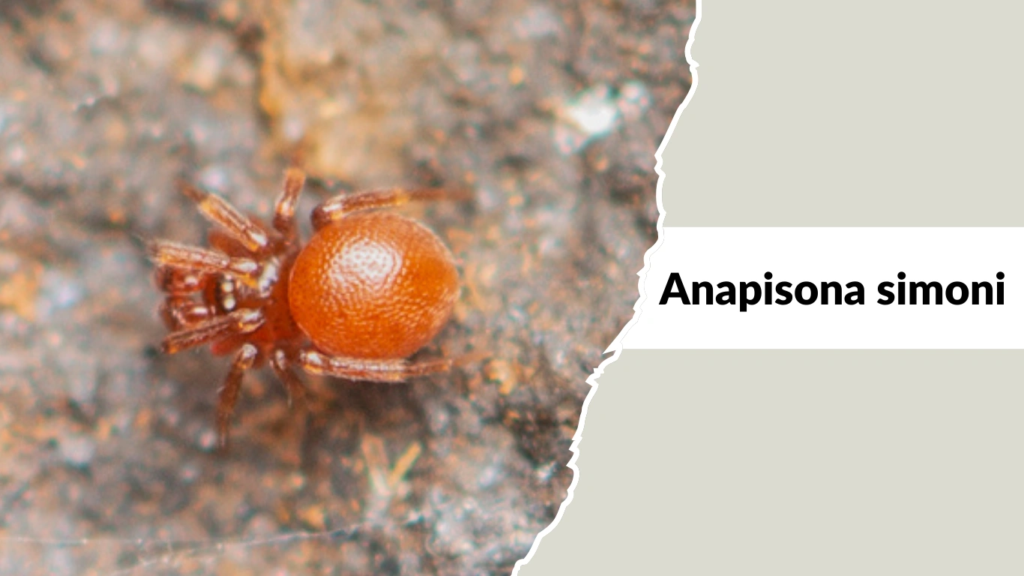
Anapisona simoni is a tiny spider species known for its compact size and discreet lifestyle. It belongs to the family Anapidae and is mainly found in forested regions, where it lives close to the ground and remains well hidden.
Identification
- Body length generally under 2 mm
- Light brown to reddish-brown coloration
- Rounded abdomen with a smooth surface
- Short legs adapted for movement in leaf litter
Habitat and Behavior
This species typically inhabits leaf litter, soil layers, and low vegetation in humid forests. It is slow-moving and highly secretive, avoiding open spaces. Anapisona simoni spends most of its time hidden and is rarely encountered by humans.
Diet and Lifecycle
Anapisona simoni feeds on very small insects and other tiny arthropods found in forest debris. Its lifecycle follows standard spider development stages, but detailed information on reproduction and lifespan is limited.
8. Mysmenella jobi
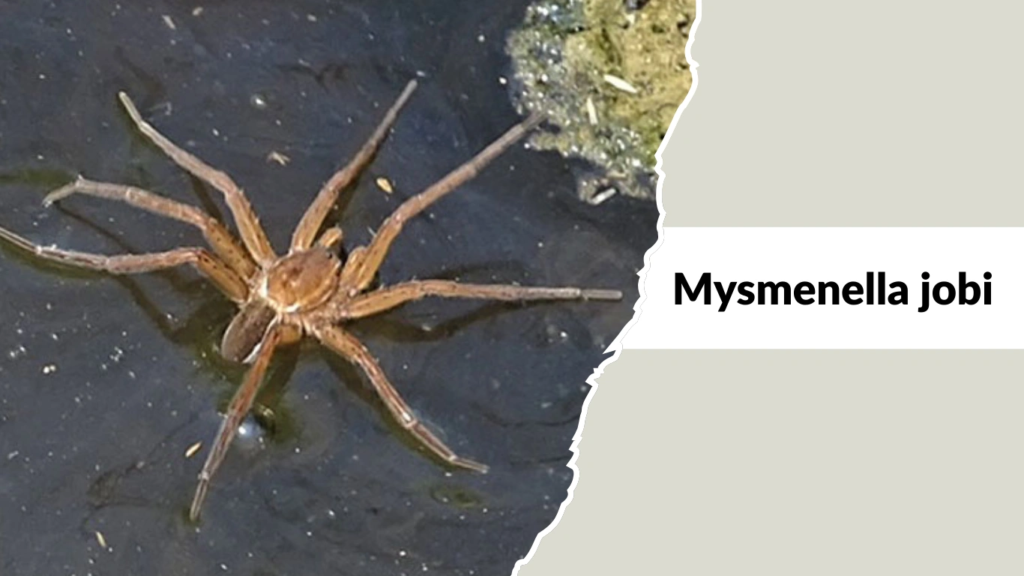
Mysmenella jobi is a minute spider species belonging to the Mysmenidae family and is known for its tiny size and delicate body structure. Like many micro-spiders, it often goes unnoticed due to its cryptic coloration and preference for hidden environments. This species plays a quiet but important role in maintaining balance among tiny insect populations.
Identification
- Adult body length usually ranges from 0.8 to 1.5 mm
- Pale yellow to light brown coloration
- Small, rounded abdomen with a smooth surface
- Thin, fragile legs that appear oversized relative to the body
Habitat and Behavior
Mysmenella jobi is typically found in forested habitats, especially in leaf litter, under bark, and among low vegetation. It prefers moist, shaded areas where humidity remains stable. The spider builds very small, irregular webs close to the ground or within plant debris. It is shy and non-aggressive, retreating quickly when disturbed rather than attempting to defend itself.
Diet and Lifecycle
This species feeds on extremely small insects such as springtails and tiny flying arthropods that become trapped in its fine web. Its lifecycle includes egg, spiderling, and adult stages, similar to other spiders. Due to its small size and hidden habits, detailed information about its lifespan and reproduction remains limited, but it is believed to have a relatively short life cycle compared to larger spider species.
9. Mysmena leucoplagiata
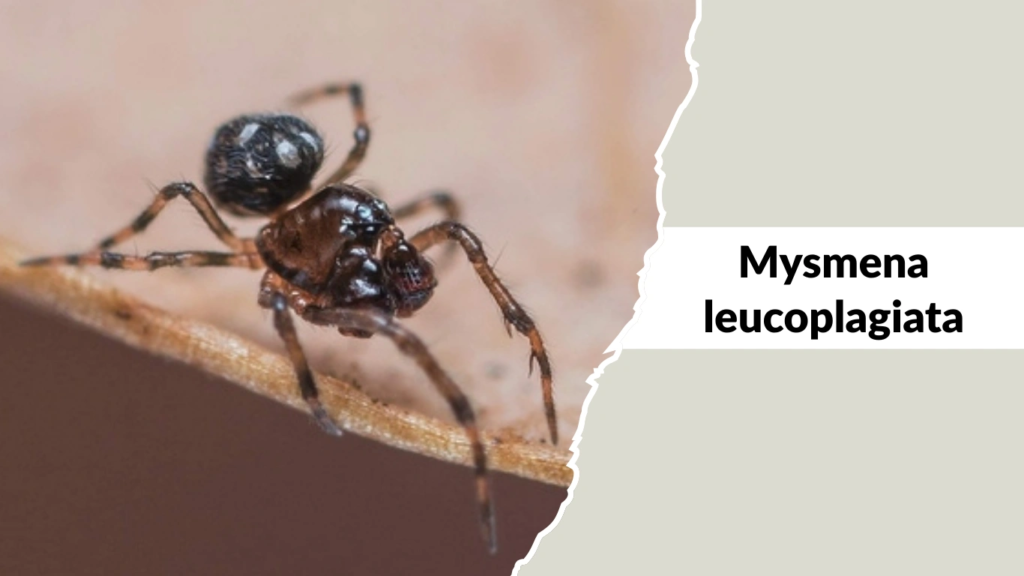
Mysmena leucoplagiata is a tiny web-building spider from the Mysmenidae family, known for its delicate appearance and subtle body markings. Despite its extremely small size, this species is an effective predator of microscopic insects and contributes quietly to natural pest control in its ecosystem.
Identification
- Adult body length usually between 1 and 2 mm
- Pale yellow to light brown body with whitish markings
- Rounded abdomen with a soft, glossy surface
- Long, thin legs that aid in web movement
Habitat and Behavior
This species is commonly found in humid forest environments, especially among leaf litter, low shrubs, and moss-covered areas. Mysmena leucoplagiata builds very small, fine webs close to the ground or within dense vegetation. It is mostly active at night and spends daylight hours hidden. The spider is calm and non-aggressive, relying on its web and camouflage for survival.
Diet and Lifecycle
Mysmena leucoplagiata feeds on tiny flying insects and minute arthropods that become entangled in its delicate web. After capturing prey, it quickly immobilizes and consumes it. The lifecycle follows typical spider development, starting from eggs and progressing through spiderling stages to adulthood. Due to limited research on micro-spiders, exact lifespan and breeding behavior are not fully documented.
10. Trogloneta granulum
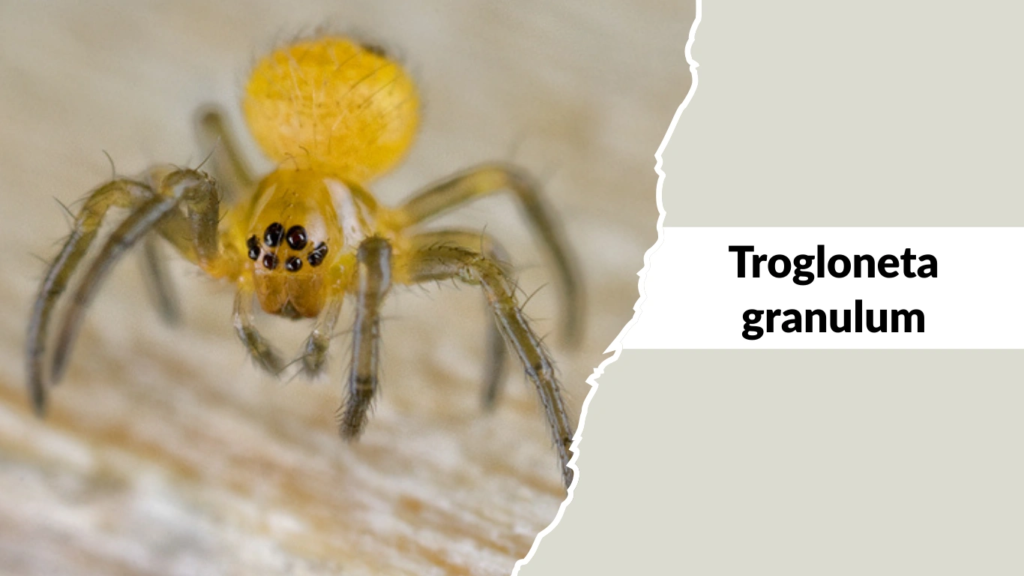
Trogloneta granulum is an extremely small spider species known for its preference for dark, humid environments. Belonging to the family Mysmenidae, it is often associated with caves and subterranean habitats, where it survives in stable, low-light conditions.
Identification
- Adult body length usually around 1 mm
- Pale cream to light brown coloration
- Rounded, compact abdomen with a grain-like appearance
- Short, fine legs adapted for tight spaces
Habitat and Behavior
This species is most commonly found in caves, underground crevices, and moist rock shelters. It prefers environments with high humidity and minimal light exposure. Trogloneta granulum moves slowly and cautiously, often remaining still for long periods. It may build very small, irregular webs or rely on ambush techniques within confined spaces.
Diet and Lifecycle
Trogloneta granulum feeds on microscopic insects and tiny cave-dwelling arthropods. Its lifecycle includes egg, spiderling, and adult stages, similar to other spiders. Due to its hidden lifestyle and small size, detailed observations of its reproduction and lifespan are limited, but it is believed to have a relatively short life cycle.
11. Minidiplotemnidae sp.
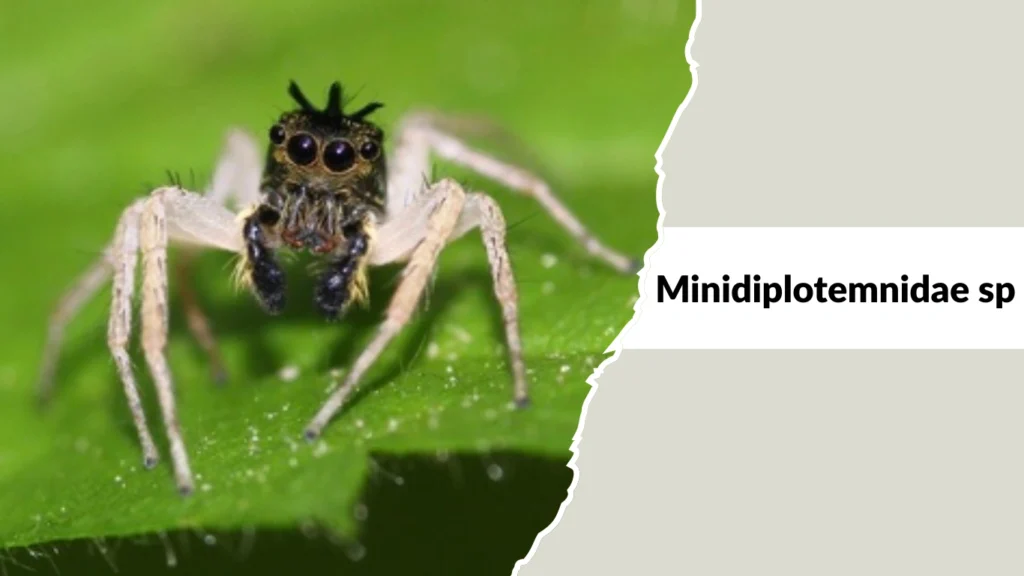
Minidiplotemnidae sp. represents a group of extremely small spiders rather than a single fully described species. Members of this family are among the tiniest spiders in the world and are rarely observed due to their microscopic size and secretive habits.
Identification
- Body length often under 1.5 mm
- Pale yellow to light brown coloration
- Compact body with a rounded abdomen
- Very thin, delicate legs
Habitat and Behavior
These tiny spiders are typically found in forest leaf litter, soil debris, and moss-covered ground. They prefer moist, shaded environments where they can remain hidden from predators. Minidiplotemnidae spiders are slow-moving and rely heavily on camouflage and stillness rather than webs or active hunting.
Diet and Lifecycle
Minidiplotemnidae species feed on microscopic insects and tiny arthropods found within soil and leaf litter. Their lifecycle follows the standard spider stages of egg, spiderling, and adult. Due to their extremely small size and limited research, specific details about mating behavior, lifespan, and population dynamics remain largely unknown.
12. Micropholcommatidae sp.
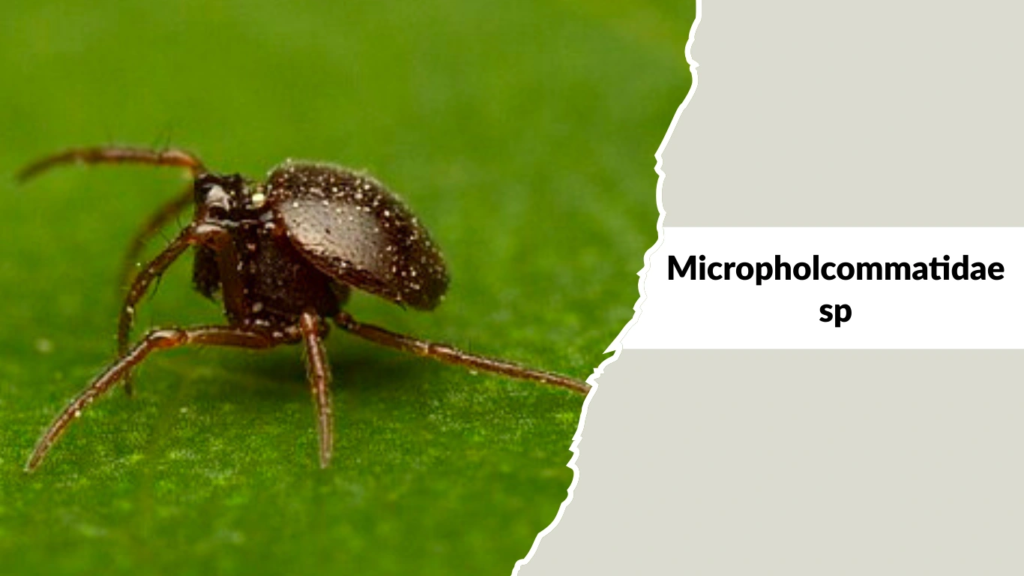
Micropholcommatidae sp. refers to a group of very small spider species known for their compact bodies and specialized web structures. These spiders are among the tiniest in the world and are rarely noticed due to their minute size and preference for hidden environments.
Identification
- Adult body length usually under 2 mm
- Dark brown to reddish-brown coloration
- Rounded abdomen with a dense, compact form
- Short legs compared to body size
Habitat and Behavior
Species within this family are commonly found in forest leaf litter, moss, and under logs or stones. They prefer cool, damp habitats and often build small, sheet-like or dome-shaped webs close to the ground. Micropholcommatidae spiders are shy and non-aggressive, spending most of their time hidden within their webs or surrounding debris.
Diet and Lifecycle
These spiders feed on tiny insects and minute arthropods that wander into their small webs. Their lifecycle follows typical spider development stages, from egg to spiderling to adult. Because of their hidden lifestyle and microscopic size, detailed information about reproduction and lifespan is limited.
13. Teutoniella cekalovici
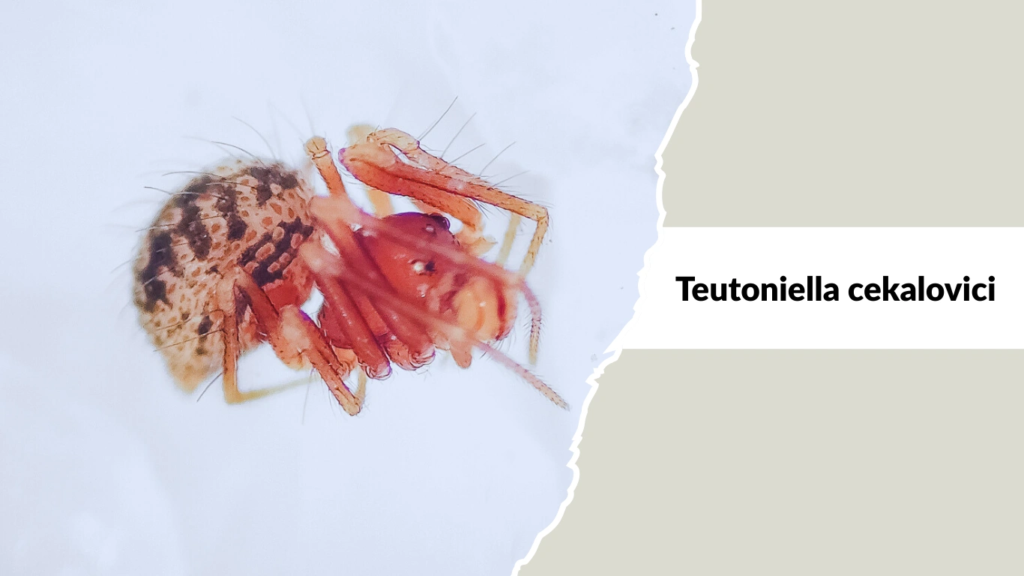
Teutoniella cekalovici is a tiny spider species known for its compact body and discreet nature. It belongs to a group of small ground-dwelling spiders that are rarely seen due to their preference for concealed habitats and low activity levels.
Identification
- Adult body length usually under 2 mm
- Pale brown to grayish coloration
- Smooth, rounded abdomen
- Short legs adapted for ground movement
Habitat and Behavior
This species is typically found in leaf litter, soil layers, and beneath stones in forested environments. It favors cool, humid conditions and remains hidden for most of its life. Teutoniella cekalovici moves slowly and avoids open areas, relying on camouflage and stillness to escape predators.
Diet and Lifecycle
Teutoniella cekalovici feeds on very small insects and other tiny arthropods living in soil and leaf litter. Its lifecycle includes egg, spiderling, and adult stages. Due to limited scientific observation, detailed information about its reproductive behavior and lifespan is still scarce.
14. Rayforstia antipoda
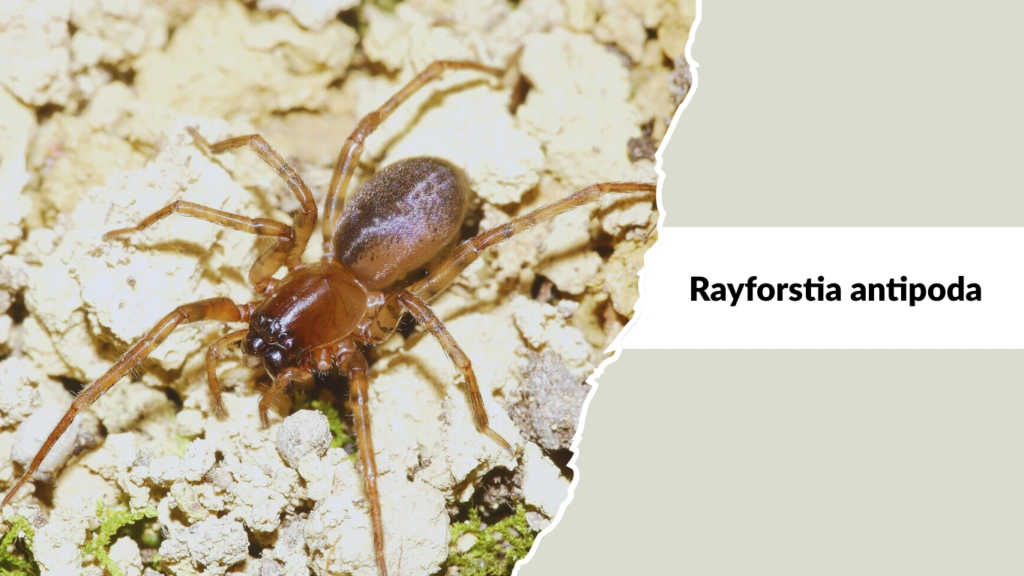
Rayforstia antipoda is a minute spider species recognized for its small size and subtle coloration. It belongs to the family Anapidae and is mainly found in the Southern Hemisphere, where it inhabits forest floors and hidden ground-level environments.
Identification
- Adult body length generally under 2 mm
- Pale brown to yellowish body color
- Rounded abdomen with a smooth surface
- Short, slender legs suited for leaf litter movement
Habitat and Behavior
This species is commonly found in damp forest leaf litter, moss, and soil debris. It prefers shaded, undisturbed environments with stable humidity. Rayforstia antipoda is a slow-moving and non-aggressive spider that spends most of its time concealed, emerging occasionally to hunt or move to new shelter.
Diet and Lifecycle
Rayforstia antipoda feeds on tiny insects and minute arthropods found within leaf litter. Its lifecycle follows the typical spider stages, beginning as eggs and progressing through spiderling development to adulthood. Due to its microscopic size and hidden lifestyle, detailed studies on lifespan and reproduction remain limited.
15. Sinopoda micro

Sinopoda micro is a very small member of the huntsman spider family, making it one of the tiniest known species within a group usually famous for large body sizes. Its unusually small stature and discreet habits set it apart from other huntsman spiders.
Identification
- Adult body length usually around 3–5 mm
- Light brown to tan coloration
- Flattened body shape typical of huntsman spiders
- Long legs relative to body size
Habitat and Behavior
This species is typically found in forested regions, especially under bark, stones, and within leaf litter. Like other huntsman spiders, Sinopoda micro is fast-moving but non-aggressive. It does not build capture webs and instead relies on speed and stealth to hunt prey, usually becoming active at night.
Diet and Lifecycle
Sinopoda micro feeds on small insects and other tiny arthropods. Its lifecycle includes egg, spiderling, and adult stages, similar to other huntsman spiders. Despite being larger than many micro-spiders, detailed information about its lifespan and reproductive behavior is still limited.
16. Caerostris tinyi
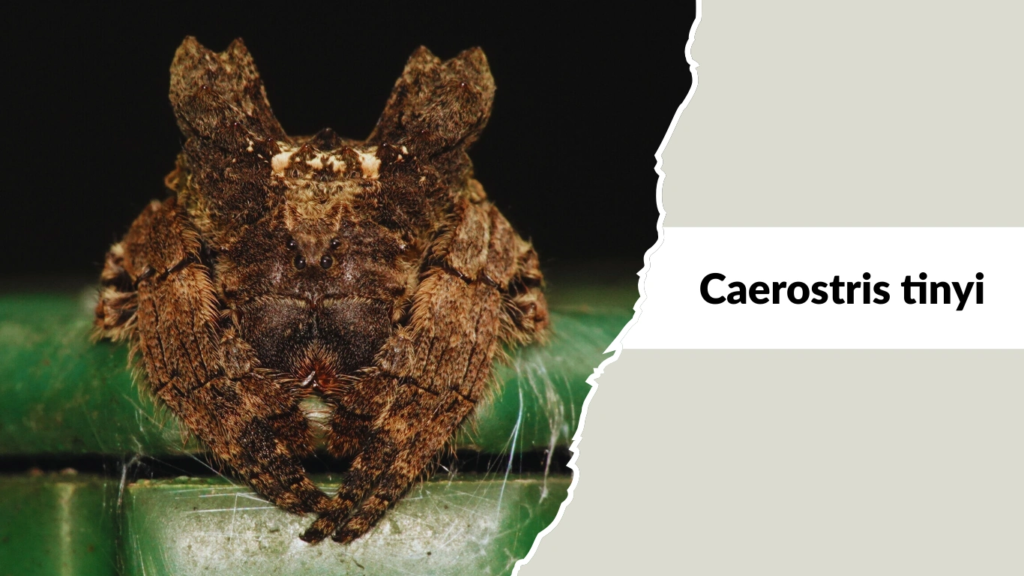
Caerostris tinyi is a small spider species from the orb-weaver family, known for its compact size compared to other members of the genus Caerostris. Despite sharing lineage with spiders famous for large, strong webs, this species remains relatively tiny and discreet.
Identification
- Adult body length usually under 3 mm
- Brown to reddish-brown coloration
- Rounded abdomen with subtle patterning
- Slender legs adapted for web construction
Habitat and Behavior
This species is commonly found in forested habitats, especially near low vegetation and shrubs. Caerostris tinyi builds small, circular orb webs to catch prey, usually positioning them close to the ground. It is mostly active during low-light hours and remains still at the center or edge of its web when waiting for prey.
Diet and Lifecycle
Caerostris tinyi feeds on tiny flying insects that become trapped in its orb web. After capturing prey, it quickly wraps it in silk before feeding. Its lifecycle follows the typical orb-weaver pattern, from egg sacs to spiderlings and finally adulthood. Detailed lifespan data is limited due to minimal research on this small species.
FAQs
What is the smallest spider in the world?
The smallest known spider is Patu digua. Adult males measure about 0.37 mm in body length, making it almost impossible to see without magnification.
Are tiny spiders dangerous to humans?
No, tiny spiders are harmless to humans. Their fangs are too small to penetrate human skin, and they pose no medical threat.
Where do tiny spiders usually live?
Most tiny spiders live in leaf litter, soil, moss, caves, and forest floors. They prefer moist, hidden environments where they can avoid predators.
What do tiny spiders eat?
Tiny spiders feed on microscopic insects and minute arthropods such as springtails, mites, and small flies found in their habitats.
Why are tiny spiders rarely seen?
Their extremely small size, camouflaged coloration, and secretive behavior make them difficult to notice. Many species also live in underground or low-light environments.
