
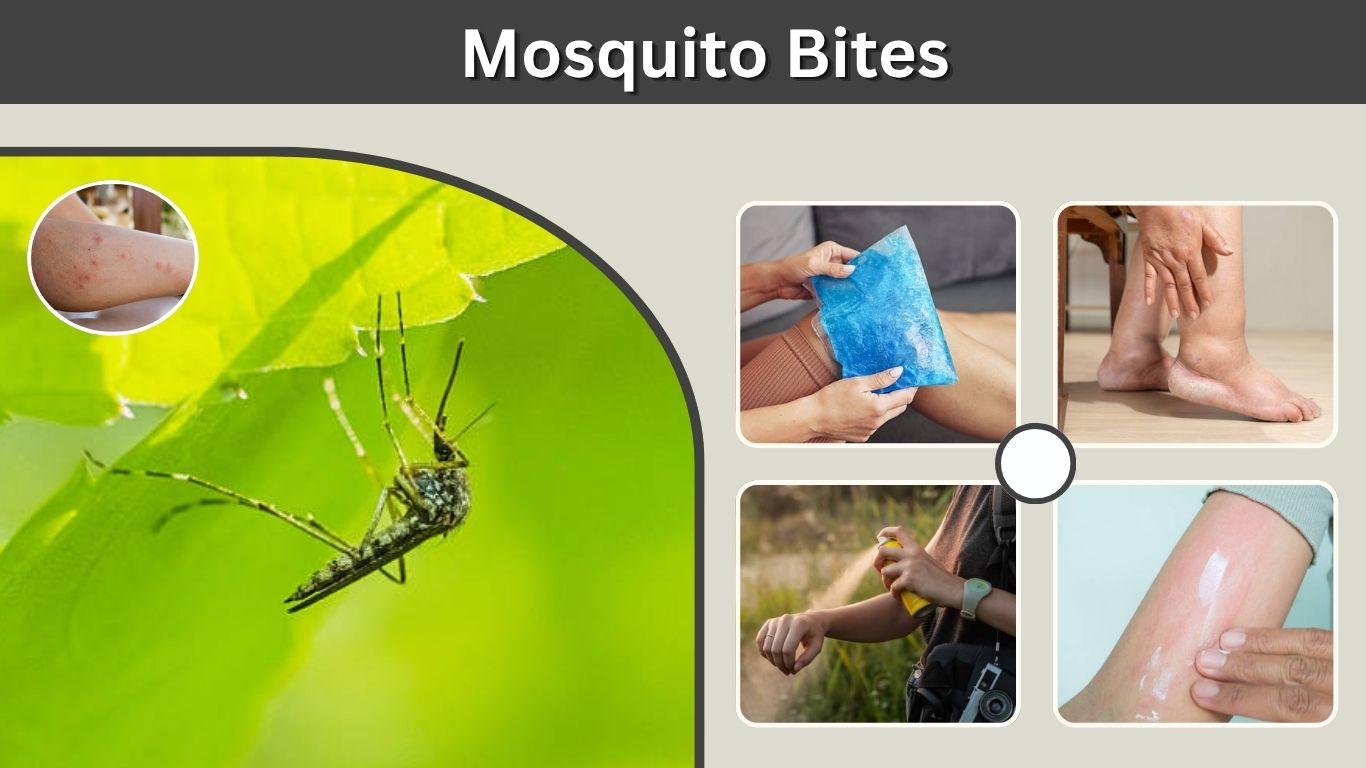
Mosquito bites are common, especially during warm weather and in places where mosquitoes breed near standing water. Most bites cause a small, itchy bump that disappears within a few days, but some people develop significant swelling, blisters, or stronger allergic reactions. Scratching can also damage the skin and increase the risk of infection. Fortunately, simple measures such as cold compresses, anti-itch treatments, and avoiding scratching can provide relief. This guide explains what mosquito bites look like, why they itch, how long they last, how to treat them, and how to prevent future bites.
What Do Mosquito Bites Look Like?
A typical mosquito bite appears as a small, raised, itchy bump on exposed skin. The area may become pink, red, swollen, or slightly warm.
Common signs include:
- Small raised bumps
- Itching around the bite
- Mild redness or swelling
- A hive-like spot
- Occasionally, small blisters
A bump may appear within minutes after the bite, although some reactions develop over several hours. More sensitive people can experience much larger swollen areas.
Mosquito bites often occur on exposed areas such as the arms, legs, ankles, feet, neck, and face.
Why Do Mosquito Bites Itch?
When a female mosquito bites, it inserts its mouthparts into the skin and feeds on blood. During feeding, mosquito saliva enters the skin.
Your immune system reacts to proteins in that saliva. Histamine and other inflammatory chemicals contribute to the familiar itching, redness, and swelling.
This explains why some people hardly react while others develop large, intensely itchy bumps.
Scratching may temporarily feel satisfying, but it can make inflammation worse and damage the skin. Broken skin also gives bacteria an opportunity to enter, potentially causing an infection.
How Long Do Mosquito Bites Last?
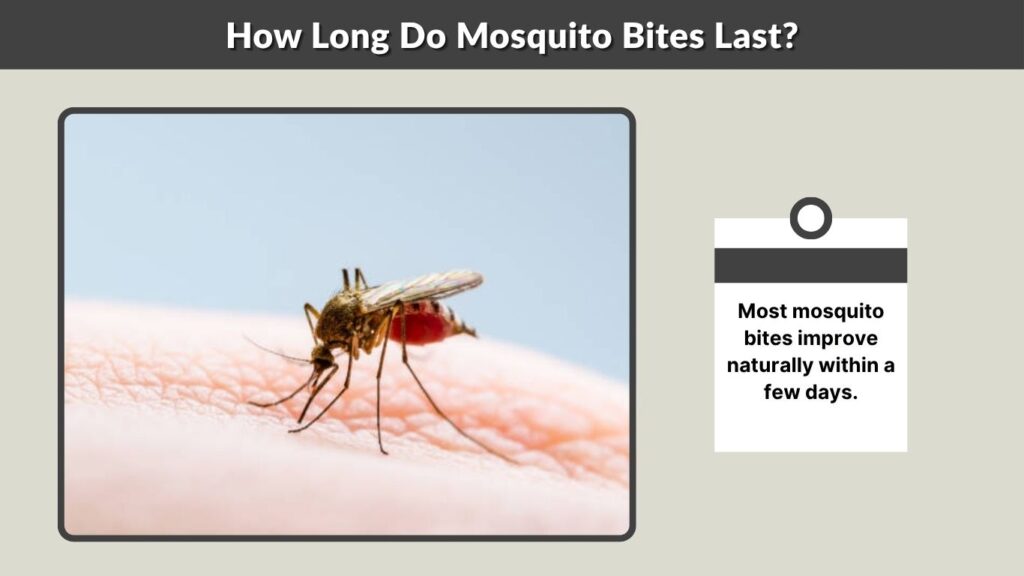
Most mosquito bites improve naturally within a few days. Itching may be strongest during the first day or two and gradually decrease as the immune reaction settles.
Larger reactions can take longer to disappear.
How quickly a bite heals can depend on:
- Individual sensitivity
- How much the bite is scratched
- The severity of swelling
- Number of bites
- Whether the skin becomes irritated or infected
There is no reliable way to make every mosquito bite disappear instantly or overnight, but reducing inflammation and resisting scratching can make the area considerably more comfortable while it heals.
How to Stop Mosquito Bites From Itching
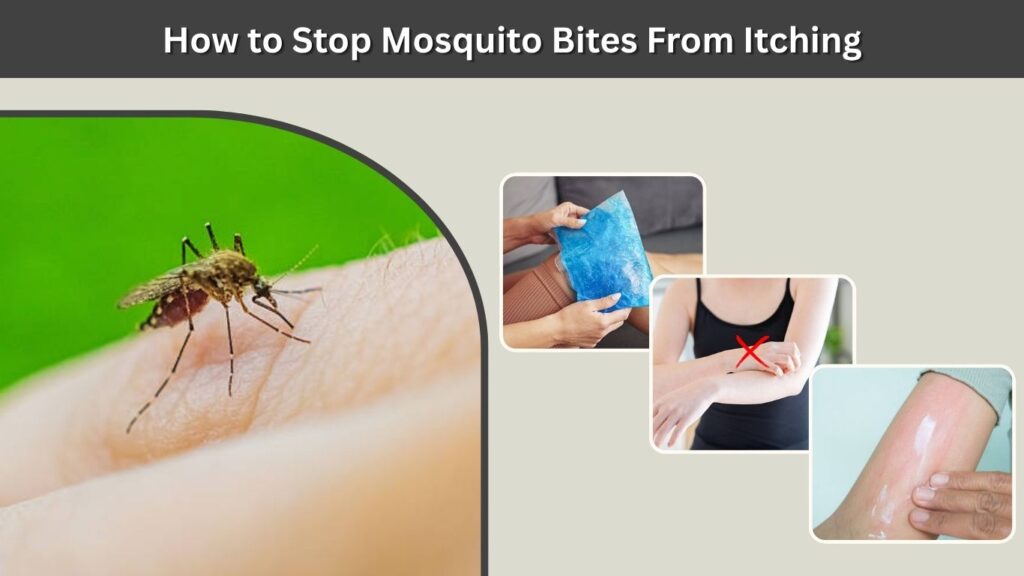
Several simple treatments can help calm an itchy mosquito bite.
Use a Cold Compress
Wash the bite first, then place a wrapped ice pack or cold compress over the area. CDC recommends applying an ice pack for about 10 minutes and repeating as needed to reduce swelling and itching.
Never leave ice directly against bare skin for prolonged periods.
Avoid Scratching
Try not to scratch even when the bite feels intensely itchy. Repeated scratching can break the skin, prolong irritation, and increase infection risk.
Keeping fingernails short can be particularly helpful for children who scratch bites unconsciously.
Try an Anti-Itch Treatment
Depending on the person and product directions, over-the-counter options such as calamine lotion or hydrocortisone cream may help relieve itching and inflammation. Oral antihistamines are sometimes used for stronger reactions.
Ask a pharmacist or healthcare professional if you are unsure whether a medication is appropriate for you or a child.
What to Put on Mosquito Bites for Relief
For uncomplicated bites, treatment mainly focuses on controlling itching and swelling.
Useful options may include:
- Cold compresses
- Calamine lotion
- Nonprescription hydrocortisone cream
- Appropriate antihistamines
- Baking soda paste
- Soap and water for cleaning
CDC suggests mixing one tablespoon of baking soda with enough water to create a paste, applying it for about 10 minutes, and then washing it off.
Avoid applying harsh household chemicals, concentrated essential oils, bleach, or other irritating substances to mosquito bites. These can damage already irritated skin.
How to Get Rid of Mosquito Bites
You generally cannot remove the underlying mosquito bite instantly because the bump is part of your body’s inflammatory response.
Instead, the goal is to reduce symptoms while the reaction resolves naturally.
Start by washing the area gently with soap and water. Apply a cold compress and use an appropriate anti-itch treatment when necessary. Most importantly, avoid scratching.
For many people, these steps make mosquito bites much less noticeable while the skin heals over the following days.
If you have many bites, treating each spot individually and keeping exposed skin protected from additional mosquito bites can prevent the problem from becoming worse.
Allergic Reaction to Mosquito Bites
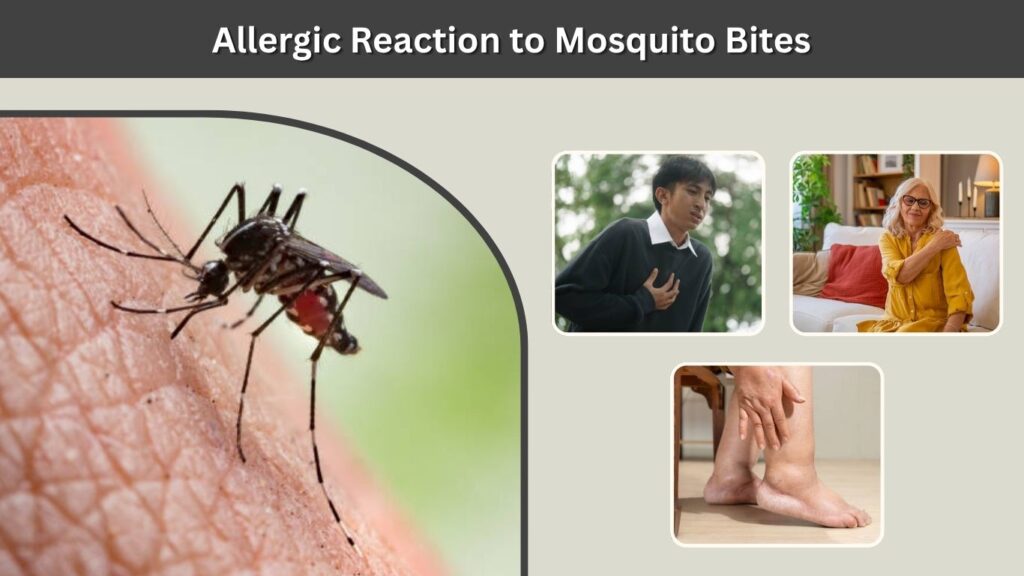
Some people are more allergic to mosquito saliva than others. A stronger local reaction can cause substantial redness, warmth, soreness, or swelling.
A particularly large inflammatory response is sometimes called skeeter syndrome. It can produce significant swelling and may resemble an infection. Children are more likely than adults to develop strong reactions.
Seek medical attention if a reaction is severe or accompanied by concerning symptoms such as difficulty breathing, widespread hives, faintness, or rapidly worsening swelling.
Can Mosquito Bites Become Infected?
Yes. The mosquito bite itself usually causes inflammation rather than a bacterial infection, but repeated scratching can break the skin.
Possible signs of infection include increasing pain, spreading redness, warmth, pus, or worsening swelling.
Keeping the bite clean and avoiding scratching reduces this risk. Contact a healthcare professional if you suspect an infection or if symptoms continue to worsen instead of improving.
You should also seek medical care if mosquito bites occur along with significant fever, severe headache, body aches, or other unusual symptoms because mosquitoes can transmit diseases in some regions.
How to Prevent Mosquito Bites
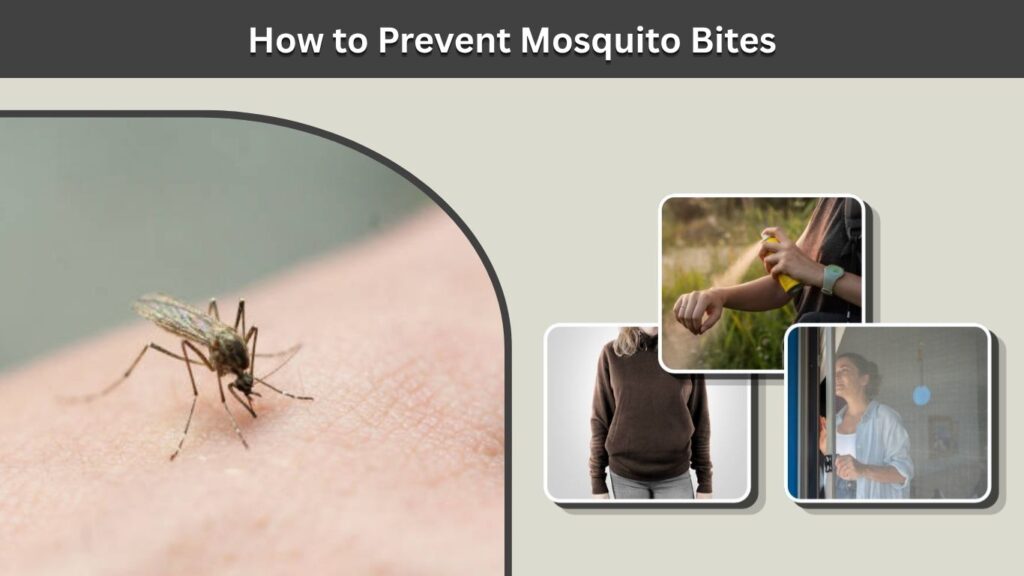
Preventing the bite is easier than treating the itch afterward.
CDC recommends using an EPA-registered insect repellent and following its label instructions. Proven active ingredients include options such as DEET and picaridin. Wearing loose-fitting long sleeves and pants can further reduce exposed skin.
Permethrin-treated clothing and equipment can provide additional protection, particularly when camping or hiking, but permethrin products intended for clothing should not be applied directly to the skin.
Around the home, regularly empty containers that hold standing water, including buckets, flowerpot saucers, toys, and birdbaths. Window and door screens can also help keep mosquitoes outdoors.
FAQs
Why are my mosquito bites so itchy?
The itching comes from your immune system’s response to proteins in mosquito saliva. Some people produce a stronger inflammatory reaction, causing more intense itching and swelling.
How can I get rid of mosquito bites overnight?
You cannot guarantee that a bite will disappear overnight. A cold compress, avoiding scratching, and an appropriate anti-itch treatment can reduce swelling and itching while your body heals naturally.
Does hydrocortisone cream help mosquito bites?
Nonprescription hydrocortisone cream may reduce itching and inflammation from uncomplicated mosquito bites when used according to the label.
Is an ice pack good for mosquito bites?
Yes. A wrapped ice pack or cold compress can temporarily reduce itching, swelling, and inflammation. CDC suggests applying an ice pack for about 10 minutes and repeating when necessary.
When should I worry about a mosquito bite?
Seek medical advice if swelling becomes unusually large, the bite appears infected, or you develop significant symptoms such as fever, severe headache, body aches, or other signs of illness. Emergency help is appropriate for severe allergic symptoms such as difficulty breathing or faintness.
