
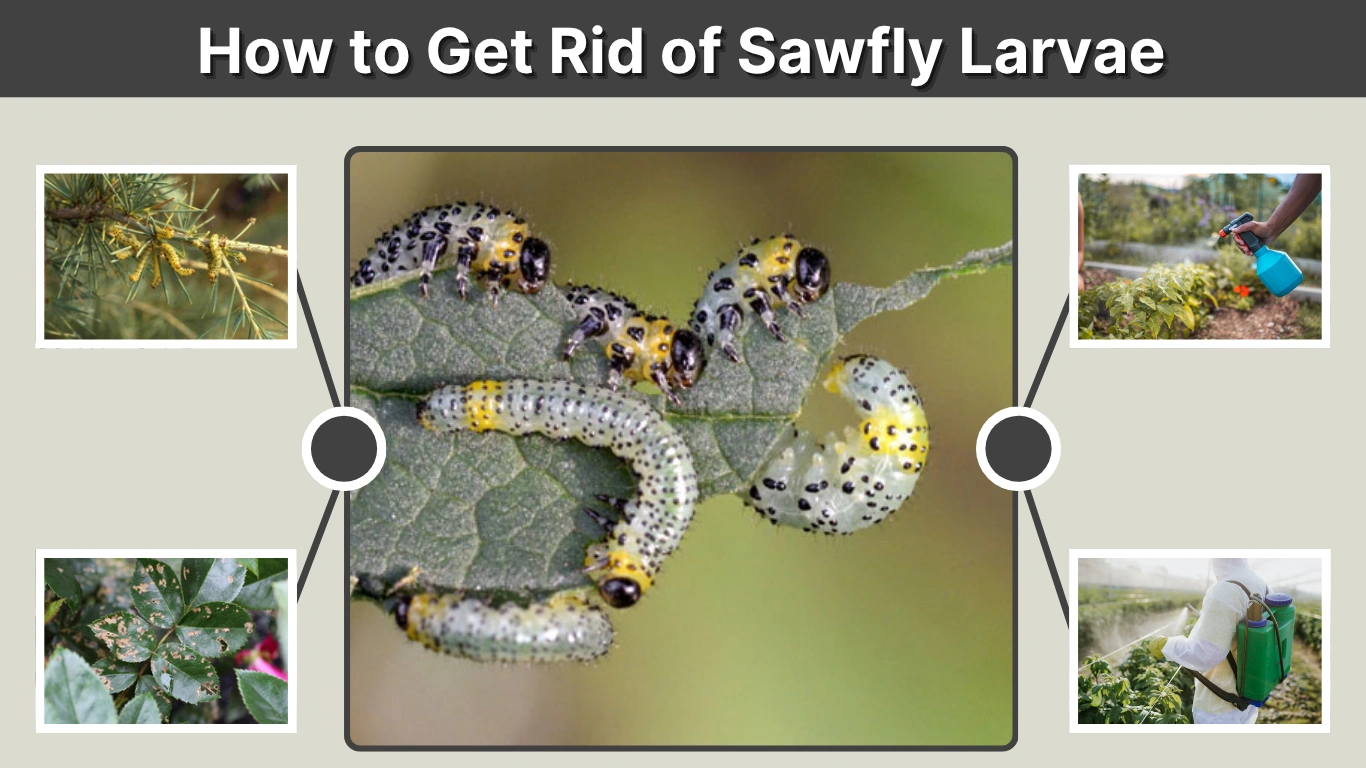
Sawfly larvae can wreak havoc on gardens by devouring the leaves of roses, pines, hibiscus, and other plants. These small, worm-like insects resemble caterpillars but belong to a different insect group entirely. If left unchecked, they can strip entire shrubs bare. Fortunately, you can control them effectively using natural, organic, or chemical methods without damaging your plants or the environment.
Understanding Sawflies and Their Larvae
What Are Sawflies?
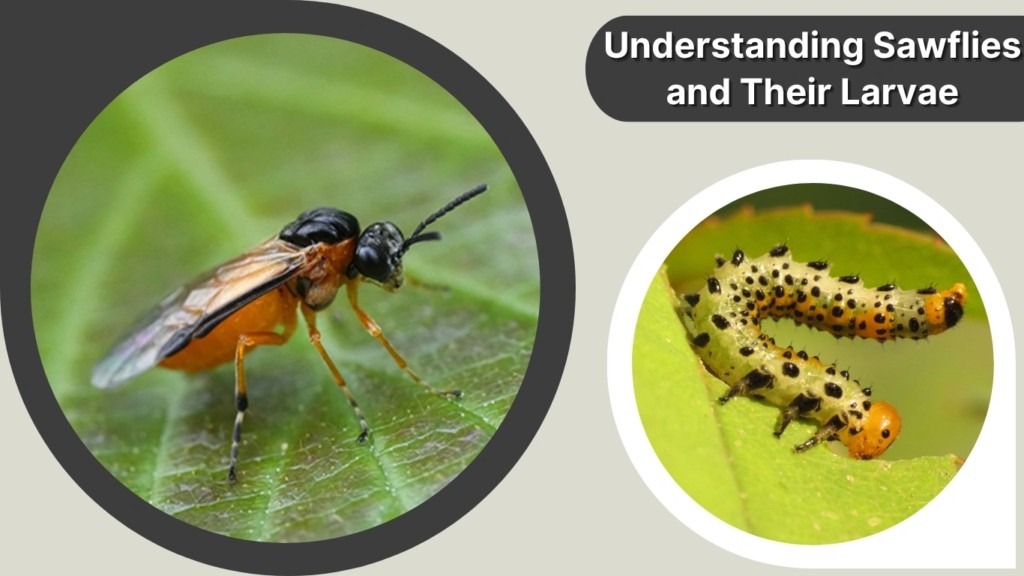
Sawflies are non-stinging relatives of wasps and bees. Their larvae often look like caterpillars but have more than five pairs of prolegs, a key distinguishing feature. Different species target specific plants—such as rose sawfly, pine sawfly, hibiscus sawfly, or gooseberry sawfly. They usually appear during spring and early summer when plants are actively growing.
Life Cycle and Damage
The sawfly life cycle includes egg, larval, pupal, and adult stages. Females lay eggs on the underside of leaves. Within days, larvae hatch and begin feeding aggressively. They can skeletonize leaves, leaving only veins or chew entire sections, depending on the species. Severe infestations lead to defoliation and weaken plants over time.
Identifying Sawfly Damage on Different Plants
Roses
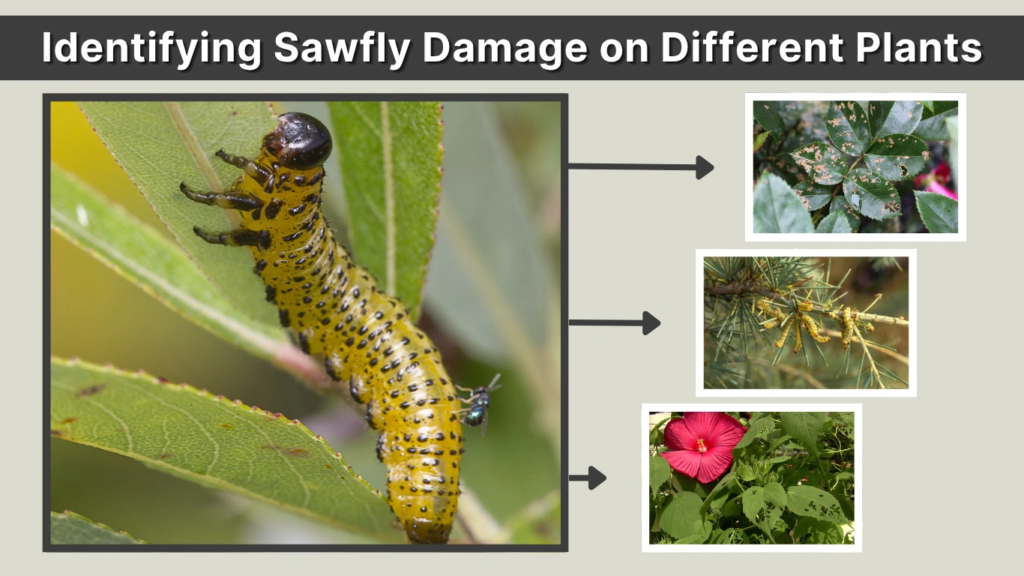
Rose sawflies—especially the rose slug sawfly—feed on the underside of rose leaves, creating a “windowpane” effect. Early signs include translucent patches, while later damage turns leaves brown and crisp. Multiple generations can occur each season, so continued monitoring is crucial.
Pines and Conifers
Pine sawfly larvae target pine needles, often gathering in clusters on branches. Redheaded pine sawfly larvae, for instance, can strip entire trees, causing severe needle loss and stunted growth. Infestations are most common in spring and early summer, particularly on young pines.
Hibiscus and Flowering Plants
Hibiscus sawflies feed on hibiscus and mallow leaves, leaving them ragged. These larvae are small, green, and highly active. Because hibiscus shrubs are dense, infestations can go unnoticed until the damage is extensive. Regular inspection of leaf undersides helps spot them early.
Natural Ways to Get Rid of Sawfly Larvae
Handpicking and Pruning
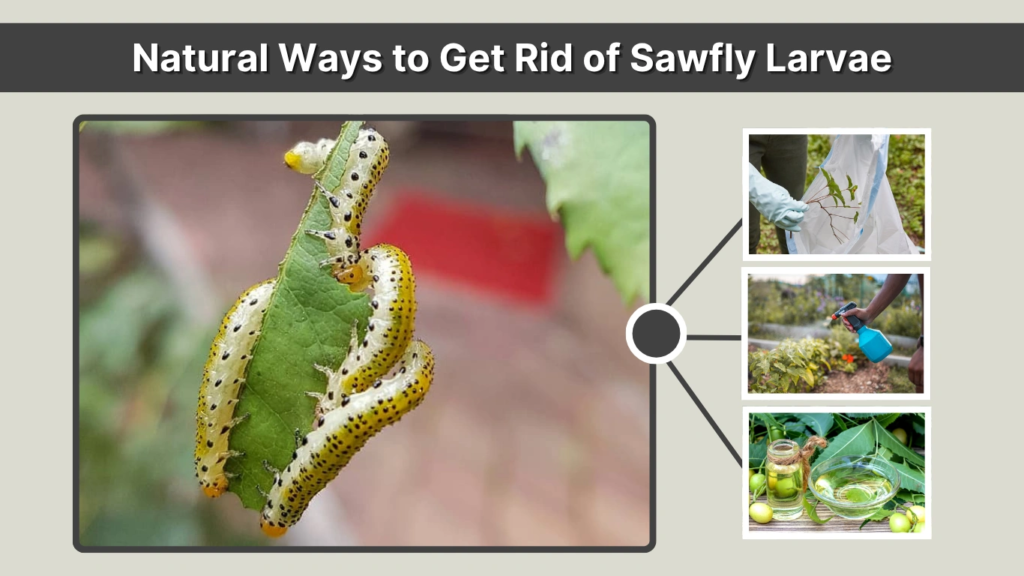
One of the simplest and most effective methods is to handpick the larvae. Wearing gloves, remove them directly from leaves and dispose of them in soapy water. For larger infestations, prune and destroy heavily infested branches or leaves. This not only removes the pests but also prevents them from spreading to new growth.
Water Spray and Soap Solution
A strong jet of water can dislodge larvae from leaves. Follow up with a mild insecticidal soap spray—mix one teaspoon of liquid dish soap in one liter of water. For added effect, some gardeners add a few drops of vinegar. Apply in the early morning or evening to avoid leaf burn.
Neem Oil and Essential Oils
Neem oil is one of the best organic treatments for sawfly larvae. Mix two tablespoons of neem oil with one gallon of water and a few drops of mild soap as an emulsifier. Spray thoroughly on both sides of leaves every few days until the infestation subsides. Essential oils like peppermint or rosemary can also deter sawflies naturally.
Encouraging Beneficial Insects
Encouraging natural predators helps maintain a balanced garden ecosystem. Ladybugs, lacewings, and parasitic wasps feed on sawfly larvae and eggs. Planting nectar-rich flowers like dill, fennel, and yarrow attracts these beneficial insects. Birds also play a major role—placing bird feeders nearby helps keep larvae populations in check.
Chemical and Organic Treatments
Approved Pesticides
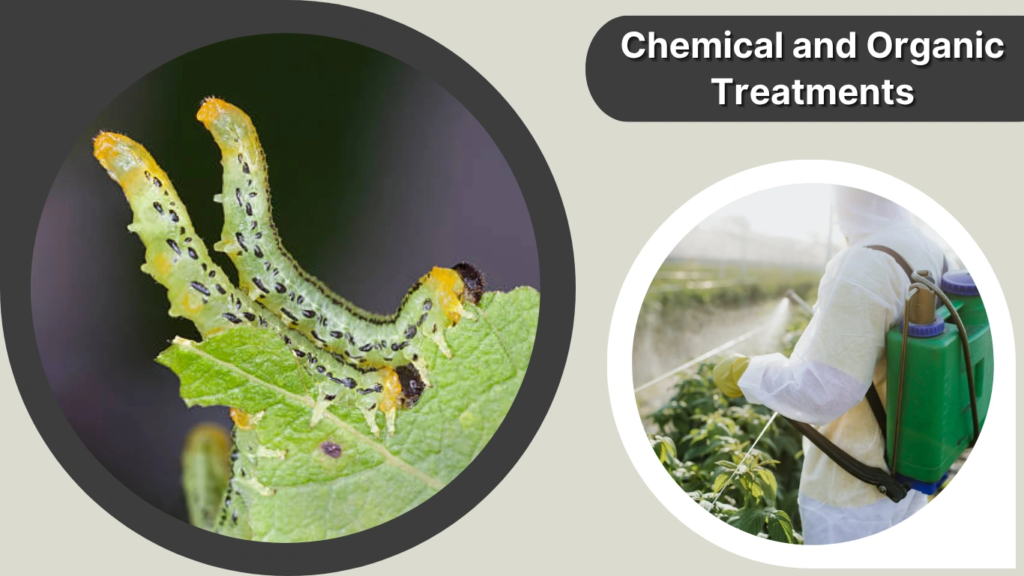
If natural methods don’t control sawfly larvae, chemical pesticides can be used as a last resort. Choose products containing spinosad, pyrethrin, or malathion, which are effective against soft-bodied insects. Always apply sprays in the early morning or late evening when pollinators are less active. Focus on the undersides of leaves where larvae feed. Repeat applications may be necessary for heavy infestations, but always follow the manufacturer’s safety directions.
Organic Insecticidal Sprays
For gardeners seeking eco-friendly options, organic insecticidal soaps and plant-based sprays are ideal. Brands labeled for use against caterpillars or chewing insects often work on sawfly larvae as well. These sprays disrupt the larvae’s outer coating, causing dehydration and death without harming most beneficial insects. Rotate treatments every few weeks to prevent resistance.
Preventing Future Sawfly Infestations
Regular Monitoring and Maintenance
Inspecting your plants weekly during spring and early summer is crucial. Check the undersides of leaves for tiny white eggs or small green larvae. Early detection allows for fast intervention before damage becomes severe. Keep your garden tidy by removing fallen leaves and debris that may harbor overwintering pupae.
Cultural and Environmental Controls
Healthy plants are naturally more resistant to pest damage. Avoid over-fertilizing with nitrogen-heavy products, as lush new growth attracts sawflies. Maintain proper spacing and air circulation between plants to reduce humidity, which discourages egg-laying. Prune overcrowded branches and remove infested material promptly to limit the spread.
Seasonal Timing
Understanding sawfly life cycles is key to long-term control. Most species lay eggs in spring, and larvae feed heavily in late spring to early summer. By targeting the larval stage—when they’re most vulnerable—you can drastically reduce populations. In late fall, clean up garden debris and turn over soil around shrubs to expose and destroy hidden pupae.
FAQs
What are the signs of sawfly larvae infestation?
Typical signs include skeletonized or transparent leaves, holes along the leaf surface, and clusters of small green or yellow larvae feeding on foliage. On pine trees, the needles may turn brown or fall off entirely. Early detection and treatment can prevent severe defoliation and long-term plant stress.
How do I get rid of sawfly larvae naturally?
Natural methods include handpicking, spraying with soapy water, or applying neem oil every few days. Encourage predators like birds and ladybugs, which feed on sawfly larvae. Maintaining plant health and pruning infested leaves are also effective, eco-friendly strategies for long-term control.
Do sawflies damage roses permanently?
Sawfly larvae feed on rose leaves, causing them to look transparent or brown. While this weakens the plant, roses can recover if the infestation is controlled early. Persistent sawfly attacks, however, can reduce flowering and overall vigor, so early intervention is essential for lasting plant health.
Can I use chemical sprays on sawflies?
Yes, but only if natural approaches fail. Use pyrethrin, spinosad, or malathion-based insecticides, focusing on young larvae for best results. Always read and follow label instructions carefully, and avoid spraying when bees or beneficial insects are active to prevent ecological harm.
How can I prevent sawfly infestations next year?
Clean up fallen leaves and plant debris each fall to remove overwintering pupae. Inspect plants regularly in early spring and maintain good air circulation. Introducing beneficial insects, using neem oil preventatively, and keeping plants healthy are the best ways to prevent sawfly problems in the future.
