

Ladybugs are among the most recognizable and beneficial insects in nature, admired for their bright colors and pest-eating habits. Found in gardens, forests, and agricultural areas, different ladybug species vary in size, markings, and behavior. While most help control aphids and other plant pests, a few can damage crops. Learning about common types of ladybugs makes identification easier and helps gardeners better protect and support these helpful insects.
1. Seven-spotted Ladybug

The seven-spotted ladybug is one of the most recognizable and widely distributed ladybug species. It is valued for its role in natural pest control and is commonly found in gardens, farms, and grassy areas.
Identification
- Bright red or orange wing covers
- Seven distinct black spots on the back
- Black head with small white markings
- Oval, dome-shaped body
Habitat
Seven-spotted ladybugs inhabit gardens, fields, meadows, forests, and agricultural areas. They are often found on plants where aphids and other soft-bodied insects are abundant.
Behavior
These ladybugs are active during the day and are strong fliers. They often gather in groups to overwinter in sheltered locations such as leaf litter, under bark, or inside buildings.
Diet and Lifecycle
Seven-spotted ladybugs primarily feed on aphids, mites, and other plant pests. Females lay eggs on plant leaves near prey. The lifecycle includes egg, larva, pupa, and adult stages, with larvae also feeding heavily on pests.
2. Asian Lady Beetle
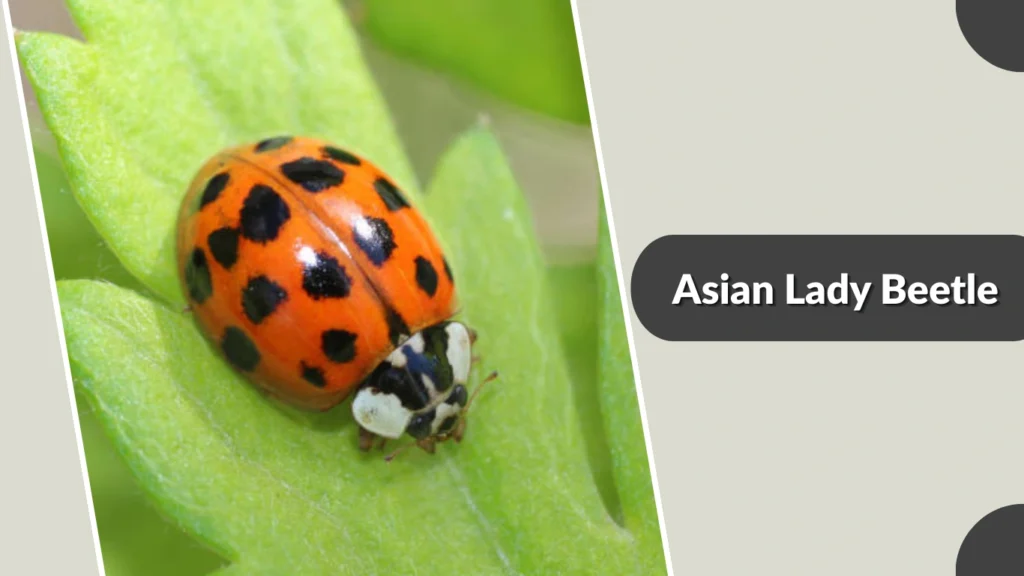
Asian lady beetles are highly adaptable ladybugs known for their wide color variation and strong pest-control abilities. They are beneficial in gardens but often become a nuisance when they enter homes in large numbers.
Identification
- Color ranges from yellow-orange to red
- Variable number of black spots or none at all
- Distinct black “M” or “W” marking on the white pronotum
- Dome-shaped body slightly larger than native ladybugs
Habitat
Asian lady beetles are found in forests, agricultural fields, gardens, and urban areas. They frequently gather on buildings and may enter homes while seeking shelter during colder months.
Behavior
They are active during daylight and are strong fliers. In autumn, large groups congregate to overwinter, sometimes invading houses, where they can become a nuisance but are not harmful.
Diet and Lifecycle
Asian lady beetles feed mainly on aphids, scale insects, and mites. Females lay eggs near prey colonies. Their lifecycle progresses through egg, larva, pupa, and adult stages, with rapid reproduction under favorable conditions.
3. Two-spotted Ladybug

The two-spotted ladybug is a small, beneficial beetle commonly found in gardens and woodlands. It is known for its simple spot pattern and its effectiveness in controlling aphid populations.
Identification
- Red or orange wing covers
- Two distinct black spots, one on each wing cover
- Black head with white markings on the sides
- Rounded, dome-shaped body
Habitat
Two-spotted ladybugs live in gardens, forests, hedgerows, and agricultural areas. They are often found on trees, shrubs, and low-growing plants where aphids are present.
Behavior
These ladybugs are active during the day and readily fly when disturbed. They may overwinter in leaf litter, under bark, or inside sheltered crevices.
Diet and Lifecycle
They primarily feed on aphids, mites, and small soft-bodied insects. Females lay eggs near food sources. The lifecycle includes egg, larval, pupal, and adult stages, with larvae being highly predatory.
4. Convergent Lady Beetle
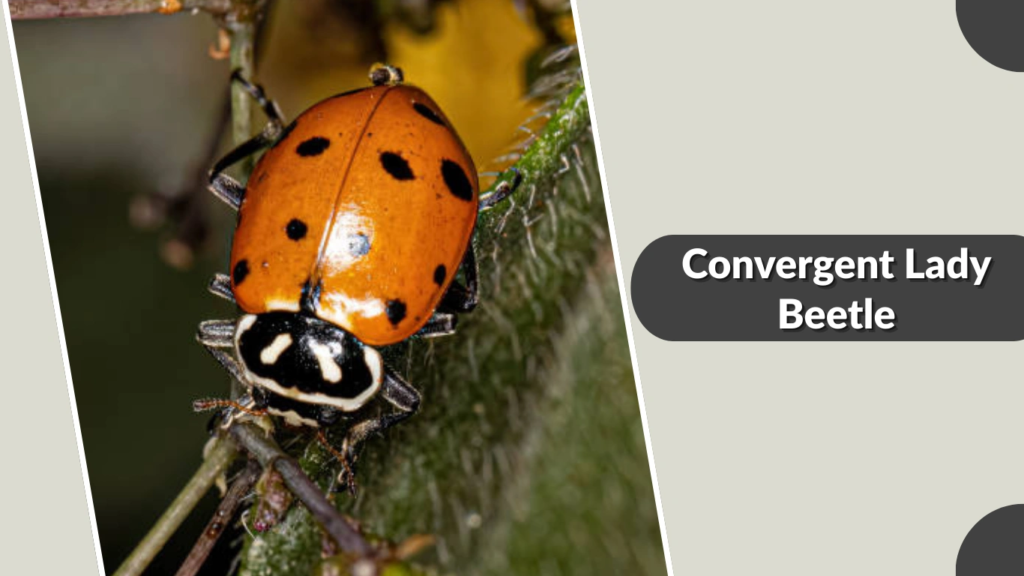
The convergent lady beetle is a well-known beneficial insect commonly used in biological pest control. It is named for the white lines on its pronotum that appear to converge toward the head.
Identification
- Red to orange wing covers
- Several black spots, usually around 12
- White lines on the pronotum that converge inward
- Oval, dome-shaped body
Habitat
Convergent lady beetles are found in gardens, fields, forests, and agricultural landscapes. They are commonly released by gardeners to control aphids and other pests.
Behavior
These beetles are active during the day and may migrate in large numbers. They often gather in groups to overwinter in protected locations such as rock crevices or leaf litter.
Diet and Lifecycle
They feed mainly on aphids, mites, and small insects. Females lay eggs on plants near prey. The lifecycle includes egg, larva, pupa, and adult stages, with larvae consuming large numbers of pests.
5. Nine-spotted Ladybug

The nine-spotted ladybug is a native species once common in many regions and valued for its role in controlling agricultural pests. Its population has declined in some areas, making sightings more notable.
Identification
- Red to orange wing covers
- Nine black spots across both wing covers
- Black pronotum with white side markings
- Rounded, dome-shaped body
Habitat
Nine-spotted ladybugs inhabit grasslands, farms, gardens, and open fields. They are often found on crops, weeds, and wild plants that host aphids.
Behavior
These ladybugs are active during daylight hours and are strong fliers. They overwinter in sheltered locations such as under rocks, bark, or leaf litter.
Diet and Lifecycle
They primarily feed on aphids and other soft-bodied insects. Females lay eggs near prey colonies. The lifecycle includes egg, larva, pupa, and adult stages, with larvae playing a major role in pest control.
6. Eleven-spotted Ladybug

The eleven-spotted ladybug is a small, brightly colored species commonly found in open habitats. It is a beneficial predator that helps control aphids and other soft-bodied pests.
Identification
- Red to orange wing covers
- Eleven small black spots on the back
- Black pronotum with pale side markings
- Compact, dome-shaped body
Habitat
Eleven-spotted ladybugs are typically found in grasslands, meadows, coastal areas, and agricultural fields. They often inhabit low vegetation where aphids are abundant.
Behavior
These ladybugs are active during the day and readily fly when disturbed. They may overwinter in groups under stones, plant debris, or sheltered ground cover.
Diet and Lifecycle
They feed mainly on aphids, mites, and small insects. Females lay eggs on leaves near prey. The lifecycle includes egg, larva, pupa, and adult stages, with larvae consuming large numbers of pests.
7. Spotted Pink Ladybug

The spotted pink ladybug is a distinctive species known for its soft pink coloration and contrasting dark spots. It is a beneficial insect that contributes to natural pest control in a variety of plant-rich environments.
Identification
- Pink to light rose-colored wing covers
- Multiple small black spots on the back
- Pale pronotum with darker markings
- Rounded, dome-shaped body
Habitat
Spotted pink ladybugs are commonly found in gardens, meadows, forests, and shrublands. They prefer areas with flowering plants and a steady presence of aphids or other soft-bodied insects.
Behavior
These ladybugs are active during daylight hours and often rest on leaves or flowers between feeding. They may overwinter in leaf litter, under bark, or in other protected natural shelters.
Diet and Lifecycle
They primarily feed on aphids, mites, and small insect pests. Females lay eggs near food sources. The lifecycle includes egg, larval, pupal, and adult stages, with larvae being highly predatory.
8. Orange Ladybug
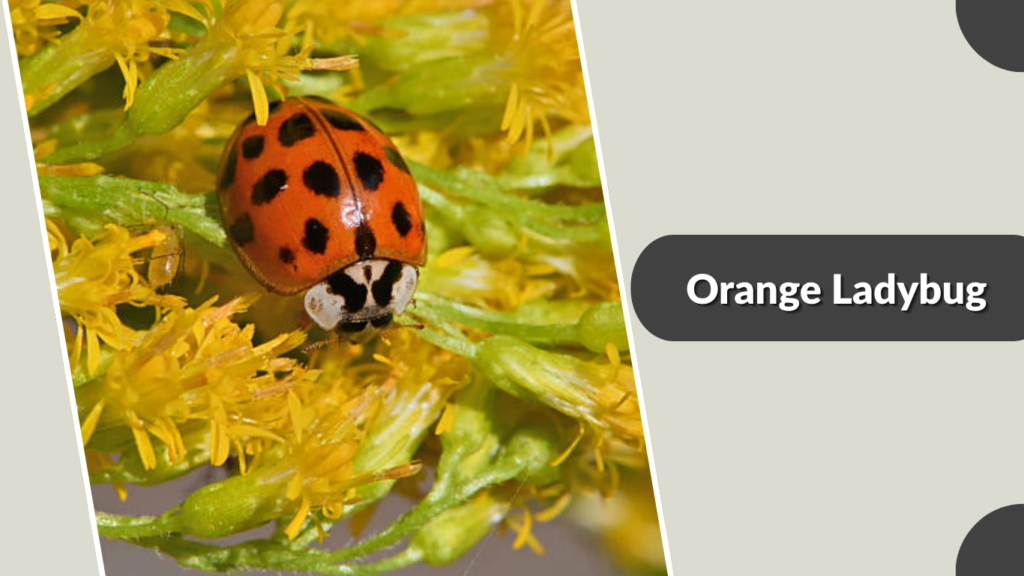
Orange ladybugs are brightly colored beneficial beetles known for their vivid orange appearance. They play an important role in controlling plant pests and are commonly seen in gardens and natural landscapes.
Identification
- Bright orange wing covers
- Black spots that vary in number and size
- Black head with pale or white markings
- Rounded, dome-shaped body
Habitat
Orange ladybugs are found in gardens, forests, fields, and agricultural areas. They are most often seen on plants that host aphids, scale insects, or mites.
Behavior
These ladybugs are active during the day and are strong fliers. They may gather in protected locations such as under bark or leaf litter to overwinter during colder months.
Diet and Lifecycle
Orange ladybugs feed mainly on aphids, mites, and other soft-bodied insects, though some species may also consume pollen or mildew. Females lay eggs on leaves near prey, and the lifecycle includes egg, larva, pupa, and adult stages.
9. Fourteen-spotted Ladybug

The fourteen-spotted ladybug is a small, easily recognized species known for its distinctive spot pattern and pale coloration. It is a beneficial insect that helps manage aphid populations in both natural and agricultural settings.
Identification
- Yellow to pale green wing covers
- Fourteen black spots, often rectangular or fused
- Black-and-white patterned pronotum
- Compact, dome-shaped body
Habitat
Fourteen-spotted ladybugs are commonly found in grasslands, gardens, meadows, and agricultural fields. They prefer low-growing vegetation where aphids and other small pests are present.
Behavior
These ladybugs are active during daylight hours and often remain close to vegetation. They may overwinter in leaf litter, under bark, or within sheltered ground cover.
Diet and Lifecycle
They primarily feed on aphids and small soft-bodied insects. Females lay eggs on plant surfaces near prey. The lifecycle includes egg, larva, pupa, and adult stages, with larvae being effective predators.
10. Twenty-spotted Ladybug

The twenty-spotted ladybug is a small, delicate-looking species known for its numerous tiny spots and lighter coloration. It is beneficial to gardens and natural ecosystems due to its pest-eating habits.
Identification
- Pale yellow to cream-colored wing covers
- About twenty small black spots
- Light-colored pronotum with dark markings
- Small, rounded, dome-shaped body
Habitat
Twenty-spotted ladybugs are commonly found in forests, gardens, grasslands, and shrub-covered areas. They often live on low plants, shrubs, and trees where prey insects are present.
Behavior
These ladybugs are active during the day and tend to move slowly compared to larger species. They overwinter in leaf litter, under bark, or in sheltered vegetation.
Diet and Lifecycle
They feed mainly on aphids, mites, and other soft-bodied insects. Females lay eggs near food sources. The lifecycle follows the typical stages of egg, larva, pupa, and adult, with larvae acting as efficient predators.
11. Transverse Ladybug

The transverse ladybug is a striking species recognized by its bold black banding across the wing covers. It is an important beneficial insect, helping control pest populations in gardens and agricultural areas.
Identification
- Orange to red wing covers
- Broad black transverse bands across the back
- Black pronotum with pale markings
- Oval, dome-shaped body
Habitat
Transverse ladybugs are commonly found in gardens, grasslands, forest edges, and agricultural fields. They prefer areas with abundant aphids and flowering plants.
Behavior
These ladybugs are active during daylight hours and are strong fliers. They may gather in sheltered locations such as under bark or leaf litter to overwinter during colder seasons.
Diet and Lifecycle
They primarily feed on aphids, scale insects, and other soft-bodied pests. Females lay eggs on plants near prey. The lifecycle includes egg, larva, pupa, and adult stages, with larvae consuming large quantities of insects.
12. Cream-streaked Ladybug
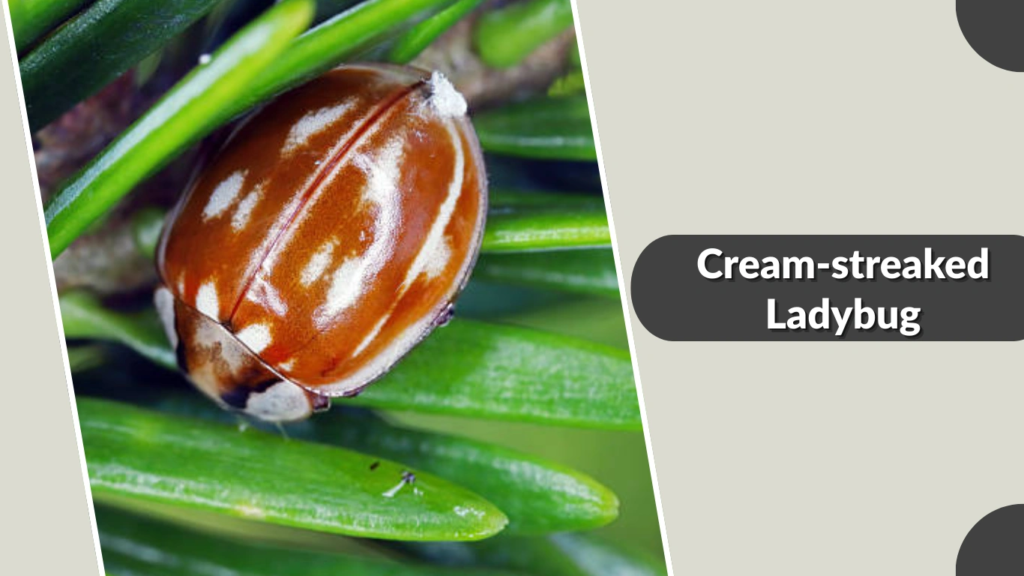
The cream-streaked ladybug is a visually distinctive species known for its pale streaks and contrasting darker background. It plays a helpful role in controlling plant pests in natural and cultivated environments.
Identification
- Dark brown to black wing covers
- Cream or pale yellow streaks or markings
- Light markings on the pronotum
- Rounded, dome-shaped body
Habitat
Cream-streaked ladybugs are found in forests, gardens, meadows, and agricultural landscapes. They are often seen on shrubs, trees, and herbaceous plants where aphids are present.
Behavior
These ladybugs are active during the day and tend to stay close to vegetation while foraging. They overwinter in protected areas such as under bark, stones, or leaf litter.
Diet and Lifecycle
They mainly feed on aphids, mites, and other soft-bodied insects. Females lay eggs near prey sources. The lifecycle includes egg, larva, pupa, and adult stages, with larvae being highly predatory.
13. Eye-spotted Ladybug

The eye-spotted ladybug is a large, eye-catching species named for the bold spot patterns on its wing covers. It is a beneficial predator commonly found in wooded environments.
Identification
- Red wing covers with large black spots surrounded by pale rings
- Spots resemble eye-like markings
- Black pronotum with white patches
- Large, dome-shaped body
Habitat
Eye-spotted ladybugs are most commonly found in forests, wooded areas, and tree-rich landscapes. They often live on coniferous and deciduous trees where prey insects are abundant.
Behavior
These ladybugs are active during the day and are strong fliers. They tend to overwinter in tree bark crevices, logs, or leaf litter and are less likely to enter buildings than some other species.
Diet and Lifecycle
They feed primarily on aphids, scale insects, and other soft-bodied tree pests. Females lay eggs on leaves or bark near prey. The lifecycle includes egg, larva, pupa, and adult stages, with larvae actively hunting pests.
14. Pine Ladybug

The pine ladybug is a forest-dwelling species closely associated with pine and other coniferous trees. It is a beneficial insect that helps control pests affecting tree health.
Identification
- Reddish-orange to dark red wing covers
- Small black spots or markings
- Black pronotum with pale edges
- Rounded, dome-shaped body
Habitat
Pine ladybugs are primarily found in coniferous forests, especially on pine, spruce, and fir trees. They are often seen on tree bark, needles, and nearby vegetation where prey insects are present.
Behavior
These ladybugs are active during the day and spend most of their time on trees. They overwinter in bark crevices, under loose bark, or in forest litter.
Diet and Lifecycle
They feed mainly on aphids, scale insects, and other soft-bodied pests found on conifers. Females lay eggs on needles or bark near prey. The lifecycle includes egg, larva, pupa, and adult stages.
15. Striped Ladybug
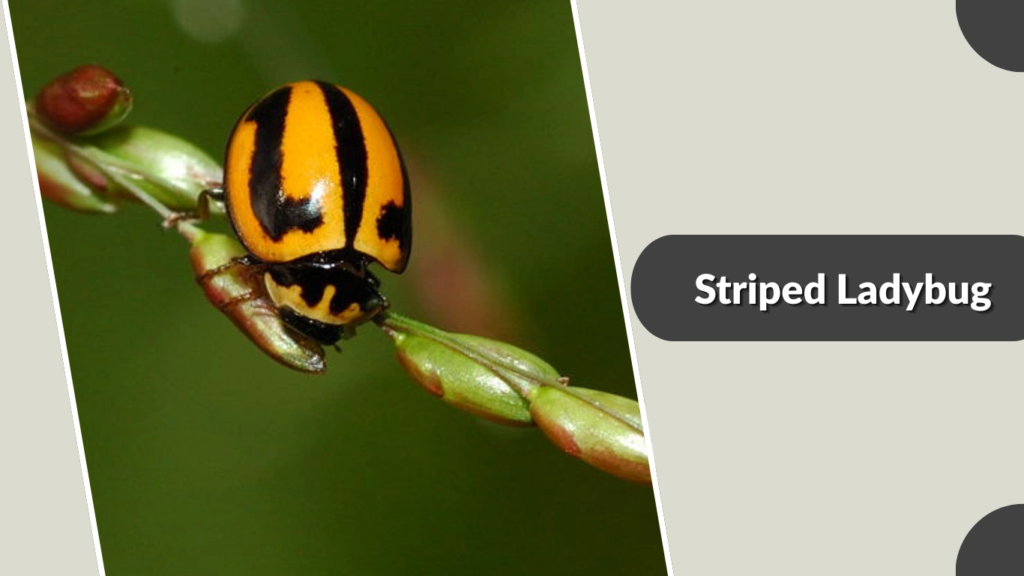
Striped ladybugs are easily recognized by the linear markings on their wing covers. They are beneficial insects that help regulate pest populations in a variety of plant-rich habitats.
Identification
- Yellow, orange, or red wing covers
- Distinct black stripes running lengthwise
- Black pronotum with pale markings
- Oval, dome-shaped body
Habitat
Striped ladybugs are commonly found in gardens, grasslands, meadows, and agricultural fields. They prefer areas with flowering plants and abundant aphids or other soft-bodied insects.
Behavior
These ladybugs are active during daylight hours and frequently move between plants while foraging. They may overwinter in leaf litter, under bark, or within sheltered vegetation.
Diet and Lifecycle
They primarily feed on aphids, mites, and small insect pests. Females lay eggs on plant surfaces near prey colonies. The lifecycle follows egg, larva, pupa, and adult stages, with larvae being highly effective predators.
16. Mexican Bean Beetle
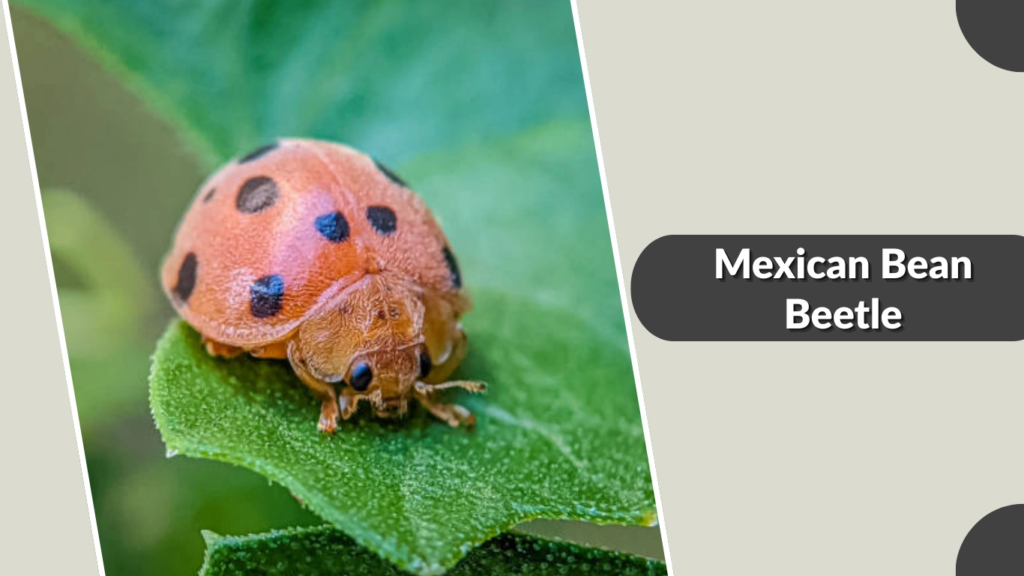
The Mexican bean beetle is a unique ladybug species known for feeding on plants rather than pests. Unlike most ladybugs, it is considered an agricultural pest, especially on bean crops.
Identification
- Yellow to copper-colored wing covers
- Sixteen black spots arranged symmetrically
- Oval, dome-shaped body
- Covered with fine hairs giving a fuzzy appearance
Habitat
Mexican bean beetles are commonly found in gardens, farms, and agricultural fields where beans, peas, and legumes are grown. They stay close to host plants throughout their life.
Behavior
These beetles are active during the day and feed openly on plant leaves. Both adults and larvae cause damage by skeletonizing foliage, reducing plant productivity.
Diet and Lifecycle
They feed primarily on bean plant leaves. Females lay eggs on the undersides of leaves. The lifecycle includes egg, larva, pupa, and adult stages, with both larvae and adults feeding on plants.
17. Ashy Gray Ladybug
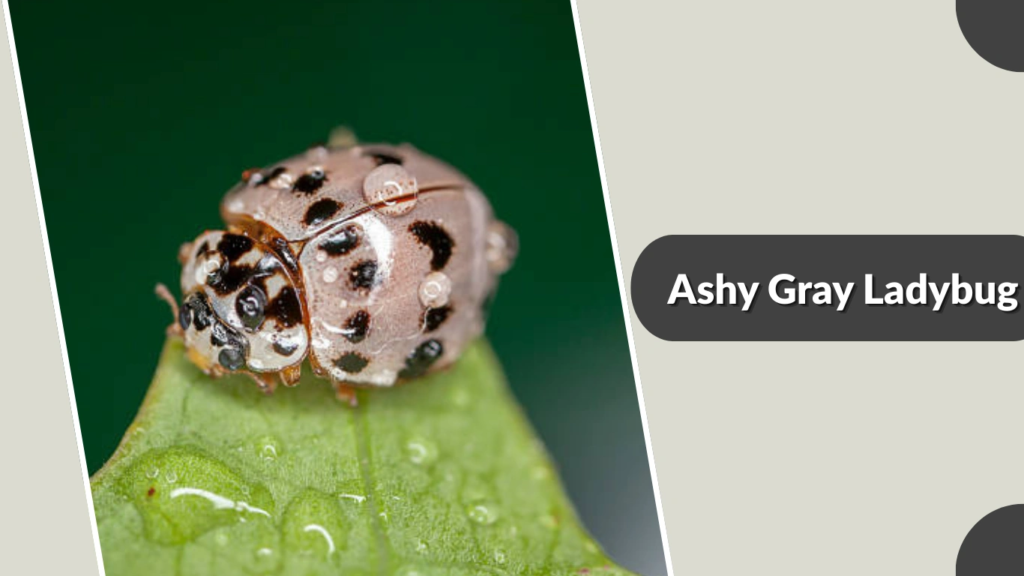
The ashy gray ladybug is a subtle-colored species known for its muted appearance and effectiveness in controlling plant pests. It blends well into bark and foliage, making it less noticeable than brightly colored ladybugs.
Identification
- Gray to pale brown wing covers
- Fine dark speckling or faint spots
- Dark pronotum with lighter margins
- Rounded, dome-shaped body
Habitat
Ashy gray ladybugs are commonly found in forests, woodlands, orchards, and gardens. They are often seen on trees and shrubs where aphids and scale insects are present.
Behavior
These ladybugs are active during daylight hours but tend to be less conspicuous. They overwinter in bark crevices, under logs, or within leaf litter.
Diet and Lifecycle
They primarily feed on aphids, scale insects, and other soft-bodied pests. Females lay eggs near prey colonies. The lifecycle includes egg, larva, pupa, and adult stages, with larvae actively hunting insects.
18. Polished Ladybug

The polished ladybug is named for its smooth, glossy appearance. It is a beneficial species that plays a role in controlling insect pests in various natural and cultivated environments.
Identification
- Shiny, smooth wing covers
- Red, orange, or black coloration
- Few or no visible spots
- Rounded, dome-shaped body
Habitat
Polished ladybugs are found in forests, gardens, meadows, and agricultural areas. They often inhabit trees, shrubs, and flowering plants where prey insects are available.
Behavior
These ladybugs are active during the day and tend to move calmly across plant surfaces. They overwinter in sheltered locations such as leaf litter, under bark, or crevices.
Diet and Lifecycle
They feed mainly on aphids, scale insects, and mites. Females lay eggs on leaves near prey. The lifecycle includes egg, larva, pupa, and adult stages, with larvae consuming large numbers of pests.
19. Mealybug Lady Beetle
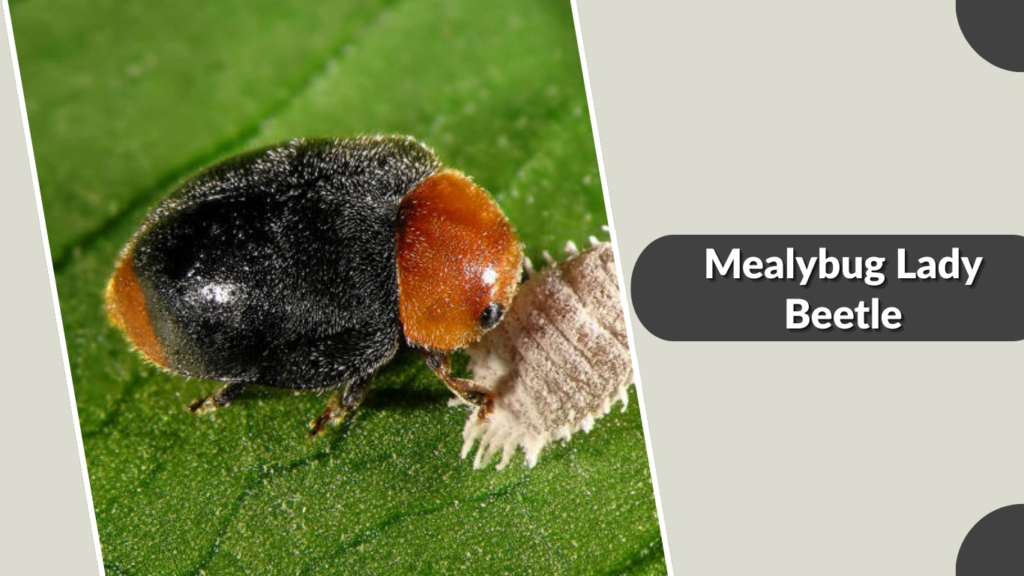
The mealybug lady beetle is a specialized predator best known for controlling mealybug infestations. It is highly valued in gardens and agriculture for its effectiveness against these damaging plant pests.
Identification
- Small to medium-sized beetle
- Dark brown to black body
- Covered with fine hairs, giving a fuzzy appearance
- Larvae resemble mealybugs due to white, waxy filaments
Habitat
Mealybug lady beetles are commonly found in gardens, greenhouses, orchards, and agricultural fields where mealybugs and scale insects are present. They stay close to infested plants.
Behavior
These beetles are active during the day and move slowly while feeding. Both adults and larvae are efficient predators and remain near prey colonies for extended periods.
Diet and Lifecycle
They primarily feed on mealybugs, aphids, and scale insects. Females lay eggs near infestations. The lifecycle includes egg, larva, pupa, and adult stages, with larvae providing significant pest control.
20. Blood-red Ladybug
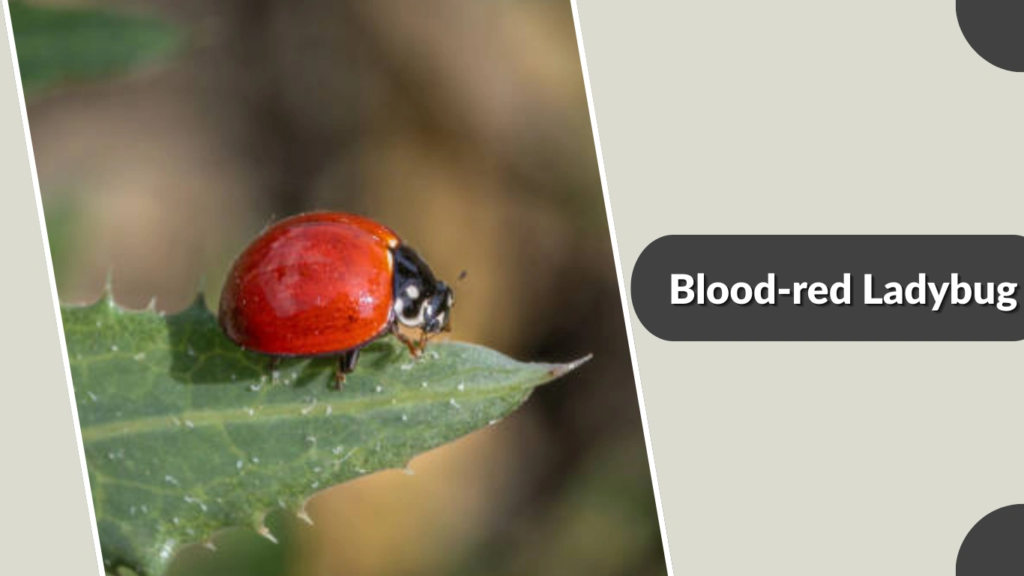
The blood-red ladybug is a striking species recognized for its deep red coloration and dark markings. It is a beneficial predator that helps control a wide range of garden and agricultural pests.
Identification
- Deep red or crimson wing covers
- Several black spots or dark markings
- Black pronotum with pale side patches
- Rounded, dome-shaped body
Habitat
Blood-red ladybugs are commonly found in forests, gardens, grasslands, and agricultural fields. They prefer areas with dense vegetation and abundant aphid populations.
Behavior
These ladybugs are active during the day and are strong fliers. They often overwinter in leaf litter, under bark, or within sheltered natural crevices.
Diet and Lifecycle
They feed primarily on aphids, mites, and other soft-bodied insects. Females lay eggs on plant leaves near prey. The lifecycle includes egg, larva, pupa, and adult stages, with larvae acting as effective predators.
21. Variegated Ladybug

The variegated ladybug is a small, adaptable species known for its variable coloration and excellent pest-control abilities. It is commonly found in gardens and agricultural areas where aphids are plentiful.
Identification
- Small-sized ladybug
- Color ranges from yellow-orange to red
- Irregular black spots or markings
- Black pronotum with pale or white patterns
Habitat
Variegated ladybugs inhabit gardens, crop fields, meadows, and grasslands. They are frequently seen on low-growing plants, herbs, and crops where aphids and other pests gather.
Behavior
These ladybugs are active during daylight and move quickly between plants while feeding. They may overwinter in leaf litter, soil cracks, or sheltered vegetation.
Diet and Lifecycle
They primarily feed on aphids, mites, and small soft-bodied insects. Females lay eggs near prey colonies. The lifecycle includes egg, larva, pupa, and adult stages, with larvae consuming large numbers of pests.
FAQs
Are all ladybugs beneficial insects?
Most ladybugs are beneficial because they feed on aphids and other plant pests. However, a few species, such as the Mexican bean beetle, feed on plants and are considered agricultural pests rather than helpful insects.
What do ladybugs eat in gardens?
Ladybugs mainly eat aphids, mites, scale insects, and other soft-bodied pests. Some species may also consume pollen, nectar, or mildew when prey insects are scarce.
Why do ladybugs enter houses?
Ladybugs often enter houses in autumn while searching for warm, sheltered places to overwinter. They are not trying to infest homes and usually leave once temperatures rise.
How long do ladybugs live?
Ladybugs typically live between one and two years. Their lifespan includes four stages: egg, larva, pupa, and adult, with adults surviving the longest under favorable conditions.
Can ladybugs bite humans?
Ladybugs can bite if handled roughly, but their bites are harmless and rarely felt. They do not sting and pose no real threat to people or pets.
