
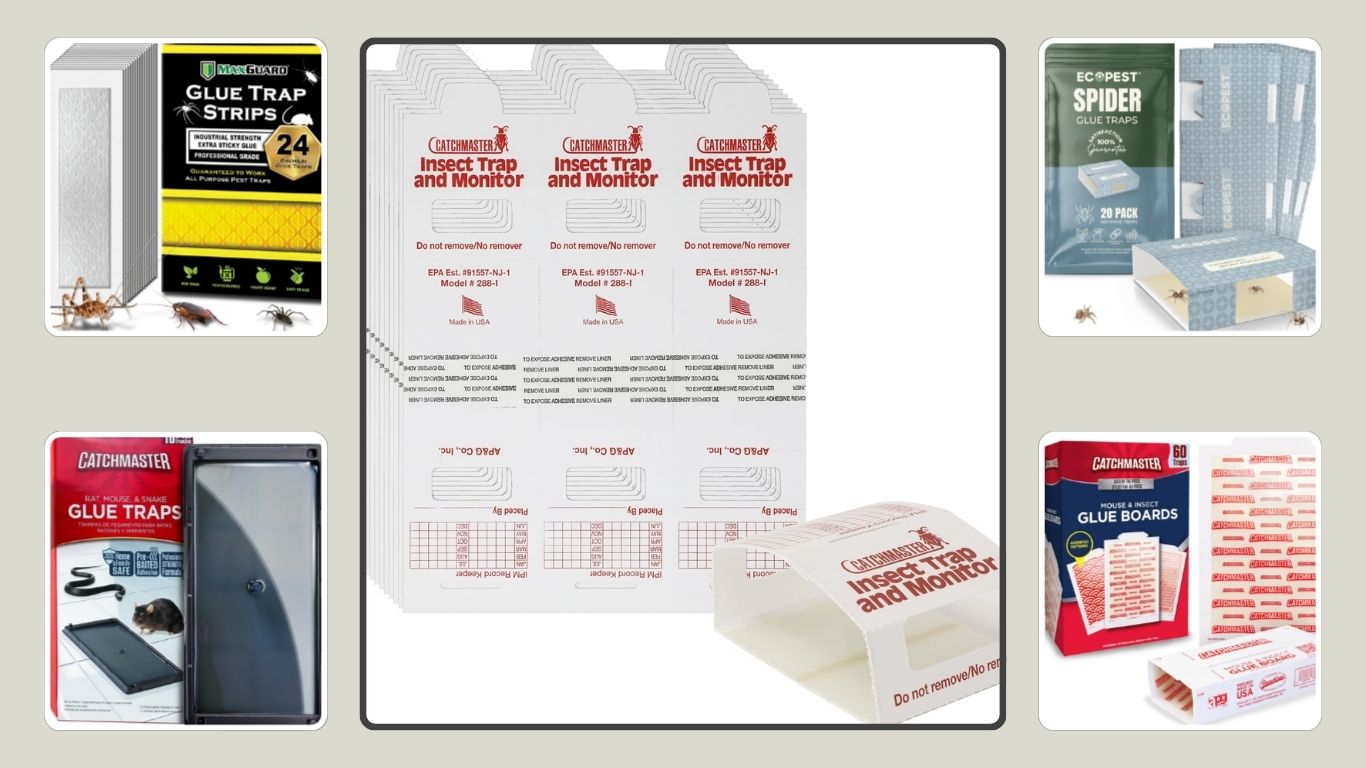
Spiders often hide along walls, baseboards, corners, garages, basements, and other quiet areas where they can be difficult to catch. A reliable sticky spider trap offers a simple way to monitor and capture spiders without complicated equipment. Many glue traps can also catch roaches, crickets, centipedes, and other crawling pests. In this guide, we review the 9 best sticky spider traps based on adhesive strength, coverage, ease of placement, durability, trap design, and suitability for indoor pest-control situations.
1. MaxGuard Sticky Spider Traps for Indoor Crawling Insects
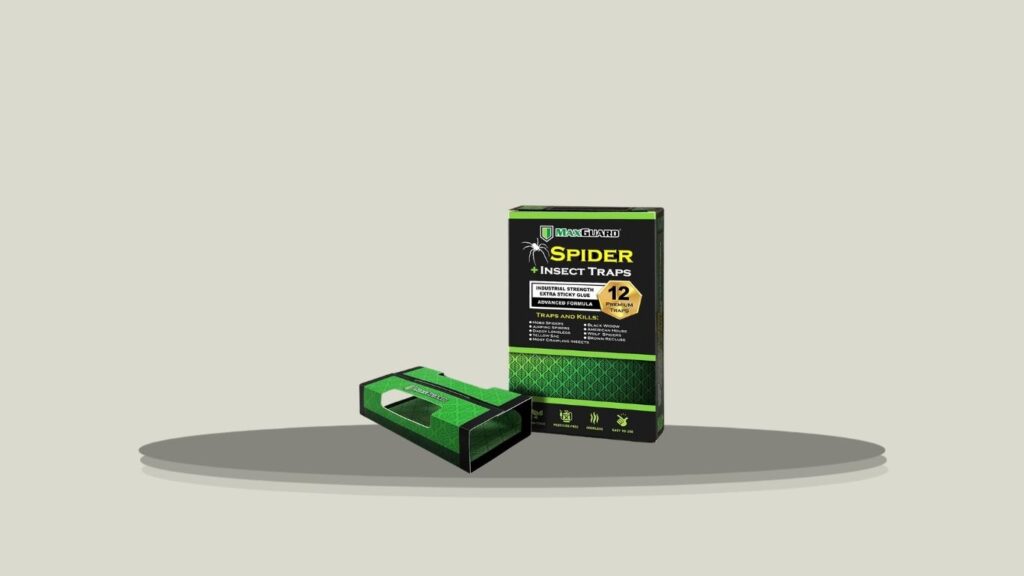
The MaxGuard Sticky Spider Traps are designed for homeowners who want a simple, chemical-free way to monitor and capture spiders indoors. These adhesive traps can be placed along baseboards, behind furniture, inside closets, garages, basements, and other low-traffic areas where spiders often travel. Their flat design helps them fit into narrow spaces while providing a broad sticky surface for crawling pests.
Key Features
- Strong adhesive surface
- Designed for spiders and crawling insects
- Suitable for indoor use
- Flat, low-profile construction
- Easy placement along walls and corners
- Useful for monitoring pest activity
- No spraying or powered equipment required
Why It Is Best for General Indoor Spider Control
The biggest strength of MaxGuard is versatility. Rather than targeting only one spider species, the trap can be positioned in areas where different spiders and crawling insects are likely to move.
Because spiders often follow walls and edges while hunting, placing adhesive traps along those pathways can improve the chance of capture. The low-profile shape also makes them practical for hidden areas where a larger pest-control device would be inconvenient.
For households that prefer passive monitoring rather than frequent spraying, this design provides a straightforward alternative.
Adhesive Performance and Placement
A sticky trap is only as useful as its adhesive and placement. MaxGuard-style glue boards are most effective when kept flat against travel routes, such as behind appliances, beneath shelves, and beside baseboards.
Keeping the surface free of dust is important because debris can reduce adhesive performance. In cleaner indoor areas, the trap can remain effective longer and provide a clear indication of where spider activity is strongest.
Multiple traps can also help identify which rooms require greater attention.
Overall Verdict
MaxGuard Sticky Spider Traps are a practical choice for routine indoor spider monitoring and capture. Their simple construction, broad adhesive area, and flexible placement make them useful in bedrooms, garages, basements, and storage spaces. For users who want a low-maintenance way to track and reduce spider activity without complicated equipment, they provide a dependable starting point.
2. Indoor Glue Boards for Spiders and Crawling Pests
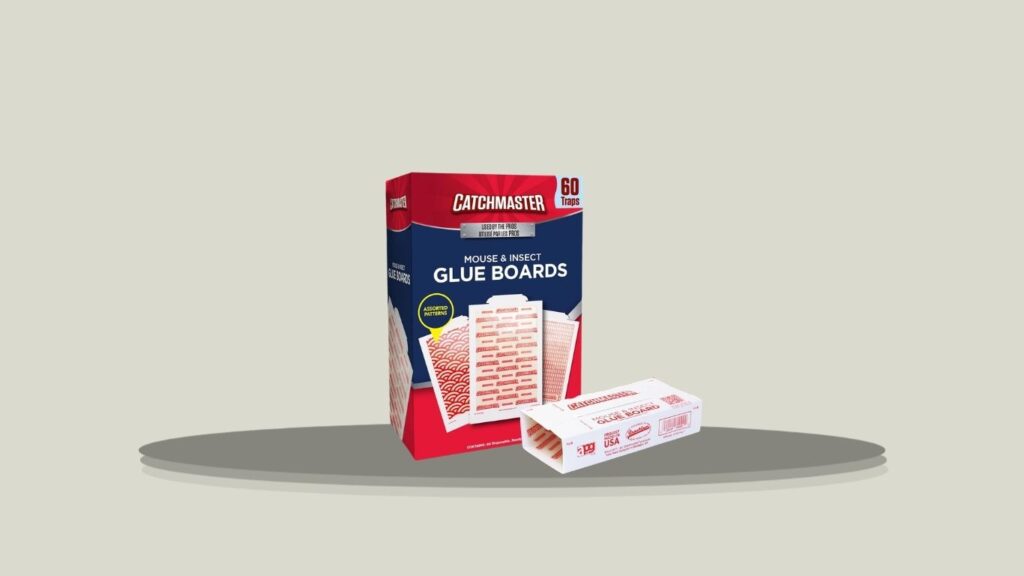
These Indoor Glue Boards provide a broad adhesive platform for catching spiders and other crawling pests in enclosed areas. Their straightforward foldable or flat-board design makes them suitable for placement beneath furniture, near walls, around storage areas, and in other locations where spiders tend to remain hidden.
Key Features
- Large sticky capture area
- Suitable for spiders and crawling pests
- Works without electricity
- Can be placed flat or in protected locations
- Useful for basements, garages, and closets
- Simple disposable design
- Helps monitor pest movement
Why It Is Best for Wide Floor Coverage
The larger adhesive surface makes these glue boards particularly useful in places where spiders move across open floor edges or travel between storage boxes, furniture, and walls.
A wider surface increases the opportunity for contact compared with very small traps. This is especially useful in basements, utility rooms, and garages where pest movement may not follow one narrow pathway.
The boards can also serve as monitoring tools by showing where spiders and other crawling insects are most active.
Performance in Low-Traffic Areas
Glue boards perform best when they are left undisturbed in locations where spiders naturally move. Placing them behind cabinets, near water heaters, along garage walls, or beneath shelving can increase effectiveness.
The exposed adhesive should generally be protected from dust, pet hair, and heavy foot traffic. Once debris covers the glue, capture performance can decline.
For this reason, these traps are better suited to hidden or controlled locations rather than the center of busy rooms.
Overall Verdict
Indoor Glue Boards are a useful option for homeowners who want broad, passive spider control with minimal setup. Their large sticky area works well in garages, basements, closets, and storage rooms where spiders are commonly encountered. They are especially practical for users who want both pest capture and a simple method for identifying problem areas around the home.
3. Pre-Baited Sticky Traps for Spiders, Cockroaches & Centipedes
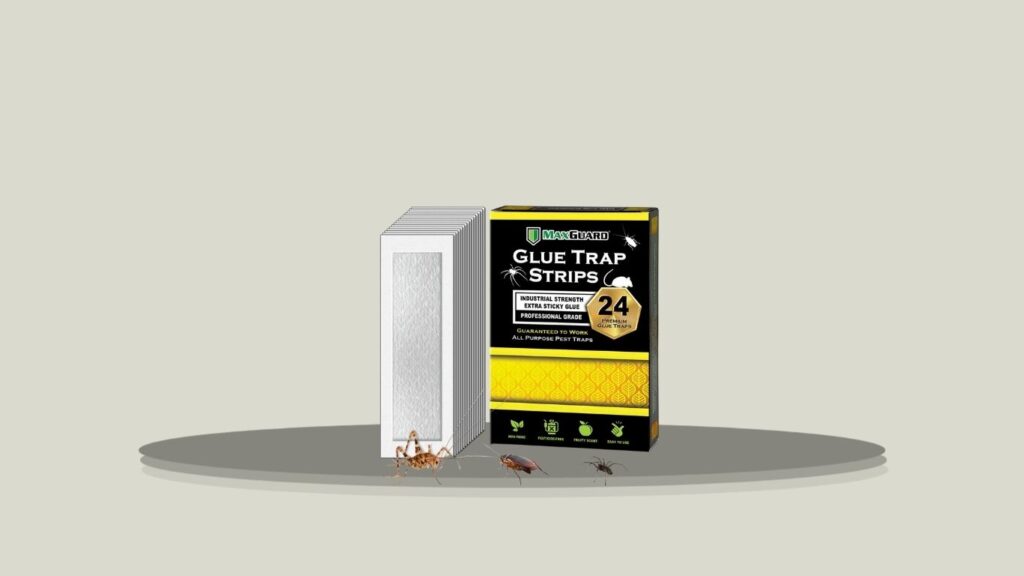
These pre-baited sticky traps are designed to capture multiple types of crawling pests, including spiders, cockroaches, and centipedes. The combination of adhesive capture and an integrated attractant makes them more targeted than a plain glue board, particularly in areas where several pest species are present at the same time.
Key Features
- Pre-baited attractant design
- Strong adhesive surface
- Targets spiders and crawling insects
- Useful for cockroaches and centipedes
- Suitable for indoor placement
- Easy to position near pest activity
- Passive, maintenance-light operation
Why It Is Best for Mixed Crawling Pest Problems
Not every home has a spider-only problem. Spiders often appear in places where other insects are already active because those insects provide food.
A trap that can capture roaches, centipedes, and other crawling pests may therefore help address the broader environment attracting spiders in the first place.
The pre-baited design can also make placement easier because users do not need to add a separate lure or food source.
Capture Performance and Practical Use
These traps are most effective when positioned near cracks, baseboards, cabinets, sinks, storage areas, or dark corners where crawling insects move regularly.
Because the adhesive surface captures whatever crosses it, the trap can also reveal which pests are present in a particular area. This is useful when the problem has not yet been clearly identified.
The enclosed or foldable format commonly used with pre-baited traps can provide added protection from dust compared with fully exposed flat glue boards.
Overall Verdict
Pre-Baited Sticky Traps are a strong choice for homes dealing with spiders alongside other crawling insects. Their combination of attractant and adhesive capture provides more versatility than a basic spider-only trap. For kitchens, garages, basements, and utility spaces where multiple pest species are active, they offer a practical monitoring and control option.
4. Qualirey Sticky Spider Traps for Brown Recluse & Crawling Insects
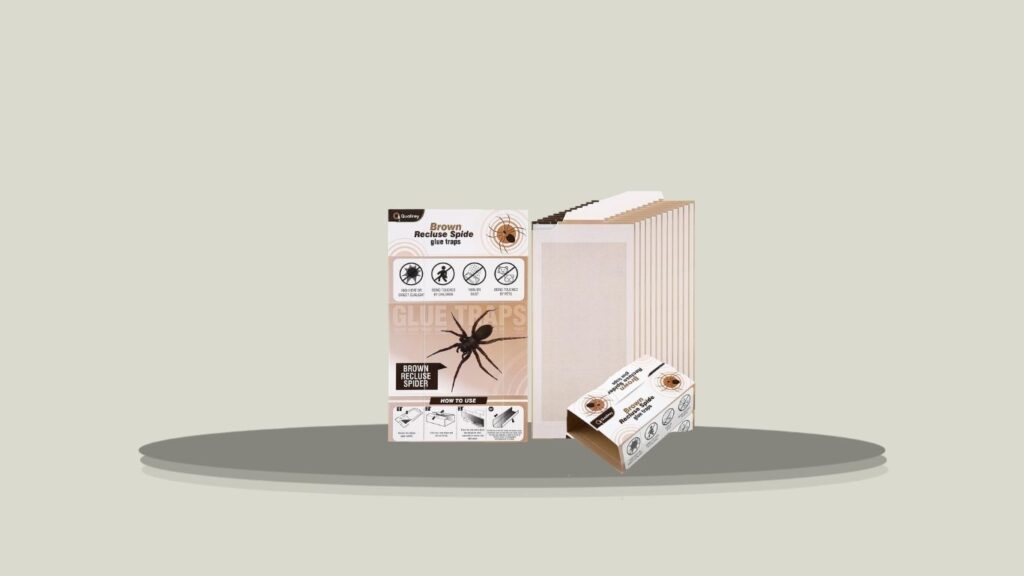
Qualirey Sticky Spider Traps are designed for indoor monitoring and capture of spiders, including species that tend to hide in dark, undisturbed locations. Their adhesive surface can also catch other crawling insects, making the traps useful around garages, storage rooms, closets, and similar areas where pest activity may go unnoticed.
Key Features
- Designed for spider capture
- Suitable for brown recluse monitoring
- Strong adhesive trapping surface
- Works with other crawling insects
- Compact indoor design
- Easy placement near walls and corners
- Useful for long-term pest monitoring
Why It Is Best for Hidden Spider Activity
Brown recluse spiders and many other indoor spiders often prefer quiet, sheltered environments. This makes visual detection difficult unless traps are placed in the right locations.
Qualirey-style sticky traps can be positioned behind boxes, under shelving, inside closets, or along garage walls to monitor areas that are rarely disturbed.
This hidden placement strategy is especially useful when spiders are seen occasionally but their main activity zone is unclear.
Adhesive Performance and Monitoring Value
The sticky surface provides both capture and information. Once spiders or insects begin appearing on certain traps, users can identify which parts of the home have the highest activity.
That makes it easier to focus cleaning, sealing, and additional pest-control measures in the correct areas.
For best performance, traps should remain dry and relatively dust-free. Rotating or replacing boards when the adhesive becomes dirty can help maintain consistent capture ability.
Overall Verdict
Qualirey Sticky Spider Traps are particularly useful for monitoring spiders in concealed indoor spaces. Their targeted design works well in garages, basements, closets, and storage rooms where hidden spider activity is common. For homeowners who want to detect and reduce spider movement without relying solely on sprays, these traps provide a practical and easy-to-position solution.
5. Catchmaster Large Sticky Glue Traps
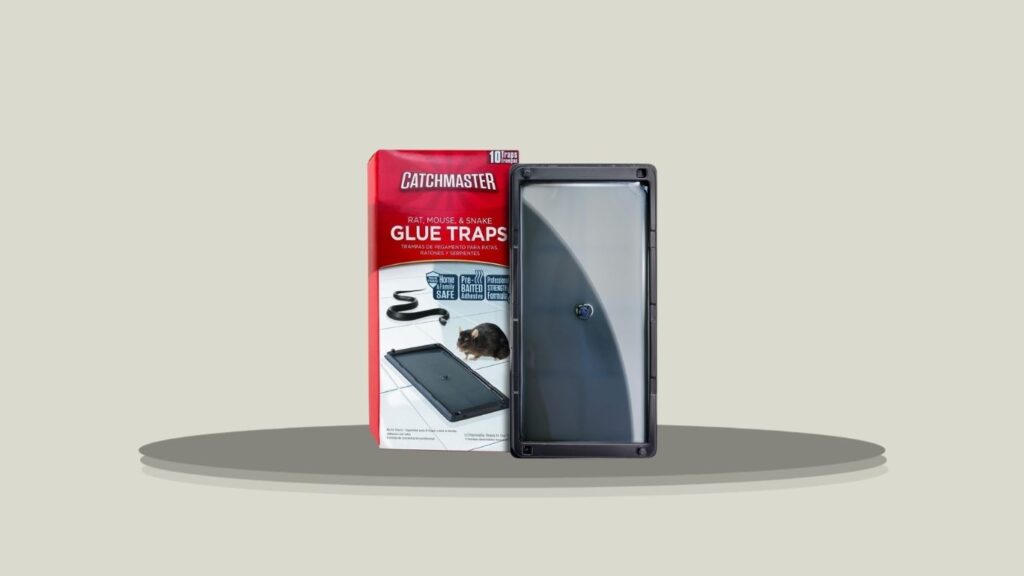
Catchmaster Large Sticky Glue Traps provide an oversized adhesive surface designed to capture a variety of crawling pests. While often associated with broader pest control, the large glue area also makes them useful for spiders moving across floors, walls, utility spaces, garages, and storage areas where smaller traps may offer limited coverage.
Key Features
- Large adhesive capture surface
- Suitable for spiders and crawling pests
- Strong glue board design
- Useful in garages and basements
- Works without electricity
- Easy to place along pest travel routes
- Provides visual pest monitoring
Why It Is Best for Large Coverage Areas
The primary advantage of this Catchmaster design is size. In wide storage spaces, garages, basements, or utility rooms, a small spider trap may cover only a narrow travel path.
A larger adhesive board increases the surface area available for contact, making it more suitable where pest movement is spread across a broader section of floor.
The larger format can also catch multiple insects before needing replacement, which is useful in areas with heavier activity.
Adhesive Strength and Everyday Performance
Strong adhesive is important when dealing with larger spiders and other crawling pests. Once an insect makes solid contact with the glue surface, the broad board helps reduce the chance of escape.
Placement along walls, behind appliances, beneath shelves, and near entry points can improve capture rates. The board should be kept away from dusty or wet areas whenever possible because contamination can reduce stickiness.
It can also be useful for monitoring seasonal changes in pest activity.
Overall Verdict
Catchmaster Large Sticky Glue Traps are well suited to homeowners who need more coverage than a compact spider trap can provide. Their generous adhesive area makes them particularly practical in garages, basements, warehouses, and storage spaces. For broader crawling-pest monitoring and spider capture, the larger board design offers useful capacity and dependable passive control.
6. Mysora Indoor Spider Sticky Traps
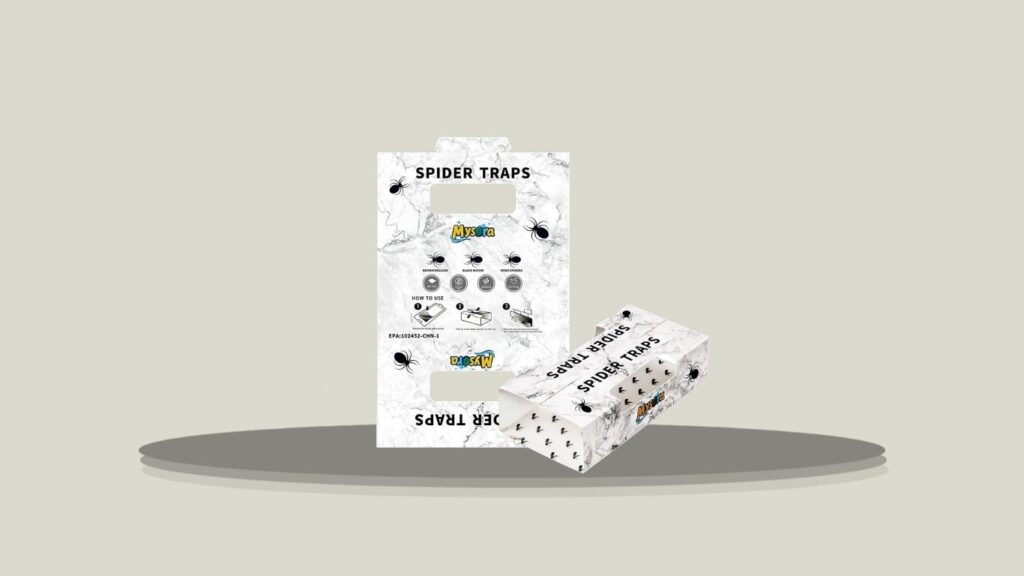
Mysora Indoor Spider Sticky Traps are designed for people who want a simple way to monitor and capture spiders in bedrooms, closets, basements, garages, and other indoor areas. Their compact glue-board design makes them easy to position along walls and in hidden spaces where spiders frequently travel. They can also catch other crawling insects that move across the adhesive surface.
Key Features
- Strong sticky adhesive surface
- Designed for indoor spider control
- Compact, low-profile construction
- Suitable for closets, basements, and garages
- Can catch other crawling insects
- No electricity or spraying required
- Easy to place in hidden areas
Why It Is Best for Discreet Indoor Placement
One of the strongest advantages of these Mysora traps is their ability to fit into areas where larger pest-control products would be inconvenient. Spiders often stay behind furniture, beneath shelving, and around quiet corners, so a compact trap can be positioned close to their natural travel routes.
This makes the traps particularly useful for bedrooms, storage spaces, and closets where homeowners may want pest control that remains mostly out of sight.
Adhesive Performance and Monitoring Ability
The adhesive surface works passively, meaning the trap can remain in place and capture spiders as they move across it. Because the captured pests remain visible, the board also provides a useful way to monitor activity.
If one location consistently catches more spiders than another, that can indicate where cleaning, sealing cracks, or additional control measures should be focused.
Keeping the board away from dust, water, and pet hair helps preserve the adhesive for longer use.
Overall Verdict
Mysora Indoor Spider Sticky Traps are a practical choice for discreet spider monitoring in smaller indoor spaces. Their compact design makes them easy to position where spiders hide, while the adhesive board requires almost no maintenance once installed. For homeowners who want straightforward, non-powered spider capture without taking up visible space, they offer a convenient everyday solution.
7. Spider Traps with Crawling Insect Adhesive Detector
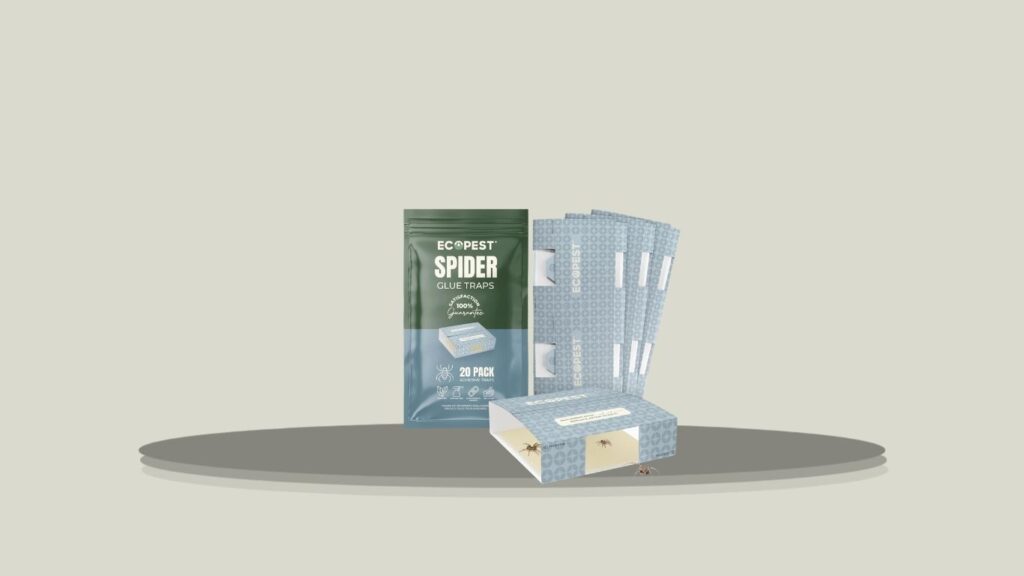
These Spider Traps with Crawling Insect Adhesive Detectors are designed to work as both capture tools and monitoring devices. The sticky surface can catch spiders as well as other crawling pests, helping homeowners identify which parts of the property have the most insect activity. Their simple foldable design makes them useful along baseboards, under appliances, and near storage areas.
Key Features
- Adhesive spider-catching surface
- Works as a pest detector
- Suitable for multiple crawling insects
- Compact foldable construction
- Easy to position along walls
- Passive operation
- Useful for monitoring infestation levels
Why It Is Best for Pest Detection
The monitoring function makes this trap particularly useful when the extent of a spider problem is unclear. Instead of relying only on occasional sightings, homeowners can place several traps in different rooms and compare results.
This makes it easier to identify high-activity zones such as basements, utility rooms, kitchens, or garages.
The ability to catch other crawling insects is also valuable because spiders are often present where prey insects are abundant.
Capture Performance and Strategic Placement
Spider traps tend to work best when placed directly against walls or in corners because many spiders travel along edges rather than crossing open spaces.
Good locations include behind refrigerators, under sinks, beside storage boxes, and near doorways or cracks where insects may enter.
The adhesive detector can remain in position until the surface becomes covered with dust or captured pests. Checking traps regularly provides useful information about whether activity is increasing or decreasing.
Overall Verdict
These adhesive detector traps are a strong option for users who want more than simple spider capture. They help reveal pest activity patterns while also trapping spiders and other crawling insects. For homeowners trying to determine where an infestation is concentrated before deciding on additional pest-control steps, this type of monitoring-focused trap can be particularly useful.
8. Sticky Glue Traps for Spiders, Roaches & Crickets
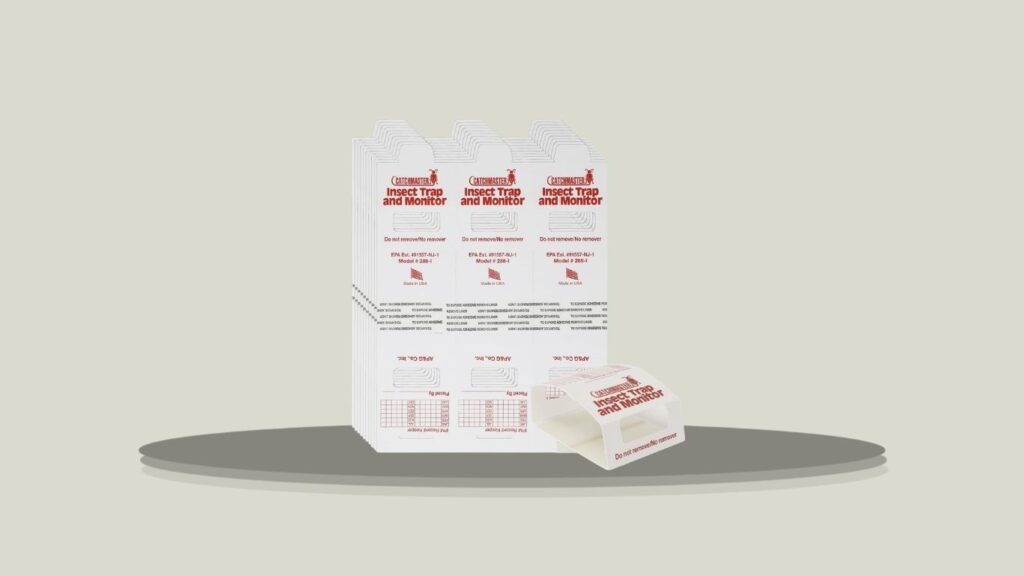
These Sticky Glue Traps are designed for broad crawling-pest control, making them useful in homes where spiders are present alongside roaches, crickets, or other insects. Their adhesive surface captures pests without requiring electricity, sprays, or complicated equipment. They work particularly well in basements, garages, kitchens, and utility spaces where multiple insects may share the same travel routes.
Key Features
- Designed for spiders, roaches, and crickets
- Strong adhesive surface
- Suitable for indoor use
- No electricity required
- Easy placement near baseboards
- Useful for mixed pest problems
- Disposable and low-maintenance design
Why It Is Best for Multiple Crawling Pests
Spiders often appear in homes because other insects provide a steady food supply. A trap that captures both spiders and their potential prey can therefore provide broader pest monitoring than a spider-only product.
This makes these glue traps especially useful in garages, basements, and utility spaces where crickets, roaches, and spiders may all be active.
Rather than using separate products for each pest, one adhesive board can help reveal what is moving through the area.
Adhesive Performance and Coverage
The broad glue surface increases the chance of capturing insects that cross the board. Placement along wall edges is particularly effective because many crawling pests naturally follow these routes.
The traps can also be positioned beneath appliances and shelving where insects tend to remain hidden.
For longer adhesive performance, the boards should be kept away from moisture and excessive dust. Once the surface becomes heavily covered with debris or pests, replacement is usually the best option.
Overall Verdict
These Sticky Glue Traps are a practical choice for homeowners dealing with more than one crawling pest. Their broad compatibility makes them useful in problem areas where spider activity overlaps with roaches, crickets, or similar insects. For simple, passive pest control across several species, they offer useful flexibility without adding complicated equipment to the home.
9. Bulk Sticky Glue Traps for Indoor Pest Control – 72 Pack
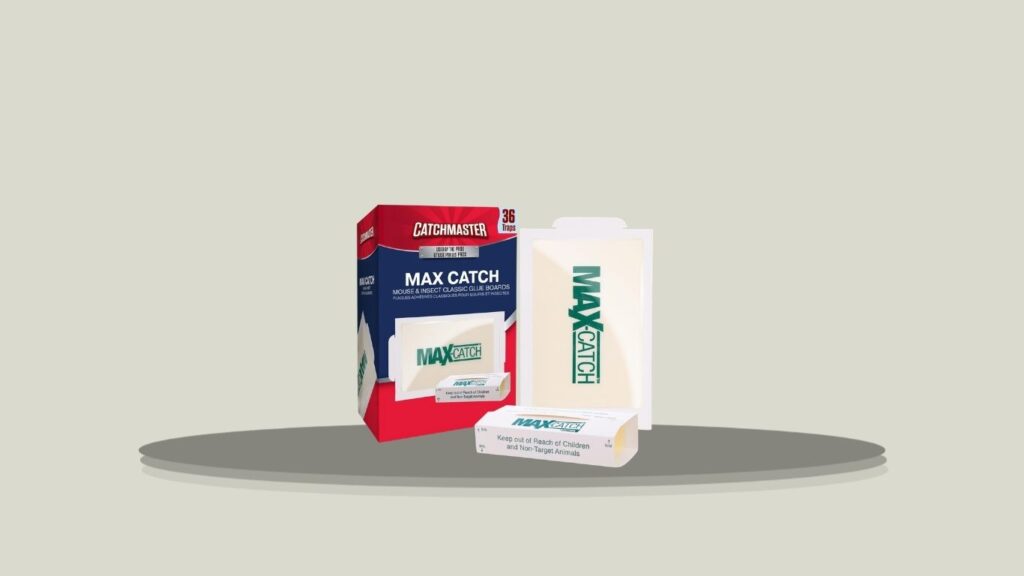
The Bulk Sticky Glue Traps 72-Pack is designed for larger homes, garages, storage spaces, or properties that require many monitoring points. Instead of relying on only a few glue boards, the large quantity allows traps to be distributed throughout multiple rooms and replaced regularly as they become full or dusty.
Key Features
- Large 72-trap supply
- Suitable for spiders and crawling pests
- Strong adhesive boards
- Useful for whole-home coverage
- Easy to distribute across multiple rooms
- No electricity or spraying required
- Convenient for long-term monitoring
Why It Is Best for Whole-Home Coverage
The biggest advantage of this option is quantity. When spider activity occurs in several rooms, using only one or two traps can make it difficult to understand where the main problem is located.
A 72-pack allows homeowners to place traps in basements, closets, garages, utility rooms, kitchens, and storage spaces at the same time.
This broad coverage can be especially useful in larger properties or buildings where spiders enter from several different points.
Performance and Long-Term Value
Having a large supply makes routine replacement much easier. Adhesive boards naturally lose performance as they collect dust, insects, and debris, so keeping fresh traps available helps maintain effective monitoring.
The boards can be positioned along walls, behind furniture, beneath shelving, and near likely entry points.
Using multiple traps can also help identify patterns. If certain locations consistently capture more spiders, those areas may need closer inspection for cracks, insect activity, or other conditions attracting pests.
Overall Verdict
The 72-Pack Bulk Sticky Glue Traps are best suited to users who need widespread, ongoing coverage rather than occasional spider monitoring. The large quantity makes them practical for big homes, garages, basements, warehouses, or repeated seasonal pest problems. For long-term spider and crawling-insect monitoring, the bulk format provides strong convenience and value.
FAQs
1. Do sticky spider traps really work?
Yes. Sticky spider traps can capture spiders that walk across the adhesive surface, especially when positioned along common travel routes such as baseboards, corners, garages, basements, and behind furniture. Proper placement is usually more important than simply using a large number of traps.
2. Where should I place sticky spider traps?
Place traps along walls, beneath furniture, inside closets, behind appliances, near storage boxes, and around dark corners where spiders are commonly seen. Garages, basements, utility rooms, and entry points are also useful locations.
3. How long can a sticky spider trap stay effective?
A trap can remain effective as long as the adhesive stays clean and sticky. Dust, moisture, pet hair, and captured insects can gradually reduce performance. Replace the trap when the glue becomes dirty, dried out, or heavily covered.
4. Can sticky traps catch brown recluse spiders?
Sticky traps can capture brown recluse spiders if the spider crosses the adhesive surface. They can also be useful for monitoring possible activity in dark, undisturbed spaces. However, suspected brown recluse infestations may require professional pest-control evaluation.
5. Are sticky spider traps good for other insects?
Yes. Many spider glue traps can also catch roaches, crickets, centipedes, silverfish, and other crawling insects. This can be particularly useful because reducing prey insects may also make the surrounding area less attractive to spiders.
