
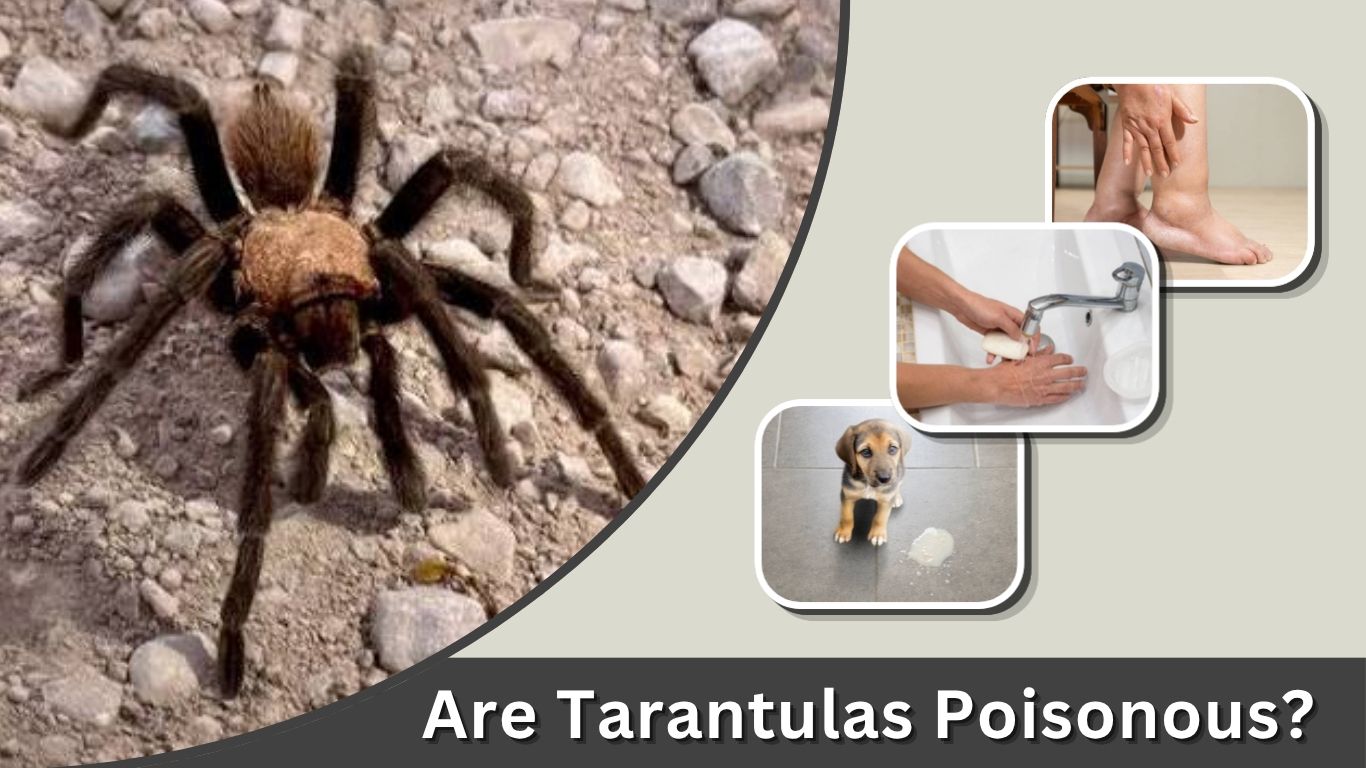
Tarantulas are often described as poisonous, but the more accurate term is venomous. They produce venom and deliver it through their fangs when biting prey or defending themselves. Most tarantula bites are not considered life-threatening to healthy humans, although they can cause pain, swelling, redness, and other symptoms. Some species, particularly certain Old World tarantulas, may cause stronger reactions. Tarantulas can also defend themselves with irritating hairs. Understanding the difference between venom and poison helps explain how dangerous these large spiders really are.
Are Tarantulas Poisonous?
Technically, tarantulas are not poisonous in the usual biological sense. They are venomous because they actively inject venom through their fangs.
Poison generally causes harm when it is eaten, touched, or absorbed. Venom is delivered directly into another animal through a bite, sting, or similar mechanism.
Poisonous vs. Venomous
The difference can be summarized simply:
- Poisonous: Harmful when eaten, touched, or absorbed
- Venomous: Injects toxins through a bite or sting
- Tarantulas: Venomous rather than poisonous
Almost all tarantulas possess venom because they use it to capture and immobilize prey.
Are All Tarantulas Venomous?
Yes, essentially all true tarantulas have venom glands associated with their fangs.
However, venom strength varies considerably among species. A tarantula’s venom is primarily designed to subdue insects and other small prey rather than humans.
Are Tarantulas Poisonous to Humans?
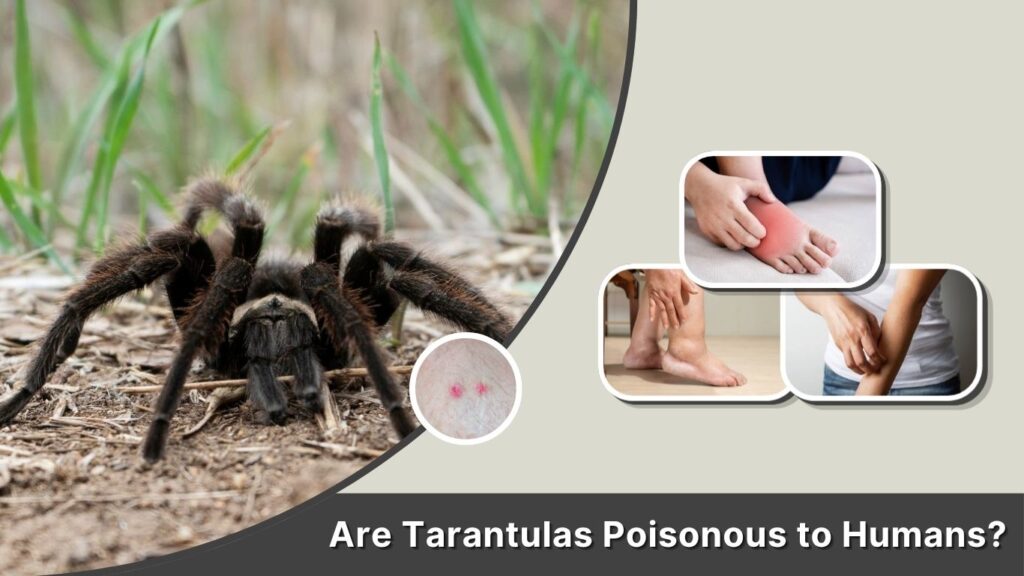
Tarantulas are generally not considered highly dangerous to humans. Most would rather escape than bite when disturbed.
A bite can still be painful because tarantulas possess large fangs capable of penetrating skin.
Symptoms of a Tarantula Bite
Possible symptoms include:
- Immediate pain
- Redness around the bite
- Swelling
- Tenderness
- Itching or irritation
- Muscle discomfort in some cases
Symptoms can differ depending on the tarantula species, amount of venom delivered, bite location, and individual sensitivity.
Can a Tarantula Bite Kill a Human?
Fatalities from typical tarantula bites are extraordinarily uncommon.
Most commonly kept New World tarantulas have venom that causes relatively limited effects in humans. Some Old World species can produce more significant pain, muscle cramps, or other systemic symptoms.
Anyone experiencing severe pain, breathing difficulties, spreading swelling, muscle spasms, or unusual neurological symptoms following a bite should seek medical attention.
Are Tarantula Hairs Poisonous?
Many New World tarantulas possess specialized defensive hairs known as urticating hairs.
These hairs are not the same as venom, but they can cause irritation when released into the skin, eyes, nose, or respiratory system.
What Happens if Tarantula Hairs Touch You?
Contact can cause:
- Itching
- Redness
- Burning sensations
- Small skin bumps
- Eye irritation
- Persistent discomfort
Eye exposure can be especially serious because the tiny hairs may become embedded in delicate tissues.
Avoid rubbing an affected area because doing so may push the hairs farther into the skin.
Are Tarantulas Poisonous to Dogs?
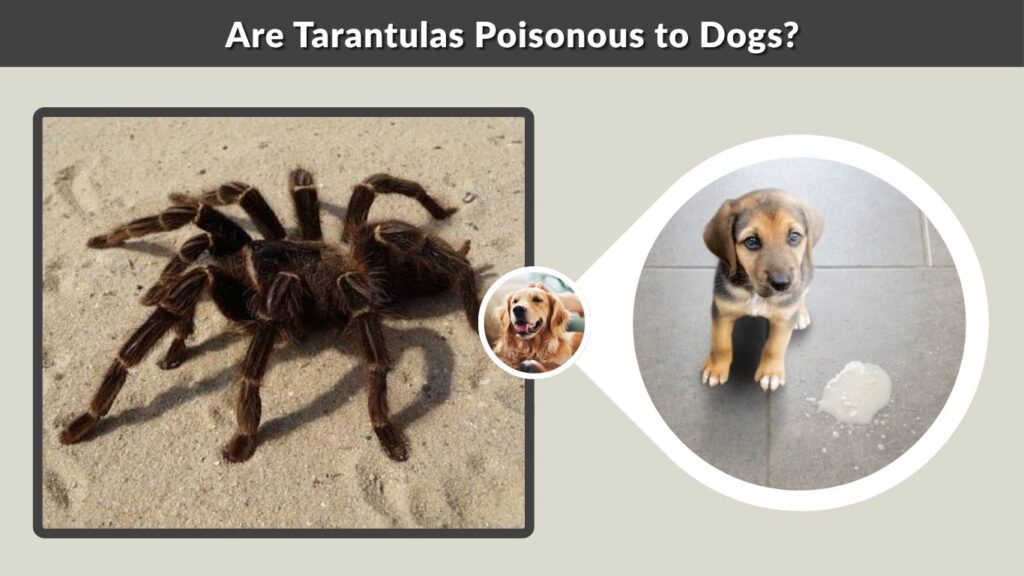
Tarantulas can pose more risk to dogs than they typically do to humans, especially if a dog tries to bite or eat one.
A tarantula may defend itself by biting or releasing irritating hairs.
Possible Effects on Dogs
A dog exposed to a tarantula may experience:
- Pain
- Swelling
- Excessive drooling
- Pawing at the mouth
- Facial irritation
- Vomiting
- Difficulty swallowing
- Eye irritation
Because dogs are smaller than humans and may receive a bite around the mouth or face, veterinary evaluation is advisable when significant symptoms occur.
Are Tarantulas Poisonous to Cats?
Cats may also encounter tarantulas because of their instinct to chase moving animals.
A defensive bite or exposure to urticating hairs can cause irritation and discomfort.
Cats showing swelling, excessive salivation, difficulty breathing, weakness, abnormal behavior, or significant pain after interacting with a tarantula should be evaluated by a veterinarian.
Are Texas Tarantulas Poisonous?
Texas is home to several native tarantulas, including brown-colored species commonly encountered during warmer periods.
These spiders are venomous, but their venom is generally not considered highly dangerous to healthy humans.
Texas Brown Tarantulas
Texas brown tarantulas are typically shy and prefer retreating rather than confronting people.
They can bite when handled, trapped, or threatened. Their urticating hairs may also irritate exposed skin or eyes.
Avoid handling wild tarantulas even when they appear calm.
Are Arizona Tarantulas Poisonous?
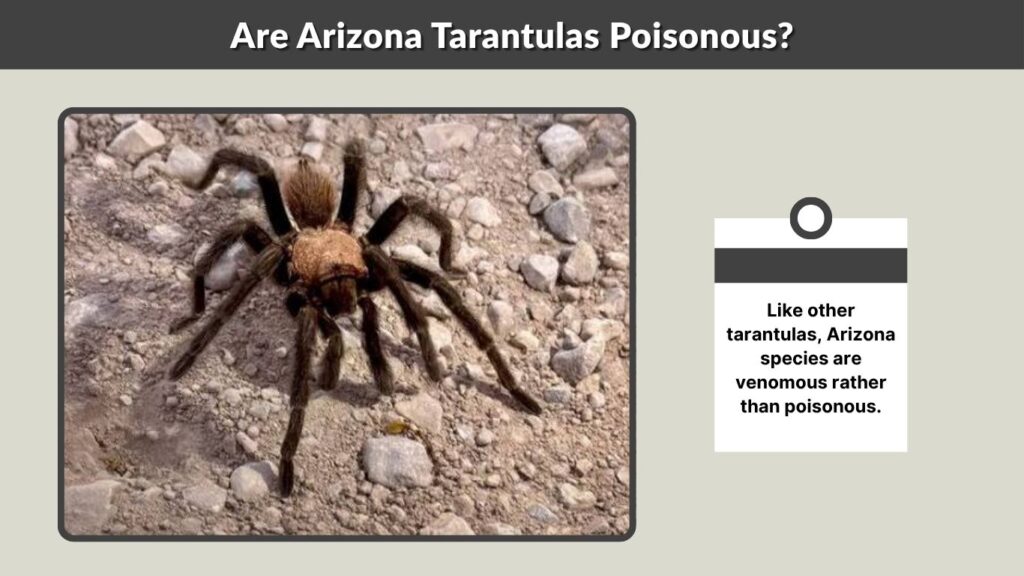
Arizona has several tarantula species adapted to dry environments.
Like other tarantulas, Arizona species are venomous rather than poisonous.
Their bites can be painful, but native North American tarantulas are generally not regarded as among the most medically significant tarantulas.
Desert Blonde Tarantulas
The Arizona blonde tarantula is a well-known desert species.
It is usually considered relatively calm compared with many faster or more defensive tarantulas. Nevertheless, it possesses venom and should not be unnecessarily handled.
Are Mexican Red Knee Tarantulas Poisonous?
Mexican red knee tarantulas are venomous but generally considered relatively mild compared with many Old World species.
They are popular in captivity because of their striking orange-red knee markings and often calmer temperament.
They can still defend themselves by biting or kicking urticating hairs when threatened.
Are Brazilian Black Tarantulas Poisonous?
Brazilian black tarantulas are venomous like all tarantulas.
Their venom is not usually regarded as highly dangerous to humans, but a bite can still cause pain and local reactions.
They also possess defensive hairs capable of causing skin or eye irritation.
Are Pink Toe Tarantulas Poisonous?
Pink toe tarantulas are arboreal New World tarantulas.
They possess venom and can bite, although they usually prefer retreating when possible.
A bite can be painful, but their defensive behavior may also involve releasing irritating hairs or rapidly escaping.
Are Cobalt Blue Tarantulas Poisonous?
Cobalt blue tarantulas are venomous Old World tarantulas.
Unlike many New World species, they lack the same type of abdominal urticating-hair defense and may rely more heavily on threat displays and biting.
They are fast, defensive spiders and are generally considered unsuitable for inexperienced keepers.
Are Orange Baboon Tarantulas Poisonous?
Orange baboon tarantulas are also venomous Old World species.
They are known for being fast and highly defensive when disturbed. Their venom can produce more significant symptoms than those typically associated with many common New World pet tarantulas.
Handling them directly is strongly discouraged.
Are Gooty Sapphire Tarantulas Poisonous?
The Gooty sapphire ornamental tarantula is a striking blue Old World species.
It is venomous and possesses large fangs. Like many arboreal Old World tarantulas, it can move extremely quickly and may defend itself when cornered.
Its appearance should not lead people to assume that it is safe to handle.
Are Pet Tarantulas Poisonous?
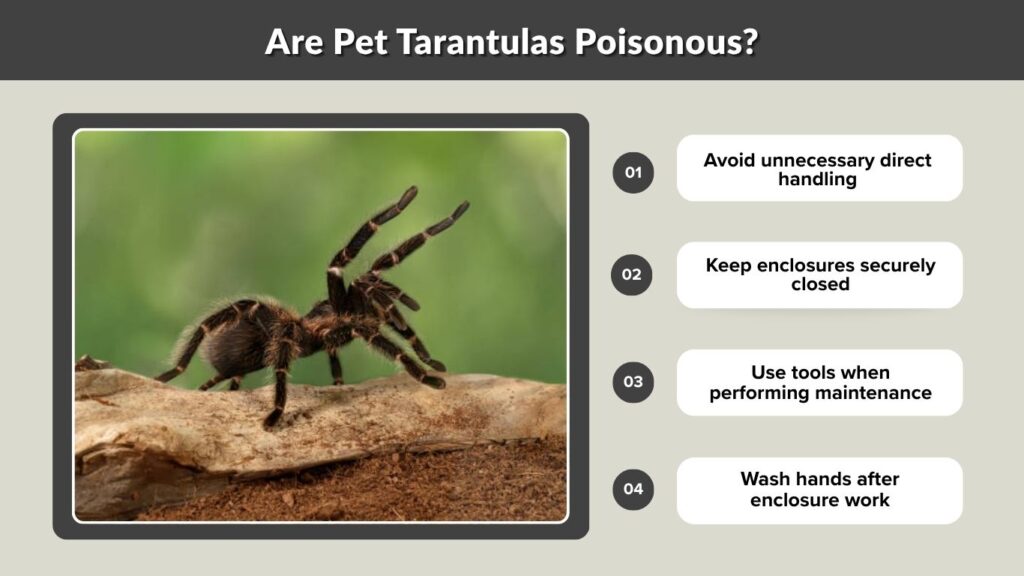
Pet tarantulas are venomous, but risk varies enormously depending on the species.
Many commonly kept beginner species are chosen partly because they are relatively calm and have less medically significant venom.
Safer Handling Practices
Tarantula owners should:
- Avoid unnecessary direct handling
- Keep enclosures securely closed
- Use tools when performing maintenance
- Wash hands after enclosure work
- Keep tarantulas away from children and pets
- Avoid touching the eyes after working near urticating hairs
Even a calm tarantula can become defensive when stressed.
Are Tarantulas Poisonous to Touch?
Simply touching a tarantula does not normally cause venom poisoning because venom must be delivered through its fangs.
However, handling is still discouraged.
Some tarantulas can release urticating hairs, and accidental drops can seriously injure the spider because its abdomen is relatively fragile.
A tarantula may also bite if it feels restrained or threatened.
What Should You Do After a Tarantula Bite?
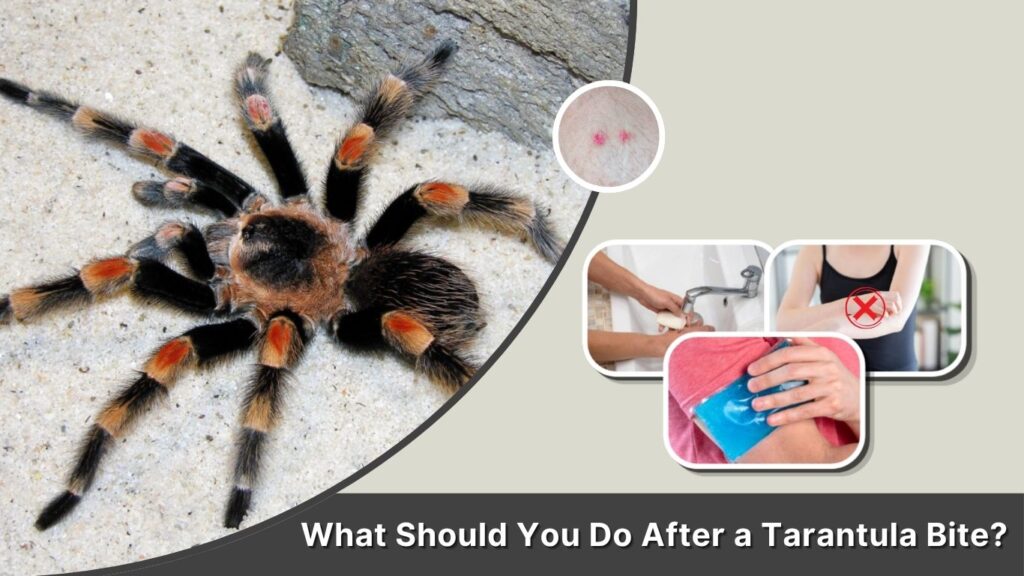
Most minor bites require basic first aid, but symptoms should be monitored carefully.
Basic Steps
- Wash the bite with soap and water.
- Keep the wound clean.
- Apply a cold compress for swelling.
- Avoid scratching the area.
- Watch for worsening symptoms.
- Seek medical advice if symptoms become severe.
Medical evaluation is particularly important when the species is unknown, the bite involves an Old World tarantula, or significant systemic symptoms develop.
FAQs
1. Are tarantulas poisonous or venomous?
Tarantulas are venomous rather than poisonous. They inject venom through their fangs when biting.
2. Are all tarantulas poisonous to humans?
Tarantulas are technically venomous, and nearly all species possess venom. Most are not considered highly dangerous to healthy humans, although the severity of bites varies.
3. Are tarantulas poisonous to dogs?
A tarantula bite or irritating hairs can cause significant symptoms in dogs. Contact a veterinarian if a dog is bitten or develops swelling, drooling, weakness, or breathing problems.
4. Are tarantula hairs poisonous?
Urticating hairs are not venom, but they can cause painful or persistent irritation, particularly when they enter the eyes.
5. Which tarantulas are most dangerous?
Certain Old World tarantulas are considered more medically significant because their venom can produce intense pain, cramping, or other systemic symptoms. Regardless of species, tarantulas should not be deliberately provoked or handled unnecessarily.
