

Staying in a hotel should be a relaxing experience, but the last thing you want to encounter is bed bugs. These tiny, reddish-brown pests can cause discomfort, sleepless nights, and even allergic reactions. Hotel rooms, especially those with high turnover rates, can sometimes harbor these insects. To avoid bringing bed bugs home or suffering through an itchy stay, it’s crucial to check for them before you settle in. Here are six easy methods to check for bed bugs in your hotel room.
Understanding Bed Bugs and Their Behavior

Before you start inspecting the room, it helps to understand what bed bugs are and how they behave. Bed bugs are small, flat insects that feed on the blood of humans and animals. They are nocturnal creatures, hiding during the day and coming out at night to feed. Because of their small size, they can fit into cracks and crevices, making them hard to spot. Bed bugs usually hide near the bed, in furniture, or in the cracks of walls and floors.
What Are Bed Bugs?
Bed bugs are oval-shaped, with a reddish-brown color. They grow to about 4-5 mm long, roughly the size of an apple seed. Although they are not known to transmit diseases, their bites can cause itching, allergic reactions, and in rare cases, secondary infections. The bites typically appear in a line or cluster and can be very itchy.
Common Signs of Bed Bugs in Hotels
Look for visible signs like blood stains on sheets, dark spots (bed bug droppings), and shed skins, which can be found near the bed or on furniture. You may also notice a musty odor in the room, which is produced by the bed bugs’ scent glands. By checking for these signs, you can determine whether bed bugs are present before you unpack.
Method 1: Inspect the Bed and Bedding
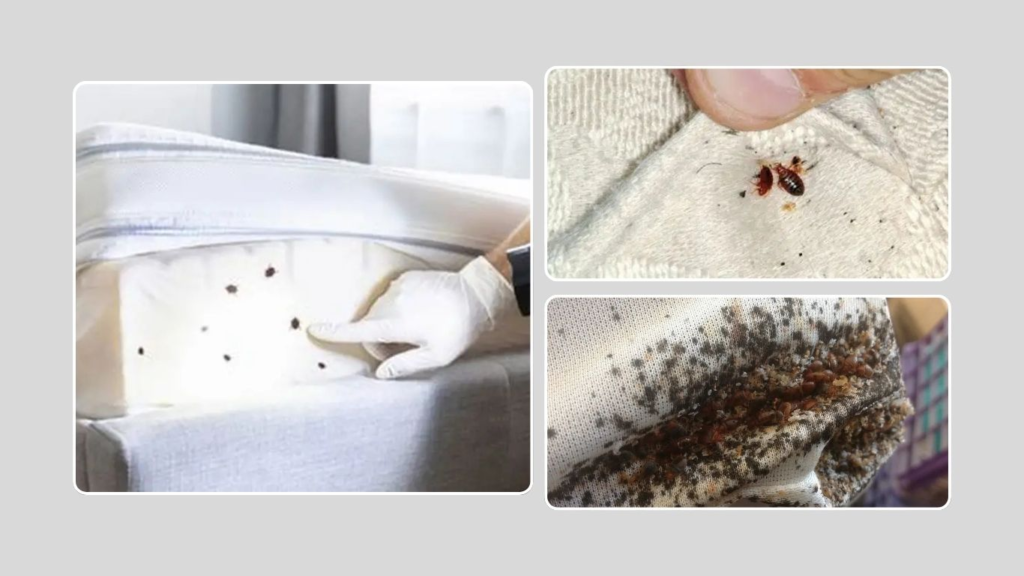
The bed is the most common place to find bed bugs, so it’s important to begin your inspection here.
Check the Mattress
Start by lifting the mattress and inspecting the seams, edges, and underneath. Bed bugs like to hide in these areas because they are close to their food source—the sleeping guest. Look for dark spots, which are bed bug excrement, or any small reddish-brown insects. Pay close attention to the mattress tag and stitching, as these are also common hiding places.
Inspect the Bed Frame and Headboard
If the bed frame is wooden, check for cracks and crevices where bed bugs can hide. Use a flashlight to inspect the headboard, as bed bugs often hide behind it. If the headboard is attached to the wall, check the space between the bed and the wall for any signs of activity.
Look for Stains or Droppings
Bed bug droppings often appear as small dark spots on sheets, pillowcases, and the mattress. If you find stains or droppings, it’s a strong indication that the room has had a bed bug infestation. These signs should be enough to alert you that further inspection is needed.
Method 2: Check the Furniture and Upholstery
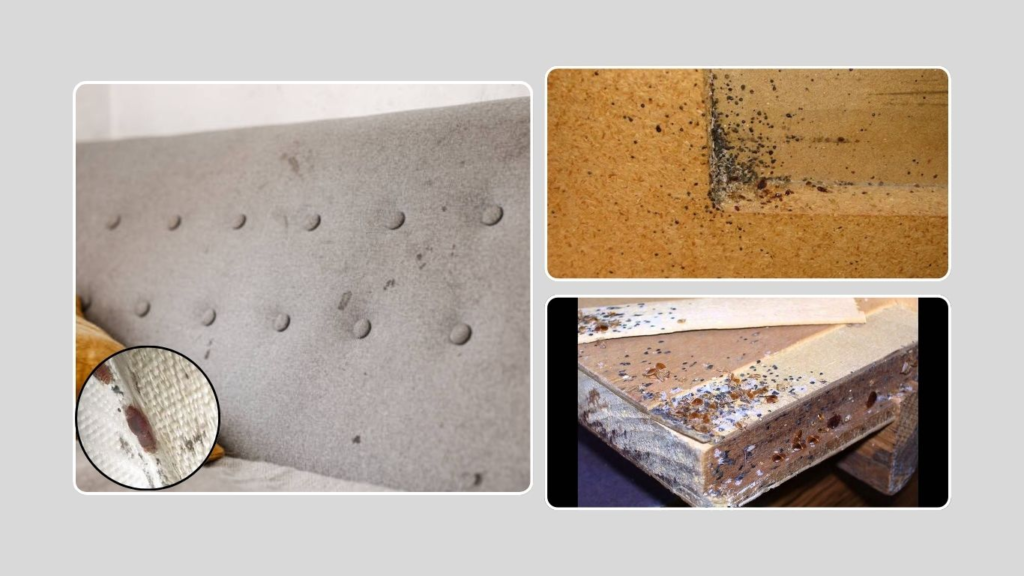
Bed bugs don’t just hide in the bed; they can also infest the furniture. Sofas, chairs, and even upholstered headboards provide great hiding spots.
Examine Sofas and Chairs
Check the seams of any upholstered furniture in the room. These are prime hiding spots for bed bugs. Look underneath cushions and in any cracks or crevices around the furniture.
Look for Bed Bug Hiding Spots in Furniture
Pull out drawers in the room’s furniture, such as nightstands or desks, and check for signs of bed bugs. Bed bugs can hide in small spaces, including behind mirrors or picture frames. Look for small dark spots or the bugs themselves.
Method 3: Examine the Carpet and Floor
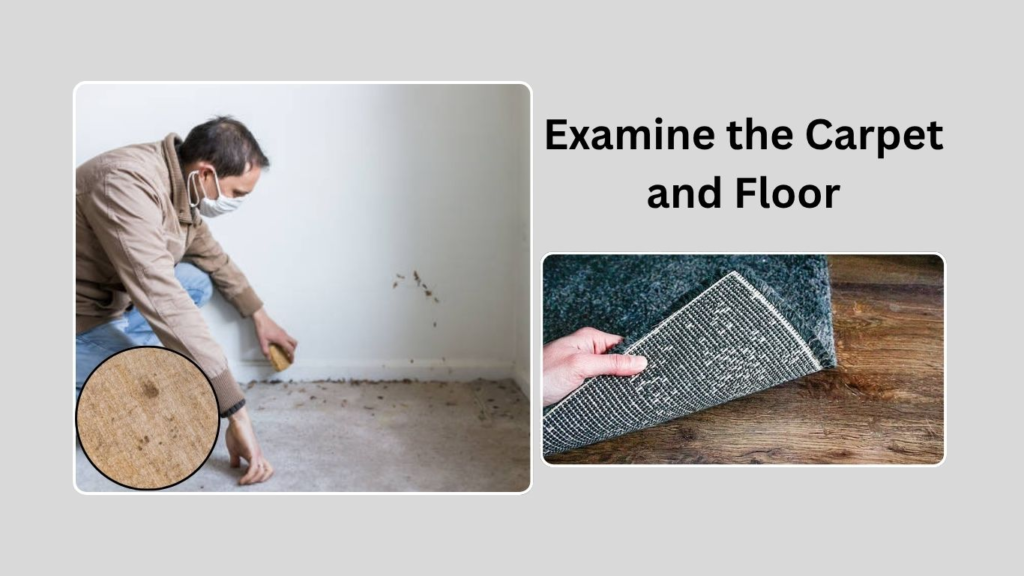
Bed bugs don’t just hide in the bed and furniture; they can also make their way to the carpet and floor. While they are more likely to be near the bed, it’s still important to check all areas of the room, especially if the carpet is plush or has a lot of crevices.
Search Around the Edges of the Carpet
Bed bugs can hide along the edges of the carpet, particularly in areas where the carpet meets the walls or baseboards. Look for small dark spots, which could be droppings, or even signs of eggs, which are pale yellowish-white and about the size of a pinhead. Use your flashlight to carefully inspect the edges where the carpet is closest to the walls.
Look for Signs Near Baseboards or in Corners
Bed bugs can hide in the corners of the room, especially where the floor meets the walls. If you notice any gaps or cracks in the baseboards, check them closely. Sometimes, bed bugs may crawl into these tight spots, making them harder to spot but still vulnerable to detection with a flashlight.
Method 4: Look for Bed Bug Bites
While it’s not always reliable, bed bug bites are a common sign of an infestation. If you wake up with red, itchy welts on your skin, especially in a line or cluster, you might be dealing with bed bugs. However, other insects or allergies can cause similar symptoms, so a bite is not definitive proof of bed bugs.
How to Recognize Bed Bug Bites
Bed bug bites usually appear as small, red, itchy welts on your skin, often in a line or cluster. They can occur on areas of the body that are exposed while sleeping, such as the arms, legs, neck, or face. The bites often appear within hours or a day after being bitten. Unlike mosquito bites, they tend to be less raised but can cause intense itching.
Compare Bites to Other Insect Bites
It’s important to distinguish bed bug bites from those of other insects like fleas, mosquitoes, or spiders. While bed bug bites tend to be more uniform in appearance and grouped together, bites from other insects can vary greatly. If you notice bites that appear in a straight line, it’s a common sign of bed bug activity.
Method 5: Use a Flashlight to Inspect Dark Areas
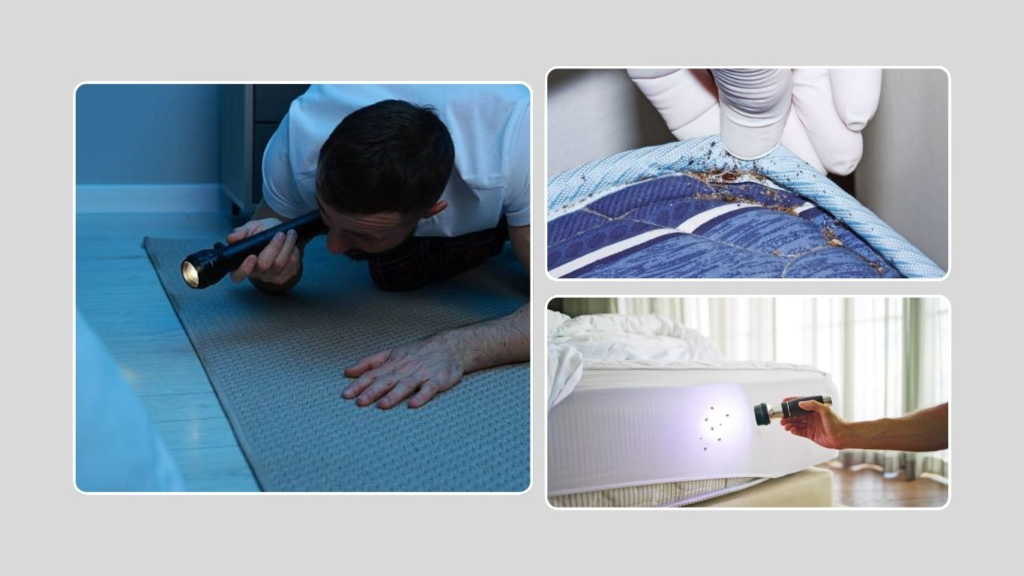
Bed bugs are nocturnal and prefer dark, hidden spaces to avoid detection. Using a flashlight during your inspection can help reveal any potential hiding spots that might otherwise go unnoticed.
Check Cracks and Crevices
A flashlight is essential when inspecting cracks, crevices, and seams in furniture, walls, and flooring. These spaces provide prime hiding spots for bed bugs. Run the light along the edges of the bed frame, the back of the headboard, or along the seams of the carpet. Look carefully in areas that are hard to reach or see without light, such as behind or under furniture.
Shine Light on Hard-to-See Spots
Use the flashlight to check areas like electrical outlets, light switches, and any cracks in the walls. Bed bugs are excellent at hiding in tight, dark spaces, so shining light in these areas can help you spot any activity. Bed bugs may also hide in behind wallpaper or in the edges of baseboards, so be thorough.
Method 6: Ask Hotel Staff and Use Bed Bug Detectors

If you’re still unsure about the presence of bed bugs, it’s always a good idea to ask the hotel staff directly. Many hotels are aware of the risks of bed bug infestations and may be able to provide information on their pest control practices.
Inquire About Bed Bug History
Before you even check into the room, ask the front desk about any recent bed bug reports in the hotel. Hotels that are proactive about pest control may have regular inspections and can assure you that the room has been checked. If the staff hesitates or is evasive, this could be a red flag, and you may want to reconsider your stay.
Use Bed Bug Detection Tools
Some hotels provide bed bug detection tools or offer rooms that have been treated for bed bugs. Alternatively, you can bring your own detection tools, such as bed bug monitors or traps, which can be placed around the bed or furniture to monitor activity. These tools are designed to attract and trap bed bugs, helping to confirm whether or not they are present in the room.
FAQs
What do bed bug bites look like?
Bed bug bites typically appear as small, red welts that are itchy and often occur in a line or cluster. They are commonly found on exposed skin areas like the arms or legs and can cause discomfort for several days.
Can bed bugs spread to other rooms in the hotel?
Yes, bed bugs can easily spread to other rooms if the hotel is not vigilant about pest control. They can travel through walls, cracks, and even on personal items like luggage, so it’s important to inspect all areas where you plan to stay.
How can I prevent bed bugs while staying in a hotel?
To prevent bed bugs, keep your luggage off the floor and away from the bed. Store clothes in sealed plastic bags and inspect the bed and furniture thoroughly before unpacking. Avoid putting your suitcase on the carpet or upholstered furniture.
Should I report bed bugs to hotel management?
Yes, you should immediately report any signs of bed bugs to the hotel management. They should take the necessary steps to address the issue, including offering you another room and ensuring proper treatment of the infested room.
How quickly can bed bugs infest a hotel room?
Bed bugs can infest a hotel room relatively quickly, especially in high-traffic hotels. It only takes a few bed bugs to start an infestation, and they can multiply rapidly. Regular inspections and prompt action can help minimize the spread.
