

Stink bugs are among the most common household pests, especially noticeable in late summer and fall. Known for their pungent odor when disturbed, these shield-shaped insects are often misunderstood. While they don’t bite or sting, their feeding habits can damage fruits, vegetables, and garden plants. Some species are harmful to crops, while others can be beneficial predators. Understanding which stink bugs are bad — and why — helps manage them effectively at home and in gardens.
Identification
Overview
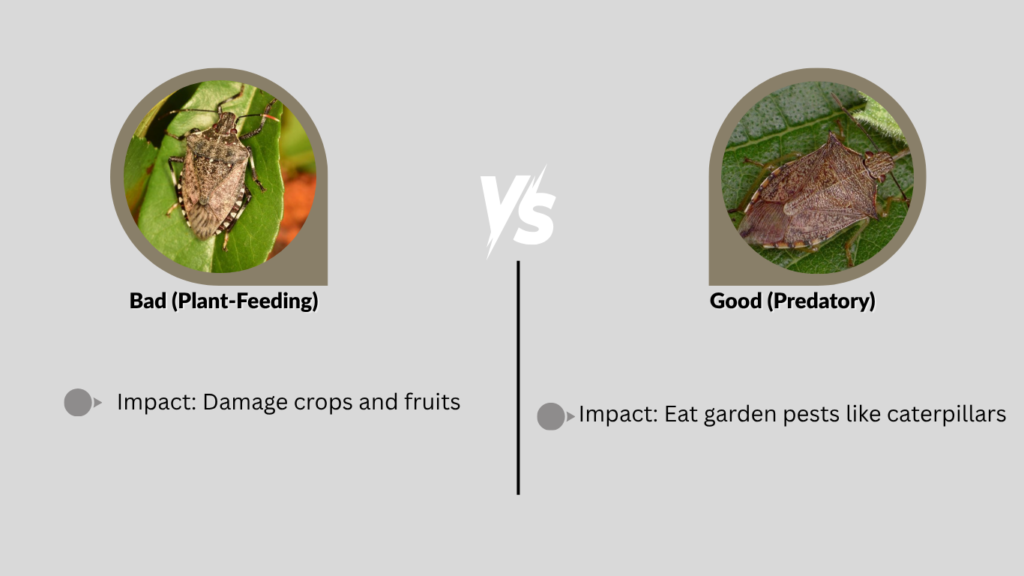
Stink bugs belong to the Pentatomidae family, a group of insects identified by their triangular or shield-like bodies and distinctive odor glands. They range in color from brown and green to black, depending on the species. The most common type in North America is the Brown Marmorated Stink Bug (Halyomorpha halys), an invasive species that has become a major agricultural pest.
While many stink bugs feed on plants, some species such as the Spined Soldier Bug (Podisus maculiventris) are actually beneficial predators that consume caterpillars and beetle larvae. Distinguishing between good and bad species is important when considering control methods.
Good vs. Bad Stink Bugs
| Type | Example Species | Impact |
| Bad (Plant-Feeding) | Halyomorpha halys, Chinavia hilaris | Damage crops and fruits |
| Good (Predatory) | Podisus maculiventris | Eat garden pests like caterpillars |
Why Stink Bugs Smell So Bad
The notorious stink bug odor comes from defensive chemicals called aldehydes, mainly trans-2-decenal and trans-2-octenal. When threatened, they release these compounds from scent glands on their abdomen. The smell serves two purposes: it repels predators and warns other stink bugs nearby of danger.
People often describe the scent as sharp, earthy, or musty, similar to burnt cilantro or skunk spray. Crushing or vacuuming them intensifies the odor, which can linger on fabric and skin for hours. While unpleasant, the smell is not harmful to humans or pets — it’s simply a natural survival mechanism.
Impact on Plants and Gardens
Plant Damage
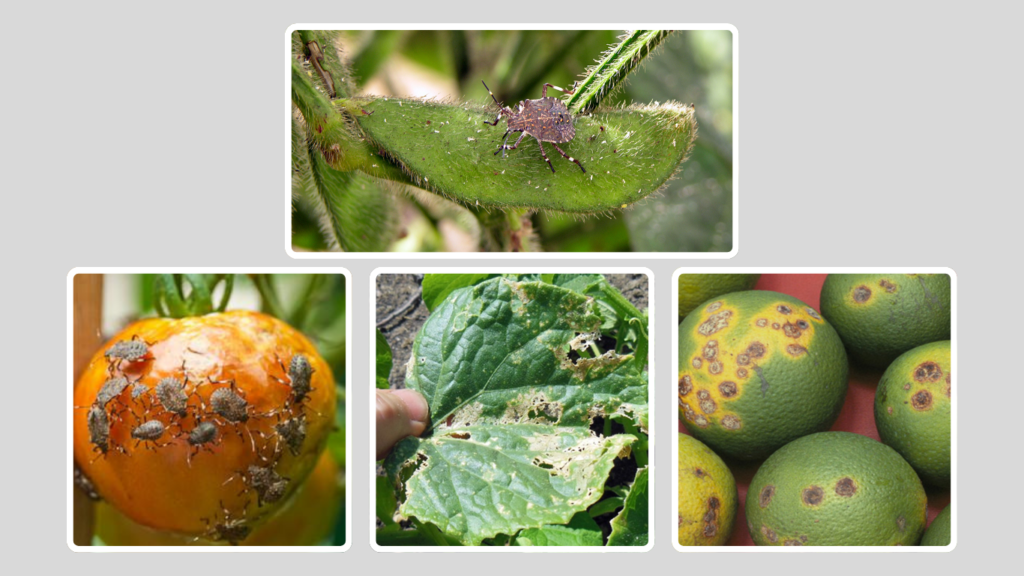
Stink bugs are piercing-sucking insects that feed by inserting their mouthparts into fruits and stems to extract plant juices. This feeding method leaves sunken spots, cloudy patches, and small punctures on the surface of fruits and vegetables. Over time, their activity can cause deformed fruit, yellowing leaves, and early fruit drop.
In farms and gardens, they attack tomatoes, beans, corn, peppers, citrus, and soybeans. Even minor feeding can reduce a crop’s visual quality, making fruits less marketable and seeds less viable.
Most Affected Plants
| Crop / Plant | Damage Type |
| Tomatoes & Cucumbers | Cloudy spots, soft patches |
| Citrus & Peaches | Early fruit drop, pitting |
| Pumpkins & Squash | Deformed seeds, uneven growth |
| Soybeans & Corn | Nutrient loss, wilted pods |
| Ornamental Plants | Yellowing and leaf spotting |
Good vs. Bad for Gardens
Not all stink bugs are bad. Predatory species, such as the spined soldier bug, help gardeners by feeding on caterpillars, beetle larvae, and aphids. However, plant-feeding species, including the brown and green stink bugs, cause economic and visual damage to crops. Identifying the difference ensures that beneficial insects are preserved while pests are controlled.
Impact on Homes
Indoor Nuisance
When the weather cools, stink bugs seek warmth and shelter inside homes. They enter through cracks in siding, windows, and attic vents, gathering in quiet areas such as curtains, basements, and walls. Though they do not bite, sting, or reproduce indoors, they can release a strong odor when disturbed.
Large numbers can become annoying, especially in late autumn. The smell can persist if the bugs are crushed, which is why it’s best to vacuum them or trap them in soapy water rather than squish them by hand.
Are They Bad to Kill?
While killing stink bugs doesn’t attract more of them, crushing releases their powerful odor, which can linger for hours. Instead of squishing them, it’s better to vacuum and dispose of them outdoors. You can also trap them using a bowl of soapy water placed under a light source, which safely drowns them. Flushing them down the toilet isn’t harmful but is wasteful. Their smell isn’t toxic, just unpleasant and persistent.
Impact on Pets and Humans
Are Stink Bugs Bad for Pets?
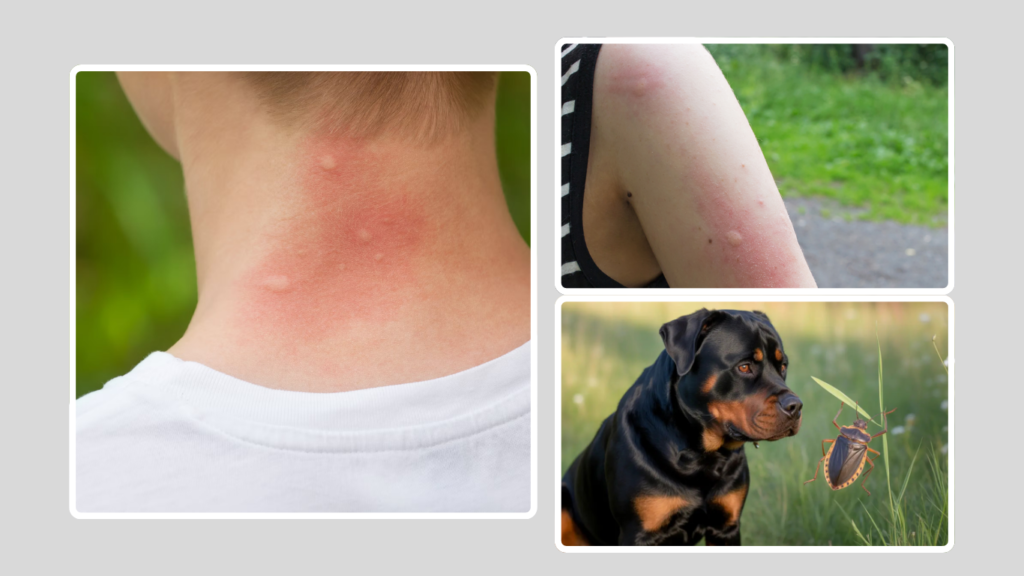
Stink bugs are non-toxic to cats and dogs, but eating one may cause mild nausea, drooling, or vomiting due to their defensive chemicals. Most pets find the taste so unpleasant that they avoid eating them again. If a pet consumes multiple bugs, it might experience temporary stomach upset. Bearded dragons or reptiles can also react negatively, so it’s best to prevent pets from playing with or ingesting them.
Are Stink Bugs Bad for Humans?
For people, stink bugs pose no real danger. They do not bite, sting, or spread disease. However, their odor can cause mild eye or skin irritation for sensitive individuals. Handling them frequently may lead to redness or rashes, especially in those with allergies. Their smell, while offensive, does not contaminate food or indoor air in any harmful way.
Environmental Impact
Stink bugs have a mixed environmental reputation. Invasive species like the Brown Marmorated Stink Bug cause agricultural losses worth millions each year by feeding on crops and displacing native insects. Yet, predatory species such as the Spined Soldier Bug play a beneficial role by controlling pests like armyworms and beetles.
Unfortunately, the invasive types reproduce rapidly and lack natural predators, leading to widespread infestations in the U.S., Asia, and Europe. They also disrupt local ecosystems, affecting the natural balance between beneficial and harmful insects.
Why Stink Bugs Are So Bad This Year
Stink bug populations fluctuate depending on weather and climate conditions. Warm, dry summers create ideal breeding conditions, while mild winters allow more bugs to survive until spring. In recent years, climate change has expanded their range northward, causing heavier infestations in regions that once saw few.
Additionally, reduced populations of natural predators—such as birds, assassin bugs, and parasitic wasps—have allowed stink bugs to multiply unchecked. When combined with abundant crops and fruit trees, these conditions make certain years especially “bad” for stink bug outbreaks.
Control and Prevention
Prevention Tips
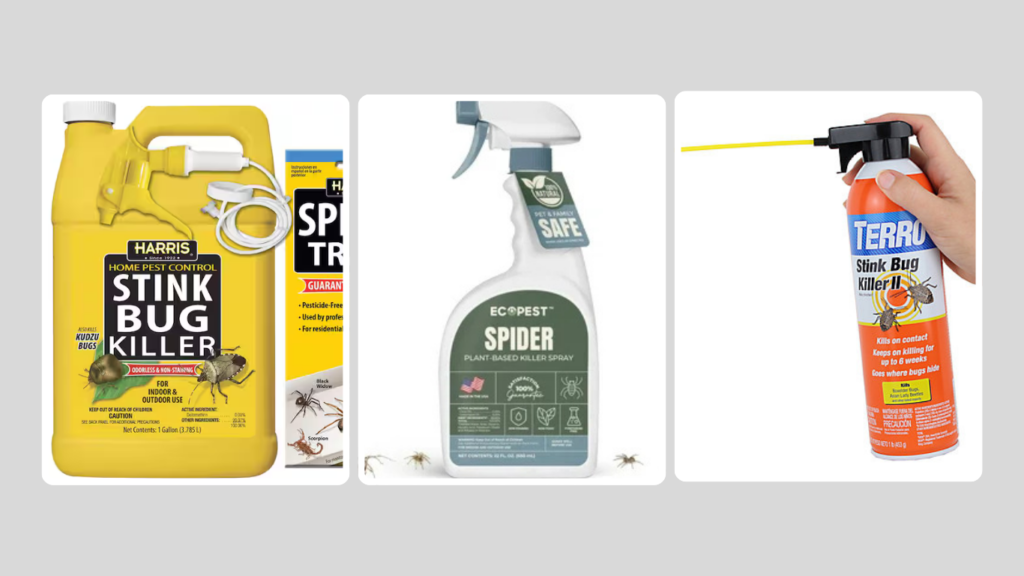
- Seal cracks and crevices around doors, siding, and vents.
- Install screens on windows, chimneys, and attic vents.
- Use mint oil or neem spray as natural repellents near entry points.
- Turn off outdoor lights at night, since stink bugs are drawn to warmth and brightness.
Removal Methods
- Vacuum bugs gently and release them outdoors.
- Set up light traps or bowls of soapy water to catch them.
- For gardens, use row covers and remove weeds to limit hiding spots.
- Encourage beneficial predators like spiders, mantises, and ladybugs.
Interesting Facts
- Stink bugs release their odor through special glands on their abdomen.
- The smell contains chemicals also found in cilantro, which explains the similar scent.
- Crushing one can make its odor last up to 24 hours on skin or fabrics.
- Seeing a stink bug indoors during fall is sometimes viewed as a sign of seasonal change.
- Despite their clumsy flight, they are strong fliers capable of traveling over a mile in search of food.
FAQs
Are stink bugs bad for plants and gardens?
Yes, certain species like the brown and green stink bugs feed on fruits and vegetables, damaging crops by piercing them and sucking out juices. However, some predatory species are beneficial, as they feed on other harmful insects in gardens.
Why do stink bugs smell so bad?
Their odor comes from aldehyde chemicals released through glands when they feel threatened. This acts as both a defense and a warning to nearby stink bugs. The scent is unpleasant but not toxic to humans or animals.
Are stink bugs harmful to pets or humans?
No. Stink bugs are harmless to both people and pets. If eaten by dogs or cats, they may cause mild stomach upset but no lasting harm. For humans, they don’t bite or sting and are not poisonous.
Why are stink bugs so bad this year?
Warmer seasons, mild winters, and fewer natural predators have allowed stink bug populations to grow. Increased fruit and crop production also gives them more food, resulting in larger infestations during late summer and fall.
Are stink bugs good or bad for the environment?
Both. Invasive species are harmful to crops and native insects, but predatory stink bugs help control pest populations. Their overall impact depends on the species and the balance of local ecosystems.
