
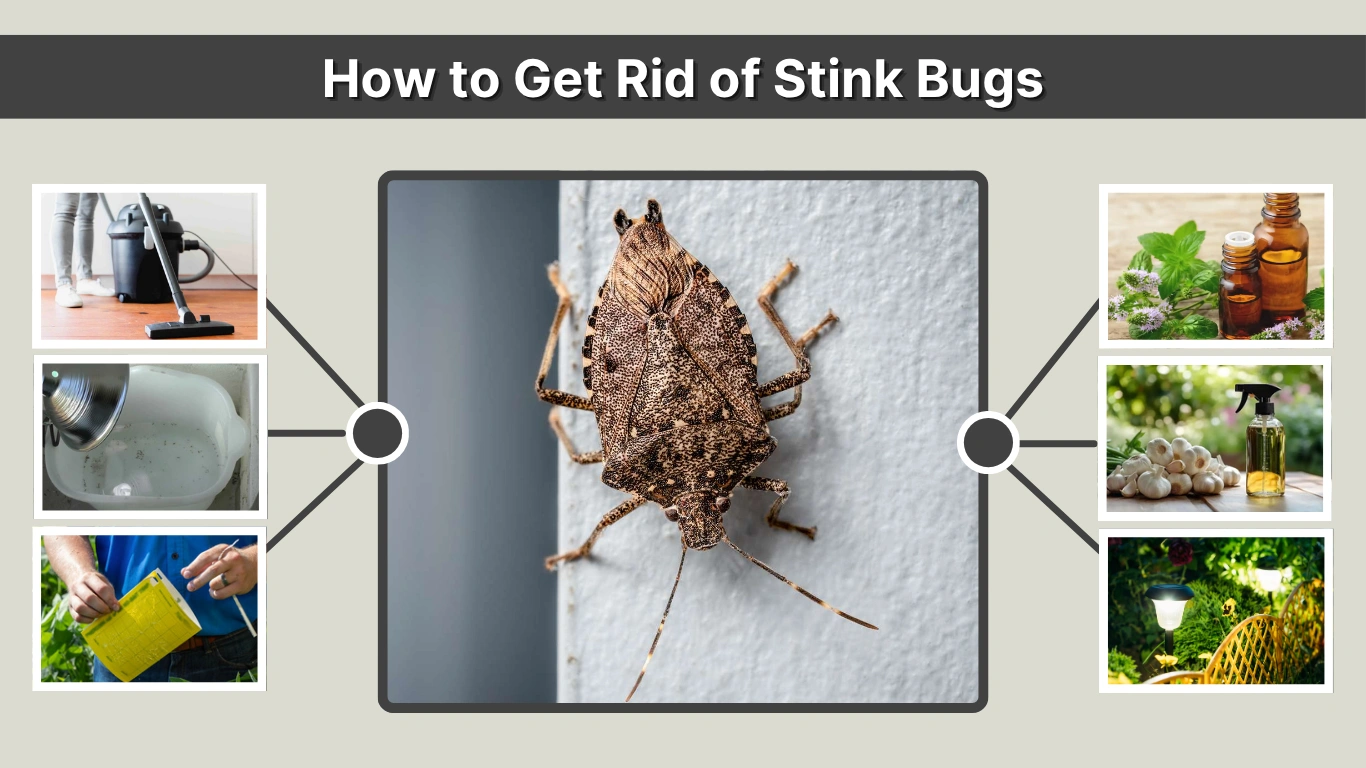
Stink bugs can quickly turn into unwanted guests when the weather cools down. These shield-shaped insects enter homes seeking warmth and protection. Although they don’t bite or carry diseases, their unpleasant odor can make them hard to tolerate. Fortunately, you can get rid of stink bugs effectively using safe, natural methods and a few smart prevention steps.
Why Stink Bugs Enter Homes
As temperatures drop in autumn, stink bugs look for cozy indoor spaces to overwinter. They squeeze through small openings around doors, windows, vents, or utility lines. Once inside, they remain dormant in walls, basements, or attics until spring. Knowing this helps you target prevention at the right time — before they move in.
Quick Ways to Remove Stink Bugs
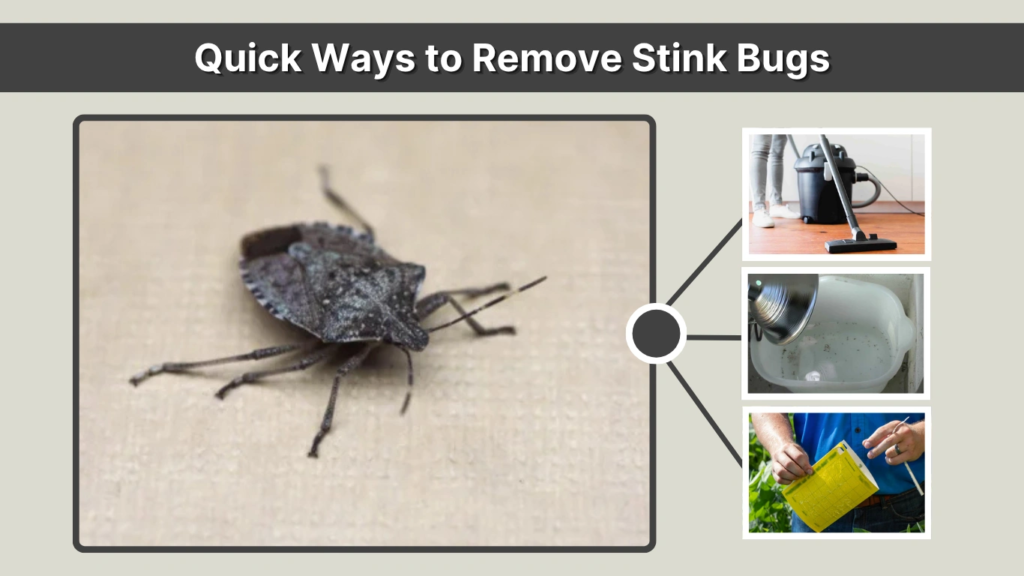
Use a Vacuum Cleaner
A handheld or bagged vacuum is your first line of defense. Carefully suck up stink bugs without crushing them, as that releases their strong odor. Empty the vacuum bag immediately outdoors into a sealed trash container. Avoid bagless vacuums for large infestations since the smell can linger in the filter.
Create a Soapy Water Trap
Stink bugs are attracted to light and shiny surfaces. Fill a small bucket with warm water and add a few drops of dish soap. Place it under a lamp or near windows at night. The bugs will fall into the water, and the soap will break surface tension, causing them to drown quickly and odor-free.
Set Up Sticky Traps
You can buy or make sticky traps using double-sided tape near entry points or light fixtures. These catch bugs without chemicals or strong scents. Replace the tape once it’s full to maintain effectiveness.
Natural Sprays and Repellents
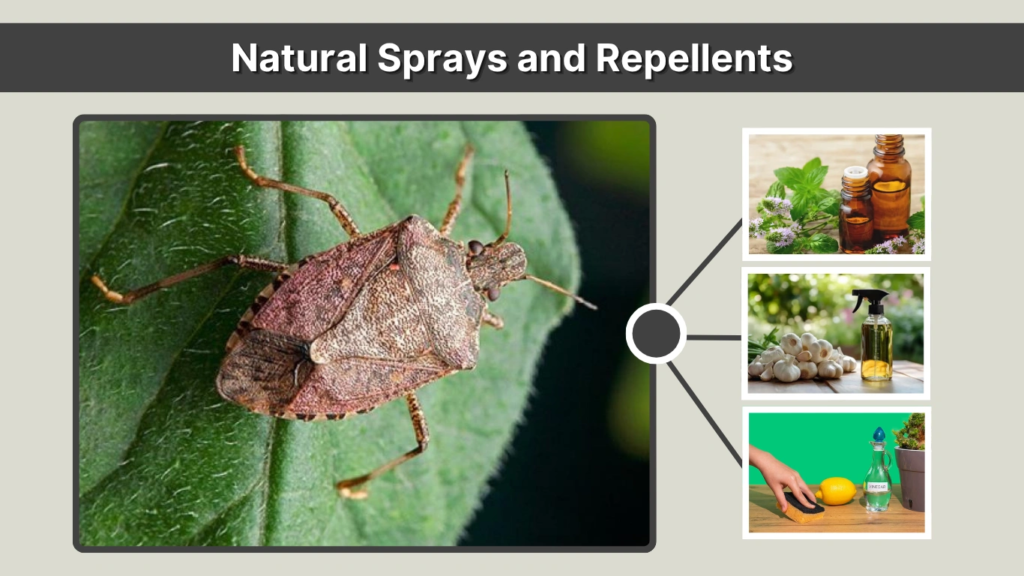
Peppermint Oil Spray
Mix 10 drops of peppermint essential oil with two cups of water in a spray bottle. Spray around windowsills, door frames, and baseboards. The refreshing scent repels stink bugs naturally, and it’s safe for kids and pets when used properly.
Garlic Spray Solution
Stink bugs hate the smell of garlic. Combine four teaspoons of crushed garlic or garlic powder with two cups of water, then spray the solution around potential entry points. It works best outdoors — near doorways, vents, and windows.
Vinegar Cleaning Solution
Mix equal parts of white vinegar and water to clean surfaces where stink bugs were spotted. This not only removes their scent trails but also acts as a natural deterrent for future visitors.
Seal Cracks and Openings
Preventing stink bugs is easier than removing them later. Use silicone caulk or weatherproof sealant to close gaps around doors, vents, windows, and siding. Replace damaged screens and ensure door sweeps are tight. Focus especially on areas where pipes or cables enter your home — these are prime entry points for bugs.
Eliminate Attractants
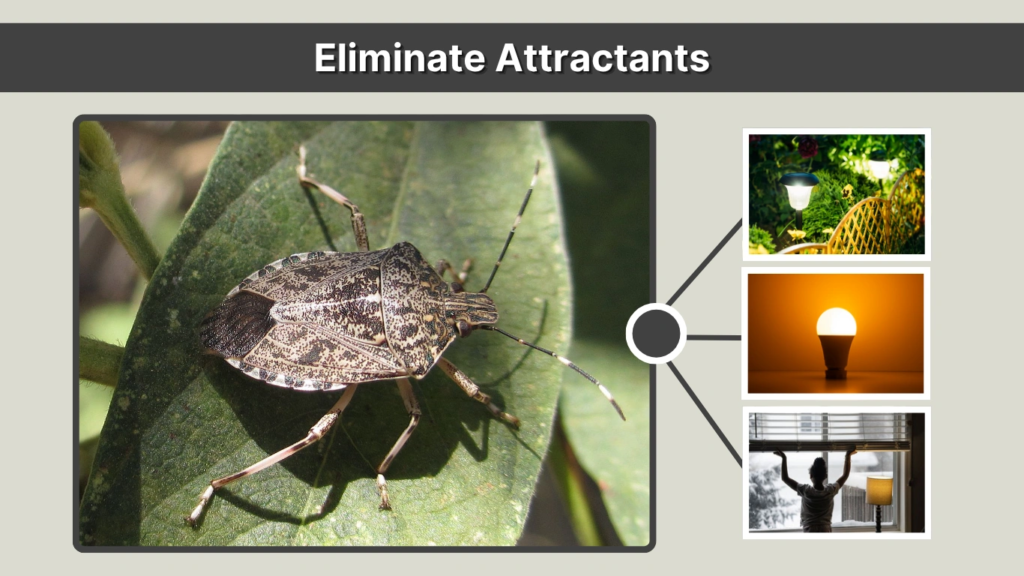
Stink bugs are drawn to warmth and light. Turning off outdoor lights or replacing them with yellow “bug-safe” bulbs can help. Indoors, keep window blinds closed during the evening and avoid leaving porch lights on overnight. Trim vegetation close to your home’s foundation, as plants and debris attract stink bugs looking for shelter.
Use Outdoor Traps Strategically
Outdoor pheromone traps can reduce stink bug populations before they enter your home. Place these traps at least 20 feet away from doors and windows to lure bugs away rather than draw them closer. Replace or empty the traps every few days for the best results, especially during peak seasons like early autumn.
Long-Term Prevention Tips
Maintain a Clean Environment
Stink bugs are attracted to cluttered spaces where they can hide easily. Keep storage areas such as attics, basements, and garages organized. Regularly dust windowsills, corners, and ceilings to discourage them from settling in unnoticed. Dispose of dead bugs promptly to prevent attracting more through scent signals.
Adjust Lighting Around Your Home
Since stink bugs navigate toward light, reduce the attraction by using blinds or curtains at night. Switch to LED or yellow “bug-resistant” bulbs outdoors. These emit less ultraviolet light, making them far less appealing to insects of all kinds, including stink bugs.
Manage Your Garden and Yard
Outdoor maintenance can make a huge difference. Trim back vegetation, weeds, and shrubs that touch your home’s exterior. Remove fallen leaves, mulch piles, and debris that serve as overwintering spots. If you grow fruits or vegetables, harvest them promptly to avoid attracting stink bugs to your garden.
When to Call Pest Control
If you discover dozens or even hundreds of stink bugs in walls or attics, it might be time for professional help. Choose a licensed pest control service that offers eco-friendly or non-toxic solutions. Avoid using harsh insecticides indoors, as these can harm pets and leave residues. A professional can also seal hard-to-reach cracks and treat outdoor nesting areas to prevent recurring invasions.
FAQs
Do stink bugs cause damage to homes or furniture?
No, stink bugs don’t chew wood, fabric, or wires. However, they can stain walls, curtains, or furniture if crushed. Their odor can also linger on surfaces for several hours, so it’s best to remove them gently using a vacuum or trap.
Can stink bugs reproduce inside the house?
No, stink bugs do not breed indoors. They only enter homes to survive winter and remain dormant until spring. Once temperatures rise, they leave to reproduce outside in gardens or crops.
Is it okay to kill stink bugs?
Crushing stink bugs releases their foul odor, which can attract more. Instead of killing them by hand, use a vacuum, sticky traps, or a soapy water solution to dispose of them cleanly without the smell.
What scent repels stink bugs best?
Stink bugs strongly dislike scents like peppermint, garlic, eucalyptus, and vinegar. Spraying these natural repellents near entry points can effectively deter them while keeping your indoor air safe and chemical-free.
When do stink bugs leave the house naturally?
Stink bugs typically leave homes during spring when outdoor temperatures rise above 60°F (15°C). Regular cleaning, sealing entry points, and using natural repellents ensure they don’t return the following season.
