
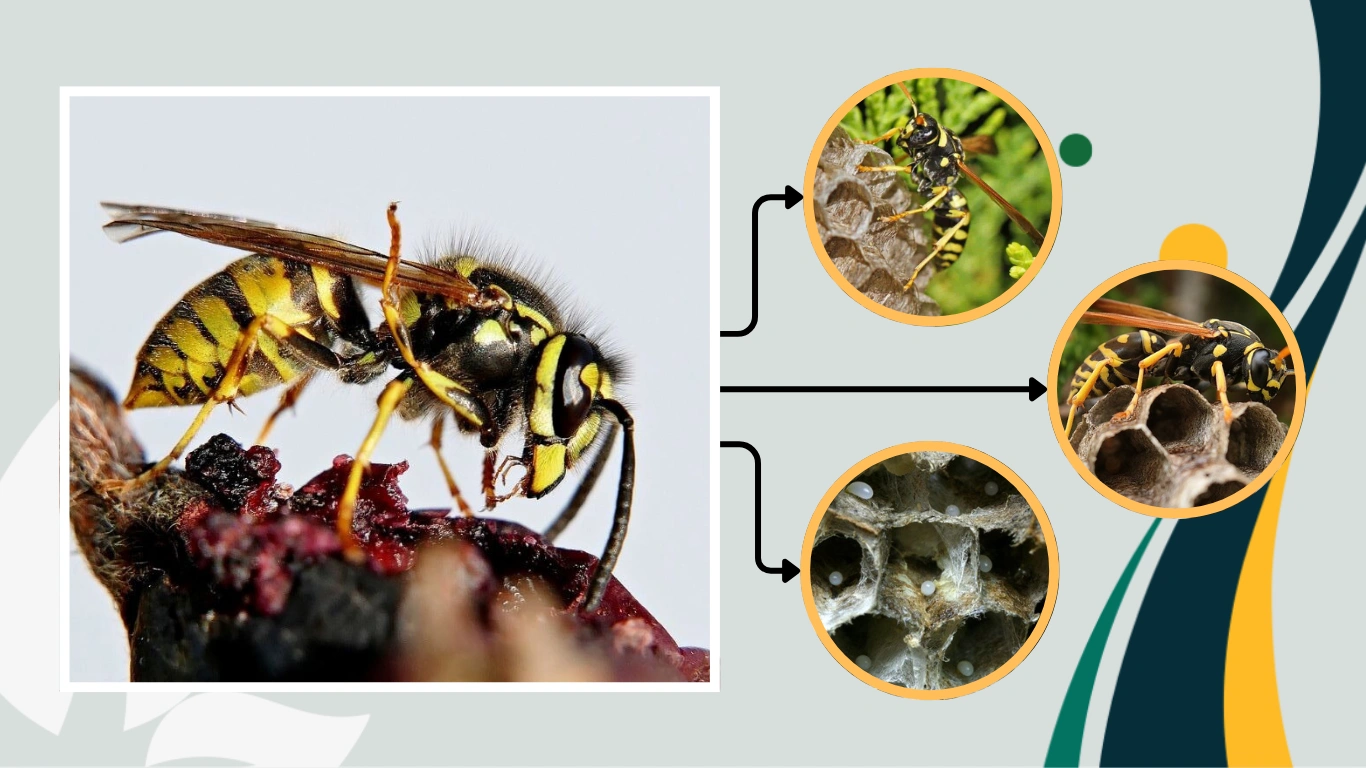
Wasp nests often appear chaotic from the outside, but inside lies a complex and structured society. Central to that structure is the queen wasp—responsible for starting, growing, and leading the colony. Many people wonder: Can there be more than one queen in a nest? In this article, we’ll answer that directly and also explain how queens are born, what their roles are, and how their presence shapes the colony.
How Many Queen Wasps Are in a Nest?
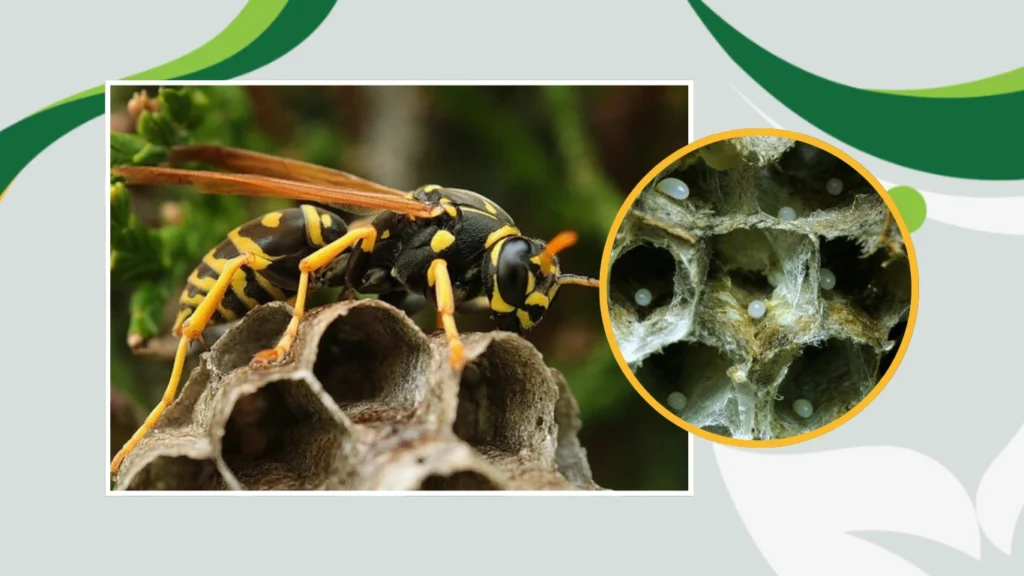
Usually, there is only one active queen in a wasp nest at a time.
This queen is the founding mother of the colony. She emerges alone after hibernation in spring, starts building the nest, and lays the first batch of eggs. These hatch into workers who then take over the tasks of nest expansion and foraging.
However, later in the season—especially in late summer or early fall—new queen wasps (gynes) are produced. These future queens don’t take over the current nest. Instead, they leave to start their own colonies next spring.
There may be multiple queens coexisting briefly during seasonal changes or overwintering (especially in species like paper wasps), but only one queen actively rules the nest at any given time.
What Is the Role of the Queen Wasp?
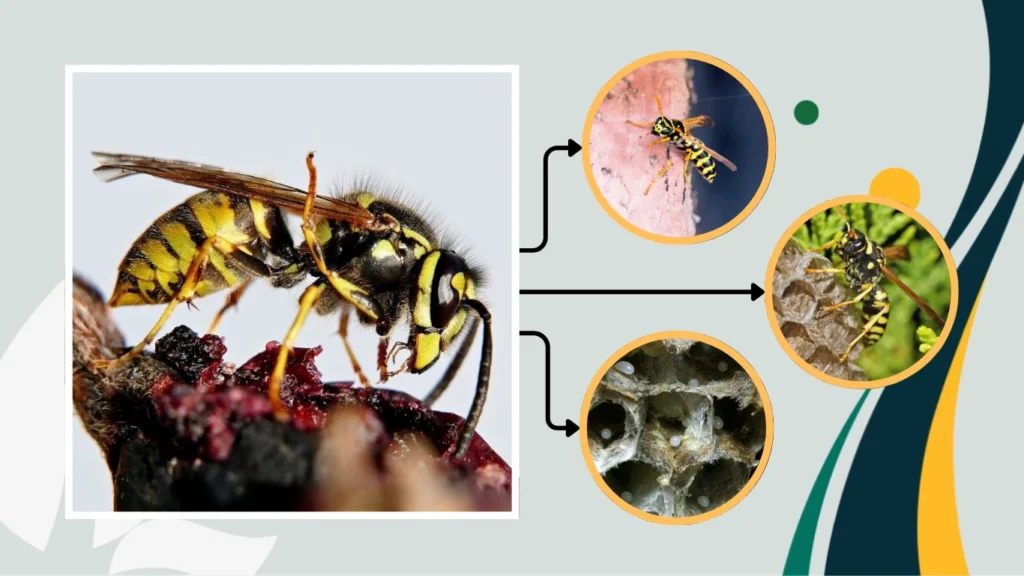
Nest Founder
The queen’s primary job begins in early spring. After surviving the winter in a sheltered place, she finds a location to build a nest—usually under eaves, inside attics, in bushes, or underground.
She creates a small paper-like nest from chewed wood fibers mixed with her saliva and lays her first eggs. She alone feeds the larvae until they mature into sterile female workers.
Egg Layer and Colony Manager
Once enough workers are present, the queen shifts her focus entirely to reproduction. She stays deep inside the nest while workers forage and expand the colony.
Throughout the summer, she can lay thousands of eggs, keeping the colony active and growing.
When Do New Queens Appear?
Late Summer to Fall
In late summer or early autumn, the queen begins producing two new types of wasps: male drones and new queens (gynes). These wasps leave the nest to mate with wasps from other colonies.
The newly fertilized queens will find places to hibernate through winter. Males die shortly after mating, and the current colony—including the founding queen—usually dies off as winter sets in.
Do Multiple Queens Ever Rule Together?
While most species only have one queen per nest, some paper wasp species allow for polygyny—multiple queens coexisting temporarily. This is rare and often short-lived, as dominance battles may arise, and eventually, only one queen will usually assert control
Can a Wasp Nest Have Multiple Queens Over Time?

Yes—but not at the same time in the same nest.
Here’s how it works:
- In spring, one queen starts a new nest.
- By fall, she produces new queens.
- These queens do not stay to take over the same nest—they fly off, overwinter, and start new nests the following year.
Each nest lives for just one season (except in tropical regions), so queen succession doesn’t happen within the same nest.
What Happens if the Queen Wasp Dies?
The queen is the only member capable of laying fertilized worker eggs. If she dies early in the season:
- The nest collapses due to a lack of reproduction.
- Workers eventually die off with no replacement.
In some species like paper wasps, a worker may attempt to take over and become a reproductive female, but this is rare and not always successful. Most nests without queens fail quickly.
How to Identify a Queen Wasp in a Nest

Size and Appearance
- Larger than worker wasps
- Thicker abdomen
- Slightly different coloring (more pronounced patterns)
- Longer antennae and legs
Behavior
- Rarely seen flying in and out like workers
- Found deep inside the nest
- Mostly stays within to lay eggs
- Workers actively protect her
If you find a large wasp alone in early spring building a small nest, it’s likely a founding queen.
Common Species and Their Queen Numbers
Here’s how different wasp species structure their queen systems:
| Wasp Species | Queens Per Nest | Notes |
| Yellowjackets | 1 (normally) | New queens leave at season’s end |
| Paper Wasps | 1 or 2 (rare) | May form small polygynous groups |
| Hornets | 1 | Build large, enclosed nests |
| Mud Daubers | 1 | Solitary nesters with no workers |
Do Queen Wasps Stay in the Nest All Year?

No. Wasp nests are seasonal in most regions. Here’s the typical timeline:
Spring: One queen starts the nest.
Summer: Workers take over tasks; queen lays eggs.
Fall: New queens and males are born.
Winter: Original queen and nest die. Only new queens survive in hibernation.
In the next spring, those new queens become founders of their own colonies. Old nests are never reused.
Can I Kill the Queen to Eliminate the Nest?
Yes, but it’s difficult unless the nest is new and small. Killing the queen early in spring (before workers mature) will destroy the entire colony. However:
- After a few weeks, the queen stays deep inside the nest.
- Removing or treating the entire nest is more effective than targeting one queen.
Always take extreme caution and wear protective gear or call pest control professionals.
Final Thoughts
Most wasp nests are led by a single dominant queen who lays all the eggs and ensures the colony thrives. While future queens may be present later in the year, they don’t share power—each will go on to build her own nest when the time is right.
Understanding the life and function of the queen wasp helps you better manage or avoid wasp infestations and can even make you appreciate the structured intelligence of these winged architects.
