

Baby bed bugs, also known as bed bug nymphs, are the smallest and most overlooked stage of these stubborn pests. Despite their tiny size, they can cause the same itching and irritation as adult bed bugs. Knowing what baby bed bugs look like, how they behave, and how to remove them is essential to stop infestations before they spread throughout your home.
What Are Baby Bed Bugs?
Baby bed bugs are immature bed bugs that hatch from eggs and go through five stages before becoming adults. These young bed bugs are called nymphs, and they grow by shedding their skin after every feeding. Just like adults, they survive on human blood, typically biting at night while people are asleep.
A freshly hatched baby bed bug is about the size of a pinhead. Because of their pale or transparent color, they’re very hard to see on light-colored bedding or walls. Once they feed, their bodies turn reddish-brown as they fill with blood. This quick transformation makes identifying them easier if you know where to look.
Understanding this early life stage helps homeowners catch infestations before they multiply—since adult bed bugs can lay hundreds of eggs in their lifetime.
What Do Baby Bed Bugs Look Like?

Baby bed bugs look similar to adults but are smaller and lighter in color. They have a flat, oval-shaped body with six legs and no wings. When newly hatched, they are almost translucent white or cream-colored. After their first blood meal, they become reddish or amber due to the blood inside their bodies.
They’re often mistaken for other insects such as tiny roaches, ticks, or lice. However, baby bed bugs have a more rounded body and a distinct segmented abdomen. Under bright light, they may look shiny or glassy, especially when unfed. After feeding, they darken quickly and are easier to notice crawling on sheets, bed frames, or furniture seams.
Pictures and Visual Identification
When you look at baby bed bug pictures, you’ll notice how small and pale they appear compared to adults. They are about 1 millimeter in size when newly hatched and grow slightly larger after feeding. Close-up images often show a thin, oval insect with a visible dark spot in the abdomen, which is the blood they’ve consumed.
High-quality images of baby bed bugs can help confirm infestations. Pay attention to tiny, light-colored specks moving slowly on your bedding or window sill. Sometimes they hide in clusters near mattress seams, where adults lay eggs. You may also spot molted skins—clear, shell-like casings that indicate baby bed bugs have recently grown into the next stage.
How Big Are Baby Bed Bugs?

A baby bed bug’s size ranges from 1 to 4 millimeters, depending on its age. That’s roughly the size of a sesame seed or the tip of a pen. Because of their size and light color, they often go unnoticed until they start biting.
As they molt and grow, baby bed bugs become easier to see, but even at their largest nymph stage, they’re still smaller than an adult. When fed, their bodies swell slightly and appear darker, making them easier to identify under light.
Spotting them early is crucial—seeing even one nymph usually means there are eggs or adults hiding nearby, signaling a full infestation cycle.
Can You See Baby Bed Bugs?
Yes, baby bed bugs are visible to the naked eye, though they’re small and easy to miss. They don’t fly or jump, but they crawl quickly, especially when disturbed by light or vibration. On dark sheets or furniture, their pale bodies are more noticeable.
If you suspect an infestation, use a flashlight to inspect bedding, cracks, and seams carefully. You may see tiny movement or translucent skins left behind. A magnifying glass can also help detect their presence on mattress corners, headboards, or even window sills—places where baby bed bugs often hide before finding their next meal.
Baby Bed Bug Bites

Just like adults, baby bed bugs bite humans to feed on blood. They usually bite exposed areas of the skin—such as arms, legs, neck, or face—while you’re sleeping. Their bites are smaller but can be just as itchy and irritating.
On sensitive skin, the reaction may appear as tiny red or dark bumps in a line or cluster. These bites may look similar to mosquito bites but tend to appear in groups of three or more. Babies and children are especially sensitive, often developing larger welts or mild swelling after being bitten.
Because baby bed bugs are smaller, they inject less anesthetic, meaning their bites can sometimes be felt more quickly. Scratching the area can worsen irritation and increase the chance of skin infection or scarring.
Bed Bug Bites on Babies
Infants are particularly vulnerable to bed bug bites on baby skin, as their skin is softer and more sensitive. On a baby’s face or legs, bites often appear as raised red bumps or small patches of dryness. These marks can cause discomfort, making babies fussy during sleep.
To treat bites safely, wash the affected area with mild soap and cool water. Apply a baby-safe moisturizer or aloe vera gel to soothe irritation. Avoid strong chemical creams unless prescribed by a doctor. It’s also essential to clean bedding, blankets, and crib mattresses thoroughly, since even one adult bug can quickly reproduce and cause new outbreaks.
Baby Bed Bugs vs. Other Insects

Because of their small size and pale color, baby bed bugs are often mistaken for other insects. Knowing the differences helps you correctly identify them and take proper action.
Baby Roach vs. Bed Bug
Baby roaches are darker, oval-shaped, and move much faster than bed bugs. They often appear shiny or black, with visible antennae. Baby bed bugs, on the other hand, are flatter, lighter in color, and prefer to stay close to beds and furniture crevices instead of kitchens or drains.
Baby Cockroach vs. Bed Bug
Baby cockroaches are more cylindrical, while baby bed bugs are rounder and shorter. Cockroaches are scavengers that eat crumbs and food waste, but bed bugs only feed on blood. If you notice tiny bugs in sleeping areas rather than kitchens, they’re likely bed bugs, not roaches.
Baby Stink Bug vs. Bed Bug
Baby stink bugs are larger, have wings, and produce a distinctive odor when squashed. Bed bug nymphs are wingless, odorless, and rarely seen during the day. Unlike stink bugs, they bite and feed at night.
Baby Tick vs. Bed Bug
Ticks attach to the skin to feed for long periods, while bed bugs feed briefly and hide. Ticks are usually darker and have a rounded body after feeding. Bed bugs move faster and don’t remain attached to the skin after biting.
Are Baby Bed Bugs Visible, Red, or White?
Many people wonder if baby bed bugs are red, white, or black—the truth is, their color changes depending on their feeding stage.
- Newly hatched bed bugs are white or translucent.
- After feeding, they turn reddish-brown.
- As they mature, they darken and become amber or brown.
This color variation often causes confusion. Baby bed bugs are not black; any dark color usually comes from digested blood inside their bodies. Their small size and shifting color make them difficult to identify without close inspection.
Do Baby Bed Bugs Bite or Move Fast?

Yes, baby bed bugs do bite, and they can bite as soon as they hatch. They require blood to grow and molt into the next stage. Despite their size, they’re just as persistent as adult bed bugs.
Baby bed bugs don’t fly or jump, but they crawl surprisingly fast for their size. They can quickly move from one area of bedding to another in search of a host. Since they’re flat, they hide easily in thin cracks, mattress seams, electrical outlets, or under wallpaper.
How to Get Rid of Baby Bed Bugs
Eliminating baby bed bugs requires targeting both nymphs and eggs. Because they’re smaller and more resilient, partial cleaning won’t work. Follow these effective steps:
- Vacuum thoroughly: Clean all mattress seams, headboards, and furniture joints. Dispose of the vacuum bag immediately.
- Steam treatment: High heat kills both eggs and baby bed bugs instantly. Use a steamer on beds, couches, and carpets.
- Wash and dry: Wash all bedding, curtains, and clothes in hot water (over 120°F / 49°C) and dry on high heat.
- Seal cracks and crevices: Use caulk to seal wall cracks and furniture gaps where bed bugs may hide.
- Use diatomaceous earth: This natural powder dehydrates bed bugs when they crawl through it—far more effective than baby powder.
- Call professionals: If the infestation continues, pest control specialists can apply safe chemical or heat treatments that remove all life stages.
Regular inspections and cleaning can prevent reinfestation. Remember, even a few surviving nymphs can restart a colony within weeks.
Does Baby Powder Kill Bed Bugs?
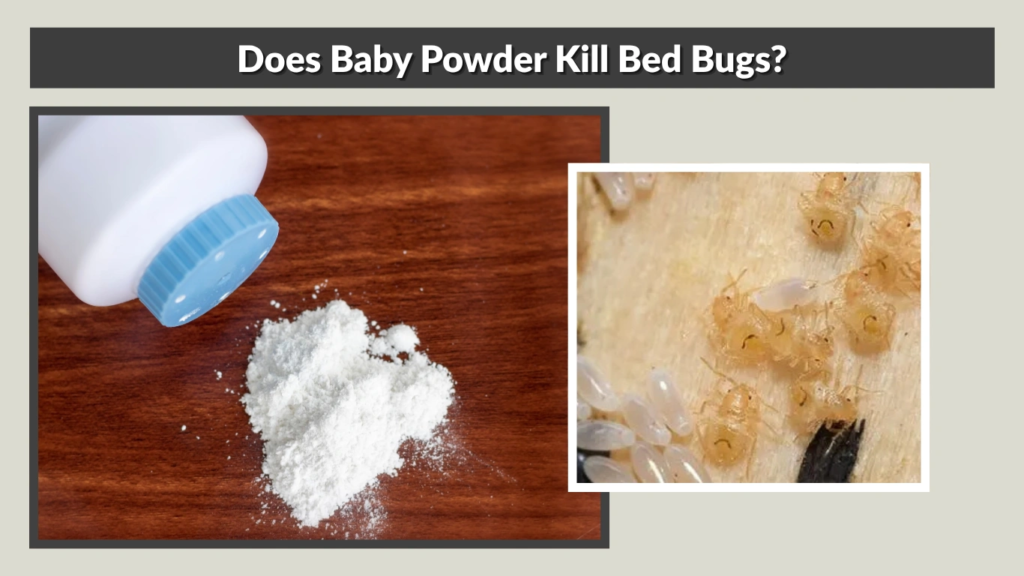
Many people try using baby powder for bed bugs, but unfortunately, it doesn’t kill or suffocate them. The powder might slightly slow them down, but it doesn’t affect their survival or eggs.
The talc in baby powder is not strong enough to dehydrate the bugs’ exoskeletons. Instead, use diatomaceous earth, a silica-based powder that effectively destroys both adult and baby bed bugs by drying them out. Baby powder can help mark infested areas temporarily, but it’s not a long-term solution.
How Many Babies Do Bed Bugs Have?
Bed bugs reproduce quickly. A single female can lay up to 500 eggs in her lifetime, each hatching within 6 to 10 days. Every baby bed bug needs a blood meal before shedding its skin and growing larger. This rapid cycle means that even a small infestation can multiply into hundreds of insects in a few weeks.
To break the cycle, thorough cleaning and repeated treatment are necessary—especially since eggs and nymphs often hide where sprays can’t reach.
Baby Bed Bugs on Window Sills and Furniture
If you spot baby bed bugs on a window sill, it often means the infestation has spread beyond the bed area. They might be trying to escape light or find new hiding spots. Vacuum and steam these areas carefully.
Inspect furniture joints, curtain folds, and nearby walls for tiny white eggs or molted skins. Catching them early is key—baby bed bugs can mature into full adults within a month under warm conditions.
My Baby Daddy Is a Bed Bug – The Book Reference
Among searches like “my baby daddy is a bed bug”, some people refer to Quan Millz’s book, My Baby Daddy Is a Bed Bug. This title is a fictional urban comedy and not related to real pests. It’s often mistaken online when people search for actual bed bug information, but the two topics are entirely separate.
FAQs
What does a baby bed bug look like?
A baby bed bug, or nymph, is small—about 1 to 4 millimeters long—with a flat, oval body. It starts white or translucent but turns reddish-brown after feeding. Unlike adult bed bugs, its shell appears thinner and lighter, making it hard to see against pale surfaces.
Can baby bed bugs bite humans?
Yes, baby bed bugs bite just like adults. They feed on human blood to grow through each life stage. Though smaller, their bites cause similar itching and irritation. Because they’re so tiny, people often mistake their bites for mosquito or flea bites.
Does baby powder kill or repel bed bugs?
No, baby powder does not kill bed bugs. It lacks the abrasive minerals needed to dehydrate or poison them. Diatomaceous earth is a much more effective and natural alternative that dries out the bed bug’s outer shell and eliminates both adults and nymphs.
How can I tell a baby bed bug from a baby roach?
Baby roaches are darker, shinier, and more cylindrical, while baby bed bugs are lighter, flat, and rounded. Roaches move quickly toward dark or moist areas like kitchens, but bed bugs stay close to beds, cracks, and fabrics where people sleep or rest.
How do I get rid of baby bed bugs permanently?
To eliminate baby bed bugs completely, use a mix of heat, vacuuming, and professional treatment. Wash linens in hot water, seal cracks, and apply diatomaceous earth. For severe infestations, pest control experts can use high-temperature or chemical methods that destroy every life stage.
