

Detecting bed bugs early is crucial to prevent a full-blown infestation. These tiny pests multiply quickly, hide in hard-to-reach places, and feed on human blood while you sleep. Knowing the early signs of bed bugs—from their appearance to the clues they leave behind—can help you act fast before they spread throughout your home.
Why Early Detection of Bed Bugs Is Important
Bed bugs are expert hiders, often going unnoticed until their numbers increase. Early detection helps prevent severe infestations that require costly professional treatments. Since bed bugs feed on blood, they cause itchy bites and discomfort, but more importantly, they reproduce quickly—females can lay hundreds of eggs in their lifetime. The sooner you spot the signs, the easier it is to control or eliminate them using heat, cleaning, or pest management.
Common Early Signs of Bed Bugs
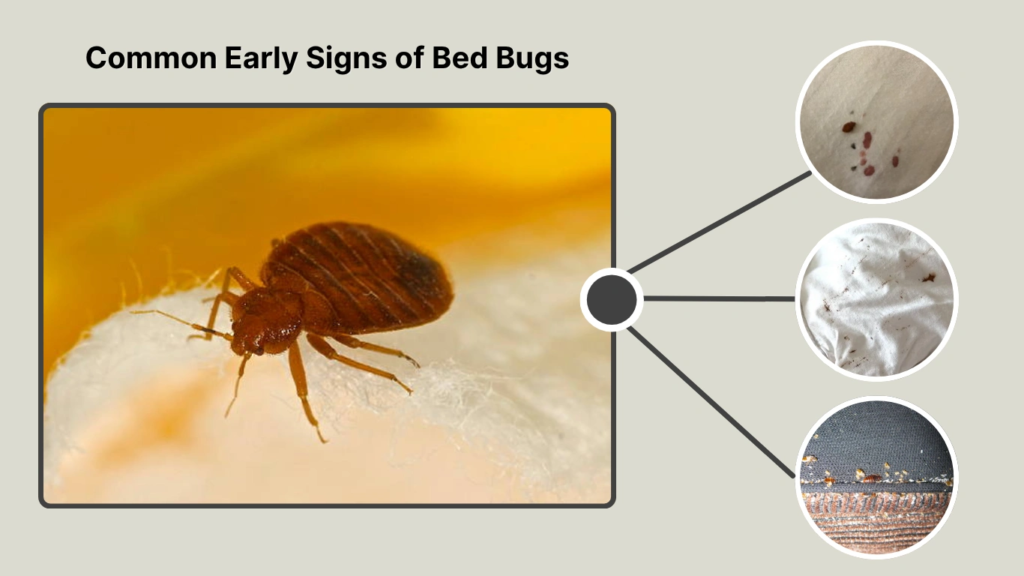
One of the first signs people notice is small reddish or rust-colored stains on bed sheets, mattresses, or pillows. These stains are caused by crushed bugs or small blood smears left after feeding. You might also see tiny dark fecal spots resembling black pepper, often found near mattress seams or corners.
Another clear indicator is the presence of shed skins or exoskeletons. Bed bugs molt several times before becoming adults, leaving behind translucent shells that look like empty insect casings. If you see these along with small white eggs (about 1mm long), it’s a strong sign that bed bugs are breeding nearby.
How to Tell If You Have Bed Bug Bites
Bed bug bites are among the most noticeable clues. They typically appear as small, red, itchy welts—often arranged in clusters or straight lines. These bites usually show up on exposed skin areas like arms, legs, neck, and shoulders.
While they can resemble mosquito or flea bites, bed bug bites are usually more uniform and occur in patterns due to multiple bites during feeding. You might also notice increased itching at night or upon waking up, as bed bugs are nocturnal and feed while you sleep.
If several people in your household develop similar bite marks, it’s worth checking for other signs like stains, shells, or live bugs around the bed.
How Soon You Can Tell If You Have Bed Bugs

The timeline for detecting bed bugs varies depending on how sensitive your skin is to bites. Some people react immediately, while others may not notice bite marks for 1–3 days. Visible signs such as fecal spots or blood stains usually appear after a few feeding cycles.
If you’ve recently stayed in a hotel or brought in secondhand furniture, it’s smart to inspect your home right away. Bed bugs can travel through luggage, clothes, or furniture seams. Early inspection can stop a few bugs from turning into a major infestation within weeks.
Checking for Bed Bugs in the Bedroom
The bedroom is the most common place for bed bugs to hide, as it provides easy access to a blood meal. Start by inspecting your mattress seams, box springs, and bed frame joints. Use a flashlight and magnifying glass to look for live bugs, eggs, or dark fecal spots.
Check behind headboards, wall hangings, baseboards, and curtains, as bed bugs often retreat to these hidden spots during the day. They can also hide in cracks, electrical outlets, or even inside alarm clocks near your bed.
Inspect upholstered furniture, especially along seams and folds. Since bed bugs are about the size of an apple seed (4–5 mm long) and reddish-brown, spotting them may take patience and attention to detail.
Other Clues of a Bed Bug Infestation
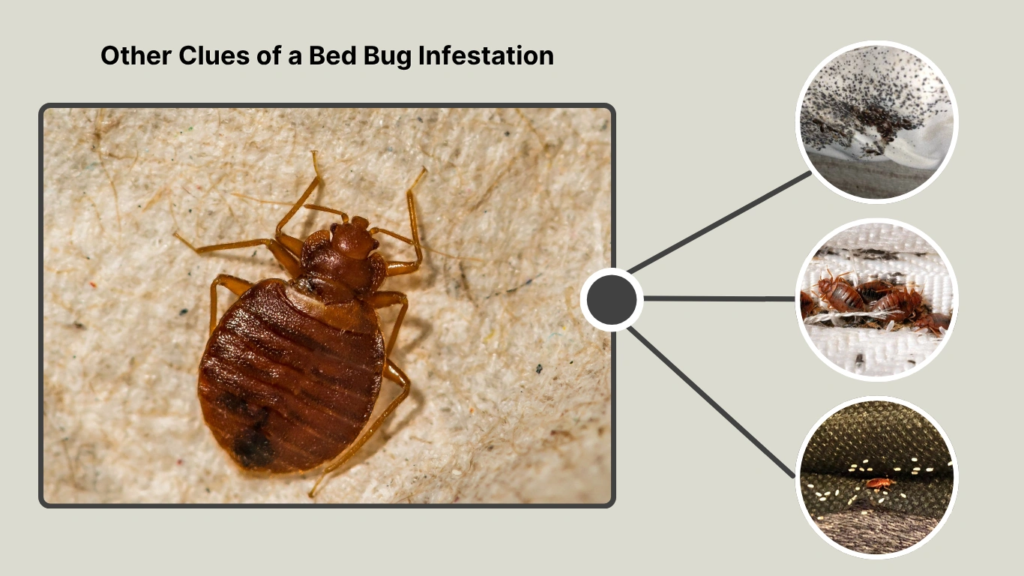
In larger infestations, a musty or sweet odor may be noticeable. This smell comes from the pheromones bed bugs release when they gather in groups. You might also see tiny white eggs attached to surfaces, or spot movement when you turn on the light suddenly at night.
Even if you only notice one or two of these clues, it’s best to act immediately. Bed bugs reproduce rapidly, and waiting too long allows them to spread into multiple rooms, making eradication more difficult.
How to Confirm a Bed Bug Infestation
Once you’ve noticed signs of bed bugs, confirming their presence helps you plan the right treatment. Start by using sticky traps or bed bug interceptors under your bed legs. These traps capture bugs that crawl in search of food at night, helping you identify their activity.
If you’re unsure, contact a professional pest control expert. They use advanced inspection tools such as heat sensors and specially trained detection dogs to locate infestations precisely. Professionals can also identify whether the insects are truly bed bugs or another species like carpet beetles or fleas, which are sometimes mistaken for them.
You can also try placing double-sided tape around mattress edges or along walls near the bed. If you catch a live bug, compare it with online photos or show it to an exterminator for accurate identification.
How to Tell If You Still Have Bed Bugs After Treatment
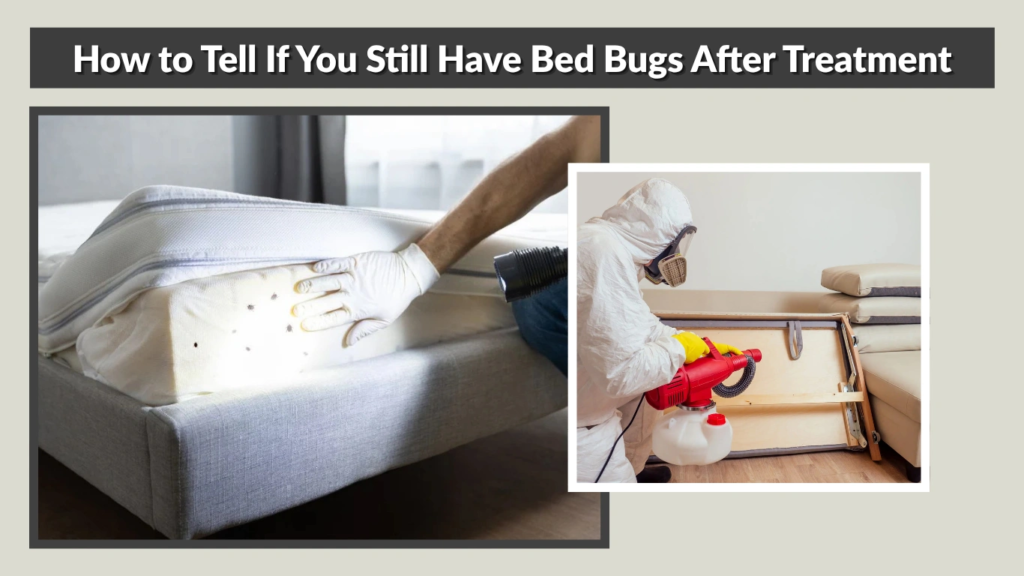
After treating your home, continuous monitoring is essential. Even a single surviving female can restart the infestation. For at least 2–3 weeks post-treatment, inspect your sleeping area regularly. Look for:
- New bite marks or itchy welts
- Fresh stains or droppings on sheets
- Shed skins or visible eggs
Continue using traps and interceptors to track any leftover bugs. Vacuum thoroughly and wash bedding frequently using hot water (60°C/140°F) to remove remaining eggs. If signs persist, a second round of professional treatment may be necessary to ensure complete eradication.
When to Call a Professional
If you continue to see bed bug activity after several DIY attempts, it’s time to contact pest control experts. Professionals can use heat treatments reaching up to 140°F (60°C), ensuring that every bug and egg is killed. They also have access to safe insecticides and monitoring equipment that guarantee thorough results.
Prompt action is important because untreated infestations spread quickly to neighboring rooms or apartments. Pest professionals also provide post-treatment guidance to help prevent reinfestation, such as sealing cracks, vacuuming regularly, and avoiding used furniture.
Preventing Future Infestations
Prevention starts with cleanliness and awareness. Always inspect secondhand furniture before bringing it inside. When returning from hotels or travel, wash and dry clothes on high heat to eliminate any hidden bugs. Using protective mattress encasements can also trap any survivors and stop new infestations from developing.
Regularly vacuum carpets, bed frames, and corners, and reduce clutter that provides hiding spots. By staying vigilant, you can protect your home from future outbreaks and maintain peace of mind.
FAQs
How can you tell if you have bed bugs or fleas?
Flea bites usually appear around ankles and are smaller, while bed bug bites often form in clusters or lines on exposed skin. Bed bugs also leave reddish stains, shed skins, and dark droppings near mattresses—signs fleas do not leave behind.
What do bed bug bites look like on skin?
Bed bug bites are red, itchy, and slightly swollen bumps that often appear in straight lines or clusters. They commonly affect areas like arms, legs, neck, and shoulders. Unlike mosquito bites, they may take a few days to appear and can itch for several days.
Can you have bed bugs and not see them?
Yes. Bed bugs hide in small cracks, behind furniture, or under mattresses, making them difficult to see. You may notice bites, stains, or a musty odor before spotting the insects. Regular inspections help confirm their presence early.
How fast do bed bugs spread in a home?
Bed bugs can move between rooms in days through cracks, clothing, or luggage. A small infestation can turn into a widespread problem within 4–6 weeks if untreated, as females lay multiple eggs daily that hatch in under two weeks.
What’s the best way to confirm a bed bug infestation?
Use traps, inspect common hiding areas with a flashlight, and look for droppings, shells, or live bugs. For certainty, contact a pest control professional—especially if you suspect hidden colonies or need verification before starting treatment.
